


-
Cell seeding on BIOMIMESYS®Hepatocyte hydrogels with the VIAFLO 96/384 channel handheld electronic pipette
Creating 3D cell spheroids suitable for high content screening (HCS)
Creating three-dimensional (3D) spheroids suitable for high content screening (HCS) may be difficult and is often an expensive process. Here, Celenys – now part of HCS Pharma – and INTEGRA describe how a 96 channel pipette can help seeding and maintenance of a 3D cell culture with BIOMIMESYS® Hepatocyte hydrogels in microplates. The method achieves physiologically relevant cellular models in a high throughput screening (HTS) format.
-
Table of contents
Creating three-dimensional (3D) spheroids suitable for high content screening (HCS) may be difficult and is often an expensive process. Here, Celenys – now part of HCS Pharma – and INTEGRA describe how a 96 channel pipette can help seeding and maintenance of a 3D cell culture with BIOMIMESYS® Hepatocyte hydrogels in microplates. The method achieves physiologically relevant cellular models in a high throughput screening (HTS) format.
Key benefits
Overview: BIOMIMESYS hydrogels for 3D culture
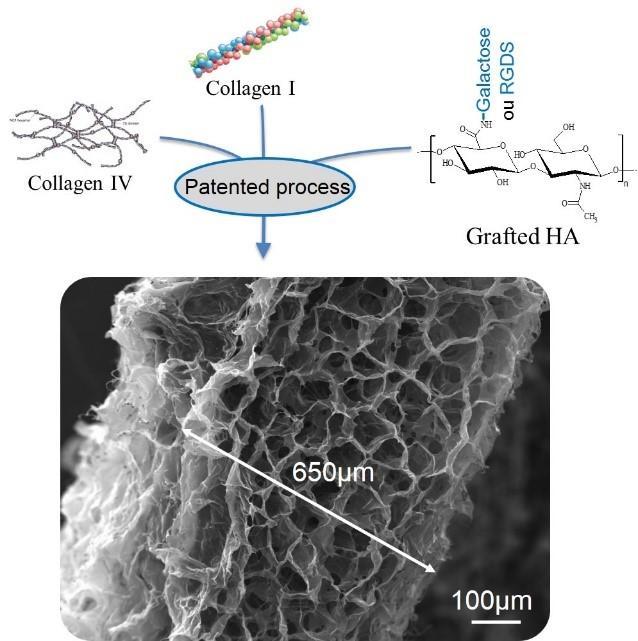
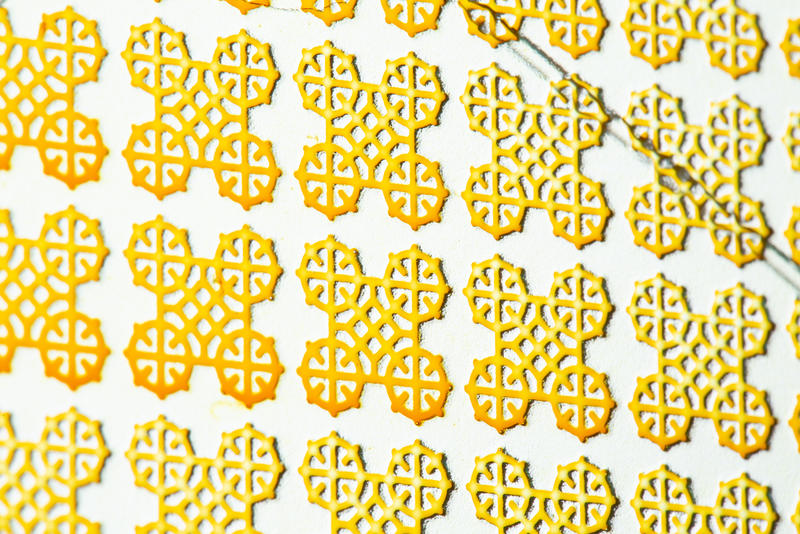
BIOMIMESYS is a range of new patented hyaluronic acid scaffolds for 3D cell culture. Celenys scaffold is made of RGDS and galactosamine-grafted hyaluronic acid, adipic acid dihydrazide crosslinker, and extracellular matrix (ECM) proteins (collagen type I and IV). BIOMIMESYS is suitable for robotic tests due to the thickness of the scaffold – around 600 μm – with an average porosity ranging from 100 to 200 μm (see Figure 1).
Experimental set-up
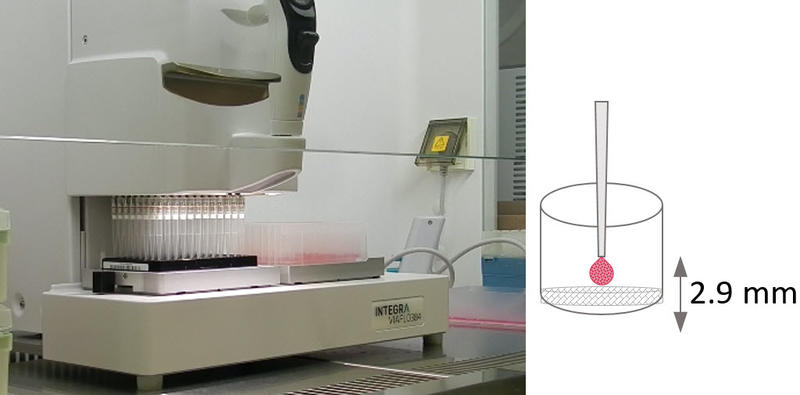
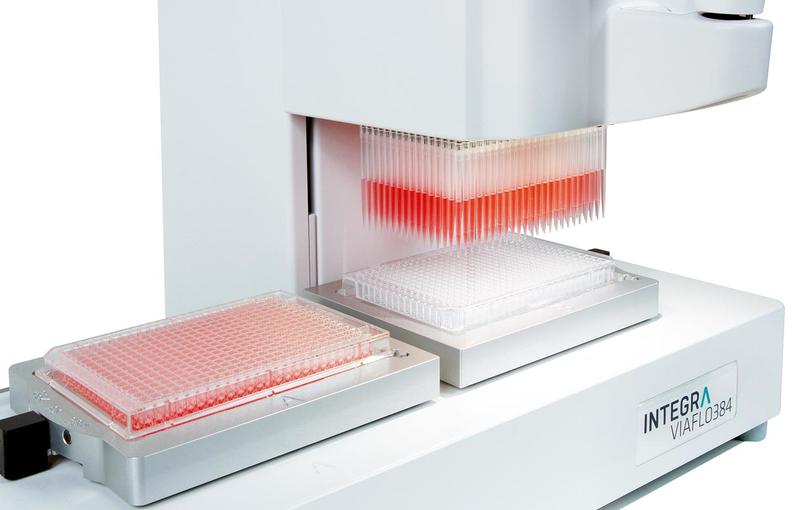
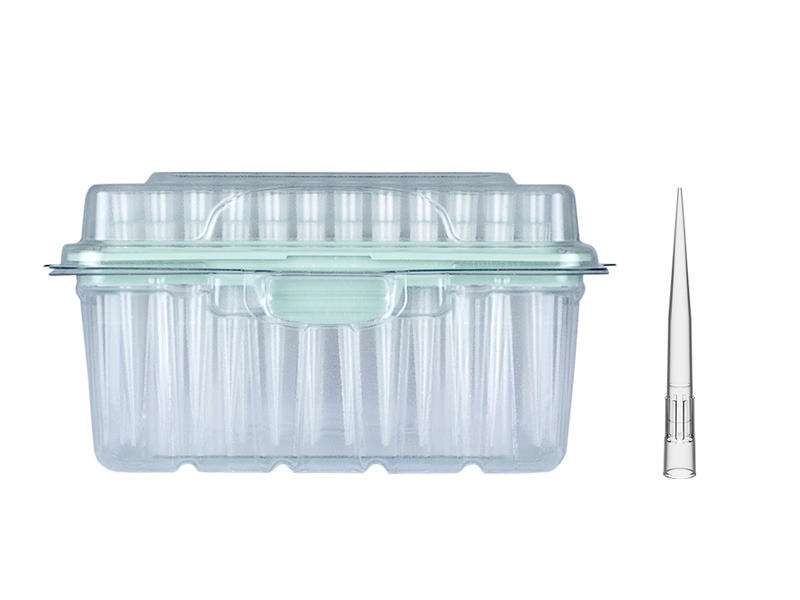
The VIAFLO 96/384 is used for seeding and renewing cell medium. The device is equipped with a 96 channel 300 μl pipetting head and 300 μl Sterile, Filter GRIPTIPS® are used. The entire application is performed in a laminar flow cabinet.
Step-by-step procedure
1. Cell seeding on BIOMIMESYS hydrogel with the VIAFLO 96/384
Homogenize HepG2 cells and seed on the ready-to-use BIOMIMESYS Hepatocyte hydrogel. This step takes less than two minutes.
HepG2 cells are homogenized in an automation friendly reagent reservoir (150 ml or 300 ml) by aspiration and dispensing. This is achieved using the Pipet/mix mode of the VIAFLO 96/384. Then, cells are transferred into a 96 well plate containing the BIOMIMESYS Hepatocyte hydrogel. Selecting the right height (z-height limit: 2.9 mm) and pipetting speed (set on 2) settings on the VIAFLO 96/384 is essential to guarantee homogenous seeding of the cells on the hydrogel (see Figure 2). Cell medium (150 μl) is added by setting the z-height limit to 3.2 mm and the pipetting speed to 2.
2. Chlorpromazine treatment of HepG2 cell line
Remove culture medium and add the hepatotoxicity-inducing drug chlorpromazine.
Carefully remove 100 μl of medium and add 100 μl of the drug, using a pipetting speed of 1 to prevent harming the cells. A z-height limit of 3 mm is set to ensure spheroids are not accidently aspirated or destroyed by the pipette tip.
3. HepG2 viability assay
Determine the metabolic activity of HepG2 cells using a WST-1 assay.
Remove 100 μl of culture medium using the normal Pipet mode at speed 2 and a z-height limit of 3 mm. Add 10 μl of the WST-1 reagent using the same pipette settings described in step 2.
4. Biliary canaliculi activity of HepG2
Biliary canaliculi activity of HepG2 cells treated with chlorpromazine was examined using 5(6)-carboxy-2′,7′-dichlorofluorescein diacetate (CDFDA) (21884, Sigma).
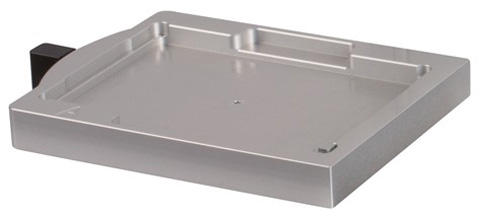
Remove 100 μl of culture medium and add 200 μl of PBS to the HepG2 cells, using the normal Pipet mode with the same z-height and speed described in step 2. Wash the HepG2 cells by adding and removing 200 μl of PBS (repeat this step five times). The convenient three position stage of the VIAFLO 96/384 accommodates the waste and reagent reservoirs (positions A and AB, respectively) needed for the washing step, and a target sample plate (position B).
Conclusion
Related articles
Further reading: An introduction to cell culture and its challenges
Ask our expert. Leave a comment!
Write us if you have any questions regarding the application note or one of our instruments.
Any questions? I'm happy to help!
Instruments and accessories
VIAFLO 96/ VIAFLO 384, Handheld Electronic Pipette
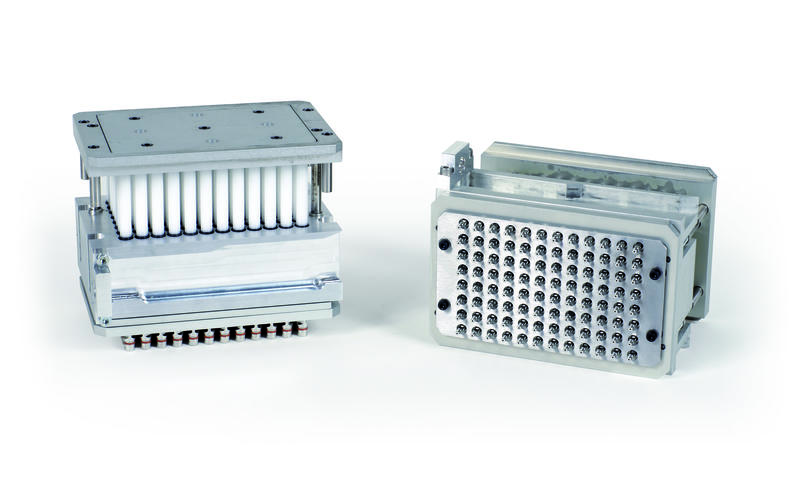
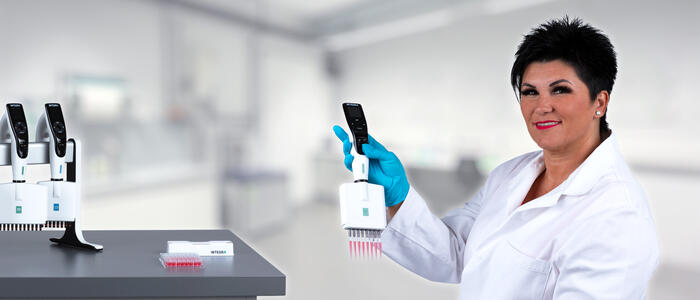
With this 24, 96 and 384 channel pipette, INTEGRA meets the need for an affordable, compact and easy to use pipette that provides increased productivity. The unique operating concept makes VIAFLO 96/384 as easy to use as any traditional handheld pipette.
Part No. 6001 / 6031
Download
Download this App Note as PDF file
DownloadCell seeding on BIOMIMESYS®Hepatocyte hydrogels with the VIAFLO 96/384 channel handheld electronic pipette
Customer’s voice
The best pipette we ever bought! The VIAFLO 96 has transformed the speed and accuracy of all of our plate based assays. Not sure what we did before we had it. The instrument is robust and reliable so that all members of the team can use it. It is portable and can be moved in and out of hoods as needed. Importantly, it has saved us a huge amount of time.
Related products


Applications
Show all-
Enhanced workflow for high throughput, high density microelectrode array (HD-MEA) electrophysiology on MaxTwo 24-Well Plates
-
Automating media exchange and sample collection using Ronawk’s Bio-Blocks® In Similare technology and the ASSIST PLUS
-
Automating the Corning Matrigel® thin coating protocol for cell culture applications
-
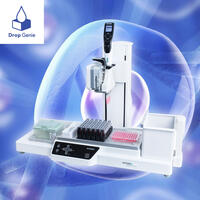
Automation-enabled high throughput electroporation of primary cells using the ASSIST PLUS and DropGenie platform
Stories
Show all-
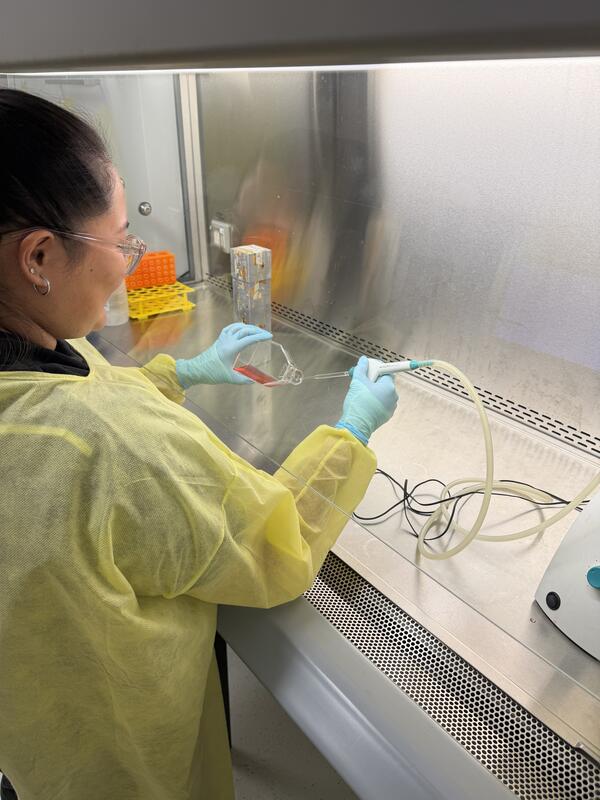 · Customer Testimonial
Optimizing respiratory virus research workflows with VACUBOY
-
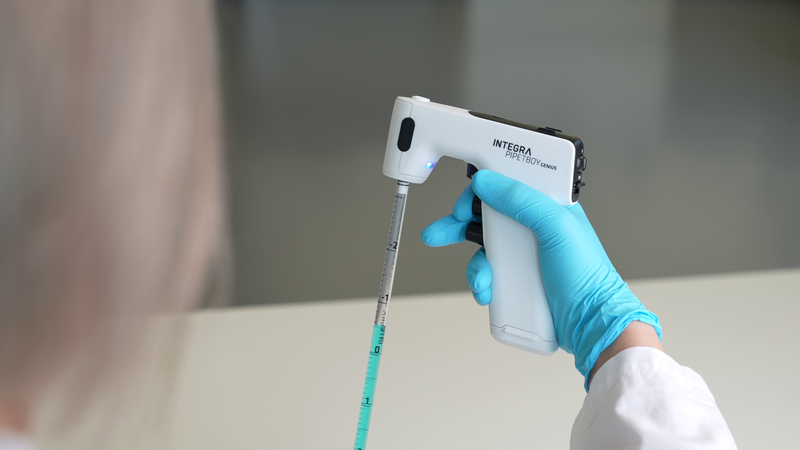 · Customer Testimonial
Setting a new benchmark in efficient cell culture with the PIPETBOY GENIUS
-
 · Customer Testimonial
Exploring new treatment pathways in pediatric oncology
-
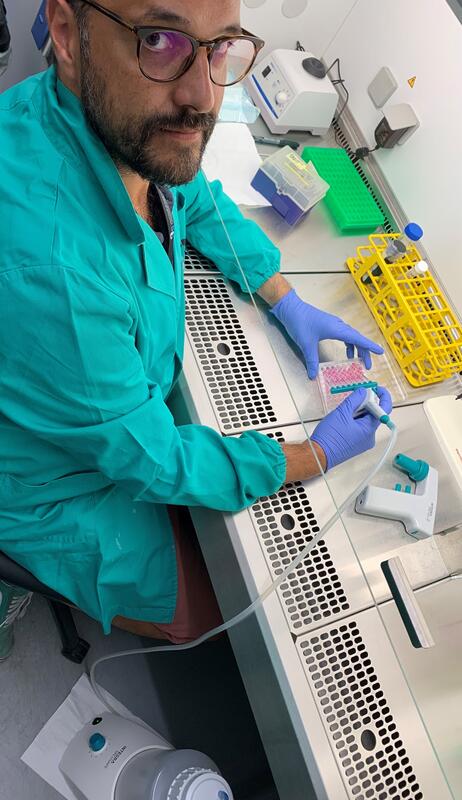 · Customer Testimonial
Pioneering immune sensing and signaling dynamics research