


Advancing the efficiency of breast cancer research in Louisiana with efficient liquid handling
Jorge Belgodere is an instructor at the Tulane University School of Medicine in New Orleans, with a secondary appointment as an adjunct faculty member at Louisiana State University in Baton Rouge. He told us more about his team’s research: “Breast cancer is one of the pillars of what we do at Tulane, and we are also fortunate to be embedded in the School of Medicine, which gives us access to actual patient samples. Our region has statistically some of the worst breast cancer cases in the US, particularly with triple negative cancer, which has little to no active receptors that can be targeted with traditional therapies. In my experience, some of the patient samples that we've dealt with have cancer cells that are really difficult to kill, and will even occasionally get angrier and start to proliferate when targeted with treatments. Tulane is therefore nestled in a very unique realm where we can hopefully have a more positive impact locally that will also give us better insight globally with information that can be disseminated.”
Equipping a growing lab with smarter liquid handling solutions
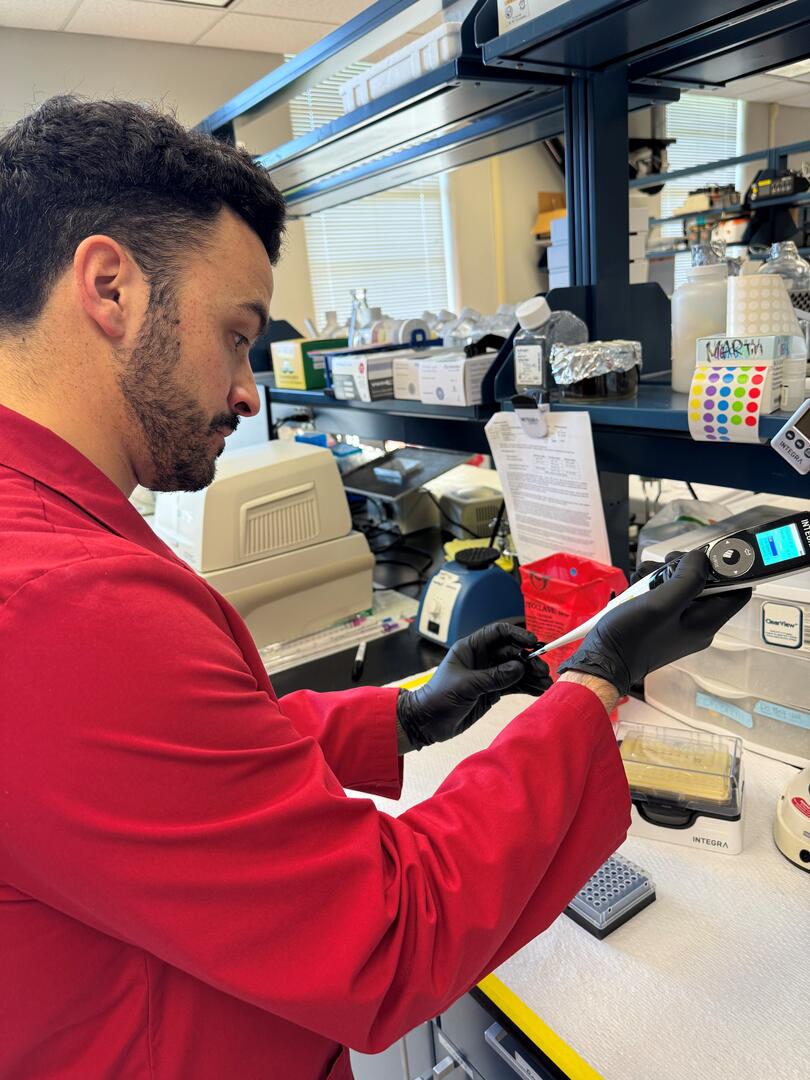
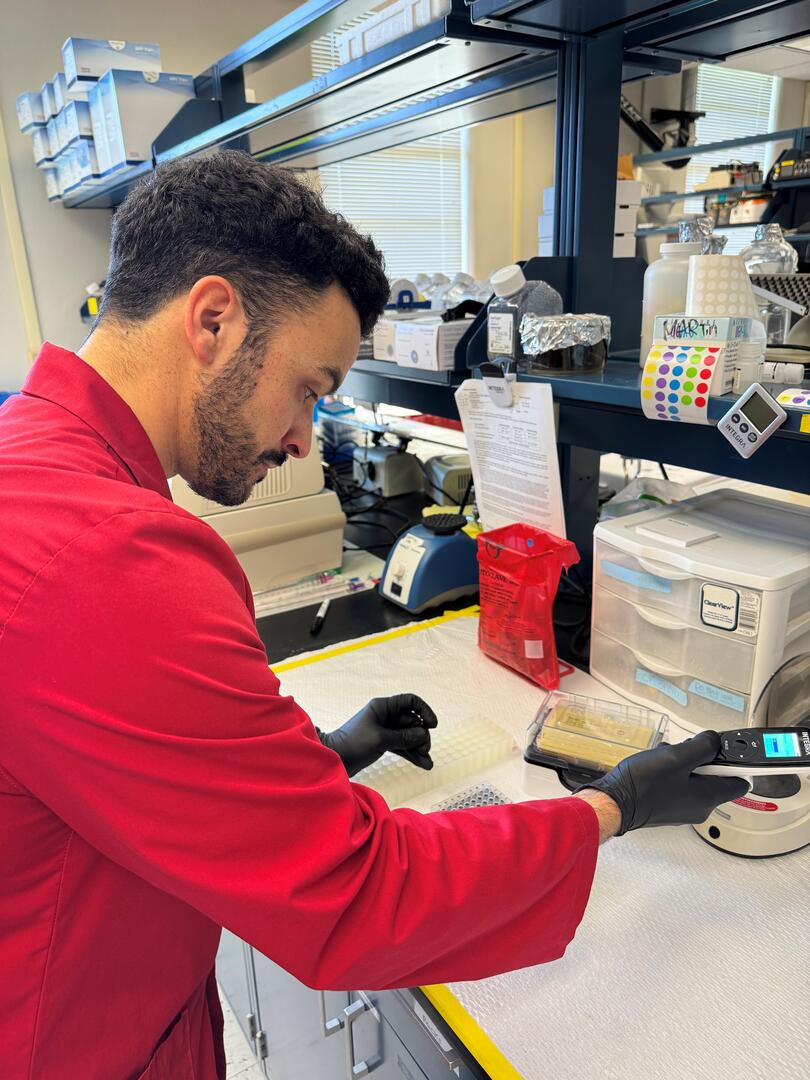
In 2023, Jorge established his own laboratory group at Tulane, taking on undergraduate and graduate students, technicians and a postdoc to focus on developing tumor models. As the lab expanded, so did the workload. When his postdoc highlighted the need for more efficient liquid handling to support RNA extractions, high throughput PCR plates and western blots, Jorge began looking for a better solution, as he explained: “My post doc came to me and said ‘My workload is going to be inefficient with the equipment we have. We need INTEGRA Biosciences systems so that we can set up assays, experiments and PCR plates in less than half the time it would normally take’. So we invested in a PIPETBOY GENIUS serological pipet controller and VIAFLO lightweight electronic pipettes.”
Improving comfort and consistency
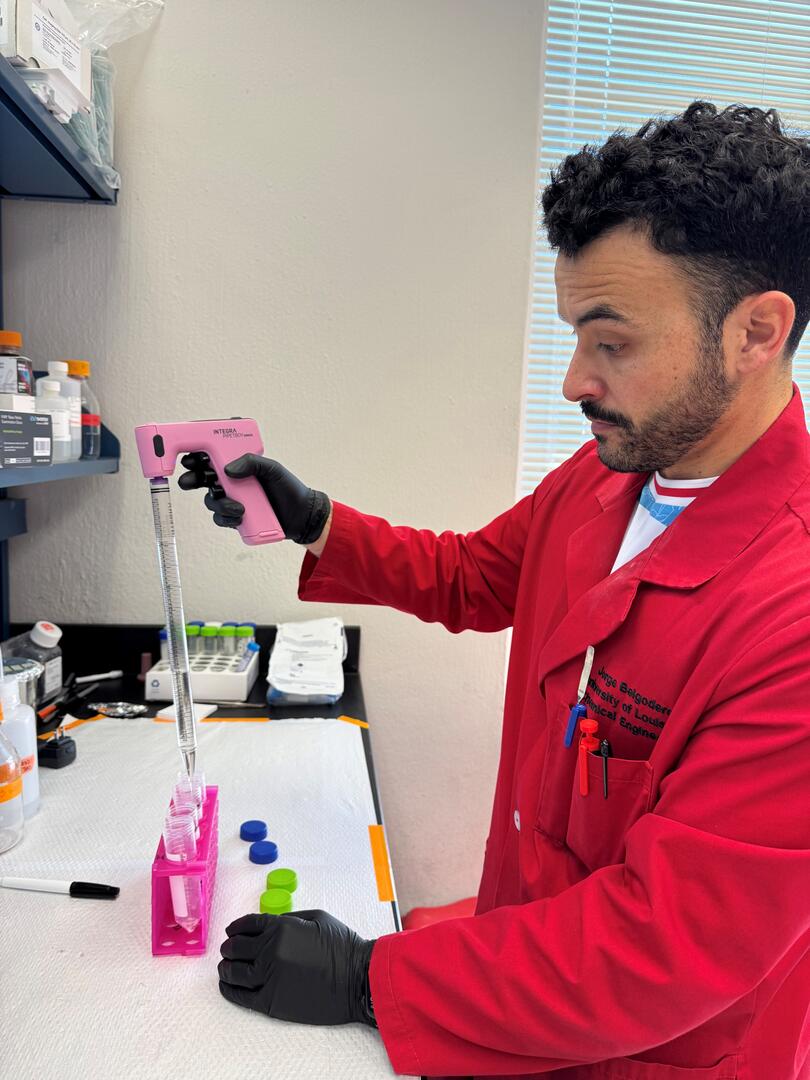
As well as speed, the physical demands and reproducibility challenges associated with repetitive laboratory tasks were also important. Jorge commented: “I was personally really interested in the PIPETBOY GENIUS for performing drug dilutions because, even though it’s a relatively easy task, it is very repetitive. It is monotonous, and you can experience a lot of fatigue as you have to prep lots of plates. The equipment from INTEGRA helps to reduce this and our researchers feel more comfortable. It was also important for reproducibility; previously I would be preparing 20 different dilutions at a time, for example, and I would see variability, but the PIPETBOY GENIUS has improved the accuracy of dilutions.”
Supporting training and accuracy
In a research facility, there is a high turnover of students, so it is incredibly important to have equipment that is not only easy for training, but is also accurate to ensure the integrity of the work. Jorge explained: “When I train an undergrad, it is far easier with INTEGRA instruments because of their reliability and accuracy. It means that they can do it right the first time. Plus, I can feel confident that any undergraduate can get the work done, and then they feel accomplished once the data comes out and the experiment was successful. This is especially important as the community helps us by providing samples; the cells came from someone in the community and we emphasize an ethos of not wasting the cells and the effort that was put in to acquiring them.”
The right liquid handling partner
“It has been really positive working with INTEGRA. It is the first pipette brand that I’ve worked with extensively, and it seems to be the most active in our space. You might think pipettes are just about moving liquids, but in reality they have a big impact on consistency and efficiency – and that makes a real difference in how we work,” Jorge concluded.
References to Tulane University and/or Tulane University School of Medicine in this release are for identification purposes only. Neither Tulane University nor Tulane University School of Medicine has endorsed, sponsored, reviewed for accuracy or approved the products, services or claims described herein, and no affiliation, partnership or sponsorship is implied. Jorge Belgodere is an instructor at Tulane University School of Medicine. Statements attributed to Jorge Belgodere reflect his personal views and opinions and do not represent the views, positions or official statements of Tulane University and/or Tulane University School of Medicine.
- Louisiana Cancer Center. Educating Communities About Breast Cancer. Accessed 13th February 2026. https://www.louisianacancercenter.org/news/educating-communities-about-breast-cancer
Applications
Show all

Stories
Show all-
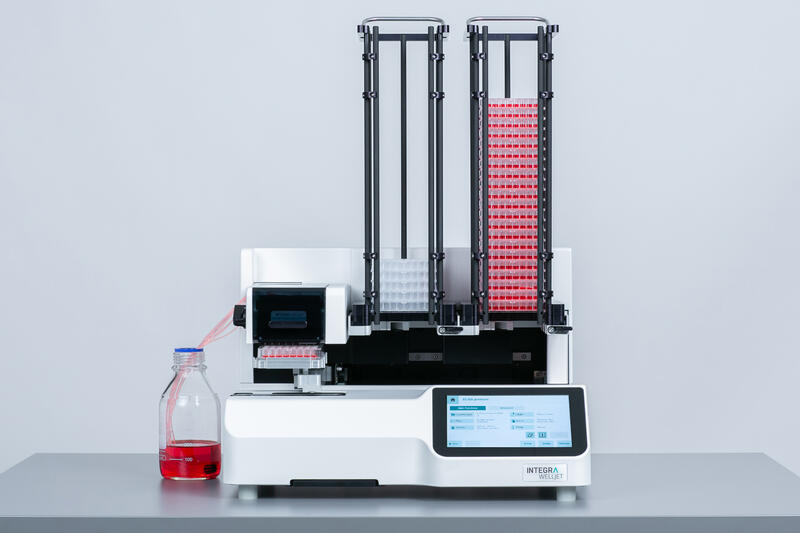 · Product News
Automating media preparation and dispensing in microbiology laboratories
-
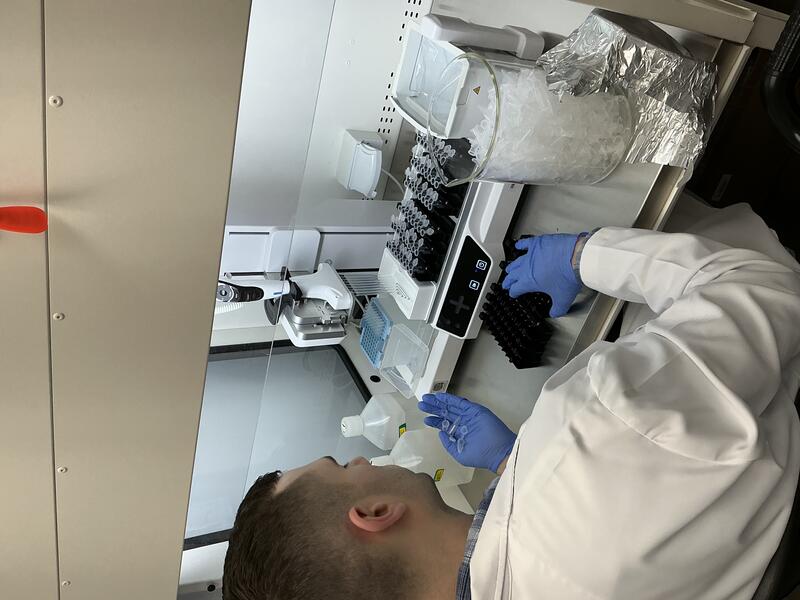 · Customer Testimonial
Enhancing the consistency of ag-tech R&D processes with the ASSIST PLUS pipetting robot
-
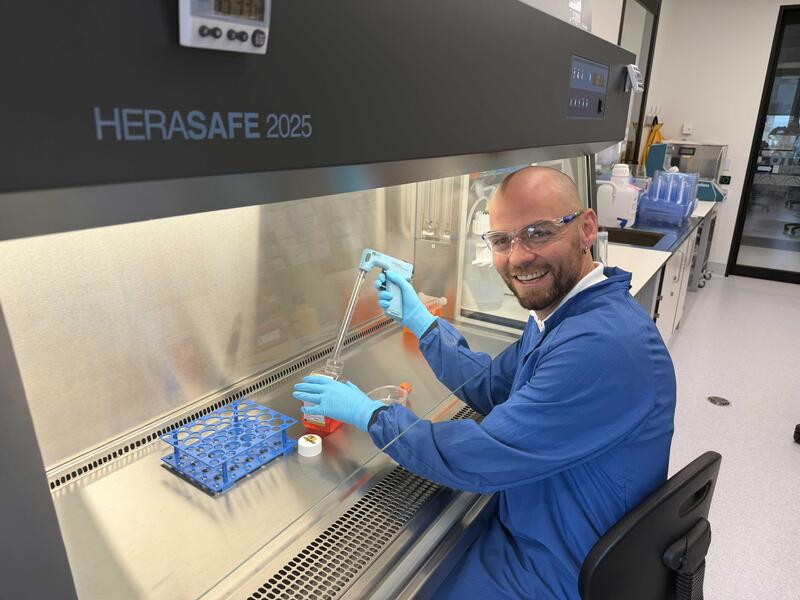 · Customer Testimonial
Accelerating cell and gene therapy application testing with the PIPETBOY GENIUS
-
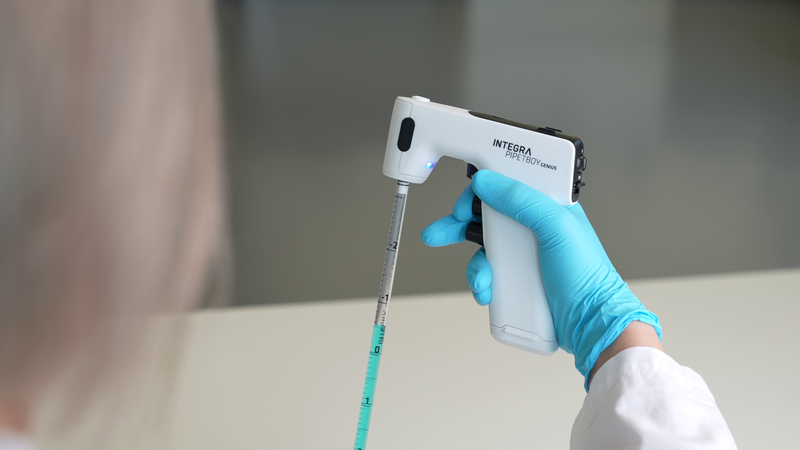 · Customer Testimonial
Setting a new benchmark in efficient cell culture with the PIPETBOY GENIUS