


-
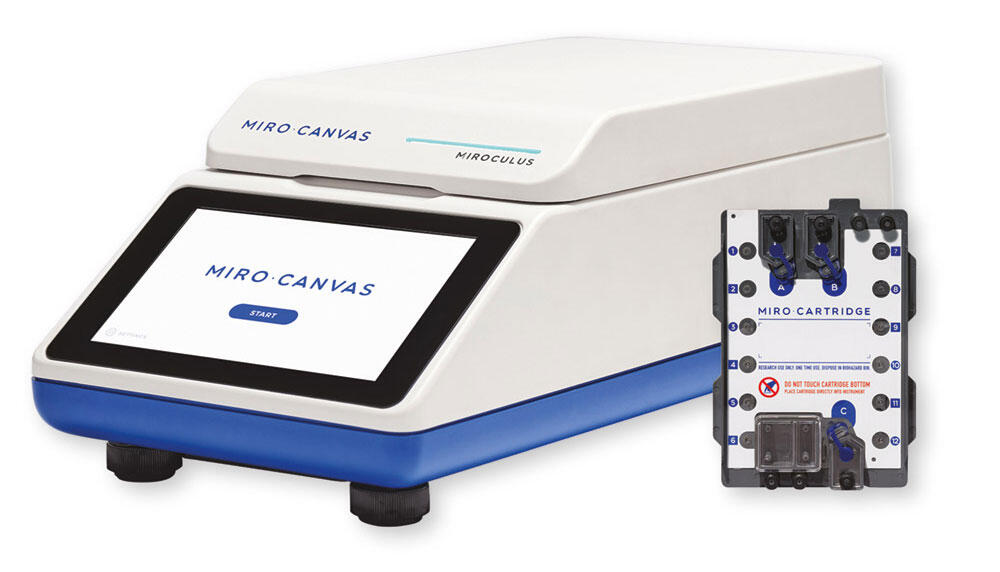
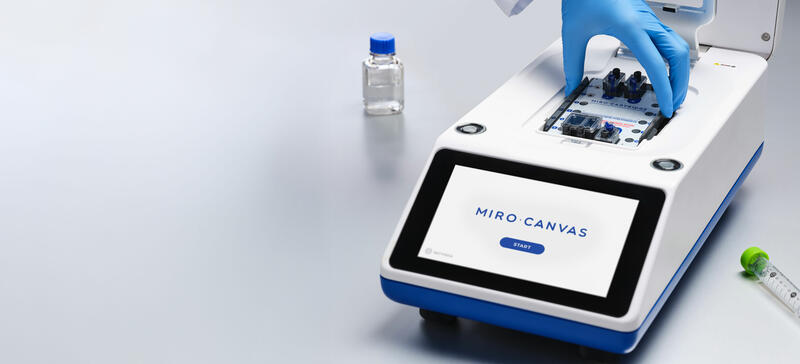
The MIRO CANVAS NGS prep system enables fully automated library prep for nanopore human whole genome sequencing (WGS)
Simplifying library preparation for human WGS on PromethION from Oxford Nanopore Technologies
Long-read sequencing has advanced genomics by resolving complex genomic regions and detecting structural variants often missed by short-read technologies.1 Nanopore-based WGS is actively being validated for clinical use,2 demonstrating its ability to rapidly solve complex cases3 and potential for routine genetic testing.4 The Oxford Nanopore Technologies (ONT) Ligation Sequencing Kit V14 (SQK-LSK114) enables library prep from high input and high molecular weight (HMW) DNA, achieving 30x human genome coverage and an N50 of 30 kb when sequenced using a PromethION device. The MIRO CANVAS simplifies library prep, reducing hands-on time and minimizing variability. This application note presents results from fully automated library prep of human whole genomes using 30 kb and 10 kb samples.
-
Table of contents
Long-read sequencing has advanced genomics by resolving complex genomic regions and detecting structural variants often missed by short-read technologies.1 Nanopore-based WGS is actively being validated for clinical use,2 demonstrating its ability to rapidly solve complex cases3 and potential for routine genetic testing.4 The Oxford Nanopore Technologies (ONT) Ligation Sequencing Kit V14 (SQK-LSK114) enables library prep from high input and high molecular weight (HMW) DNA, achieving 30x human genome coverage and an N50 of 30 kb when sequenced using a PromethION device. The MIRO CANVAS simplifies library prep, reducing hands-on time and minimizing variability. This application note presents results from fully automated library prep of human whole genomes using 30 kb and 10 kb samples.
Key benefits
Overview: How to automate ligation sequencing DNA V14 for high input on the MIRO CANVAS
Experimental set-up
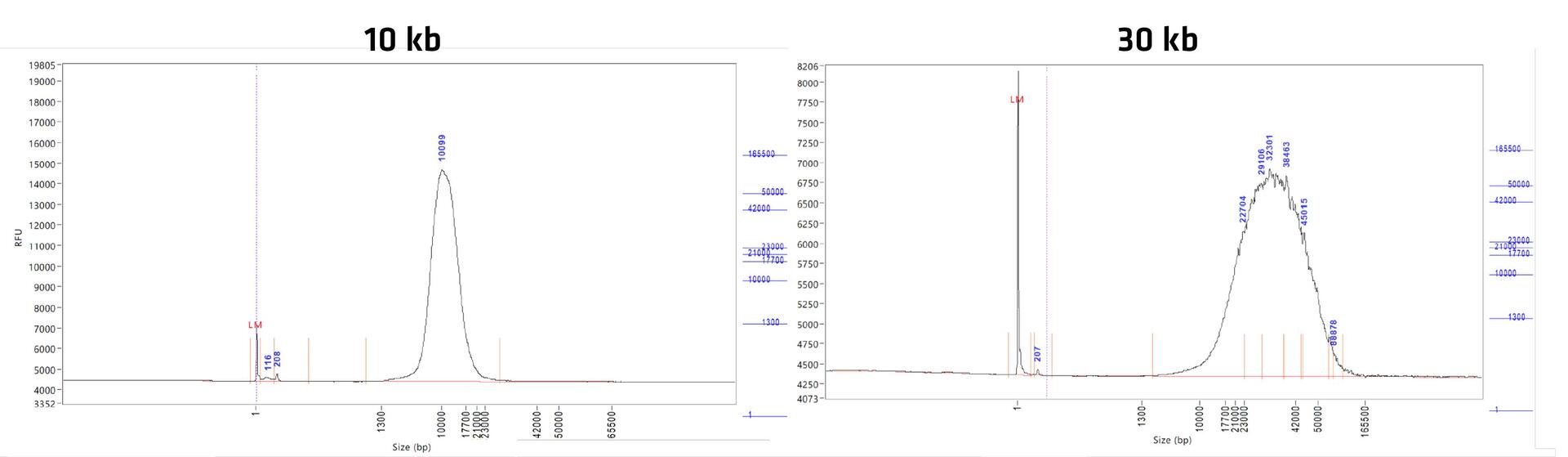
In this experiment, 3 μg of short-read eliminated GM24385/HG002 HMW DNA sheared down to 10 kb and 30 kb was used as inputs for both manual library preparation and the fully automated workflow on the MIRO CANVAS.
HMW DNA was extracted from the GM24385 cell line (Coriell) using the Monarch® HMW DNA Extraction Kit for Cells & Blood (New England Biolabs, #T3050). The PacBio Short Read Eliminator (SRE) Kit (PacBio, #102-208-300) was used to remove DNA fragments smaller than 10 kb. 10 μg of the purified and SRE-treated HMW DNA was mechanically sheared using a g-TUBE (Covaris, #520079) at 5,600 rpm to target a peak size of 10 kb. Another 10 μg of DNA was sheared using the Megaruptor® 3 (Hologic Diagenode, #B06010003) with a Megaruptor 3 Shearing Kit (Hologic Diagenode, #E06010003, #E07010003) at speed 25 and a concentration of 25 ng/μl to target a peak near 30 kb. Both sheared DNA samples were analyzed using the Femto Pulse System (Agilent Technologies, Inc., #M5330AA) with the Genomic DNA 165 kb Kit (Agilent Technologies, Inc., #FP-1002-0275), as shown in Figure 1.
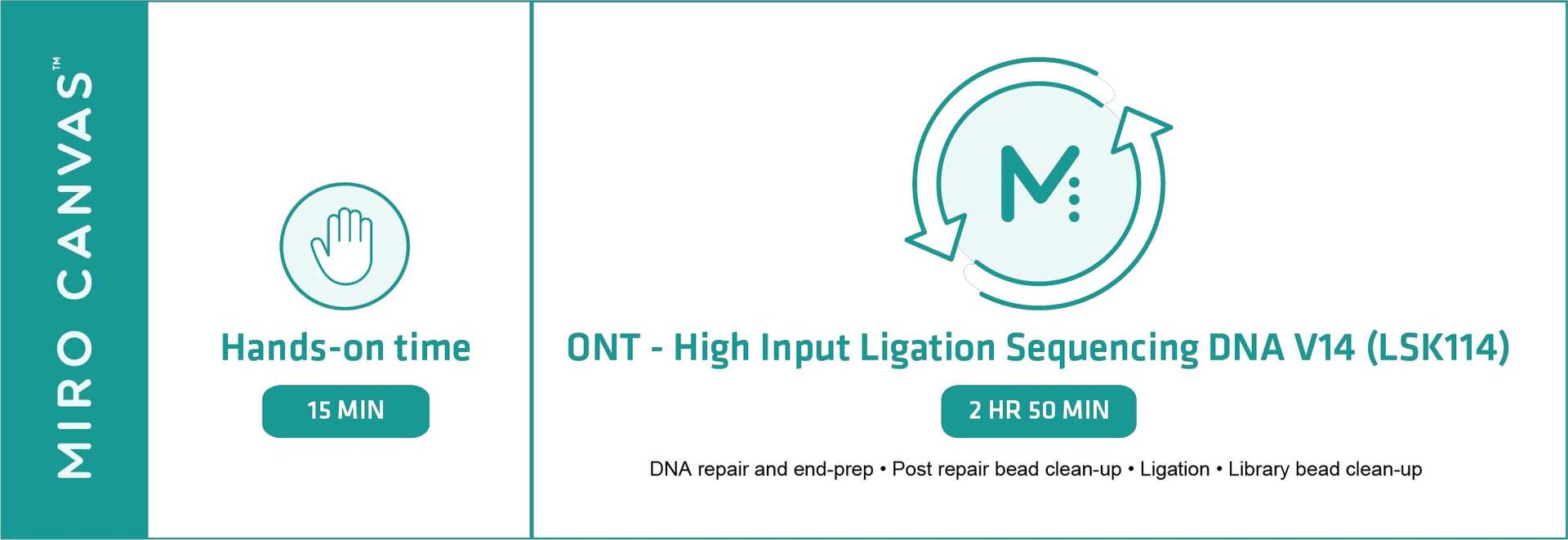
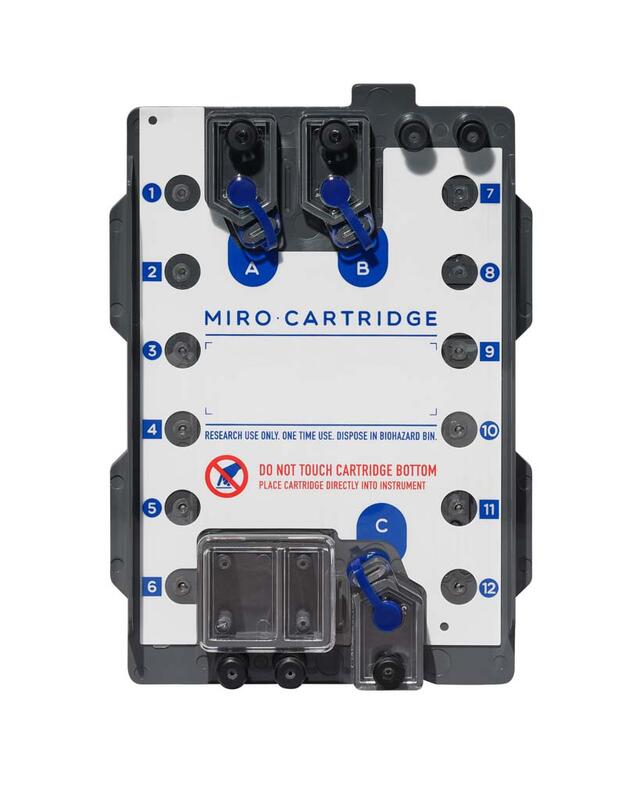
Manual libraries were prepared using full-scale standard reaction volumes of the ONT Ligation Sequencing Kit V14. The MIRO CANVAS protocol was then used to automate DNA repair and end-prep, adapter ligation, and library clean-up steps at quarter-scale reaction volume (saving 75 % on reagents). The total run time for this automated process was 2 hours and 50 minutes (Figure 2).
Product library mass was measured using a Qubit™ 4 Fluorometer (Thermo Fisher Scientific, #Q33226) with the Qubit dsDNA Broad Range (BR) Assay Kit (Thermo Fisher Scientific, #Q32850). Libraries were sequenced on a PromethION 2 Solo device (Oxford Nanopore Technologies, #PRO-SEQ002). A total of 250 ng of the 10 kb libraries, and 450 ng of the 30 kb libraries, were loaded onto PromethION Flow Cells (Oxford Nanopore Technologies, #FLOPRO114M). Data collection for the 10 kb sample was performed using a single loading of a PromethION Flow Cell, reaching >30x coverage by the flow cell’s end of life. To maximize the sequencing yield for the 30 kb libraries, the flow cells were washed and reloaded twice – a total of 3 loading cycles – and data was collected over 72 h to reach ~105 Gb. High accuracy base calling was performed for all 4 libraries, and modified bases were also called for 10 kb libraries.
After mapping the reads, unmapped reads were excluded, and key sequencing metrics – F1 scores by variant types, coverage of difficult loci and methylation profiles – were compared between 10 kb and 30 kb libraries prepared manually or using the MIRO CANVAS.
Downloads: App note and protocols for the MIRO CANVAS NGS prep system enabling fully automated library prep for nanopore human whole genome sequencing (WGS)
Results
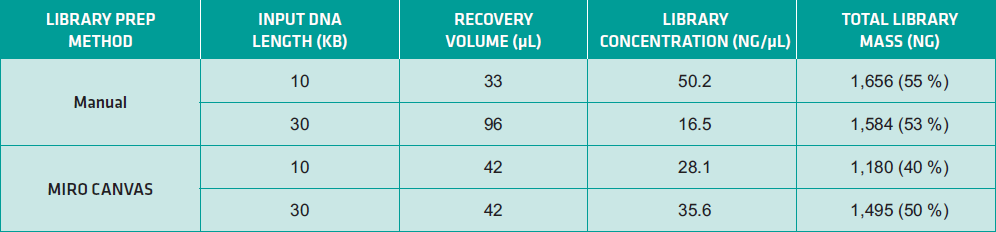
The MIRO CANVAS yielded product libraries within the same range as manual preparations for both 10 kb and 30 kb samples (Table 1), allowing sufficient material for PromethION Flow Cell loading with 20-35 fmol of library in each sequencing run. The MIRO CANVAS recovered 42 µl for each library, as shown in Table 1, which can be further diluted to load the flow cell again after washing, for extended sequencing data collection.
Table 1: Recovered volumes and concentrations for 10 kb and 30 kb library samples prepared manually and using the MIRO CANVAS.
Pore occupancy remained over 90 % throughout the sequencing runs, and the pore activity status showed near-zero adapter presence in the MIRO CANVAS libraries, implying efficient clean-up (data not shown). High pore occupancy with low adapter presence resulted in a high sequencing yield, accomplishing >30x coverage of the human genome for both the manual and MIRO CANVAS libraries.
Libraries prepared using the automated workflow on the MIRO CANVAS produced read length distributions (Figure 3) and N50 reads (Table 2) comparable to the manual process. For the 30 kb sample, the MIRO CANVAS sequencing results show a higher representation of read lengths >30 kb, leading to a higher N50 score compared to that of a manually prepared library (Table 2).
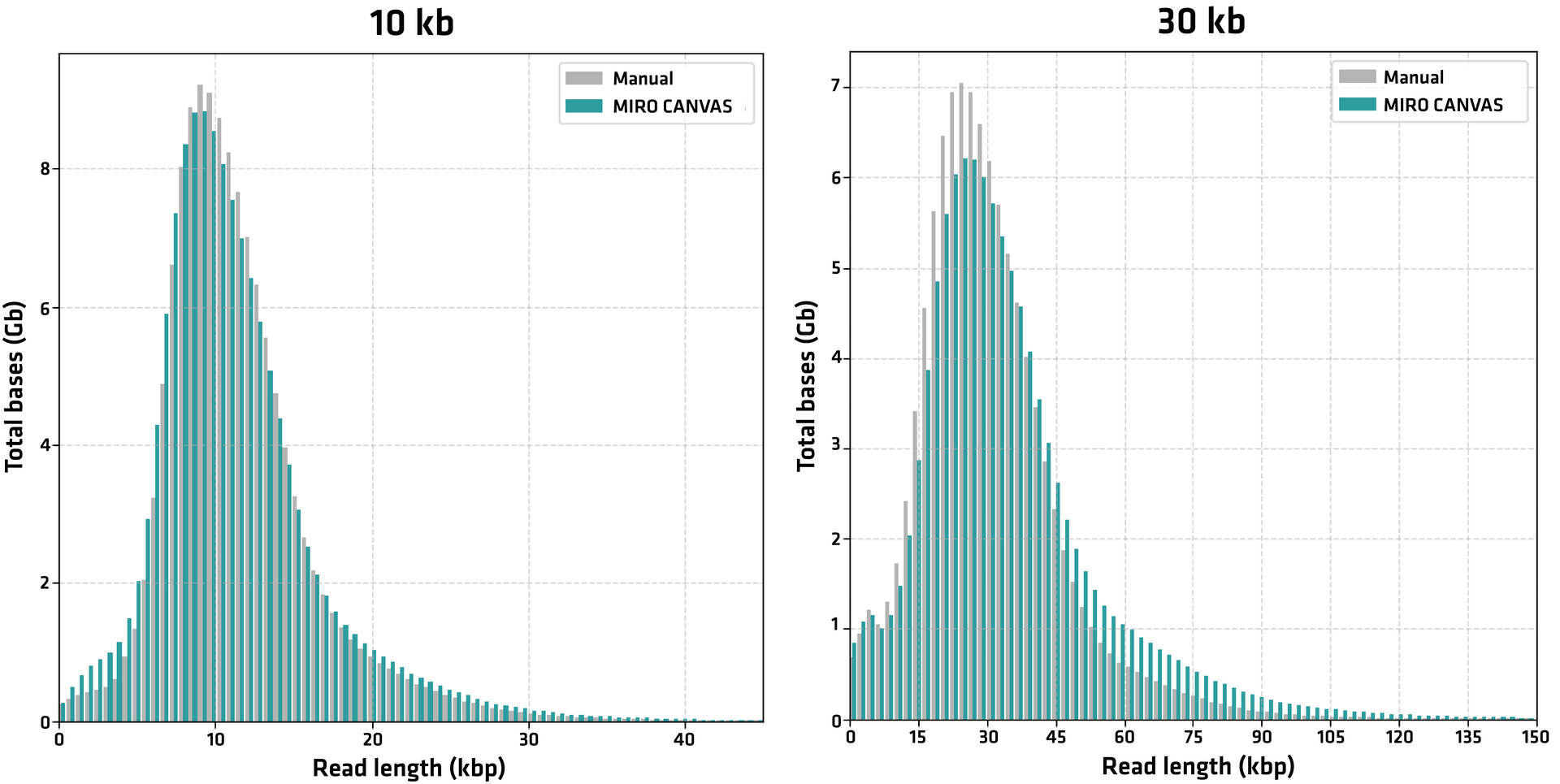
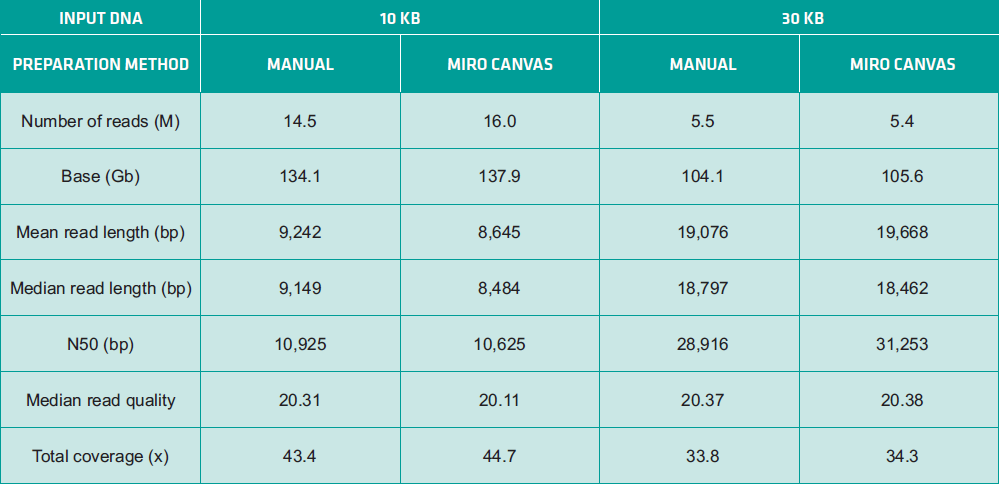
Table 2 summarizes key sequencing metrics across preparation methods and sample types. The MIRO CANVAS results were comparable to manually prepared libraries for the mean and median read lengths, the median read quality of >Q20, and human genome coverage for both 10 kb and 30 kb, with near-matching numbers of reads and dataset sizes in terms of sequenced bases. The N50 score in the 30 kb sample was higher for the MIRO CANVAS, due to the increased representation of longer reads, as shown in Figure 3.
Table 2: Summary of key sequencing metrics for libraries prepared manually and using the MIRO CANVAS.
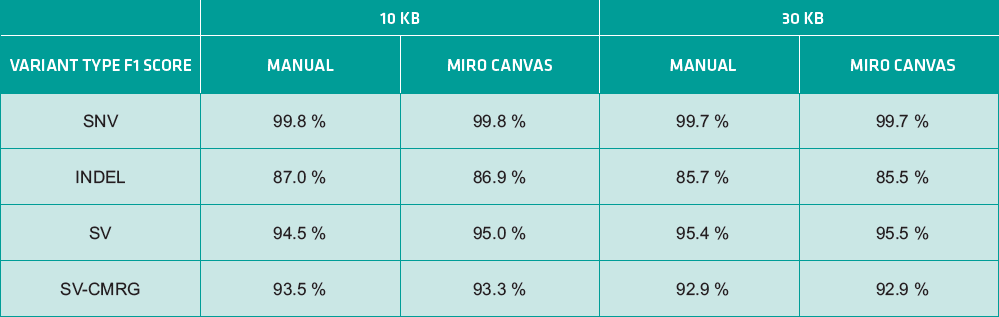
To assess the performance of libraries prepared using the MIRO CANVAS for applications requiring human genome variant detection, the system was used to detect single nucleotide variants (SNVs), insertions-deletion (INDELs), structural variants (SVs), and SVs of challenging medically-relevant genes (SV-CMRGs), and the respective F1 scores were computed (Table 3). Concordant to the comparable key sequencing metrics, MIRO CANVAS libraries presented equal or better F1 scores for SNVs, INDELs, SVs and SV-CMRGs compared to manually prepared libraries.
Table 3: Comparison of manual and MIRO CANVAS F1 scores across variant types.
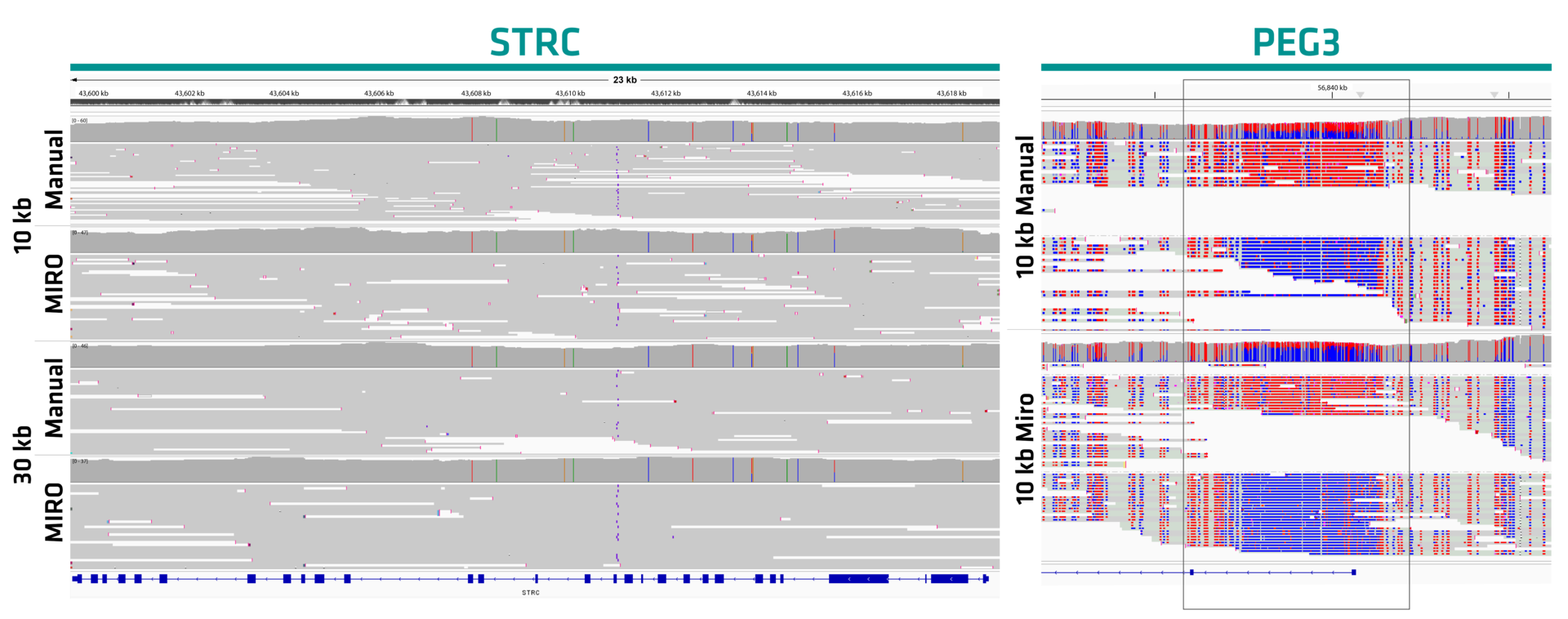
SV-CMRGs are clinically relevant, and are known to be difficult to resolve with short-read sequencing due to their complexity and repetitiveness. In the nanopore sequencing datasets analyzed for this study, the F1 score of >92 % for all SVs confirmed that the MIRO CANVAS libraries represented these difficult loci well. Read mapping across the STRC gene – a CMRG located at 15q15.3 – was visualized in the Integrated Genome Viewer (IGV) to compare coverages between the manual and MIRO CANVAS libraries for both 10 kb and 30 kb samples (Figure 4). Modified reads were also visualized from the 10 kb libraries across the Paternally Expressed Gene 3 (PEG3) locus at 19q13.4, revealing patterns of imprinting where maternal chromosome methylation impairs gene expression. In both of these examples, the MIRO CANVAS delivered coverage equal to, or better than, manually prepared libraries. Visualization in the IGV revealed coverage of the CFC1B gene – which is known to be challenging to detect – and found to be covered only in the 30 kb sample prepared using the MIRO CANVAS (data not shown).
References
1Wagner J, Olson ND, Harris L, Khan Z, Farek J, Mahmoud M, Stankovic A, Kovacevic V, Yoo B, Miller N, et al. Benchmarking challenging small variants with linked and long reads. Cell Genomics. 2022 May 11;2(5):100128. https://doi.org/10.1016/j.xgen.2022.100128
2Sen S, Handler HP, Victorsen A, Flaten Z, Ellison A, Knutson TP, Munro SA, Martinez RJ, Billington CJ, Laffin JJ, Bray S, Mroz P, Yohe S, Nelson AC, Bower M, Thyagarajan B. Validation of a comprehensive long-read sequencing platform for broad clinical genetic diagnosis. Front. Genet. 2025 May. https://doi.org/10.3389/fgene.2025.1499456
3Goenka SD et al. Accelerated identification of disease-causing variants with ultra-rapid nanopore genome sequencing. Nat Biotechnol. 2022 Mar 28;40(7):1035-1041. http://doi.org/10.1038/s41587-022-01221-5
4Kaplun A, Krautz-Peterson G, Neerman N, Stanley C, Hussey S, Folwick M, McGarry A, Weiss S, Kaplun A. ONT long-read WGS for variant discovery and orthogonal confirmation of short read WGS derived genetic variants in clinical genetic testing. Front. Genet. 2023 April. https://doi.org/10.3389/fgene.2023.1145285
Conclusion
Ask our expert. Leave a comment!
Write us if you have any questions regarding the application note or one of our instruments.
Any questions? I'm happy to help!
Instruments and accessories
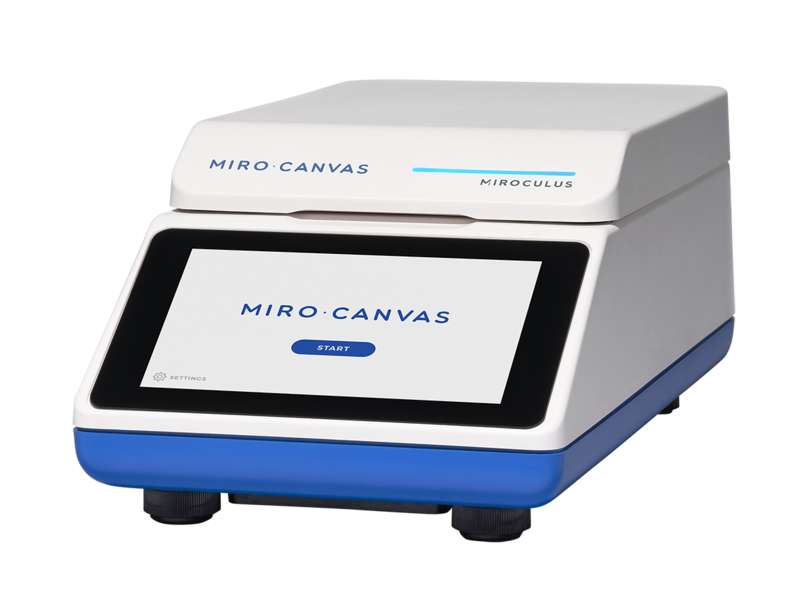
MIRO CANVAS, NGS prep system
A revolutionary microfluidics platform which enables full automation of NGS prep protocols.
-
Fully automated - Simple, walk-away automation for on-demand NGS sample preparation
-
Efficient - Minimize costs with up to 75 % reduction in reagent use and only 15 minutes of hands-on time
-
Flexible - Established NGS sample prep protocols for both short- and long-read sequencing platforms
Part No. M-01-0001-001-01
Downloads
Download App Note as PDF
DownloadThe MIRO CANVAS NGS prep system enables fully automated library prep for nanopore human whole genome sequencing (WGS)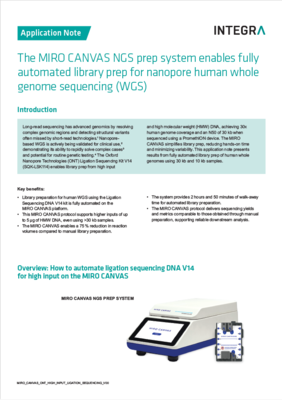
Related products


Applications
Show all-
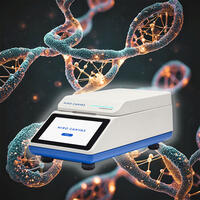
Automated library preparation for a nanopore DNA barcoding protocol on the MIRO CANVAS
-
Enabling the Illumina DNA PCR-Free Library Prep kit on the MIRO CANVAS NGS prep system
-
Implementing the Twist Human Core Exome Kit on the MIRO CANVAS
-
Automating PacBio® SMRTbell® whole genome sequencing library prep on the MIRO CANVAS
Stories
Show all-
 · Product News
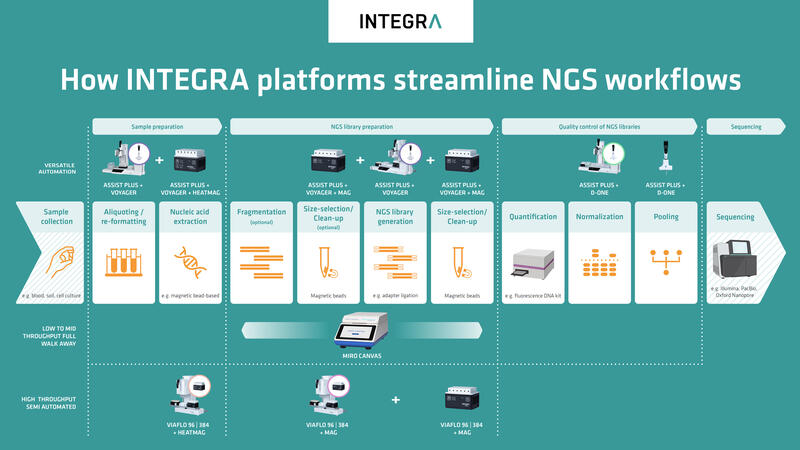
How our liquid handling solutions streamline NGS workflows
-
 · Product News
New digital microfluidics platform fully automates NGS sample preparation
-
 · Product News
Streamline your NGS workflow (Webinar)
-
 · Customer Testimonial
Exploring the human microbiome with automated NGS library prep
-
 · Customer Testimonial
Revolutionizing NGS library preparation with automated liquid handling integration