


-
Automating the Corning Matrigel® thin coating protocol for cell culture applications
Efficient and reproducible Matrigel dispensing into 96 well cell culture plates with the ASSIST PLUS pipetting robot
Corning Matrigel Matrix is a basement membrane extract derived from Engelbreth-Holm-Swarm (EHS) mouse sarcoma cells. It is widely used in both 2D and 3D cell culture applications, including organoid growth and the differentiation of various adherent cell types. This application note focuses on the thin coating of 96 well plates with Matrigel, where the membrane is diluted in serum-free medium to form a complex protein layer that serves as a substrate for cell attachment and proliferation.
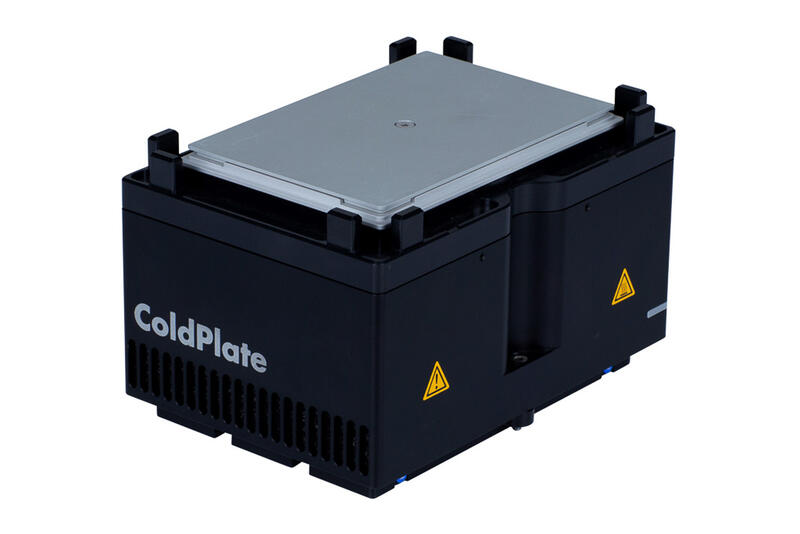
Because Matrigel polymerizes at temperatures above 10 °C, strict temperature control is essential to prevent premature gelation and ensure accurate liquid handling. Here, we demonstrate how the ASSIST PLUS pipetting robot, in combination with the COLDPLATE module and VOYAGER adjustable tip spacing pipette, provides a fast, precise and reproducible solution for the thin coating of 96 well plates with Matrigel.
-
Table of contents
Corning Matrigel Matrix is a basement membrane extract derived from Engelbreth-Holm-Swarm (EHS) mouse sarcoma cells. It is widely used in both 2D and 3D cell culture applications, including organoid growth and the differentiation of various adherent cell types. This application note focuses on the thin coating of 96 well plates with Matrigel, where the membrane is diluted in serum-free medium to form a complex protein layer that serves as a substrate for cell attachment and proliferation.
Because Matrigel polymerizes at temperatures above 10 °C, strict temperature control is essential to prevent premature gelation and ensure accurate liquid handling. Here, we demonstrate how the ASSIST PLUS pipetting robot, in combination with the COLDPLATE module and VOYAGER adjustable tip spacing pipette, provides a fast, precise and reproducible solution for the thin coating of 96 well plates with Matrigel.
Key benefits
Overview: How to automate Matrigel thin coating of 96 well plates with the ASSIST PLUS and COLDPLATE
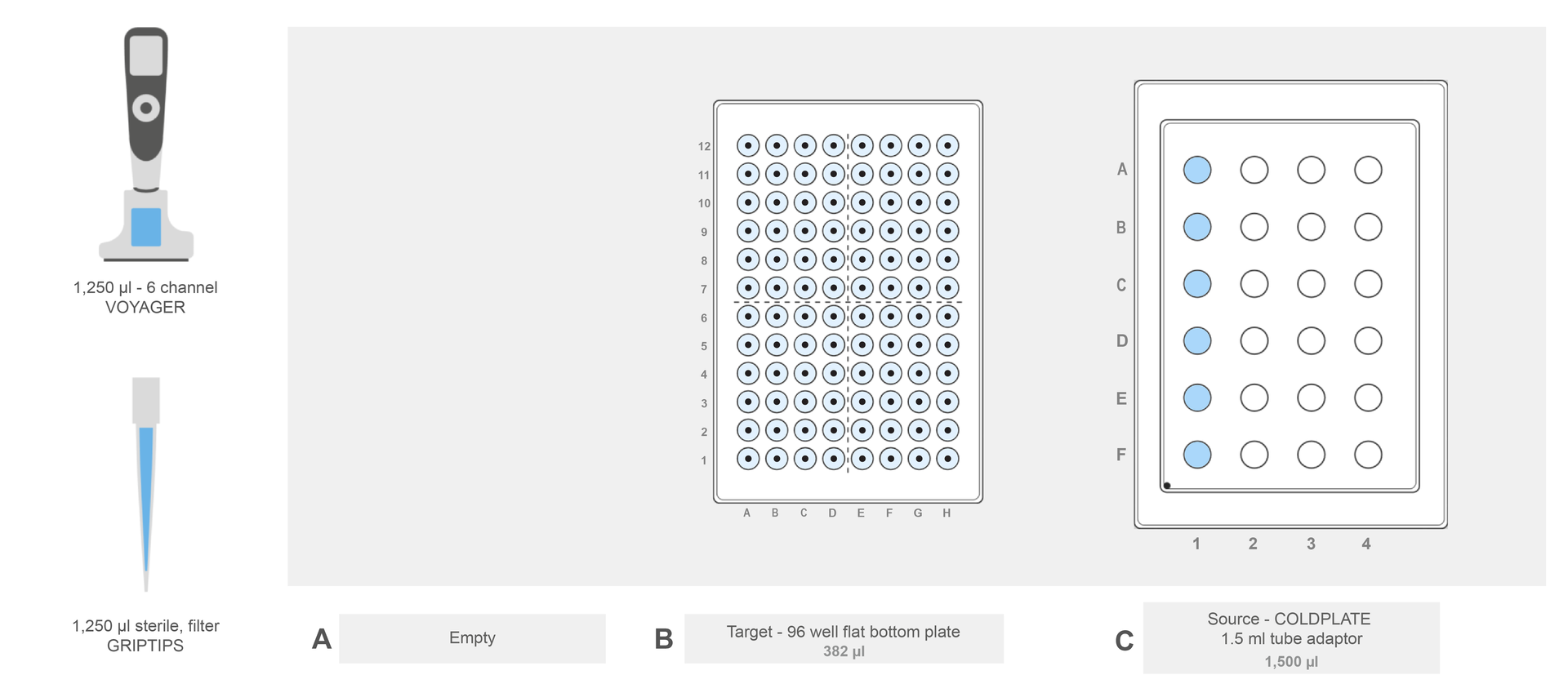
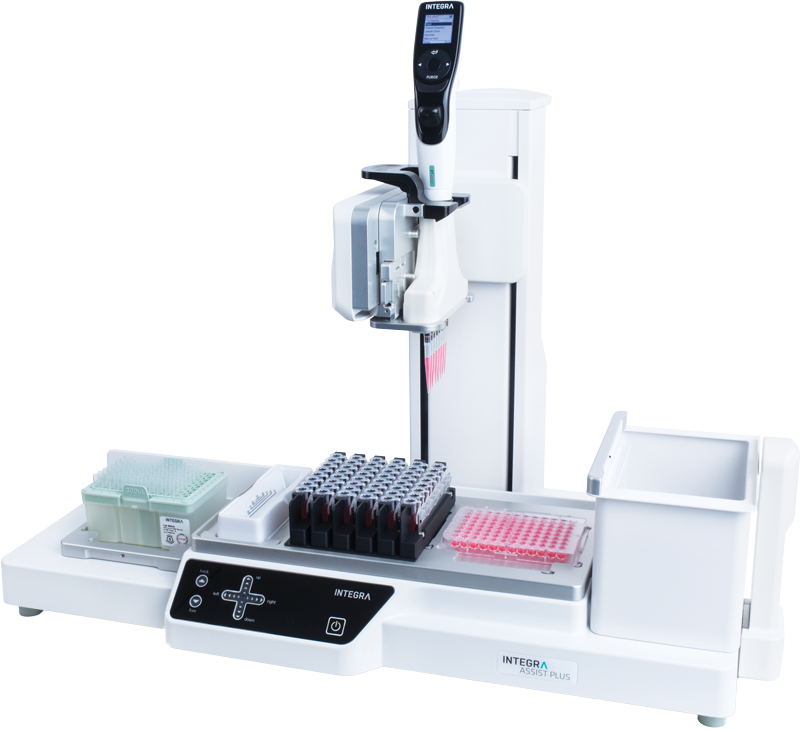
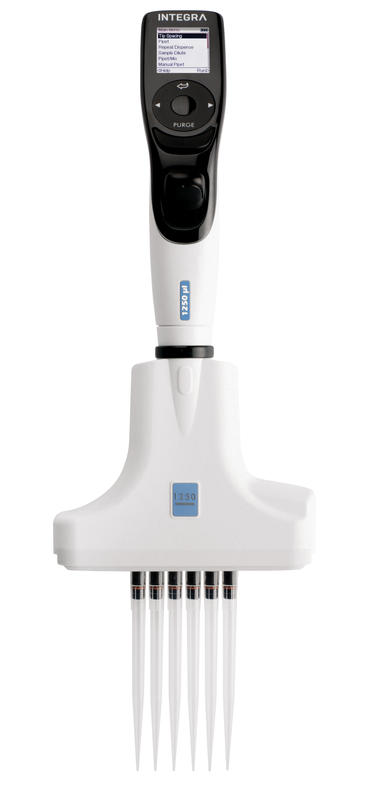
This application note demonstrates how to efficiently and reliably automate Matrigel dispensing to thinly coat 96 well plates. The COLDPLATE maintains the Matrigel at 4 °C, and a 6 channel 1,250 µl VOYAGER pipette is used to transfer it from 1.5 ml microcentrifuge source tubes to the 96 well cell culture plate (Figure 1).
Downloads: App note and protocols for automating the Corning Matrigel® thin coating for cell culture applications
Experimental setup
Step-by-step procedure
Matrigel preparation
Before starting any workflow involving the Corning Matrigel basement membrane matrix, it is essential to understand how to properly handle this highly temperature-sensitive substance. Since Matrigel begins to gel above 10 °C, all work should be performed on ice, and any labware or media that will come into contact with it must be pre-chilled. However, ice is not an optimal choice for automated workflows, so the COLDPLATE provides an ideal alternative, ensuring Matrigel consistently remains at 4 °C throughout the entire process.
To prepare the Matrigel, thaw the vial on ice or overnight in a 4 °C refrigerator. Gently swirl the vial, then aliquot Matrigel on ice into pre-cooled tubes. Both tubes and tips should be chilled in advance, ideally by storing them in the refrigerator overnight, to prevent Matrigel polymerization. Store aliquots at -20 or -70 °C and avoid multiple freeze-thaw cycles.
Dilute Matrigel with serum-free Gibco™ DMEM to a final concentration of 1 mg/ml. The thin coating protocol can be adjusted with other serum-free media and different concentrations, depending on the specific application. Note that the protein content varies between Corning Matrigel matrix lots; the exact concentration is provided in the Certificate of Analysis. In this study, the stock concentration was 11.8 mg/ml.
For more details regarding Matrigel handling, consult the Corning guidelines (SPC-354234.pdf).
COLDPLATE cooling and Matrigel dilution
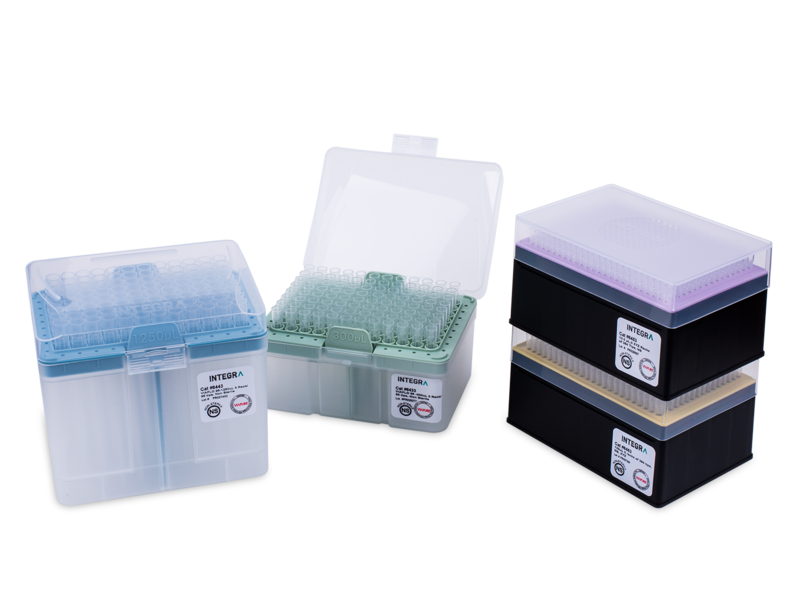
Place a 96 well flat-bottom plate on Position B and the COLDPLATE with 1.5 ml tube adapter on Position C of the ASSIST PLUS deck, both in portrait orientations (Figure 1). Corning recommends using tissue culture-treated plates for extracellular matrix (ECM) coatings, as this improves coating and cell adhesion. Insert six 1.5 ml microcentrifuge tubes into Positions A1-A6 of the adapter. The 1,250 µl sterile, filter GRIPTIPS should be pre-chilled at 4 °C overnight, and only placed on the tip deck once the COLDPLATE has reached 4 °C.
Mount the 6 channel 1,250 µl VOYAGER on the ASSIST PLUS, then select and run the VIALAB program ‘Matrigel_thin_coating_96’. At this point, the COLDPLATE will begin cooling to 4 °C.
It takes approximately 12 minutes to reach this temperature, so you can use this time to prepare the Matrigel dilution.
Thaw the Matrigel stock on ice or overnight in a 4 °C refrigerator. Using pre-chilled tips and serological pipettes, manually dilute Matrigel to 1 mg/ml with serum-free medium on ice in a pre-chilled 15 ml tube. Prepare enough dilution to fill 6 microcentrifuge tubes with 1,200 µl each.
A message will prompt you to fill the source tubes when the COLDPLATE has reached 4 °C. We suggest using a single channel 1,250 µl VIAFLO electronic pipette in reverse pipetting mode, with a 50 µl post-dispense volume to prevent bubble formation during dispensing.
Tip:
- Matrigel can also be diluted in a 10 ml reservoir and transferred to the source tubes with the same 6 channel 1,250 µl VOYAGER pipette used for the ASSIST PLUS process.
Matrigel dispensing
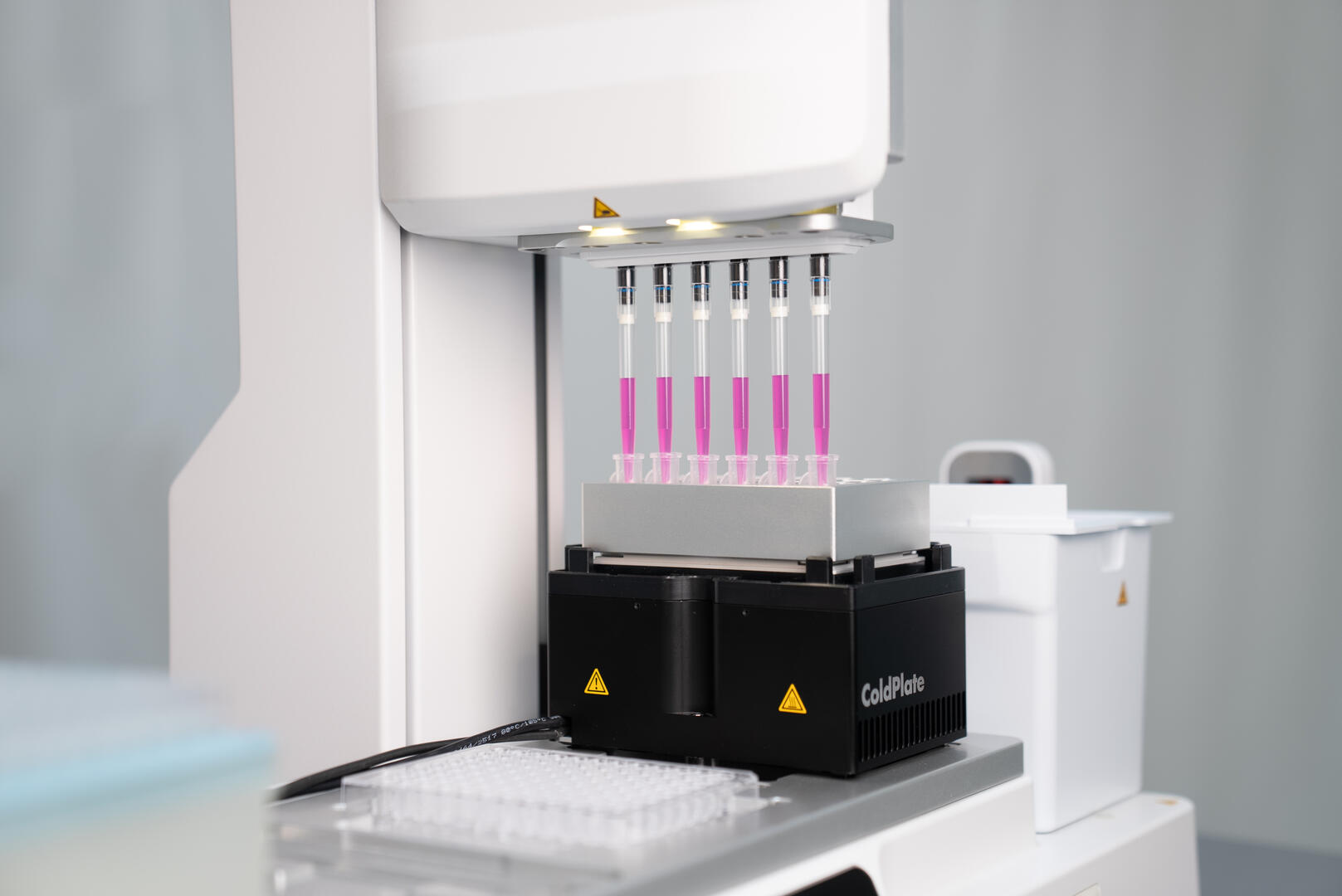
After filling the source tubes with the diluted Matrigel and pressing Run on the VOYAGER, the instrument will prompt the user to add a rack of 4 °C pre-cooled GRIPTIPS, and press Run to continue the program. The VOYAGER will mix Matrigel twice to pre-wet the tips and homogenize the Matrigel (Figure 3), then dispense 65 µl into rows 7-12 of the 96 well plate. The Matrigel is then mixed again before 65 µl is dispensed into each of the remaining rows (1-6).
The combination of Matrigel’s physical properties and the low temperature conditions fall outside of the calibration conditions of the VOYAGER pipette, leading to increased variability and decreased accuracy. Both repeat dispense steps therefore include 50 µl pre-dispense and post-dispense volumes. The pre-dispense minimizes errors accumulated by the pipette's rotor, improving the accuracy of the first dispense. The post-dispense compensates for pipetting inaccuracies that occur during multiple dispenses of diluted Matrigel at 4 °C, due to liquid stringing observed in our experiments. This is essential to ensure that sufficient Matrigel remains for the final dispense, and that no air bubbles are introduced into the wells.
Incubation and aspiration of unbound material
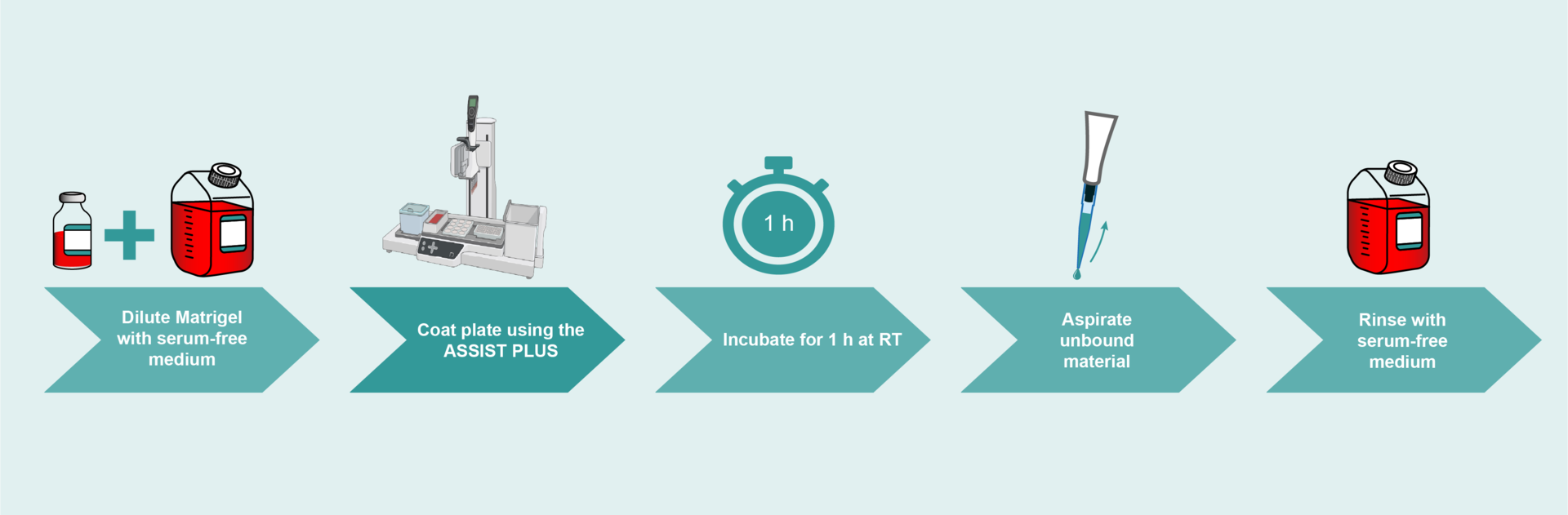
Once the last repeat dispense is finished and the tips are discarded, a message will appear prompting the user to carefully recover any remaining Matrigel in the source tubes using pre-cooled tips. Press Run, which will turn off the COLDPLATE and complete the VIALAB program. Incubate the plate at room temperature for 1 hour to allow the Matrigel to solidify.
Following incubation, aspirate the unbound liquid and gently rinse the wells with serum-free medium. The coated plates are now ready for cell culture use.
This application note focuses on the automated Matrigel dispensing for the thin coating protocol. Subsequent steps, such as biological or cell culture testing to assess the non-gelled layer, are not described here.
Tips:
- Gently swirl or tap the plate after dispensing to ensure that Matrigel coats each well's surface evenly.
- Coated plates can be stored at 2-8 °C with a layer of serum-free medium and sealed with parafilm.
Results
Handling Matrigel is challenging due to its high viscosity and temperature sensitivity, which can lead to inaccurate dispensing, the introduction of bubbles and overall time loss. To address these challenges, INTEGRA combines three tools – the ASSIST PLUS, the COLDPLATE and the VOYAGER pipette – to improve the efficiency of the Matrigel thin coating protocol.
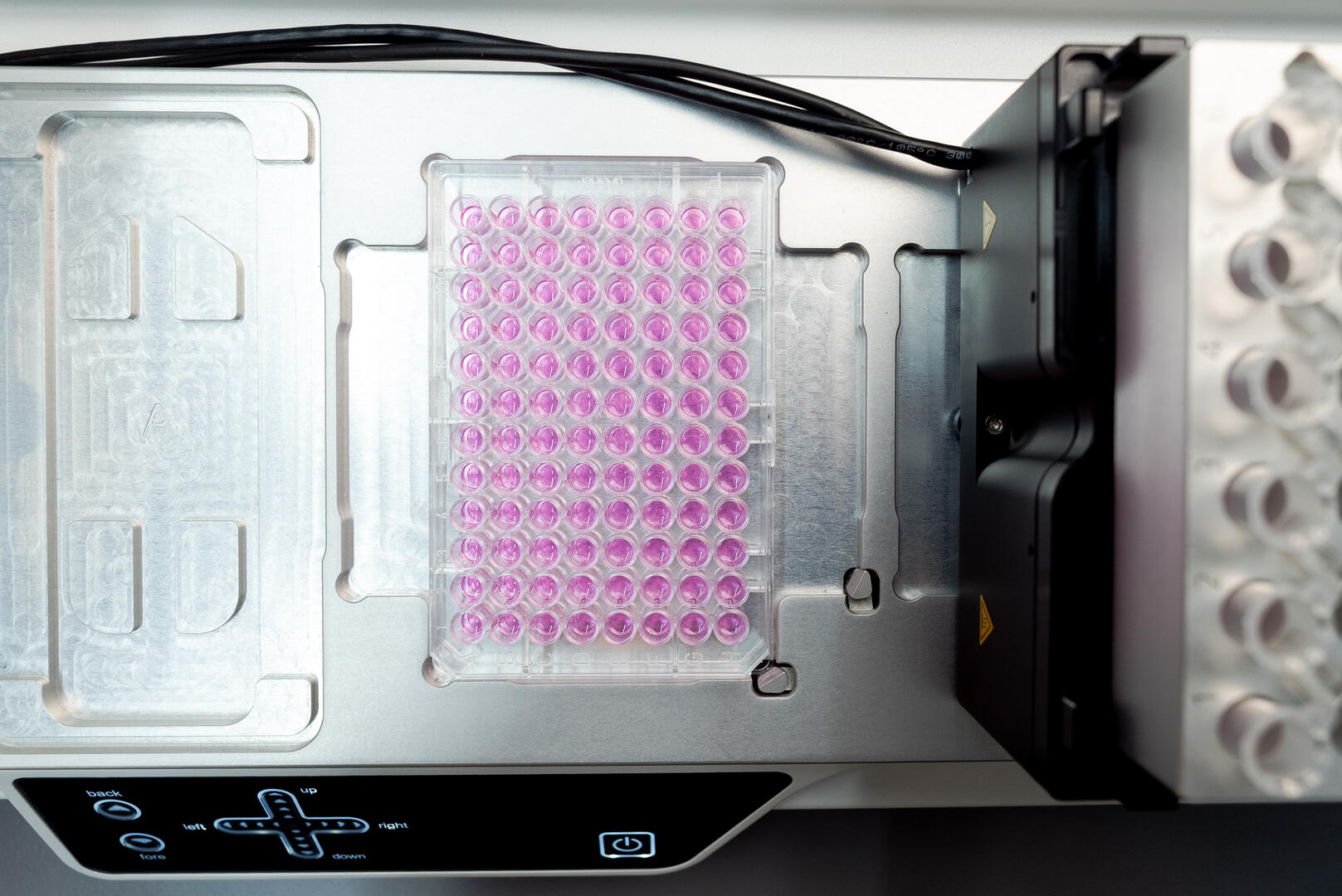
Corning Matrigel (11.8 mg/ml) was diluted in serum-free Gibco DMEM to a final protein concentration of 1 mg/ml. Corning does not specify the required volume for the thin coating protocol, so we manually evaluated several dispensing volumes, and found that 65 µl reliably covered the growth surface while minimizing reagent consumption, which is an important consideration given the high cost of Matrigel. Using the ASSIST PLUS as described above, no bubbles were observed during the dispensing process, and all wells were uniformly coated with Matrigel (Figure 4).
The fluorescence of riboflavin, a vitamin present in DMEM, was quantified to verify dispensing accuracy. The resulting RFU values were converted to microliters using a dedicated standard curve. The 65 µl dispense volume and low pipetting temperature required due to Matrigel’s unique physical properties fall outside of the calibration specifications of the VOYAGER pipette, and can lead to fluctuation during multi-dispense steps. As expected, the average dispensed volume was higher than the target 65 µl (Appendix), reflecting the observed tendency of the diluted Matrigel to slowly migrate out of the tips. This minor increase in dispensed volume does not compromise the reliability of the coating process.
Conclusion
Ask our expert. Leave a comment!
Write us if you have any questions regarding the application note or one of our instruments.
Any questions? I'm happy to help!
Instruments and accessories
ASSIST PLUS, Pipetting Robot
INTEGRA has developed the ASSIST PLUS pipetting robot to streamline routine pipetting tasks at an affordable price. Using INTEGRA electronic multichannel pipettes, the system:
- automates pipetting tasks,
- eliminates physical strain and
- ensures superior reproducibility and
- error free pipetting.
Part No. 4505
Downloads
Download App Note as PDF
DownloadAutomating the Corning Matrigel® thin coating protocol for cell culture applications
Customer’s voice
Manually spotting MALDI plates can be very time consuming and prone to error or contamination when done in large quantities. The Assist Plus cuts down the time from hours and possible errors to under 30 min without any risk of errors from manual pipetting. The Assist Plus is also super flexible which is important in my lab where I run many different types of protocols and need something affordable that is also highly flexible.
Related products
Applications
Show all-
End-to-end Twist library preparation protocol for NGS workflow automation
-
Optimizing DNA fragmentation and NGS library preparation with automated liquid handling
-
A simple and streamlined workflow for membrane protein isolation
-
Streamlining single-cell sequencing with the Flex Apex workflow using automated liquid handling solutions
Stories
Show all-
 · Company News
Streamlining CRISPR workflows, from editing to analysis
-
 · Customer Testimonial
Enhancing the consistency of ag-tech R&D processes with the ASSIST PLUS pipetting robot
-
 · Product News
Magnetic beads for NGS size selection and PCR purification
-
 · Product News
Magnetic beads represent a modern approach to gDNA isolation