-
Performing an endotoxin test (ENDOZYME® II GO) using a recombinant factor C (rFC) assay and an automated pipetting robot
Automated endotoxin test with ASSIST PLUS
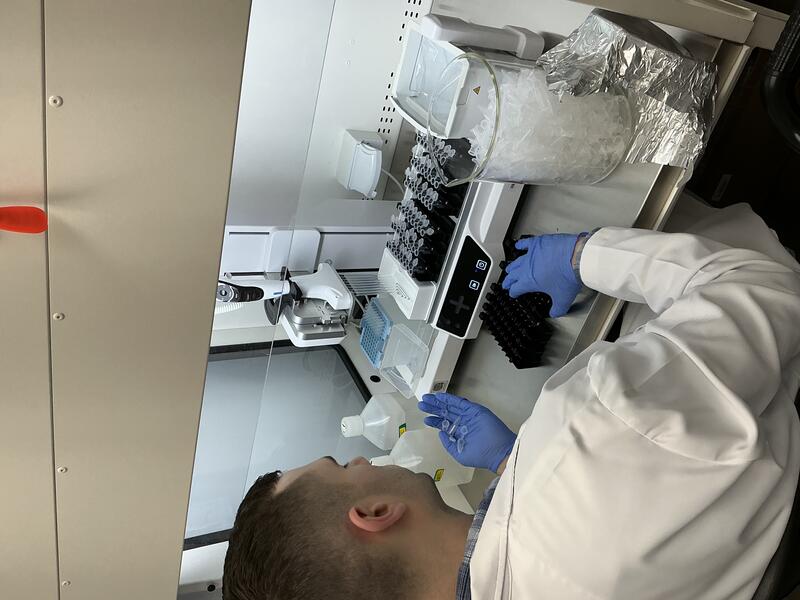
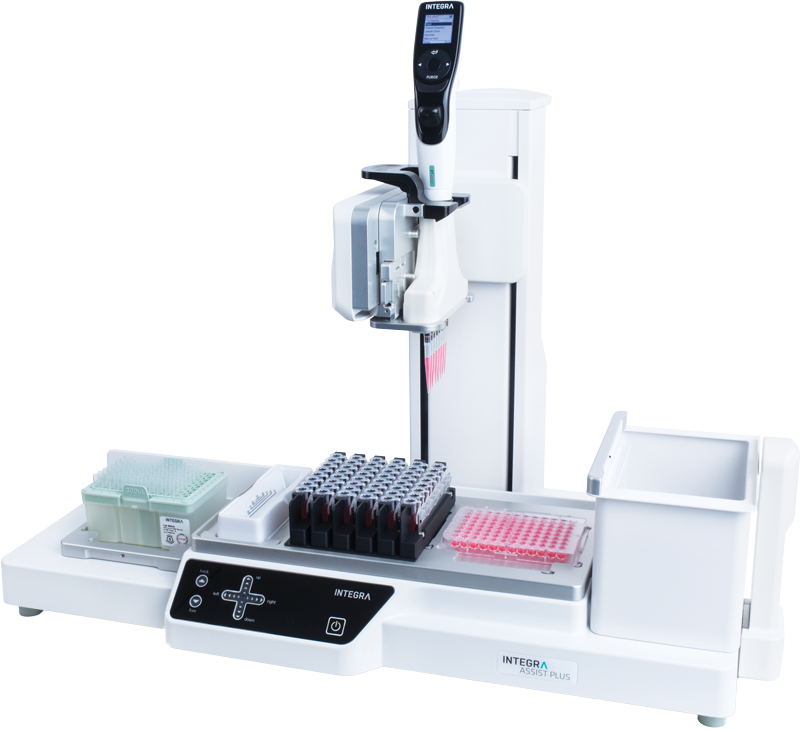
The ENDOZYME® II GO kit was developed by bioMérieux. It includes a novel 96 well microplate (GOPLATE™) pre-loaded with the required Control Standard Endotoxin (CSE) concentrations for a standard curve, as well as Positive Product Controls (PPC). The ASSIST PLUS pipetting robot provides a solution to minimize hands-on time and further optimize the assay workflow, without the need for dedicated personnel. Automation of the protocol with the ASSIST PLUS helps to prevent pipetting errors and ensures outstanding data reproducibility.
-
Table of contents
The ENDOZYME® II GO kit was developed by bioMérieux. It includes a novel 96 well microplate (GOPLATE™) pre-loaded with the required Control Standard Endotoxin (CSE) concentrations for a standard curve, as well as Positive Product Controls (PPC). The ASSIST PLUS pipetting robot provides a solution to minimize hands-on time and further optimize the assay workflow, without the need for dedicated personnel. Automation of the protocol with the ASSIST PLUS helps to prevent pipetting errors and ensures outstanding data reproducibility.
Key benefits
Overview: Performing an endotoxin test using a rFC assay
The ASSIST PLUS is used to perform an ENDOZYME II GO endotoxin test from bioMérieux, using a pipetting program generated by the VIALAB software.
Note: Prepare the assay reagent manually in advance by combining enzyme, substrate and assay buffer, according to the manufacturer’s protocol (ENDOZYME II GO, bioMérieux).
Downloads: Protocols for automated endotoxin testing with ASSIST PLUS
Here you can download the complete protocols and reports used in this application and use them on your ASSIST PLUS. The protocol can be customized with the VIALAB software.
Experimental set-up
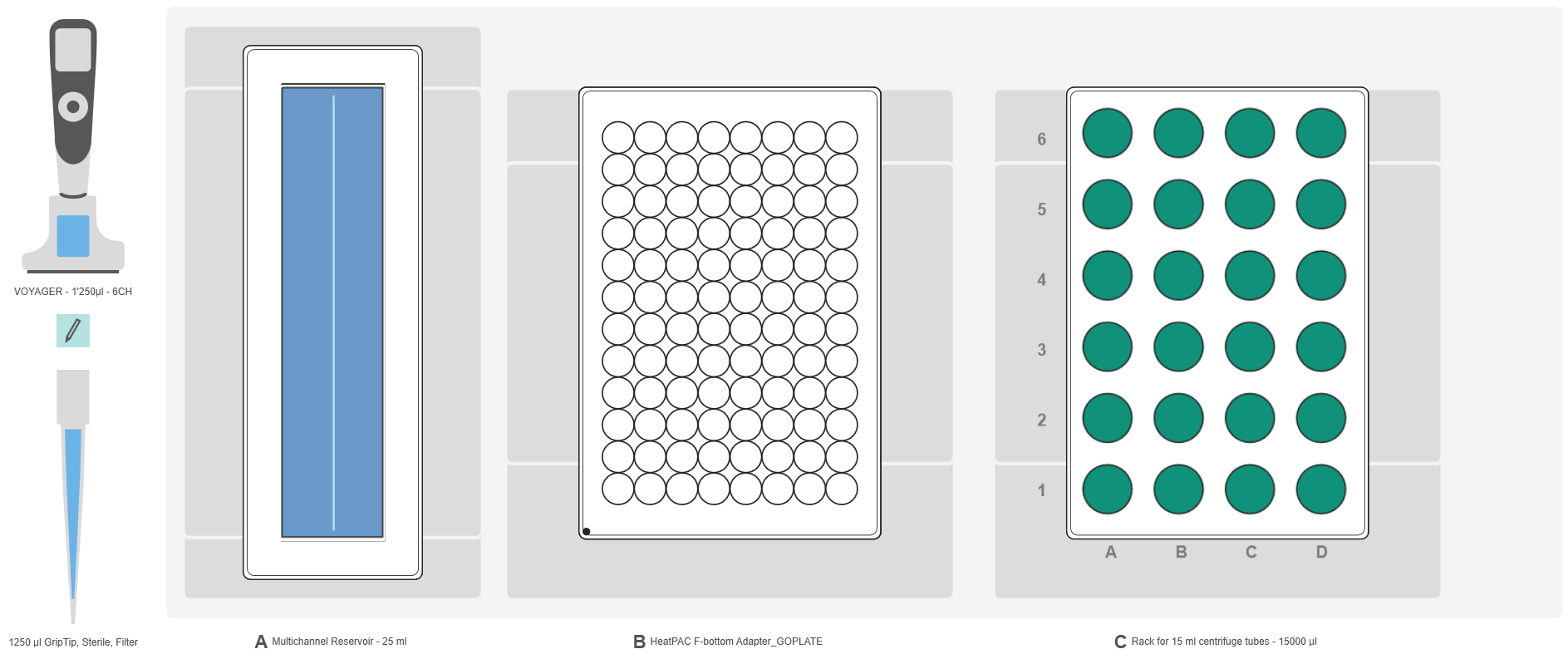
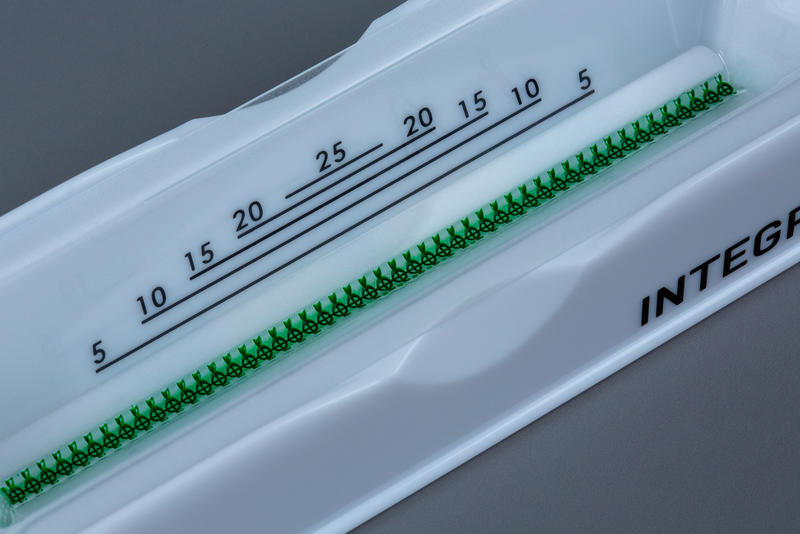
Deck position A: 25 ml multichannel reservoir – filled with 12 ml assay reagent (Figure 1, in blue).
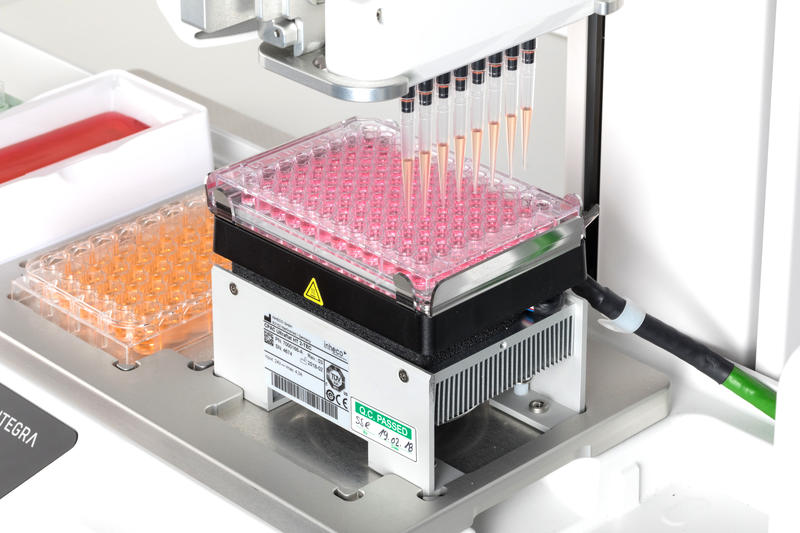
Deck position B: 96 well flat bottom (GOPLATE) placed on a microplate heater (HeatPAC, INHECO).
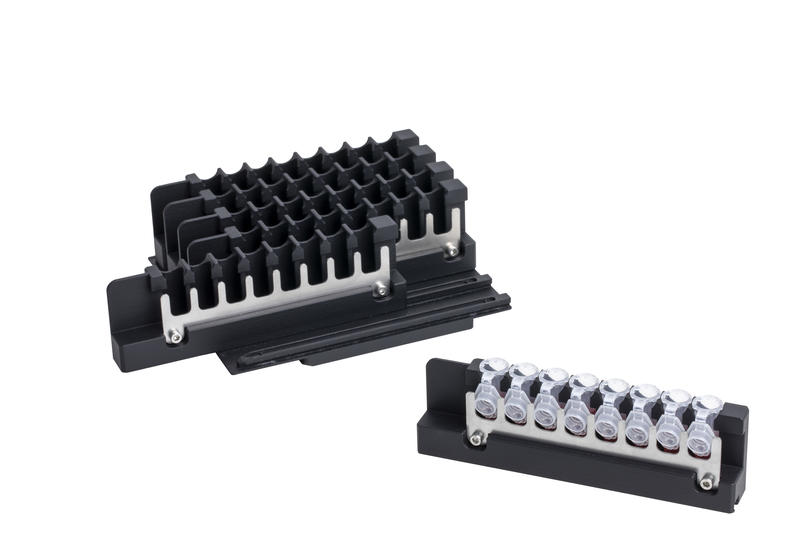
Deck position C: tube rack for 15 ml centrifuge tubes – with 5000 μl of sample (Figure 1, in green). Alternatively, a custom rack for ENDOGRADE® Glass Test Tubes can be used with 1000 μl of sample.
Step-by-step procedure
1. Add water and samples to the dedicated wells
Distribute samples into the 96 well GOPLATE.
Use the Repeat Dispense mode of the ASSIST PLUS to equally distribute samples from the tube rack (position C) into the dedicated wells of the GOPLATE (position B).
Tip: Insert a pre- and post-dispense step to improve accuracy and precision while pipetting. The recommended pre- and post-dispense volume is 3-5 % of the nominal volume of the pipette. Insert an air gap to eliminate any risk of contamination. Perform a tip touch to the wall of the well to remove droplets that may cling to the end of the pipette tips. The pipetting height is set to 65 mm so that the tip does not touch the solution.
2. Heat the GOPLATE containing the samples
Incubate your samples on the microplate heater (INHECO).
Start the incubation of the plate on the INHECO microplate heater at the appropriate temperature and incubate the plate for five minutes (ENDOZYME II GO, bioMérieux). If there is no microplate heater available on the deck, the plate can be manually removed and incubated on an external microplate heater or in the microplate fluorescence reader.
3. Add the assay reagent
Add the assay reagent to the dedicated wells of the 96 well GOPLATE.
Use the Repeat Dispense mode to transfer assay reagent from position A into the GOPLATE (position B).
Tip: Adjusting the pipette settings (tip travel, tip touch and pipetting height) increases the precision and accuracy of pipetting. The tip touch automatically touches the tip to the side of the well after each dispense to remove droplets clinging to the tip end. In this protocol, the tip touch of the samples and assay reagent is set to the opposite well sides to avoid the risk of cross-contamination between samples.
4. Run the assay in a fluorescence reader
Determine the endotoxin content with a microplate fluorescence reader.
After adding the assay reagent, place the GOPLATE immediately in a fluorescence microplate reader and start your readings according to the manufacturer’s protocol ENDOZYME II GO, bioMérieux).
Conclusion
Ask our expert. Leave a comment!
Write us if you have any questions regarding the application note or one of our instruments.
有疑问?很高兴为您提供帮助!
Used instruments and accessories
ASSIST PLUS, Pipetting Robot
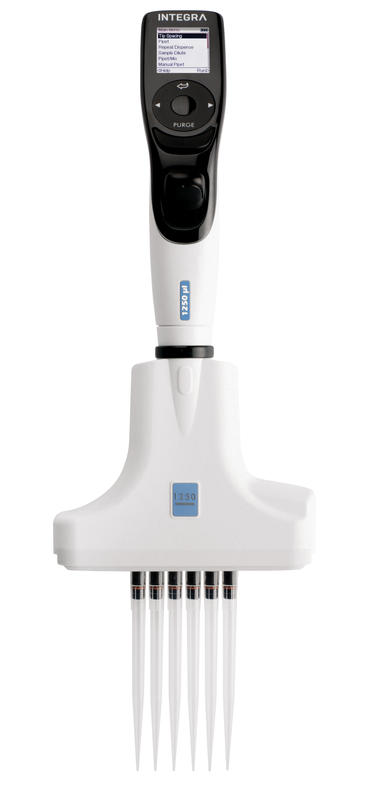
INTEGRA has developed the ASSIST PLUS pipetting robot to streamline routine pipetting tasks at an affordable price. Using INTEGRA electronic multichannel pipettes, the system:
- automates pipetting tasks,
- eliminates physical strain and
- ensures superior reproducibility and
- error free pipetting.
Part No. 4505
Customer’s voice
We have an Assist Plus to prepare samples for enzymatic assays and protein-ligand interaction studies. It's perfect for making dilution series of small molecule compunds to be assayed, and to add reaction components and enzymes before screening using various methods such as fluorescence, absorbance or microscale themophoresis.


应用
显示所有-
End-to-end Twist library preparation protocol for NGS workflow automation
-
A simple and streamlined workflow for membrane protein isolation
-
Streamlining single-cell sequencing with the Flex Apex workflow using automated liquid handling solutions
-
Optimizing DNA fragmentation and NGS library preparation with automated liquid handling