


-
Automated Minimum Inhibitory Concentration Testing
Rapid and accurate determination of MIC by automation of serial dilution steps on the ASSIST PLUS
Antibiotic resistance is a major threat to public health worldwide. One of the causes of antibiotic resistance is the overuse and misuse of antibiotics in healthcare and agriculture. One of the most important approaches used to define the effectiveness of an antimicrobial compound is to determine the minimum inhibitory concentration (MIC). Serial dilution of a compound is performed by mixing it with liquid growth medium, followed by the addition of a bacterium. Bacterial growth is then measured in the presence of different compound concentrations. The MIC is defined as the lowest concentration of an antimicrobial compound that inhibits the growth of the bacterium. Automating the transfer and mixing steps with the ASSIST PLUS pipetting robot enables serial dilutions to be performed faster and more reproducibly. Pipetting heights, speeds and mixing parameters are consistent across all dilutions, and the potential ergonomic hazards of manual pipetting are avoided.
-
Table of contents
Antibiotic resistance is a major threat to public health worldwide. One of the causes of antibiotic resistance is the overuse and misuse of antibiotics in healthcare and agriculture. One of the most important approaches used to define the effectiveness of an antimicrobial compound is to determine the minimum inhibitory concentration (MIC). Serial dilution of a compound is performed by mixing it with liquid growth medium, followed by the addition of a bacterium. Bacterial growth is then measured in the presence of different compound concentrations. The MIC is defined as the lowest concentration of an antimicrobial compound that inhibits the growth of the bacterium. Automating the transfer and mixing steps with the ASSIST PLUS pipetting robot enables serial dilutions to be performed faster and more reproducibly. Pipetting heights, speeds and mixing parameters are consistent across all dilutions, and the potential ergonomic hazards of manual pipetting are avoided.
Key benefits
Overview: How to automate MIC testing
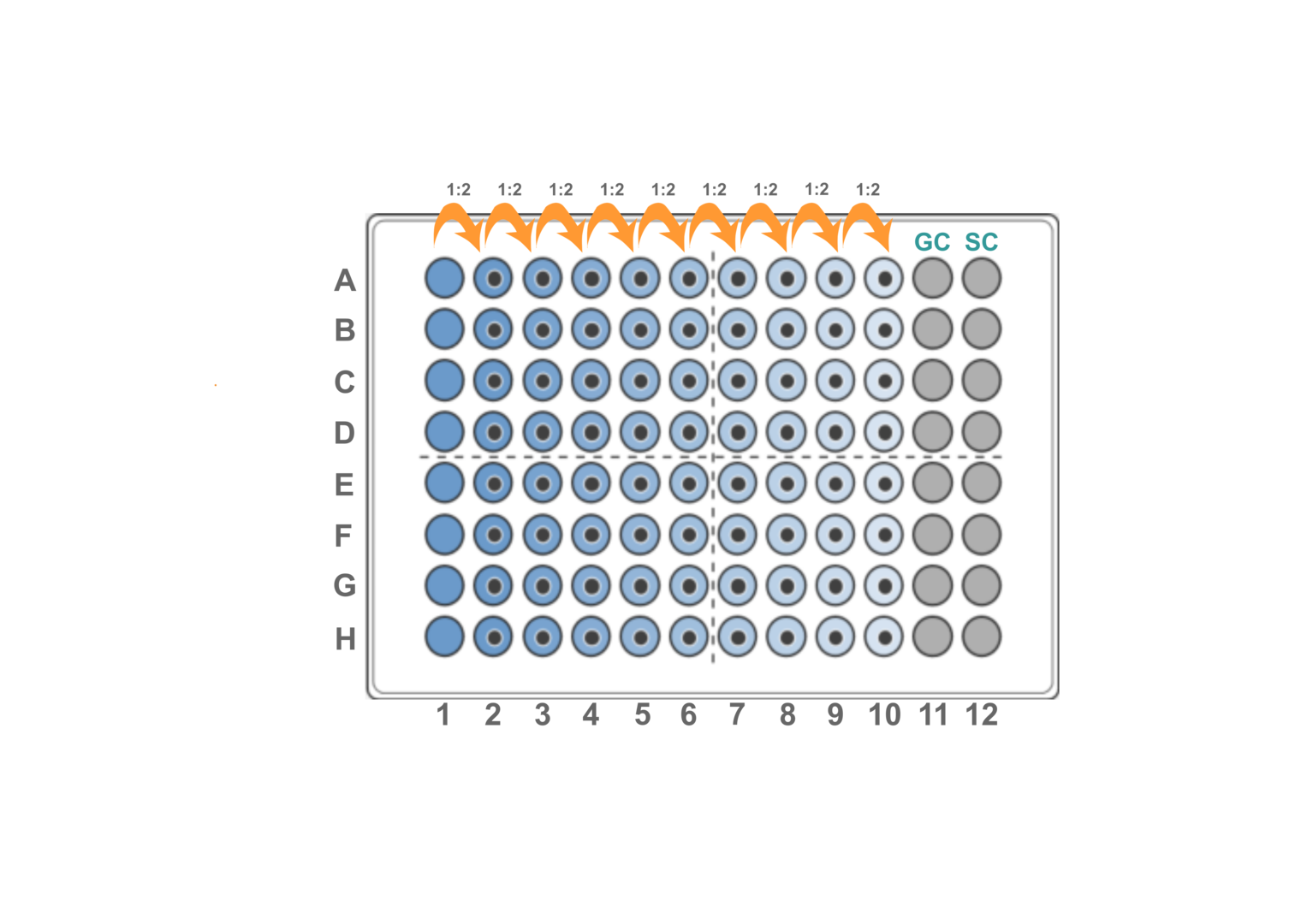
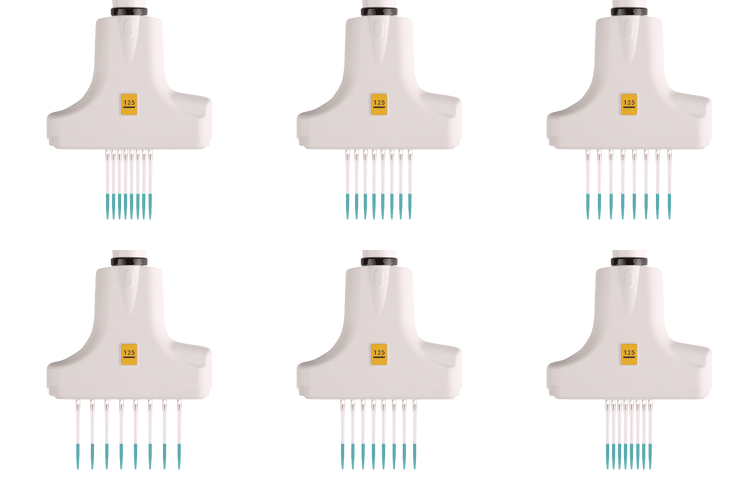
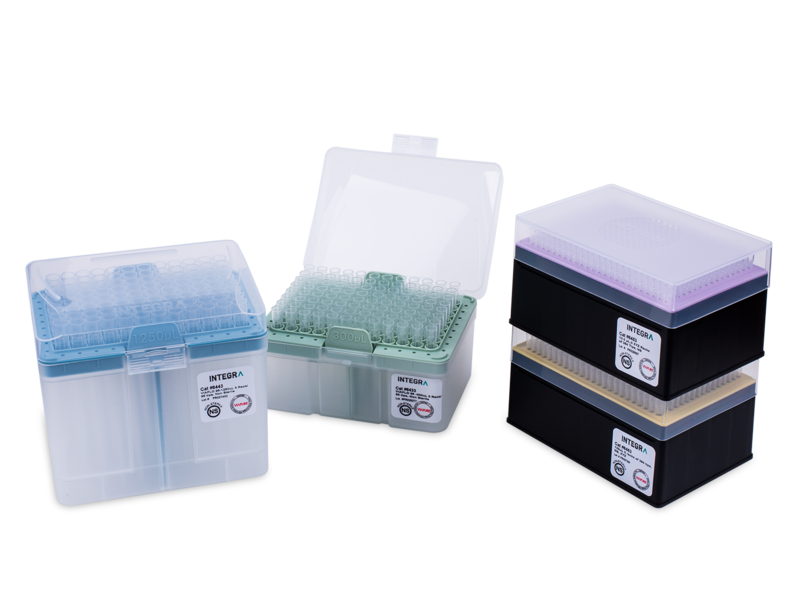
The ASSIST PLUS pipetting robot and an 8 channel VOYAGER 125 μl adjustable tip spacing electronic pipette with 125 μl Sterile, Filter GRIPTIPS® can be used for the automated determination of MICs. In this microbroth dilution assay, eight different antibiotics were tested across a range of 10x twofold dilutions (doubling dilutions) with one bacterial strain in a single 96 well plate (Figure 1). Growth controls (growth media and bacterial inoculum) and sterility controls (growth media only) were also included. The pipetting program was generated using the VIALAB software.
Before starting the MIC test, the antimicrobial compound should be dissolved and diluted to the appropriate starting concentration. The bacterial inoculum should derive from morphologically similar colonies cultured overnight, and have a concentration of 5x10⁵ CFU (colony forming units)/ml.
Downloads: App note, protocols and reports for automated MIC testing with the ASSIST PLUS
Here you can download the complete protocols and reports used in this application and use them on your ASSIST PLUS. The protocol can be customized with the VIALAB software.
Experimental set-up: Automated MIC assay
|
Deck position A: |
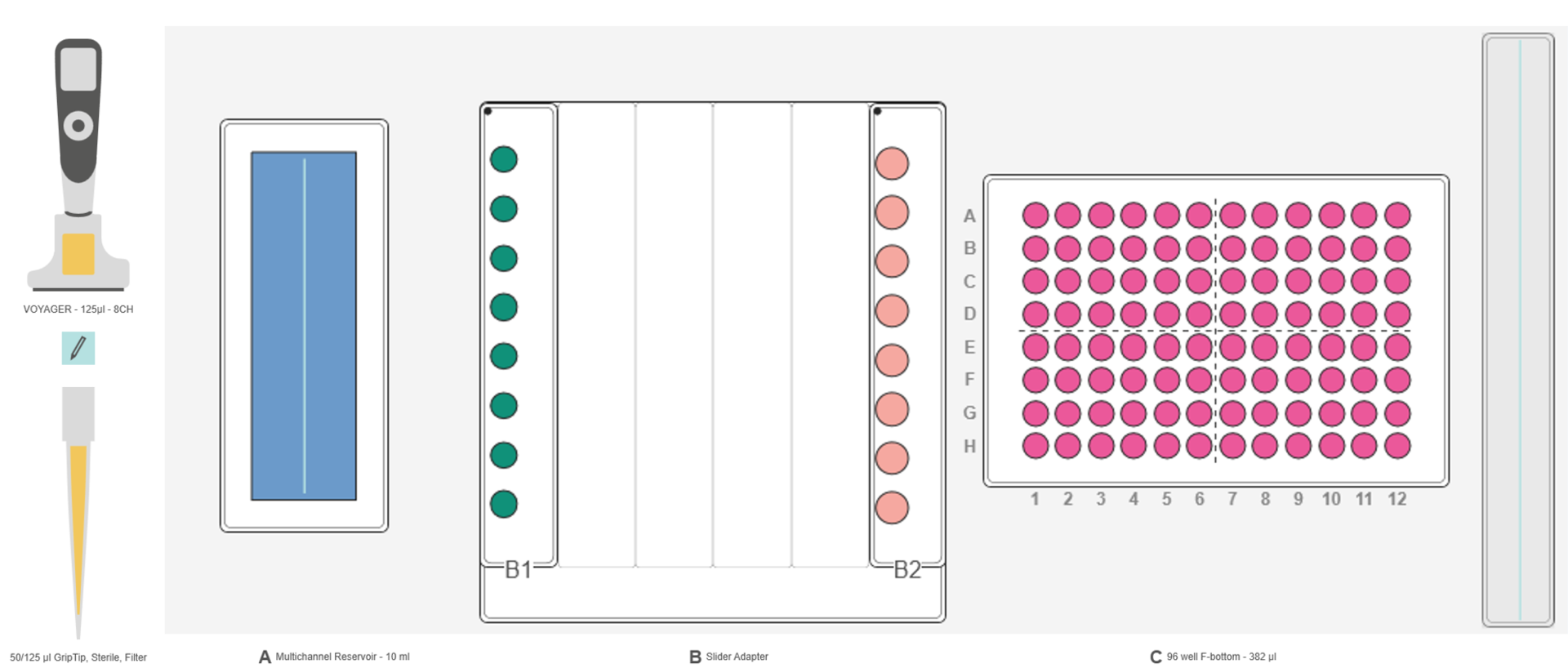
10 ml multichannel reagent reservoir with SureFlo™ anti-sealing array. |
|
Deck position B: |
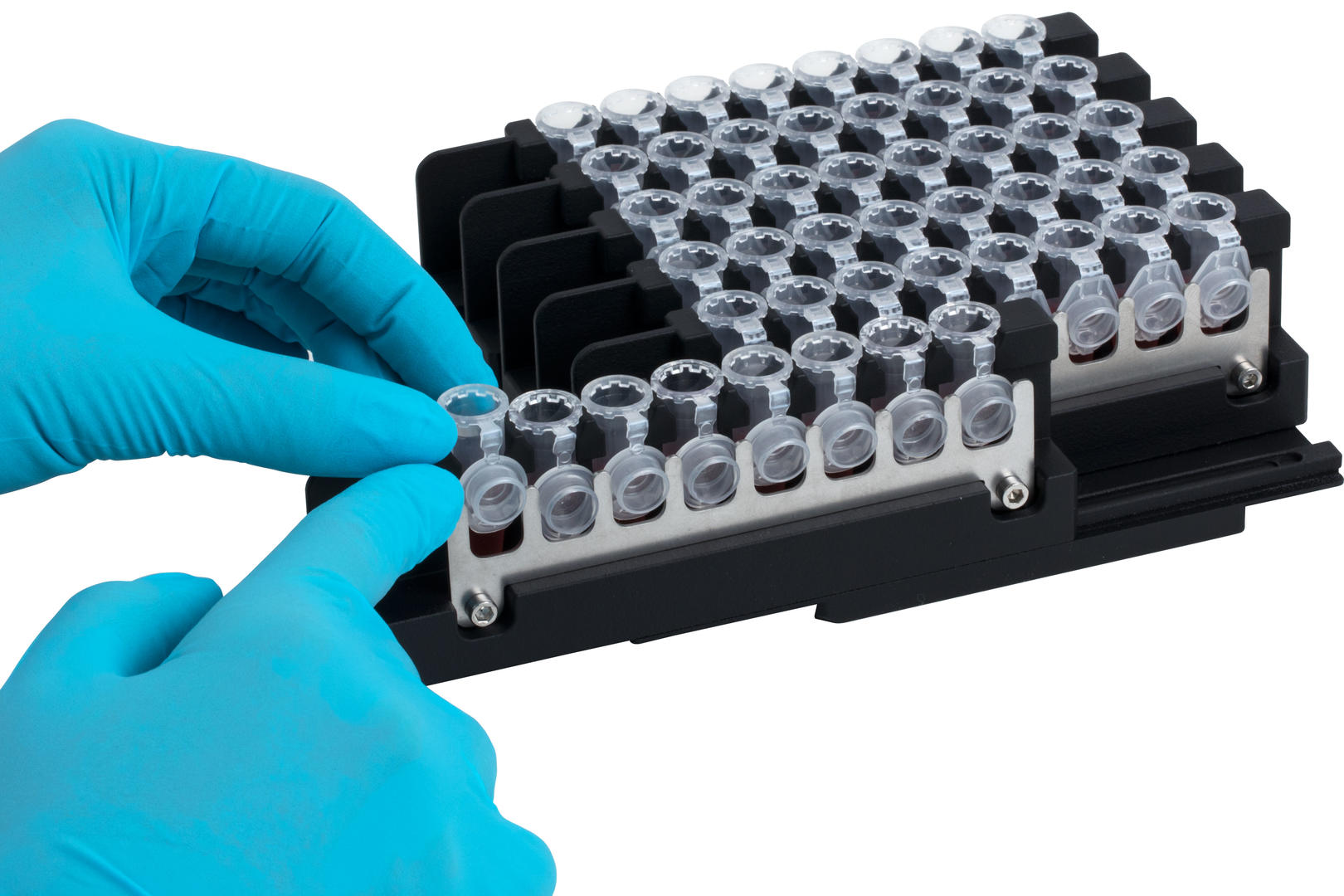
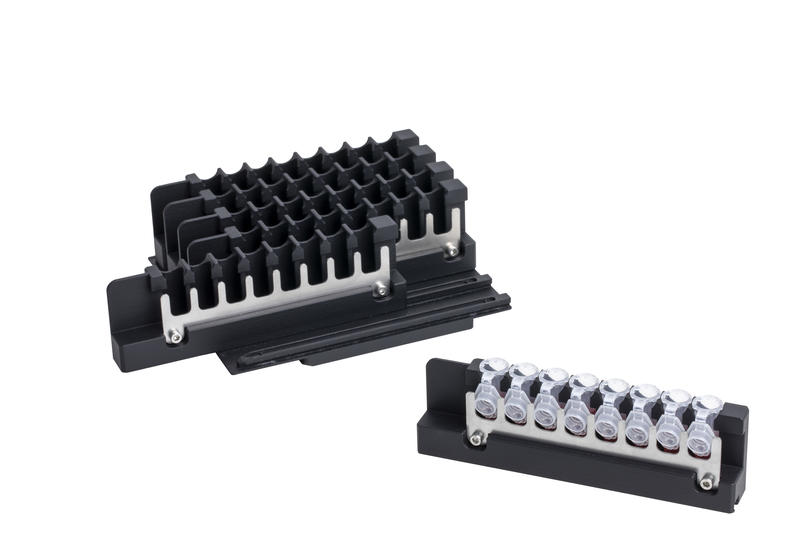
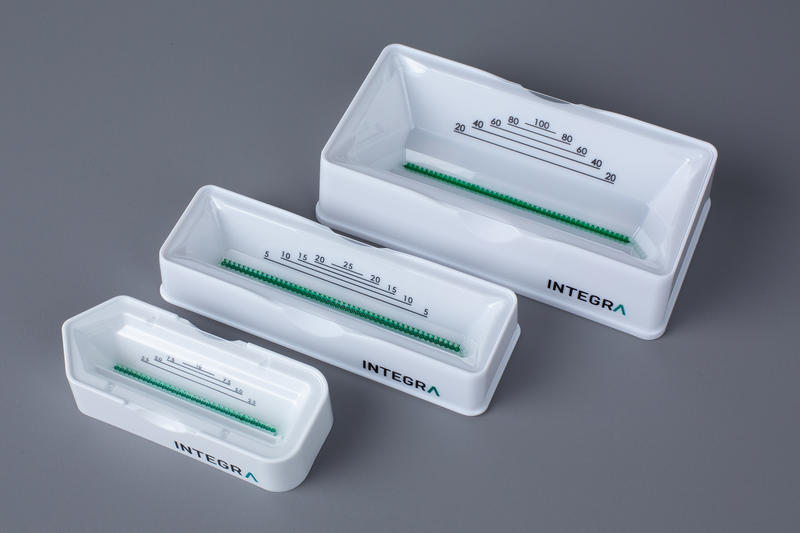
INTEGRA rack for 1.5/2 ml microcentrifuge tubes (Figure 2) with two sliders. |
| Deck position C: |
96 well, flat bottom plate (Greiner Bio-One International). |
Step-by-step procedure
1. Add the medium
Addition of bacterial growth medium to the sample, sterility, and growth control wells
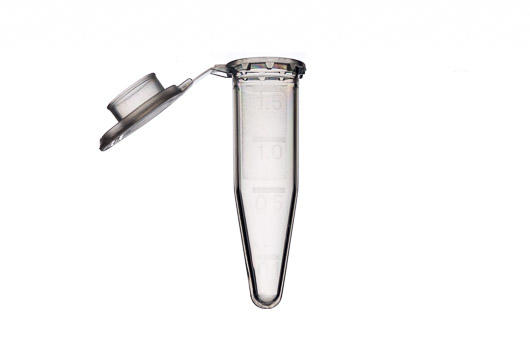
Fill a 10 ml multichannel reservoir with 8 ml of fresh bacterial growth medium and load it on deck position A. Place the INTEGRA rack on deck position B. Fill the 0.5 ml screw cap tubes with eight different antimicrobial compounds to be tested against the bacterial strain (Figure 3, green). Fill the 1.5 ml reaction tubes with the bacterial inoculum (Figure 3, light pink). Place the 96 well flat bottom plate on deck position C (Figure 3, magenta).
Select and run the VIALAB program 'MIC_Assay' on the VOYAGER pipette. The pipette transfers 50 μl bacterial growth medium to columns 2 to 11 of the microplate. The 5 μl post-dispense ensures precise pipetting, even if the growth medium tends to form bubbles during pipetting. In the next step, the pipette transfers 100 μl of bacterial growth medium to column 12 of the microplate. The wells in this column will be the sterility controls, containing only bacterial growth medium.
This step uses a single set of sterile filter tips, as it only involves transfer of sterile medium to an empty, sterile plate.
Tip:
- The workflow parameters can be easily modified in VIALAB software. If the samples and reagents are in a different labware format, this can be set up quickly.
2. Serial dilution
Twofold serial dilution of the antimicrobial compound
The pipette transfers 100 μl of the antimicrobial compounds to the wells of column 1, then performs a twofold serial dilution (Figure 1), starting from column 1 (highest concentration) and finishing at column 10 (lowest concentration = 1:512). The pipette aspirates a 50 μl volume from the wells of one column, then dispenses it into the wells of the next column. Fully mixing the components is crucial in serial dilution, so the program includes an optimized mixing step with three mixing cycles before aspirating and after dispensing. The last aspirate stays in the tip, and is subsequently discarded to waste with the tip. This ensures that there is an equal volume in every well of the serial dilution.
Tips:
- The mixing volume (100 μl) in the serial dilution is set higher than the transfer volume (50 μl), resulting in a homogeneous mix without increasing the assay time significantly.
- Productivity can be significantly increased by using the VOYAGER adjustable tip spacing pipette when transferring compounds from tubes to the MIC assay plate.
3. Add the bacterium
Addition of the bacterial inoculum
In this step, the ASSIST PLUS pipetting robot transfers 50 μl of bacterial inoculum to the wells of columns 1 to 11. When determining the MIC, it is very important that the concentration of the bacterial inoculum is the same in every well, to ensure consistent and reproducible results. An identical inoculum concentration is ensured through the implementation of mixing steps before every aspiration and after every dispense.
Tip:
- Using disposable sterile filter tips allows contamination-free processing.
4. Incubation and plate reading
Incubation for bacterial growth and results read-out
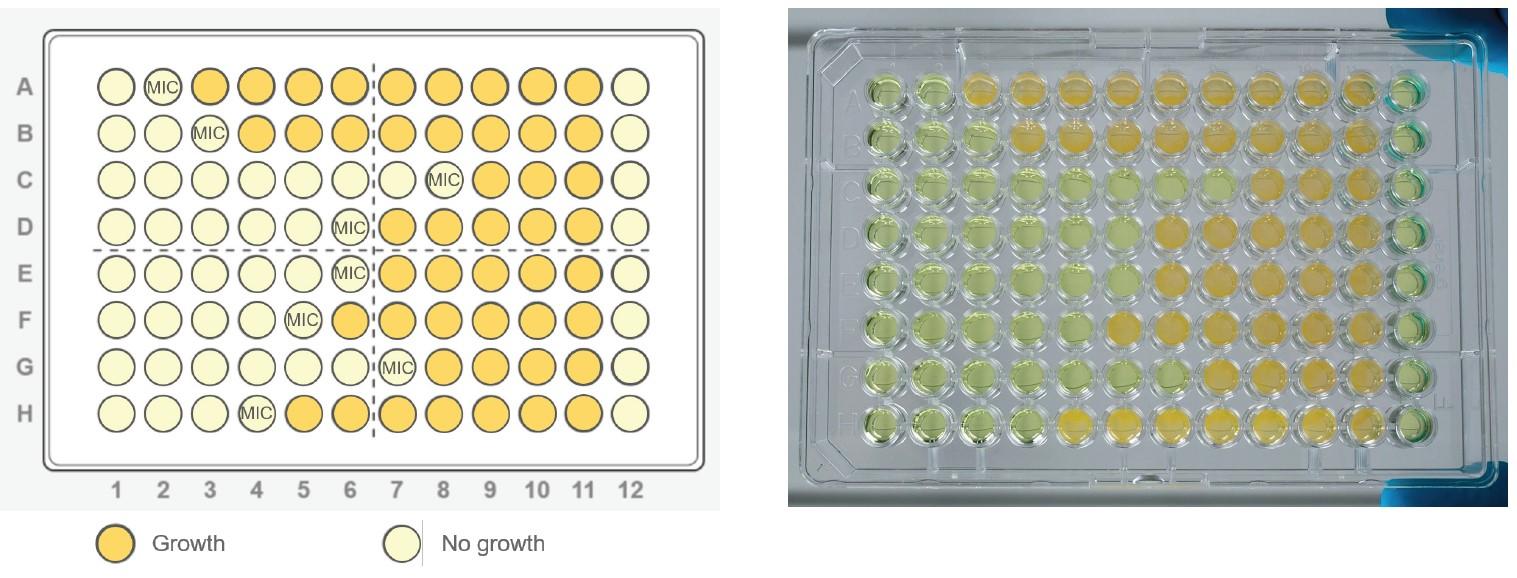
The ASSIST PLUS pipetting robot informs the user to incubate the 96 well plate, then prompts them to read the results with a microplate reader. The optical density is measured and corrected using the blank wells of the sterility control, and the bacterial growth is determined. For each compound, the lowest concentration without bacterial growth is defined as the MIC (Figure 4).
Remarks
VIALAB software:
The VIALAB programs can be easily adapted to your specific labware and protocols, for instance, when partial plates are needed.
Partial plates:
Programs can be adapted at any time to a different number of samples, giving laboratories total flexibility to meet current and future demands.
Conclusion
Ask our expert. Leave a comment!
Write us if you have any questions regarding the application note or one of our instruments.
Any questions? I'm happy to help!
Instruments and accessories
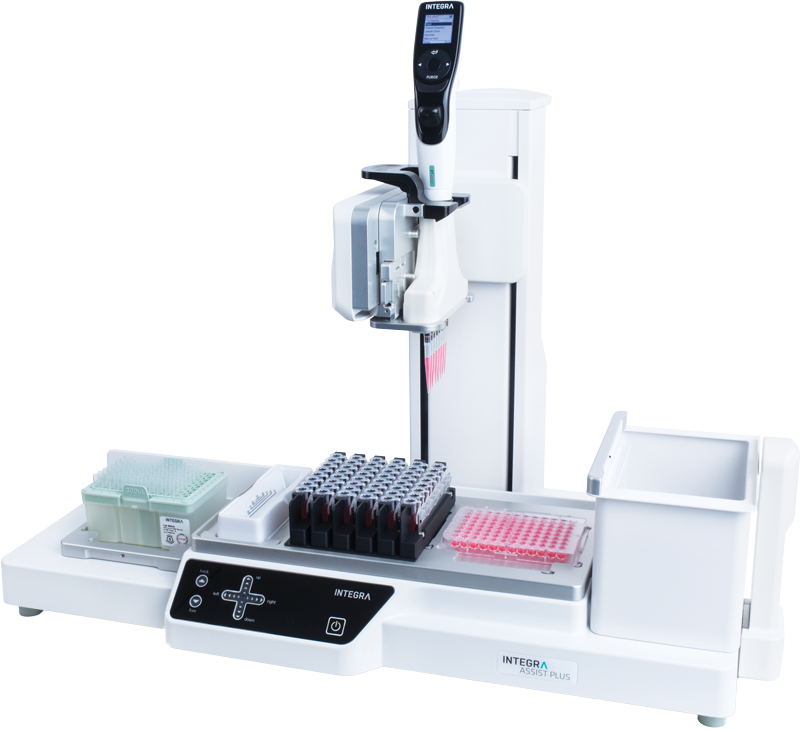
ASSIST PLUS, Pipetting Robot
INTEGRA has developed the ASSIST PLUS pipetting robot to streamline routine pipetting tasks at an affordable price. Using INTEGRA electronic multichannel pipettes, the system:
- automates pipetting tasks,
- eliminates physical strain and
- ensures superior reproducibility and
- error free pipetting.
Part No. 4505
Customer’s voice
I am incredibly impressed with the hardware, software, and support of this device. The Assist Plus made pipetting large numbers (hundreds to thousands) of small volume reference standards a much easier process, both in terms of ensuring precise volumes every time and in terms of strain on my back/hands! Swapping consumables and vials was all I had to do once the program started. The ViaLab software used to program the Assist Plus was easy to understand and use, requiring no programming knowledge. It was also highly customizable to meet specific needs and use specific consumables. Prior to use, a technician from Integra stopped by to ensure the machine was calibrated properly after installation, and also answered several questions we had about operation. Great support/service. (Review published on Select Science)
Related products


Applications
Show all-
End-to-end Twist library preparation protocol for NGS workflow automation
-
A simple and streamlined workflow for membrane protein isolation
-
Streamlining single-cell sequencing with the Flex Apex workflow using automated liquid handling solutions
-
Optimizing DNA fragmentation and NGS library preparation with automated liquid handling
Stories
Show all-
 · Company News
Streamlining CRISPR workflows, from editing to analysis
-
 · Customer Testimonial
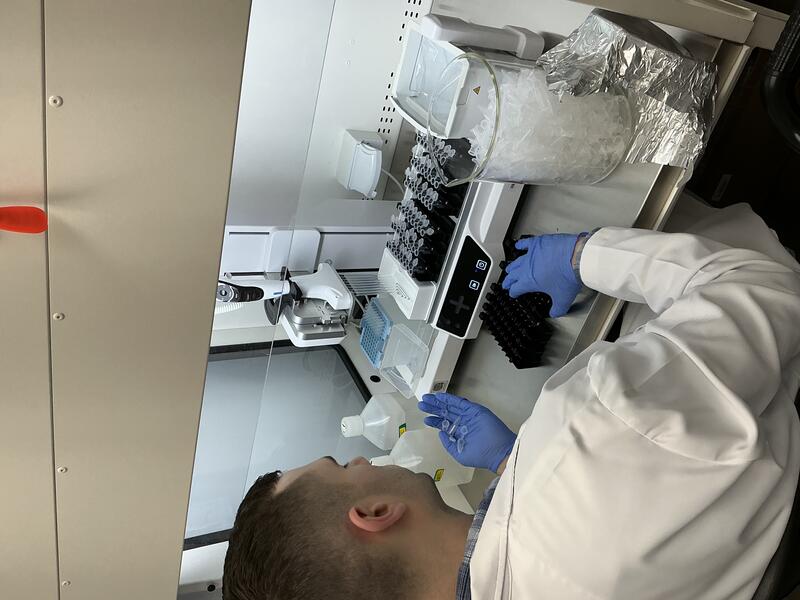
Enhancing the consistency of ag-tech R&D processes with the ASSIST PLUS pipetting robot
-
 · Product News
Magnetic beads represent a modern approach to gDNA isolation
-
 · Product News
Magnetic beads for NGS size selection and PCR purification