


Take the pain out of PCR – strategies for straightforward set-up
What you need to know about PCR
PCR is used across molecular biology, diagnostics and sequencing workflows. The technique came to prominence during the COVID-19 pandemic, when reverse transcription PCR (RT-PCR) was used to detect SARS-CoV-2 RNA. The precise PCR workflow depends on the type of starting material and the information required from the assay, but begins by creating the master mix. This involves calculating the volume of each reagent needed to achieve the correct final concentration in every reaction. PCR-grade water, deoxynucleotide triphosphates (dNTPs), forward and reverse primers, DNA polymerase, buffer and magnesium chloride are then pipetted into a single tube and mixed thoroughly. For quantitative real-time polymerase chain reaction (qPCR) workflows, an intercalating dye or fluorescent probe is also included, so that amplification can be monitored as it occurs. This master mix is then aliquoted into PCR tubes, strips or plates, and individual DNA or cDNA templates are added. This is because it is easier to dispense the low volume sample into a liquid rather than an empty tube, reducing the risk of aerosolizing and cross-contamination.
The prepared reactions are subsequently placed into a thermal cycler. Standard PCR typically consists of 25 to 40 cycles, with the amount of target DNA theoretically doubling during each cycle to generate millions, or even billions, of copies. Each cycle begins with denaturation, which separates the double-stranded DNA, before the temperature is lowered to allow the primers to anneal to corresponding sequences flanking the target region. During extension, DNA polymerase creates complementary copies of the target sequence.
The final stage of the process depends on the type of PCR performed; in end-point PCR, amplified products are analyzed after thermal cycling, typically using gel electrophoresis, spectrophotometry or fluorometry. In qPCR, the fluorescent signal is measured throughout thermal cycling. Fluorescence generally increases in proportion to the quantity of PCR product, allowing the instrument to calculate a cycle threshold value and monitor amplification in real time. The amplified DNA may then undergo purification to remove unused primers, nucleotides, enzymes, salts and other contaminants before sequencing or further analysis.
Workflow bottlenecks (and how to overcome them)
PCR is a relatively common and straightforward technique, but it still brings with it a range of inconvenient hurdles.
Master mix preparation
Master mix calculations must account for stock and final concentrations, reaction volumes and sample numbers, and even minor errors can affect the assay. Interruptions during master mix preparation can cause researchers to lose track of which components have been added. This can lead to incorrect reagent volumes or concentrations, which may prevent amplification in samples or positive controls. Manually pipetting viscous or sticky liquids can also be a challenge, as residual material may be retained in pipette tips or on labware, highlighting the importance of using low retention tips for viscous or low surface tension reagents.
Another issue with lengthy pipetting workflows is that valuable reagents can be lost through evaporation, or temperature-sensitive reagents may lose potency. It is therefore recommended that PCR reagents and samples are kept cool throughout set-up, adding a further complication to manual liquid handling. Components should also be added in a consistent order using a clear tracking system, beginning with the least expensive reagents to minimize waste if an early mistake occurs. It is also recommended that a single batch of master mix is prepared for the entire PCR run, including one additional aliquot to compensate for losses. This helps to ensure that every reaction receives the same reagent composition, reducing experimental variability. It also allows larger reagent volumes of each reagent to be pipetted – which generally improves accuracy – and reduces the total number of transfers, makes the workflow less tiring and error prone.
Repetitive liquid transfers
Dispensing the master mix into reaction vessels is one of the most repetitive stages of PCR. Filling tubes, strips or plates individually with a manual single channel pipette is slow and creates opportunities to skip or duplicate reactions. Sample addition also requires precise aspiration and dispensing of small volumes, while reformatting samples and reagents between labware increases the risk of positioning errors. Together with repeated tip loading and ejection, this makes setting up a PCR plate both physically and mentally demanding, and may increase the likelihood of errors and contamination.
Multichannel manual devices such as EVOLVE lightweight ergonomic pipettes can be used to fill several wells simultaneously while providing familiar, intuitive control. They are particularly useful for larger runs, where sufficient master mix is available for use with low dead volume reagent reservoirs, which minimize waste. Alternatively, electronic pipettes provide greater speed and reproducibility for repetitive transfers. VIAFLO electronic pipettes offer repeat dispensing and other programmable modes, allowing multiple consistent aliquots to be delivered from a single aspiration. For even greater flexibility, VOYAGER adjustable tip spacing pipettes can automatically alter tip spacing between channels, allowing easy transfers and reformatting between tubes, racks and plates while minimizing positioning errors.
For medium to high throughput workflows, the MINI 96, VIAFLO 96 and VIAFLO 384 can transfer partial or whole plates in parallel, improving productivity and reproducibility while reducing manual handling. The ASSIST PLUS pipetting robot, mounted with a VIAFLO, VOYAGER or D-ONE single channel pipetting module can completely automate master mix preparation and distribution – as well as sample transfers – helping to control contamination and reduce manual inputs.
Preventing contamination
Contamination is a significant concern during PCR set-up, as minute quantities of genetic material entering the reaction from the laboratory environment – or even sample DNA or amplified product from other wells – can lead to erroneous results. To help prevent this, PCR reactions should be prepared in a decontaminated laminar flow hood or biosafety cabinet using sterile filter pipette tips. Master mix preparation, sample preparation, amplification and product analysis should all be spatially separated wherever possible, with dedicated pipettes assigned to each task. A unidirectional workflow should be maintained, and equipment must not be returned from post-PCR areas to pre-PCR areas without thorough decontamination. Stock reagents should also be divided into smaller aliquots to prevent the entire supply from being lost if one aliquot becomes contaminated.
A single tip, or set of tips, can generally be used to distribute the master mix if appropriate contamination controls are followed, reducing tip consumption without risking the transfer of material between samples. A fresh tip must then be used for each sample to prevent cross-contamination. Positive and negative controls should also be included in every run to identify amplification failures or contamination at an early stage. Our guide to setting up a PCR lab provides further information on laboratory organization and contamination control.
Simplifying PCR preparation
Time is frequently of the essence in the lab and, with PCR, the main time savings come from removing the need for repeated aspirations and pipette changes. For low to moderate throughput PCR, researchers often want to combine the control of a manual single channel pipette – for master mix preparation and template addition – with repeat dispensing for efficient aliquoting. The SWITCH hybrid pipette combines both functions in one hybrid pipette, allowing users to swap between manual operation and electronic repeat dispensing without changing instruments. A quick set ring allows one-handed volume adjustments, and repeat dispensing requires only 3 settings, avoiding complex programming.
Speed and efficiency
The SWITCH allows users to prepare a master mix manually, move to repeat dispense mode to distribute it across PCR tubes, strips or plates, then return to manual mode to add individual DNA or cDNA templates. Dispensing multiple aliquots from a single aspiration lowers the total number of repetitive pipetting steps and reduces the variability associated with repetitive manual pipetting.
The SWITCH uses GRIPTIPS® pipette tips, which are available in sterile, filtered options certified to be free from RNase, DNase and PCR inhibitors. Using filtered tips helps to prevent aerosols from entering the pipette – reducing the risk of cross-contamination – and using low retention and wide bore tips can improve the recovery of valuable master mixes and samples, as well as increase pipetting accuracy when handling difficult liquids.
Enhanced ergonomics
Reducing the number of manual pipetting movements needed during PCR set-up not only increases throughput, but also mitigates the risk of repetitive strain injuries in the long term. The SWITCH only requires a low plunger force and maintains a consistent height across volume settings – limiting excessive thumb stretching. It even has lower plunger height in repeat dispense mode, helping the thumb to remain closer to a neutral position. These features together make the SWITCH a more comfortable and ergonomic choice for lower throughput PCR workflows.
Streamlining PCR purification
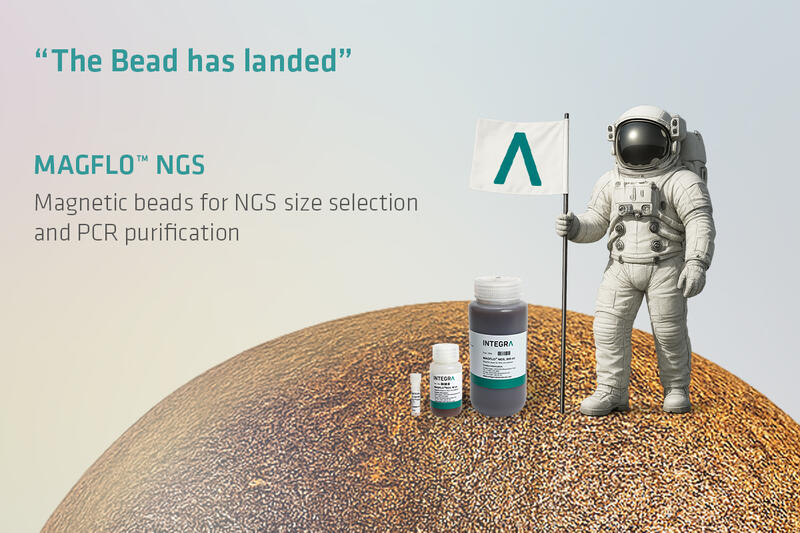
PCR products may contain unused primers, nucleotides, polymerase, salts and non-specific amplification products that interfere with downstream applications. Common purification approaches include spin columns and magnetic beads, such as MAGFLO™ NGS magnetic beads for NGS size selection and PCR purification. MAGFLO beads efficiently remove residual primers, nucleotides, enzymes and salts before downstream analysis for greater consistency. They typically recover at least 85 % of nucleic acids, and can be used in either manual or automated workflows with up to 384 samples. The beads integrate with MAG and HEATMAG modules for magnetic bead purification, which perform automated vertical magnetic separation. This ensures fast bead collection with minimal loss and carryover, and beads are collected in one location rather than forming a ring-shaped pellet. This makes it easier to aspirate the supernatant without disturbing the beads, and removes the need to carry plates between the pipetting position and a separate magnetic stand. MAG and HEATMAG can be used with the VIAFLO 96 or 384 for high throughput purification, or automated on the ASSIST PLUS, providing full walk-away magnetic bead purification without the need for costly grippers and robotic arms.
End-to-end optimization
PCR set-up is deceptively demanding, as small volumes, valuable reagents and repetitive transfers leave little margin for error. Accurate calculations and consistent liquid handling are essential to ensure that every reaction receives the correct concentrations and volumes of reagents. Master mix dispensing and template addition can also be time consuming and physically strenuous, while interruptions increase the risk of human errors and cross-contamination. These challenges become more pronounced as sample numbers rise, potentially affecting both throughput and reproducibility.
The most appropriate approach to improving efficiency depends on the batch size and labware of each specific workflow. At higher throughputs, laboratories can adopt multichannel electronic pipettes and pipetting robots. Alternatively, hybrid solutions like the SWITCH bridge the gap between manual and electronic pipetting by combining the familiarity of manual control with repeat dispensing. Choosing flexible liquid handling tools that match your protocol, labware and throughput is therefore vital to make the whole PCR workflow easier from start to finish.
Get in touch with us to discuss the most appropriate liquid handling solution for your laboratory and make your PCR prep pain free!
Applications
Show all-
Automated DNA extraction protocol to effortlessly isolate gDNA from blood
-
End-to-end Twist library preparation protocol for NGS workflow automation
-
A simple and streamlined workflow for membrane protein isolation
-
Streamlining single-cell sequencing with the Flex Apex workflow using automated liquid handling solutions
Stories
Show all-
 · Company News
Streamlining CRISPR workflows, from editing to analysis
-
 · Product News
Magnetic beads for NGS size selection and PCR purification
-
 · Product News
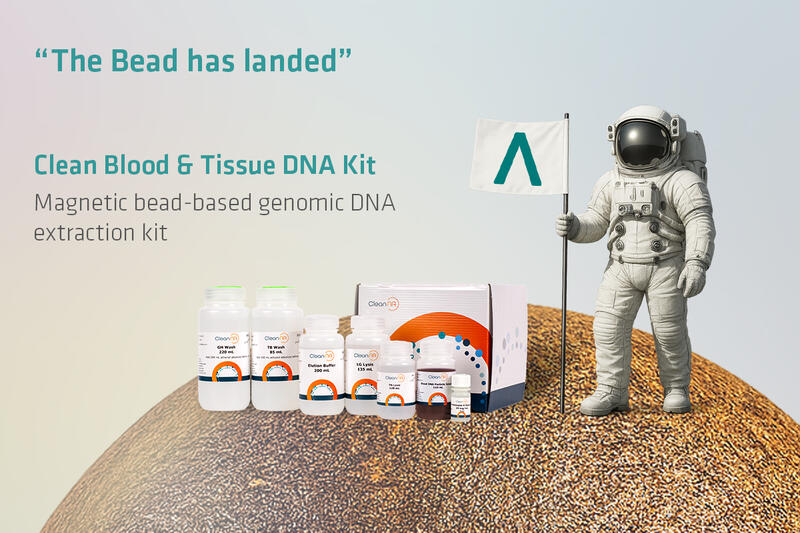
Magnetic beads represent a modern approach to gDNA isolation
-
 · Customer Testimonial
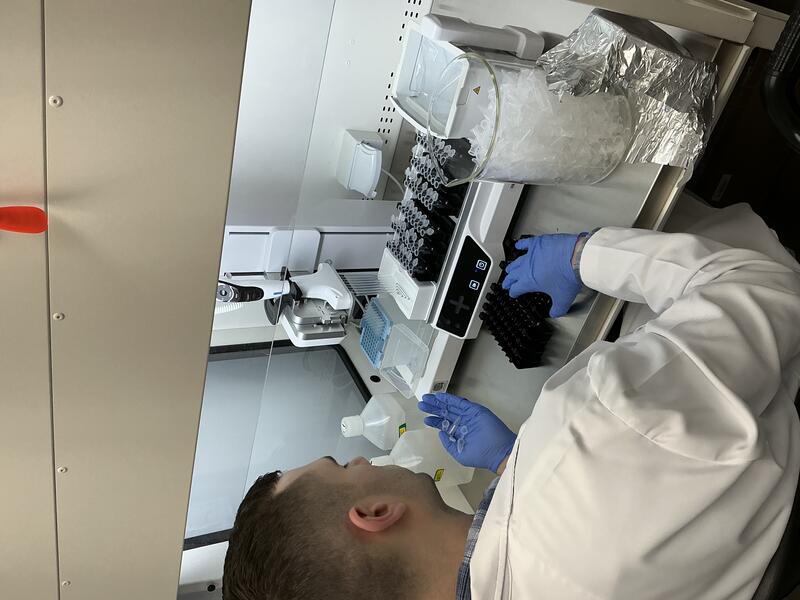
Enhancing the consistency of ag-tech R&D processes with the ASSIST PLUS pipetting robot