


-
Automated DNA extraction protocol to effortlessly isolate gDNA from blood
Hands-free high yielding gDNA purification with magnetic beads
Genomic DNA (gDNA) purification with magnetic beads provides a robust and versatile method for isolating nucleic acids from various biological samples in molecular biology workflows. Extracting DNA from blood enables advanced genomic studies across diverse fields such as oncology, hematology or immunology. The Clean Blood & Tissue DNA kit is specifically designed to isolate gDNA for highly efficient nucleic acid purification, and is compatible with fully automated DNA extraction protocols.
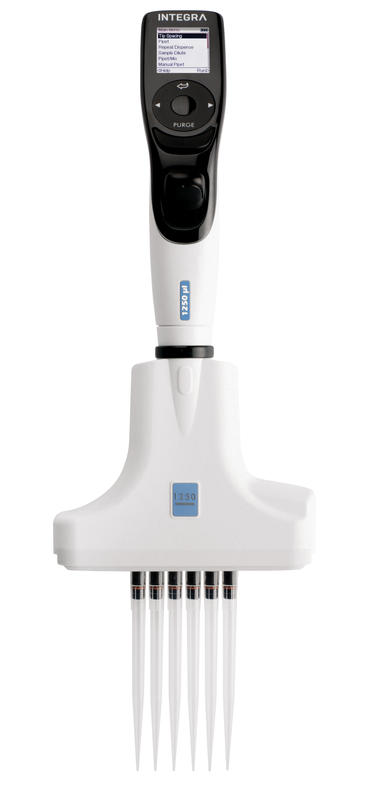
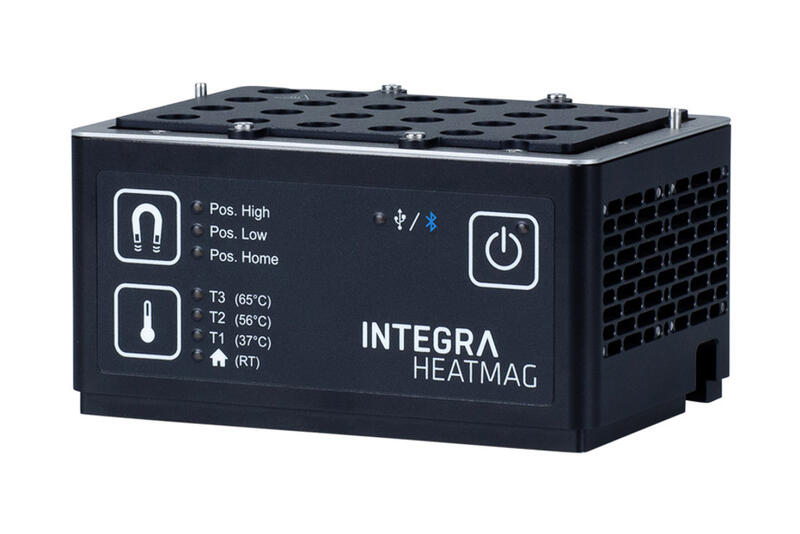
This application note demonstrates INTEGRA's automated DNA extraction protocol, providing a walk-away solution for extracting gDNA from 12 EDTA blood samples. It relies on the VOYAGER adjustable tip spacing pipette to ensure reliable liquid handling of multiple tubes in parallel on the ASSIST PLUS pipetting robot. In addition, the HEATMAG module facilitates automated magnetic bead handling and guarantees temperature control for improved lysis and elution performance.
The protocol provides reliable, high yielding gDNA purification with magnetic beads using the Clean Blood & Tissue DNA Kit, optimizing gDNA quality for downstream applications.
-
Table of contents
Genomic DNA (gDNA) purification with magnetic beads provides a robust and versatile method for isolating nucleic acids from various biological samples in molecular biology workflows. Extracting DNA from blood enables advanced genomic studies across diverse fields such as oncology, hematology or immunology. The Clean Blood & Tissue DNA kit is specifically designed to isolate gDNA for highly efficient nucleic acid purification, and is compatible with fully automated DNA extraction protocols.
This application note demonstrates INTEGRA's automated DNA extraction protocol, providing a walk-away solution for extracting gDNA from 12 EDTA blood samples. It relies on the VOYAGER adjustable tip spacing pipette to ensure reliable liquid handling of multiple tubes in parallel on the ASSIST PLUS pipetting robot. In addition, the HEATMAG module facilitates automated magnetic bead handling and guarantees temperature control for improved lysis and elution performance.
The protocol provides reliable, high yielding gDNA purification with magnetic beads using the Clean Blood & Tissue DNA Kit, optimizing gDNA quality for downstream applications.
Key benefits
Overview: How to automate gDNA extraction from blood on the ASSIST PLUS
This application note presents a comprehensive automated DNA extraction protocol for 12 EDTA blood samples in 1.5 ml microcentrifuge tubes using the Clean Blood & Tissue DNA Kit on the ASSIST PLUS. The protocol guarantees precise automated liquid handling with the 50-1,250 µl 6 channel VOYAGER, while the HEATMAG module offers automated magnetic bead handling with temperature control.
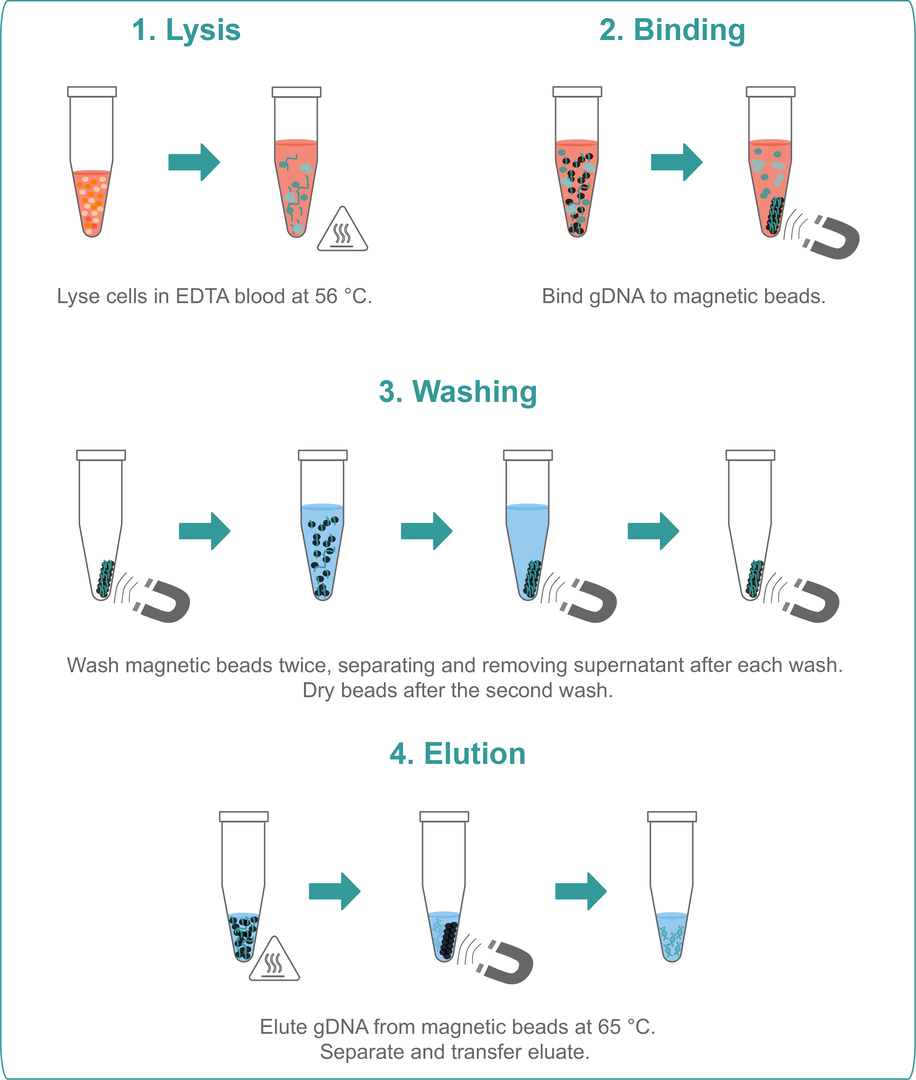
The step-by-step procedure for the automated DNA extraction protocol is illustrated in Figure 1.
Downloads: App note, Quick start guides and protocols for automated DNA extraction protocol to effortlessly isolate gDNA from blood
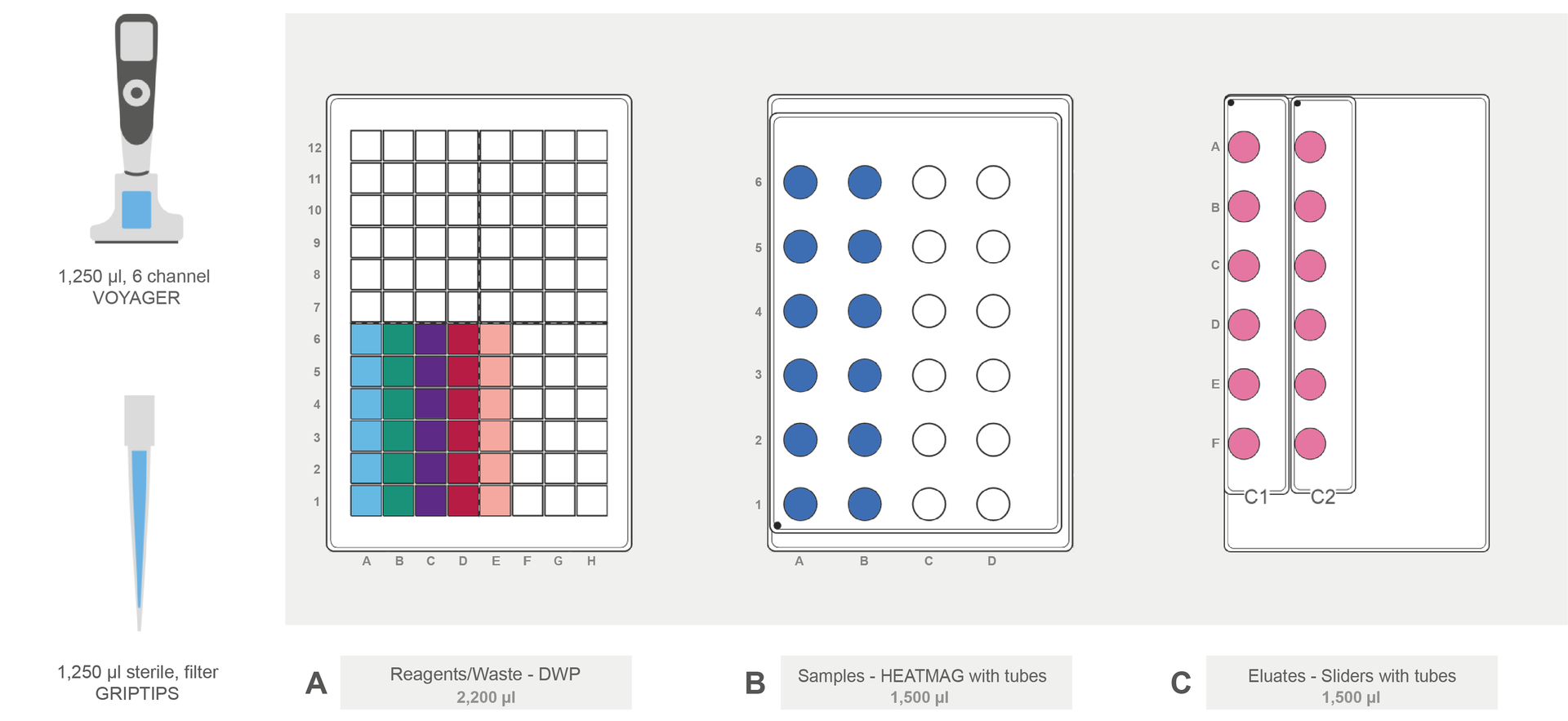
Experimental set-up
Step-by-step procedure
Lysis
Lyse blood cells
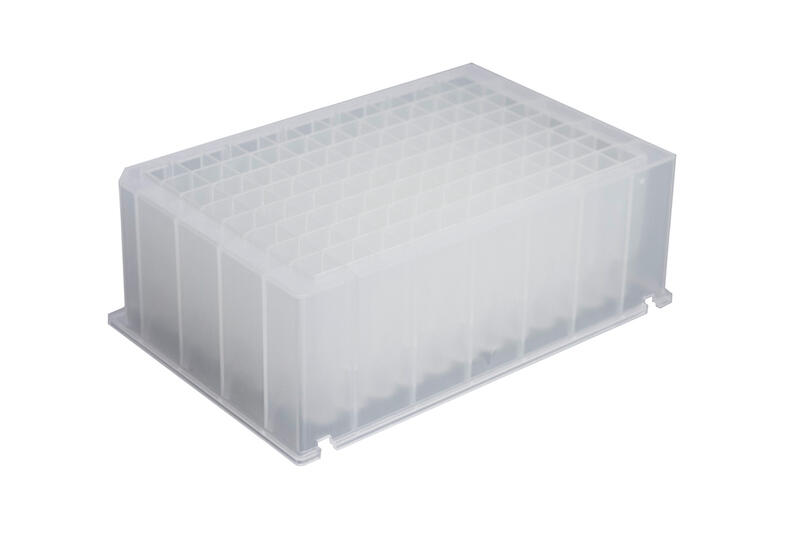
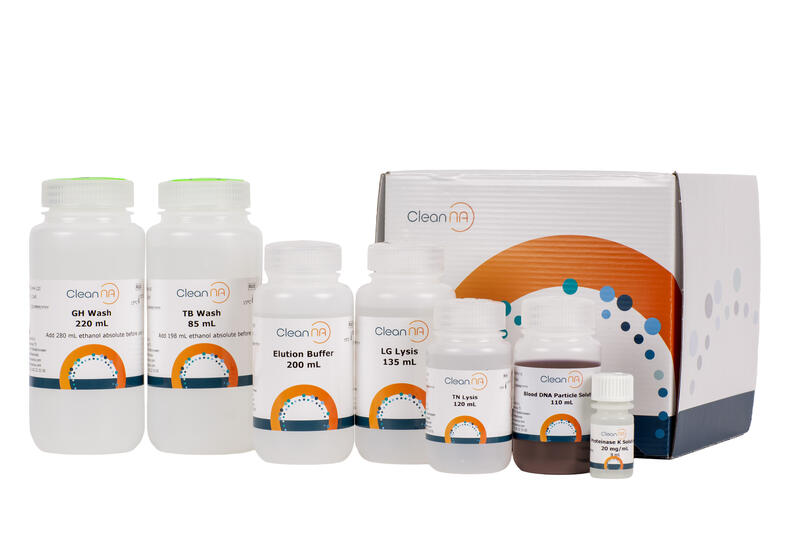
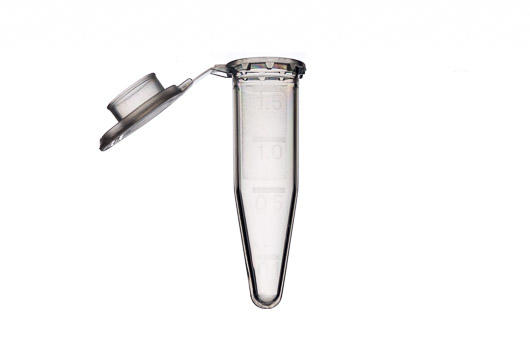
Prepare the lysis mix as indicated in the user manual (290 µl TN Lysis + 20 µl Proteinase K). Multiply the single components for the lysis mix by the sample count, adding 2 extra reactions as dead volume (e.g. 14 for a sample count of 12). Add the prepared lysis mix and the other reagents from the Clean Blood & Tissue DNA Kit to a new INTEGRA DWP. Add 250 µl of thawed EDTA Blood to 12 new 1.5 ml microcentrifuge tubes and set up the ASSIST PLUS deck according to Figure 2.
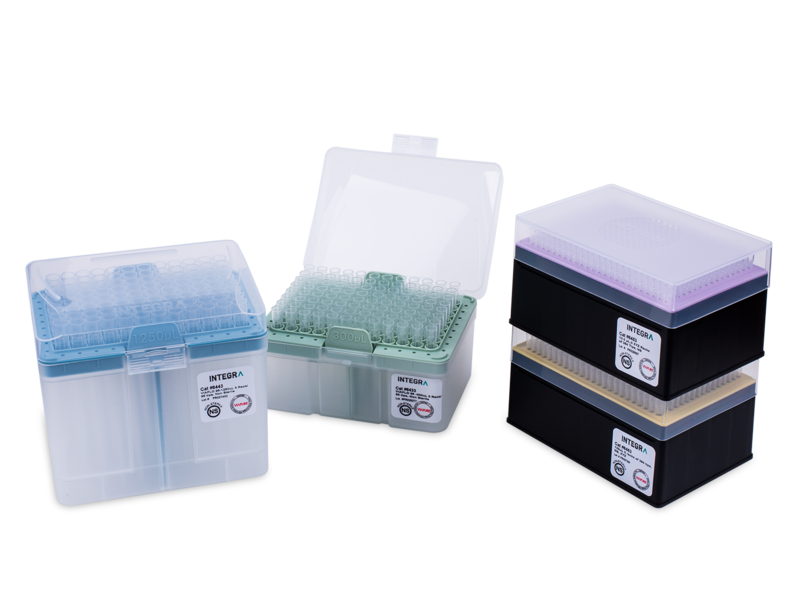
Select and run the VIALAB program 'DNA_extraction_from_blood_12samples'. The HEATMAG module will start heating to reach 56 °C. Using 1,250 µl sterile, filter GRIPTIPS® pipette tips, the VOYAGER on the ASSIST PLUS will transfer 310 µl of the lysis mix to each EDTA blood sample. During lysis, samples are mixed at Speed 3 to avoid spillage when handling hazardous materials. Optimal lysis conditions are enabled by alternated mixing of column A and B, which ensures thorough homogenization of each sample.
Tip:
- Preheat the HEATMAG module to 56 °C in advance to reduce the total run time.
Binding
Bind gDNA to magnetic beads
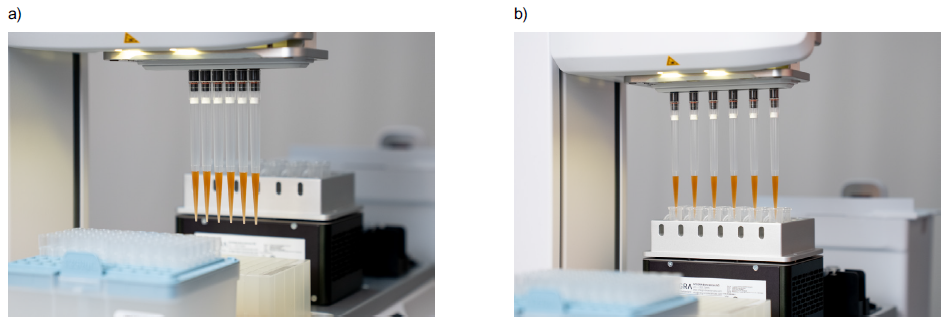
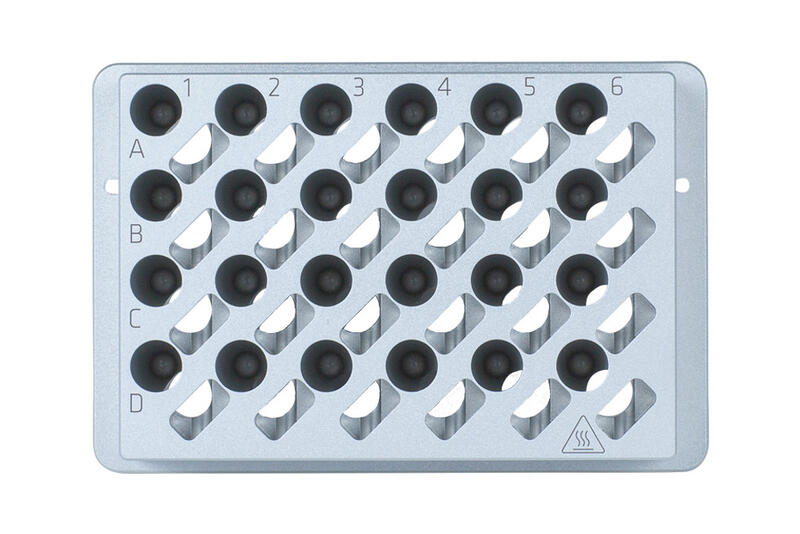
The HEATMAG module will start active cooling until ambient temperature is reached. Simultaneously, the VOYAGER will mix the Blood DNA Particle Solution 5 times in the DWP to ensure homogeneity before transferring 250 µl to each lysate on the HEATMAG module (Figure 3). After adding the Blood DNA Particle Solution, the samples are mixed continuously to ensure efficient binding of gDNA to the magnetic beads.
Washing
Wash gDNA bound to magnetic beads
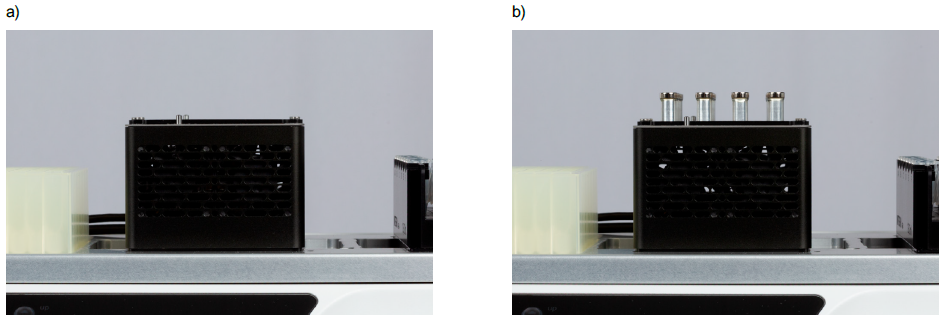
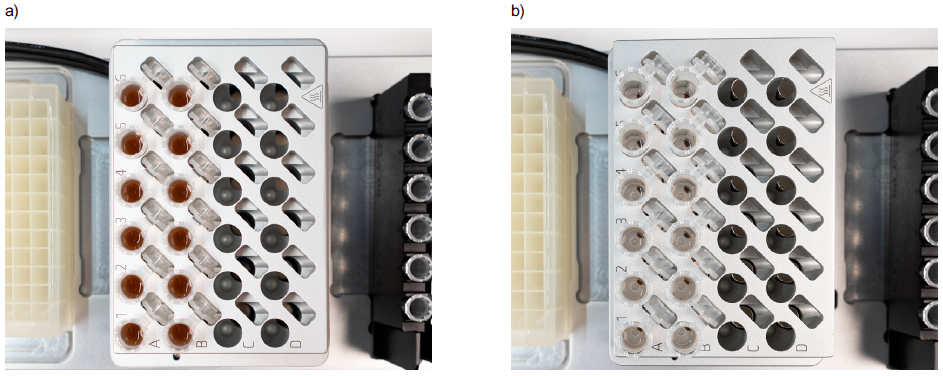
The HEATMAG module will automatically move the magnet array from the home position to the high position (Figure 4) for 10 minutes to capture the magnetic beads (Figure 5). The VOYAGER then removes the supernatant while the magnet array remains engaged, before returning to the home position.
To initiate the first wash cycle, the VOYAGER transfers 600 µl of GH Wash to each microcentrifuge tube on the HEATMAG module. To achieve optimal washing conditions, columns A and B are alternately mixed in two stages. To detach the magnetic beads from the tube wall, the first round of mixing is performed with static pipette tips close to the bead pellet (x=y= 1.8 mm offset). For the second mix, the magnetic beads are resuspended using tip-travel with x=y= -1.2 mm offset.
The operator is prompted to change tip box and waste bin. The new tip box is initialized once the operator confirms the tip dialogue. The HEATMAG module then captures the magnetic beads for 1 minute in the high position. The ASSIST PLUS repeats the wash cycle using TB Wash. A slow aspiration (Speed 1) and precise height settings away from the pellet (x=y= -1.2 mm offset) prevent bead loss when removing the supernatant while washing.
At the end of the second wash cycle, the HEATMAG module will lift the magnet array to the low position at 24 mm to capture the magnetic beads closer to the bottom of the microcentrifuge tube. After 1 minute, the VOYAGER removes the supernatant before the HEATMAG module lowers the magnet array to the elution height of 21 mm. Following another 1-minute incubation, the VOYAGER will aspirate any remaining TB Wash and initialize a 10-minute drying step with the HEATMAG module.
Tip:
- Set the timer to 40 minutes at the start of the run to ensure the tip box and waste bin are changed on time.
Elution
Elute gDNA from magnetic beads
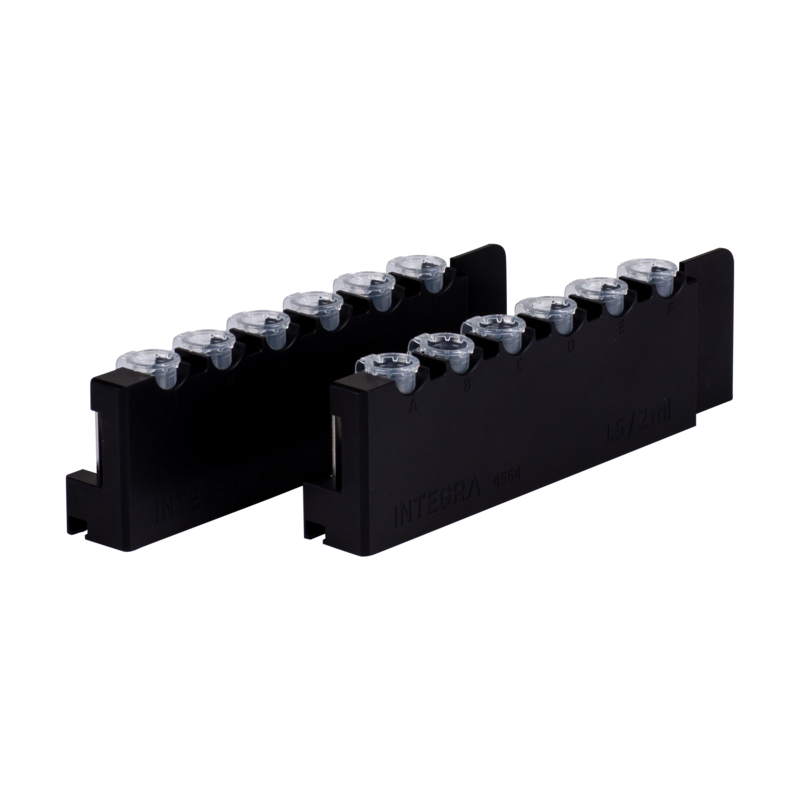
The HEATMAG module will lower the magnet array back to the home position, then the VOYAGER will transfer 120 µl of Elution Buffer to each microcentrifuge tube on the HEATMAG module. A pre-dispense step ensures precise transfers when pipetting below 10 % of the nominal volume. Slow dispensing of Elution Buffer directly on the bead pellet (x=y= +1.8 mm offset) ensures proper rehydration of the magnetic beads. Every sample is mixed 40 times by aspirating and dispensing 100 µl and incubated for 10 minutes at 65 °C. Following incubation, the HEATMAG module lifts the magnet to the low position at 24 mm to capture the magnetic beads for 10 minutes. The VOYAGER will then aspirate 110 µl of the eluates at Speed 1 to prevent magnetic bead carryover, transferring them to the corresponding empty 1.5 ml microcentrifuge tubes in Sliders C1 and C2 (Figure 2; pink). The operator will be informed when the run is complete.
Tip:
- The elution volume can be increased to 200 µl if sample dilution is preferred.
Results
Insufficient gDNA purification from whole blood can impact downstream molecular biology applications such as qPCR and NGS. This application note demonstrates the effectiveness of the Clean Blood & Tissue DNA Kit in combination with INTEGRA's automated DNA extraction protocol, optimized for the HEATMAG module on the ASSIST PLUS, using the 50-1,250 µl 6 channel VOYAGER.
A blood bank provided EDTA blood samples, which were stored at 4 °C for no more than 3 days. Tubes from 10 different donors with the same blood group were pooled, aliquoted, and frozen until use. Each run included 12 microcentrifuge tubes containing 240 µl of blood and 10 µl of DNA spike-in control to verify qPCR performance and exclude possible downstream qPCR inhibition. DNA yield and purity were analyzed via spectrophotometry (DeNovix DS-11 Series), and qPCR performance was assessed using the QuantStudio 3 (Thermo Fisher Scientific).
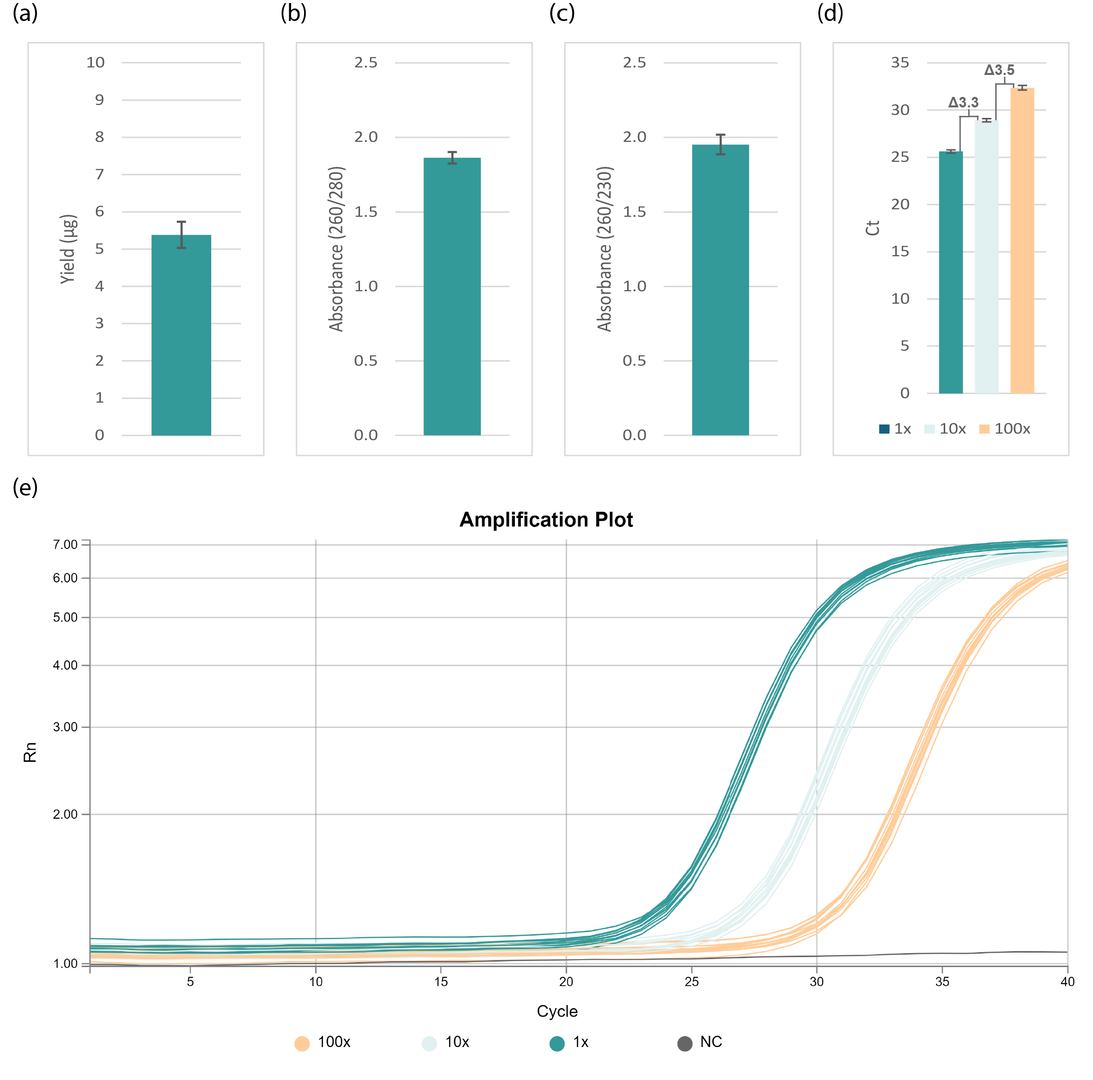
The performance of the Clean Blood & Tissue DNA Kit on the ASSIST PLUS was assessed by measuring the yields, purity ratios and qPCR analysis of 1 in 10 dilutions of the eluate (Figure 6). On average, the automated DNA extraction protocol yielded 5.4 µg of gDNA, with an average purity ratio of 1.9 for A260/280 and 2.0 for A260/230 from the specific blood batch (Figure 6 a-c). Furthermore, qPCR analysis shows no signs of inhibition, as inferred from the consistent cycle threshold (Ct) increase of 3.3 and 3.5 for the 1x–10x and 10x–100x diluted input DNA. The consistent qPCR performance across samples confirms the robustness and reliability of the automated DNA extraction protocol (Figure 6 d-e).
Remarks
- VIALAB software: VIALAB programs can be quickly adapted to the user’s specific pipette, labware, modules and protocols.
- HEATMAG module: The magnet step in VIALAB enables precise control over the magnet array, allowing users to set customized heights between 0 and 29 mm. In addition, the temperature can be controlled through VIALAB for each step, ranging from room temperature to 65 °C.
Conclusion
Ask our expert. Leave a comment!
Write us if you have any questions regarding the application note or one of our instruments.
Any questions? I'm happy to help!
Instruments and accessories
ASSIST PLUS, Pipetting Robot
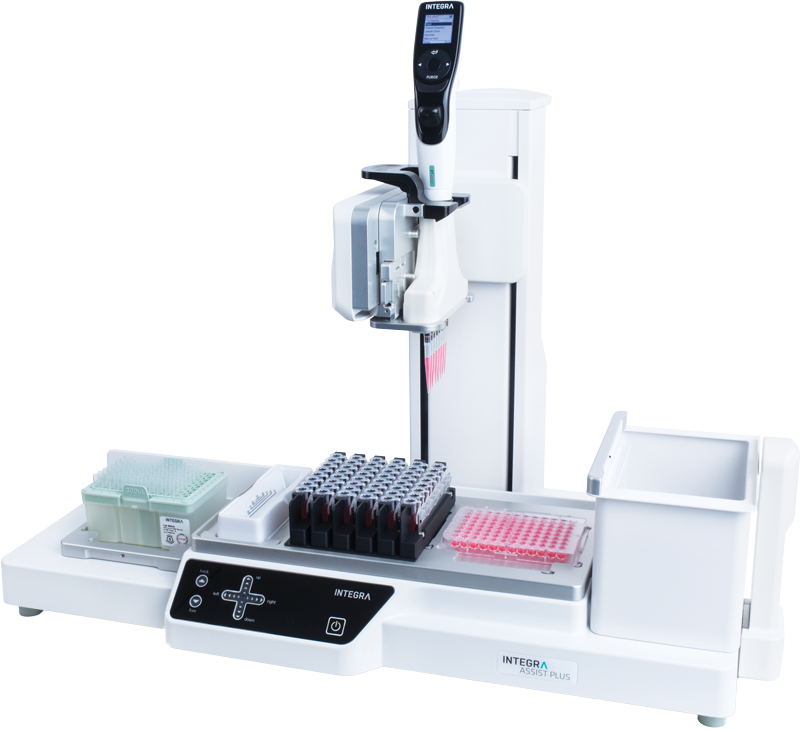
INTEGRA has developed the ASSIST PLUS pipetting robot to streamline routine pipetting tasks at an affordable price. Using INTEGRA electronic multichannel pipettes, the system:
- automates pipetting tasks,
- eliminates physical strain and
- ensures superior reproducibility and
- error free pipetting.
Part No. 4505
Downloads
Download App Note as PDF
DownloadAutomated DNA extraction protocol to effortlessly isolate gDNA from blood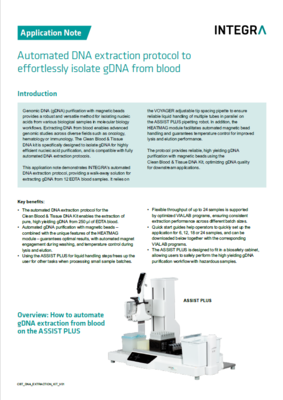
Customer’s voice
Since we have implemented the Assist Plus into our workflow, we have been able to streamline our lab processes. It has enabled us to do more in the lab and with accuracy. The instrument can be standalone or with a PC. The software is easy to understand and use. I highly recommend this product to increase throughput.
Related products

Applications
Show all-
End-to-end Twist library preparation protocol for NGS workflow automation
-
A simple and streamlined workflow for membrane protein isolation
-
Streamlining single-cell sequencing with the Flex Apex workflow using automated liquid handling solutions
-
Optimizing DNA fragmentation and NGS library preparation with automated liquid handling
Stories
Show all-
 · Product News
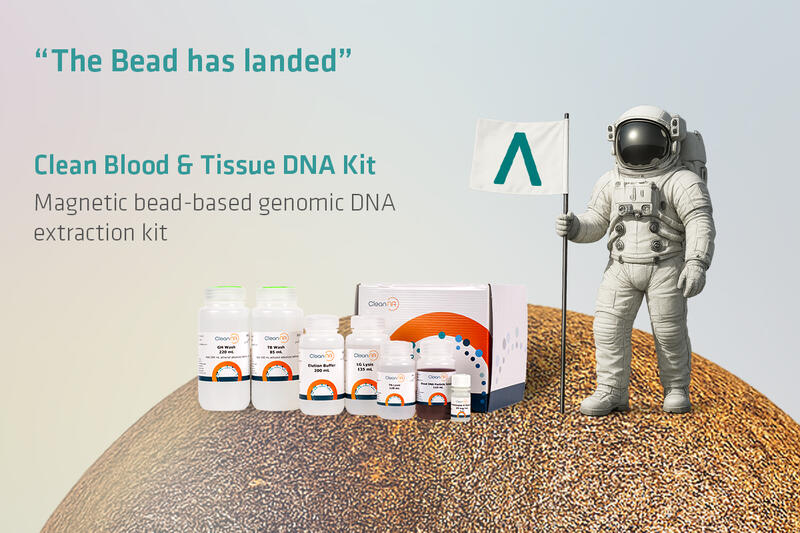
Magnetic beads represent a modern approach to gDNA isolation
-
 · Product News
Magnetic beads for NGS size selection and PCR purification
-
 · Company News
Streamlining CRISPR workflows, from editing to analysis
-
 · Customer Testimonial
Enhancing the consistency of ag-tech R&D processes with the ASSIST PLUS pipetting robot