Automating media exchange and sample collection using Ronawk’s Bio-Blocks® In Similare technology and the ASSIST PLUS

  • Automating media exchange and sample collection using Ronawk’s Bio-Blocks® In Similare technology and the ASSIST PLUS

    Save media, space and plasticware by automating cell culture with Bio-Blocks and ASSIST PLUS

    Combining Ronawk’s Bio-Block 3D hydrogel with INTEGRA’s ASSIST PLUS pipetting robot and D-ONE pipetting module enables scalable extracellular vesicle (EV) and secretome production and collection. Previous studies with the Bio-Block system demonstrate how its design eliminates subculturing and provides a tissue-mimetic environment, where mesenchymal stromal cells retain their stem-like phenotype with enhanced viability, and significantly increase EV secretion. Automating media handling and secretome collection with the ASSIST PLUS and D-ONE ensures reproducibility and hands-free operation, streamlining benchtop scale-up of EV/secretome production.

  • Table of contents

    Combining Ronawk’s Bio-Block 3D hydrogel with INTEGRA’s ASSIST PLUS pipetting robot and D-ONE pipetting module enables scalable extracellular vesicle (EV) and secretome production and collection. Previous studies with the Bio-Block system demonstrate how its design eliminates subculturing and provides a tissue-mimetic environment, where mesenchymal stromal cells retain their stem-like phenotype with enhanced viability, and significantly increase EV secretion. Automating media handling and secretome collection with the ASSIST PLUS and D-ONE ensures reproducibility and hands-free operation, streamlining benchtop scale-up of EV/secretome production.

Key benefits

  • Save media, space and plasticware by using 4 interlocking Bio-Blocks with a total culture area equivalent to 24 T-75 flasks, a fraction of the footprint and media volume needed for conventional cell culture.
  • Precise and error-free pipetting with the ASSIST PLUS pipetting robot streamlines repetitive, error-prone liquid handling tasks, such as media exchange, and maximizes walk-away time.
  • The D-ONE pipetting module enables accurate single-channel pipetting over a large volume range (5-1,250 μl), supporting many complex workflows.
  • Streamlined experimental configuration using the readily adjustable CSV file (in the download section) ensures cGMP/GLP traceability and enables on-the-fly scalability, whether running just 3 wells or all 6.

Overview: How to perform media exchange and preservation in Bio-block 3D cell culture using the ASSIST PLUS and D-ONE Pipetting Module
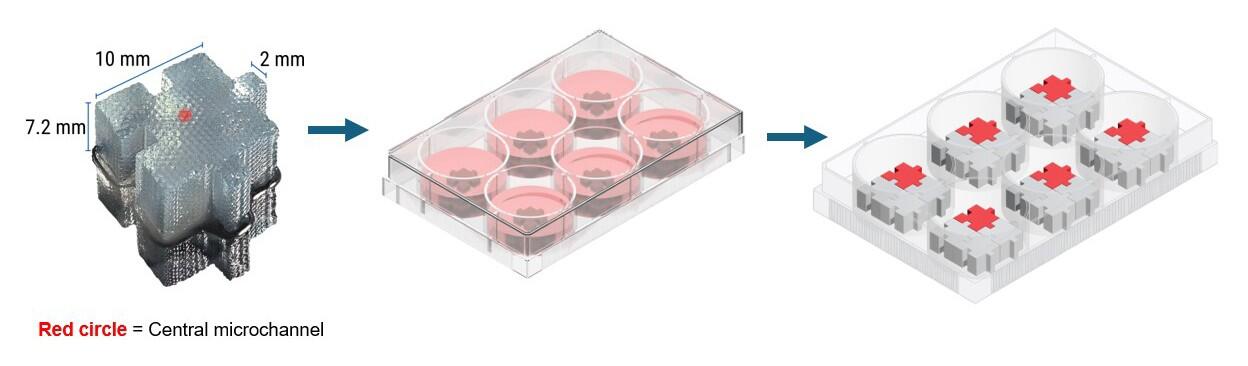
6 well plate with 4 interlocking hydrogel Bio-Blocks. This configuration provides a total culture area equivalent to 24 T-75 flasks.
Figure 1: Modular Bio-Block 3D culture system enables passage-free expansion and enhanced EV yields. 4 interlocking hydrogel Bio-Blocks per well in a standard 6 well plate support cell growth in minimal media, preserving viability and reducing senescence through efficient nutrient diffusion. Integrating the Bio-Blocks modular culture system with fully automated media exchange and sample aliquoting ensures uniform, error-free handling, reduces reagent use and plastic waste, and enables rapid scaling for biomanufacturing.

When cell medium exchange is required, the ASSIST PLUS with D-ONE 5-1,250 μl single channel pipetting module is first used to collect spent medium from the culture plate. Each sterile 1,250 μl GRIPTIPS® pipette tip is positioned to avoid contact with the Bio-Blocks in the well, and the spent medium can be aliquoted into vials for downstream analysis if required. Fresh medium is then added to each well. The program provided for this application includes a labware change step, demonstrating the versatility of the ASSIST PLUS specifically when performing workflows that require multiple labware types.

Downloads: App note and protocols for automating media exchange and sample collection using Ronawk’s Bio-Blocks® In Similare technology and the ASSIST PLUS

Step-by-step procedure

  1. Medium exchange

Load the 5-1,250 μl D-ONE single channel pipetting module and 50-1,250 μl sterile GRIPTIPS onto the ASSIST PLUS. Place a 300 ml automation friendly reagent reservoir holding clean medium on deck position A, the 6 well culture plate holding Bio-Blocks with cell culture on deck position B in portrait orientation, and an empty automation friendly reservoir on deck position C.

Select the program ‘Bio-Block Medium Exchange’ on the pipette. The pipette will aspirate 5,000 μl from each well of the plate using 4 separate aspirations of 1,250 μl each. To avoid damaging the Bio-Blocks with cells, the pipetting location is offset so the tip enters the culture plate away from the Bio-Blocks. Tip travel is activated so the tip travels dynamically during the aspiration, avoiding large air aspirations. Following each aspiration, the spent medium is dispensed into the reservoir on deck C. The reservoir can be exchanged after each well if the medium from each well needs to be analyzed separately. 1 pipette tip is used for each well, minimizing consumable costs for the user while avoiding cross contamination between wells.

When the medium removal is complete, a new tip is loaded onto the pipette, and addition of clean medium commences. Similar pipette tip offsets are used in this step to avoid damaging the Bio-Blocks. If all six wells do not contain the same cell type, and the medium needs to be processed separately, exchange the right most reservoir with a fresh insert to avoid cross contamination.

Tips:

  • Use sterile, filter GRIPTIPS for contamination-free processing
  • INTEGRA's ASSIST PLUS programming software, VIALAB, allows placement of the pipette tip anywhere within the source or target well. With Bio-Blocks, the pipetting position is set to avoid touching the hydrogel during addition or removal of media
  • VIALAB software allows the operator to define tip changes, reducing waste when the same tip may be used for multiple liquid transfers
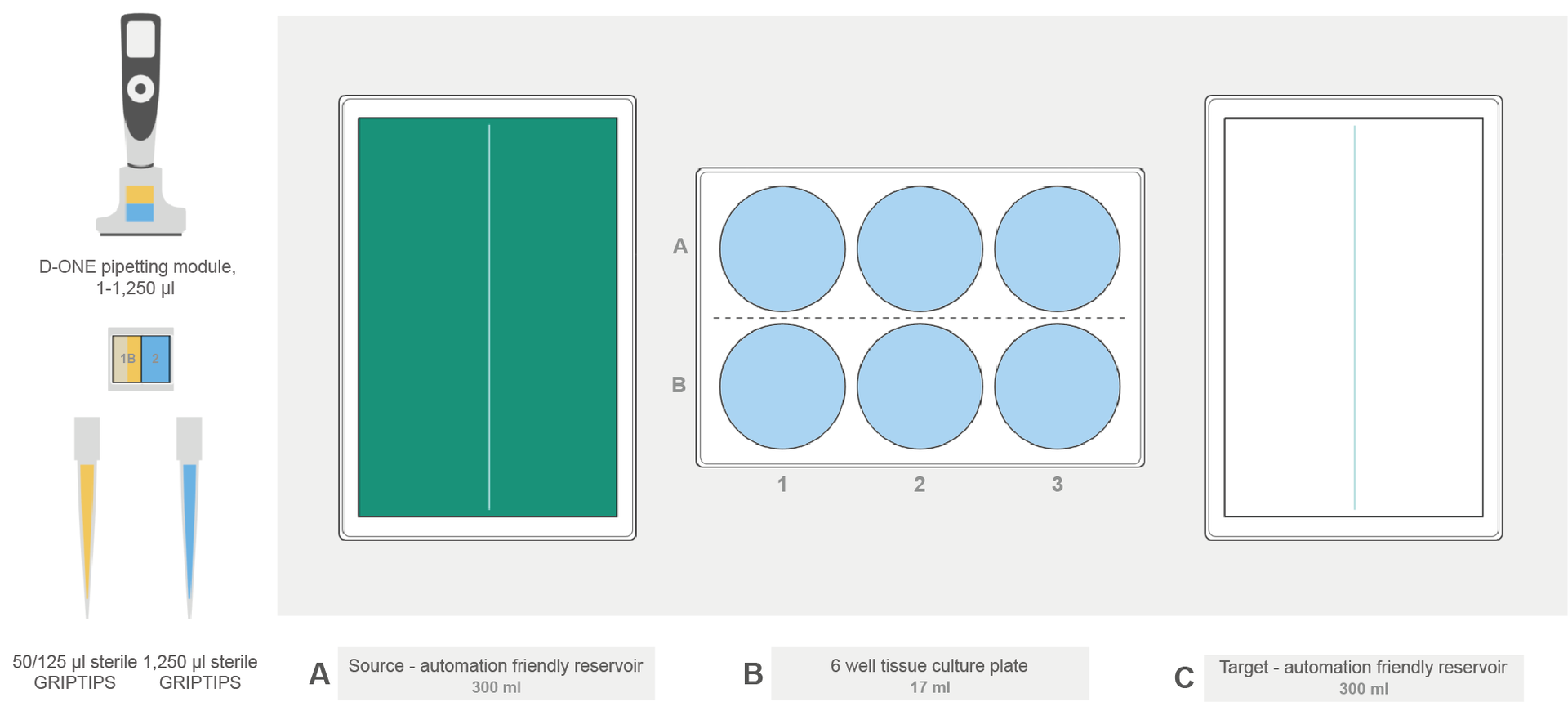
Deck layout of the ASSIST PLUS to collect used cell culture medium and replace it with fresh medium.
Figure 2: The ASSIST PLUS set-up for Bio-Blocks media exchange. Position A: a 300 ml automation friendly reservoir containing fresh media (green). Position B: 6-well plate with cells grown on Bio-Blocks (blue). Position C: an empty 300 ml automation friendly reservoir for media collection.
  1. Media aliquoting for downstream processes

Following the completion of the media exchange, the ASSIST PLUS stops running and the pipette screen displays a message guiding the operator through the labware exchange. The operator should place a reservoir with the collected medium on deck position A and a tube rack holding 6 15 ml conical centrifuge tubes on deck C. The operator presses RUN to resume the program only after the labware change has been manually performed. 5 ml of collected media is then added to each centrifuge tube. If the medium needs to be processed separately for different cell types, tap the arrow in the center of the ASSIST PLUS display after the first medium transfer to pause the run. Exchange the 25 ml reservoir with a fresh insert, add the medium for the next well, then continue the program by pressing the arrow in the center of the ASSIST PLUS display again to resume the program.

Tips:

  • For transfer volumes that exceed the pipette’s maximum volume, a single transfer step with a multiplier is offered, allowing simpler programming
  • Consider a labware change step in your VIALAB program when additional labware is needed on the deck of the ASSIST PLUS
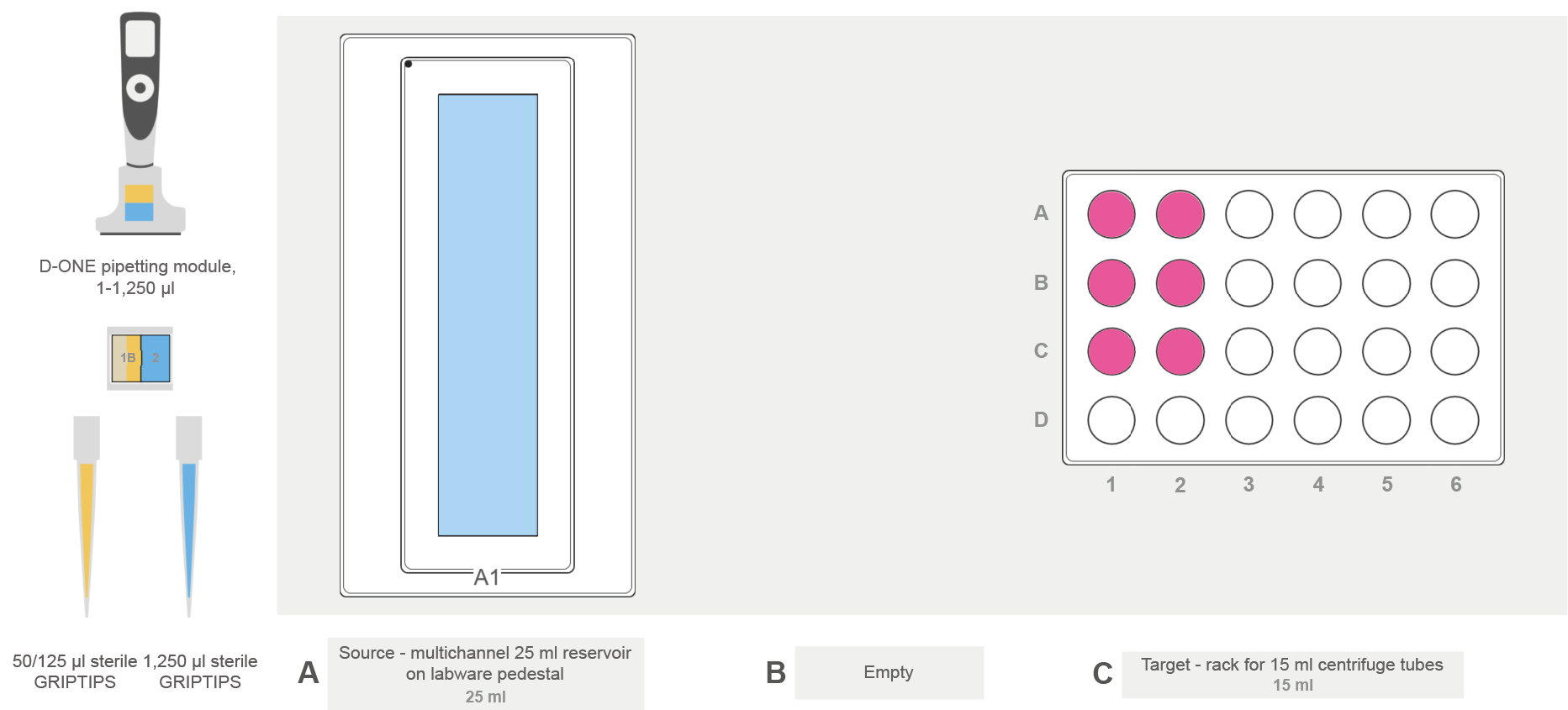
Collected cell culture media is distributed to 15 ml centrifuge tubes.
Figure 3: ASSIST PLUS labware layout 2 for aliquoting of preserved media. Position A: 25 ml multichannel reservoir with cell culture media collected from previous steps (blue). Position B: rack with 15 ml centrifuge tubes for distributing the collected media (pink).
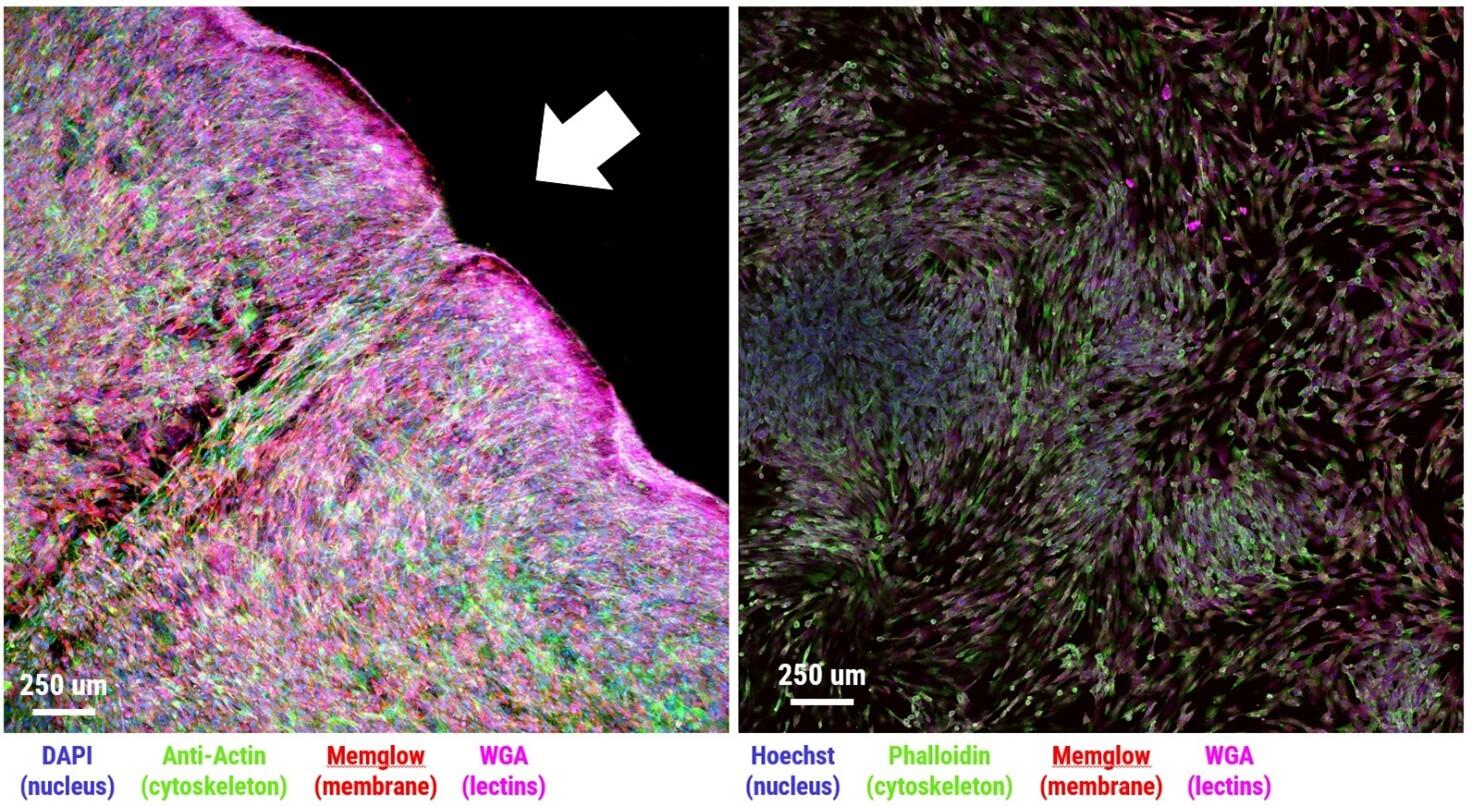
Fluorescence images comparing adipose-derived stem cells grown in 3D hydrogel Bio-Blocks versus 2D flasks.
Figure 4: Adipose-derived stem cells (ASCs) cultured in 3D Bio-Blocks versus 2D monolayers. ASCs were grown at 37 °C at 5 % CO2 in either Bio-Blocks or 2D flask for 2 weeks. (Left) In 3D Bio-Blocks, ASCs stained with DAPI (blue, nuclei), anti-actin (green, cytoskeleton), MemGlow™ (red, cell membrane) and WGA lectin (magenta, wheat germ agglutinin/extracellular matrix) exhibited dense cellular organization and enhanced ECM accumulation, particularly at the interface where 2 Bio-Blocks connected, indicating strong cell-matrix remodeling and inter-block integration (white arrow). (Right) ASCs in 2D monolayer cultures stained with Hoechst (blue, nuclei), phalloidin (green, cytoskeleton), MemGlow (red, membrane) and WGA lectin (magenta, ECM) showed planar alignment, fewer cells and limited ECM deposition. The Bio-Blocks system allows continuous ASC expansion without the need for enzymatic subculturing, as new cell-free Bio-Blocks can be added to promote further growth and matrix development. Scale bar = 250 μm. hydrogel; bar = 50 microns.ml multichannel reservoir (blue) and distributed to empty 15 ml centrifuge tubes (pink).

Conclusion

  • The integration of Ronawk’s Bio-Blocks with the ASSIST PLUS robot and D-ONE single-channel pipetting module revolutionizes 3D biomanufacturing workflows. This approach optimizes reagent use, reduces media waste and requires a smaller laboratory footprint, translating to lower operational costs and increased throughput. This makes it a scalable, efficient and cost-effective solution for advanced 3D cell culture and EV biomanufacturing.
  • Combining these technologies enhances viability, scalability and reproducibility, as well as reducing hands-on time for medium exchange and EV collection.
  • The synergy between precise automation and physiologically relevant culture conditions accelerates breakthroughs and supports efficient high throughput applications, whether applied in regenerative medicine or other research fields.

Ask our expert. Leave a comment!

Write us if you have any questions regarding the application note or one of our instruments.

Any questions? I'm happy to help!

  • Stefan Zeyen

    Application Specialist

    Email

Instruments and accessories

ASSIST PLUS, Pipetting Robot D-ONE Single Channel Pipetting Module, 5-1,250 µl Tip deck for D-ONE on ASSIST PLUS Labware Pedestal (24 mm, portrait) GRIPTIPS®, 1250 µl, Sterile Automation Friendly Reagent Reservoir, 300 ml Multichannel Reagent Reservoir, 25 ml Tube rack for 15 ml conical tubes 6 Well Culture Plate (Cellvis) Ronawk Bio-Blocks

ASSIST PLUS, Pipetting Robot

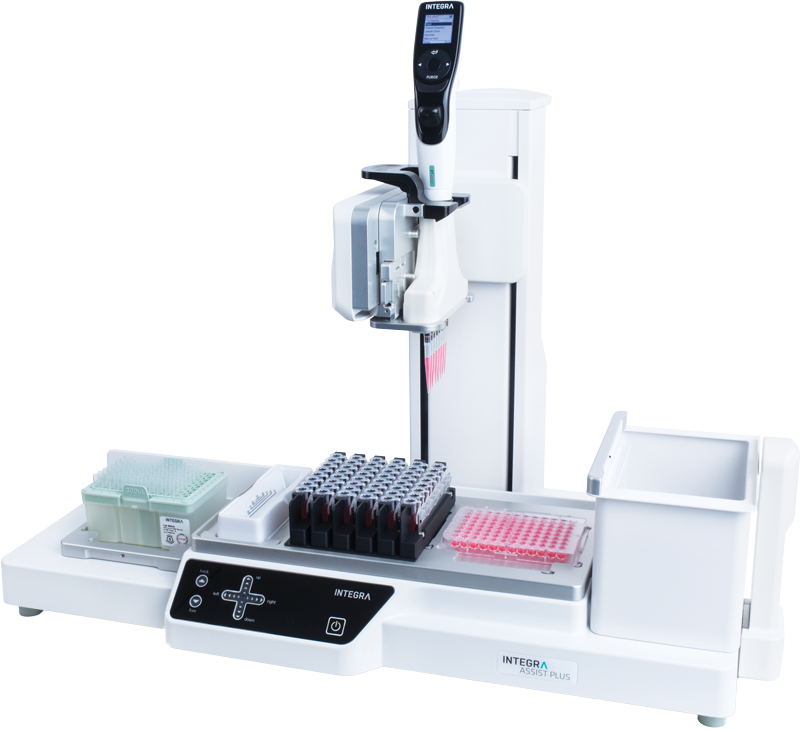
INTEGRA has developed the ASSIST PLUS pipetting robot to streamline routine pipetting tasks at an affordable price. Using INTEGRA electronic multichannel pipettes, the system:

  • automates pipetting tasks,
  • eliminates physical strain and
  • ensures superior reproducibility and
  • error free pipetting.

Part No. 4505
Visit product page
ASSIST PLUS Pipetting Robot

D-ONE Single Channel Pipetting Module, 5-1,250 µl

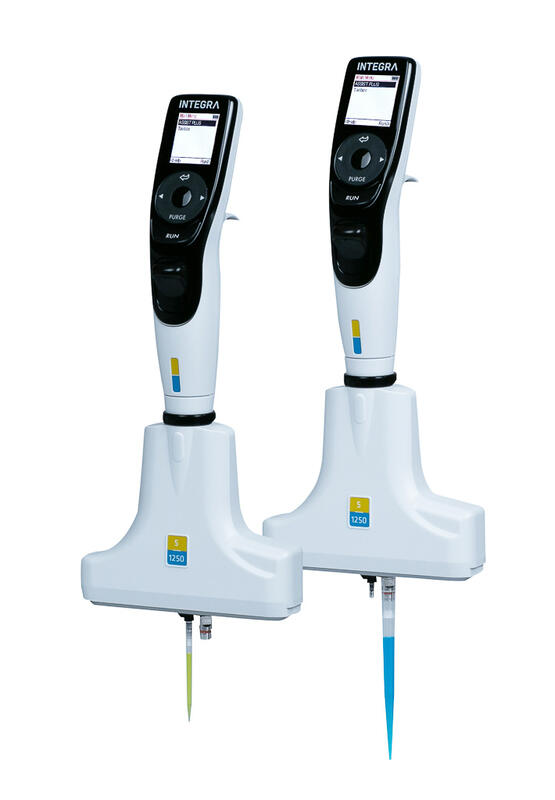
The D-ONE single channel pipetting module offers hands-free transfers from individual tubes or wells on the ASSIST PLUS pipetting robot. This makes it the perfect add-on for labs that want to go beyond the possibilities of multichannel pipetting to access unlimited applications. It is designed to offer easy automation of normalization, hit picking and master mix preparation, freeing up your time while eliminating transcription errors.

Part number: 4532

Visit product page
D-ONE pipetting module 1ch 5-1,250ul

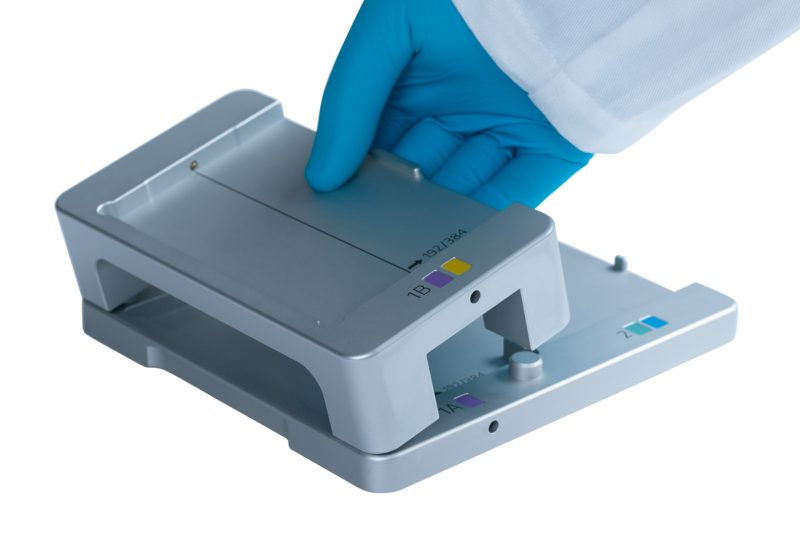
Tip deck for D-ONE on ASSIST PLUS

  • Supports accommodation of 1 x 12.5 µl/ 125 µl tip box and 1 x 300 µl/ 1250 µl tip box
  • Compatible with D-ONE Pipetting Module 0.5 - 300 µl and 5 - 1250 µl
Learn more about the Tip Deck
D-ONE tip deck

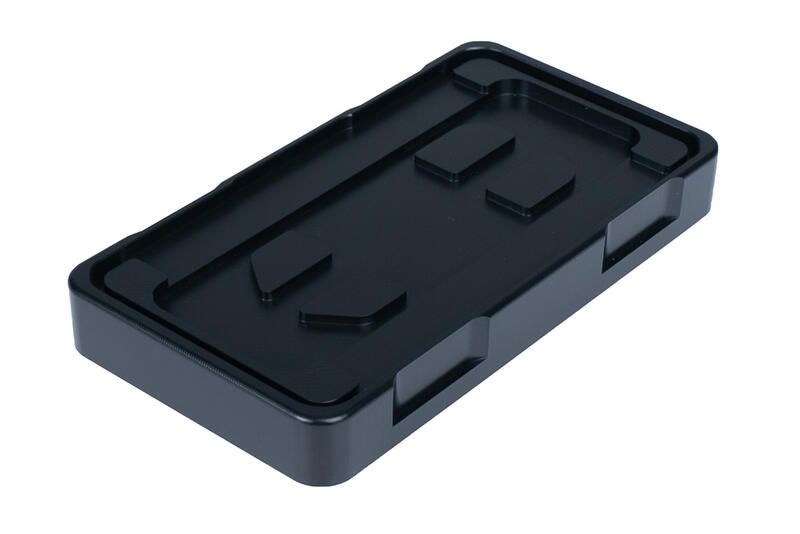
Labware Pedestal (24 mm, portrait)

  • Raises labware by 24 mm on deck postion A
  • Compatible with 10 ml, 25 ml, 100 ml and microplates/reservoirs in SLAS/ANSI footprint
  • Used to avoid collisions with neighboring labware

Part number: 4551

Visit product page
Portrait labware pedestal (+24mm)

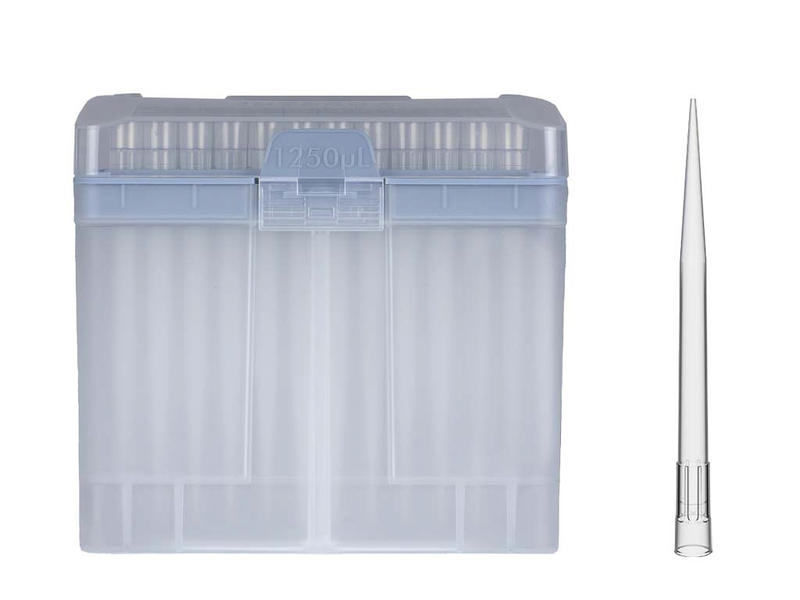
GRIPTIPS®, 1250 µl, Sterile

GRIPTIPS® pipette tips perfectly match the multi-lobe tip fitting, snapping firmly on during loading. This guarantees a perfect seal on every tip, preventing them from loosening, leaking or completely falling off. All tips are precisely aligned horizontally, enabling accurate touch-offs, even when pipetting with 384 tips.

Part No. 6445


Learn more about GRIPTIPS® pipette tips for Benchtop Pipetting Systems
1250 µl, Non-sterile, GripTips

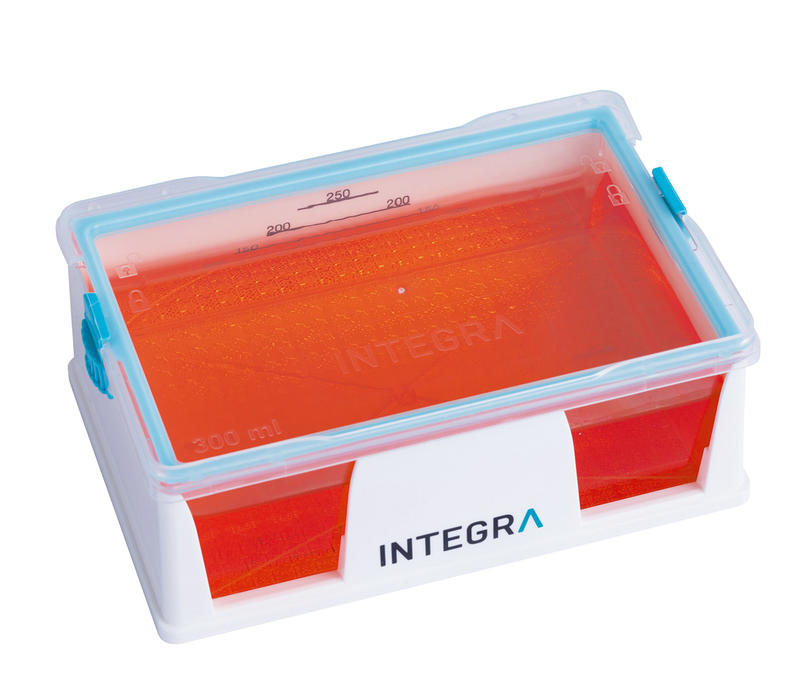
Automation Friendly Reagent Reservoir, 300 ml

INTEGRA offers two types of automation friendly reagent reservoirs:

  • 150 ml and 300 ml Clear Advantage™ reagent reservoirs which are made of both crystal clear virgin polystyrene and polypropylene. Both options fit into a reusable automation friendly base with bold, crisp, clearly visible graduation markings.
     
  • The 300 ml open well, 12 column and 8 row polypropylene reservoir blocks offer improved chemical compatibility.
Find out more about Automation Friendly Reagent Reservoirs
300 ml Reservoir filled

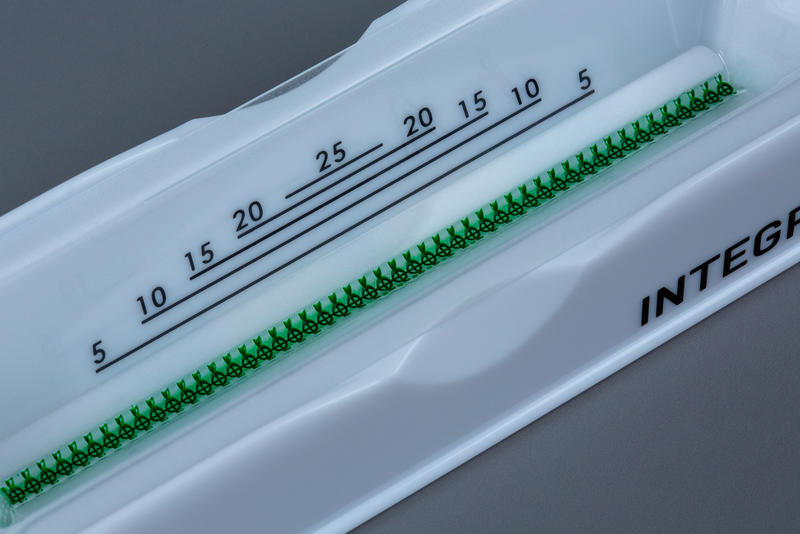
Multichannel Reagent Reservoir, 25 ml

  • SureFlo™ anti-sealing array prevents pipette tip seal off which can cause liquid to pop into the tip, filter or even the pipette itself
  • Unique surface treatment spreads liquid evenly offering even lower dead volumes
  • Reusable base with bold, crisp, clearly visible graduation markings
  • Nest inside each other, making it possible to get twice as many reservoirs in half the space of other products on the market
  • Reducing inventory space requirements and shipping costs
  • Available as crystal clear polystyrene reservoirs or polypropylene reservoirs for improved chemical compatibility
Find out more about Multichannel Reagent Reservoirs
SureFlo™ anti-sealing array

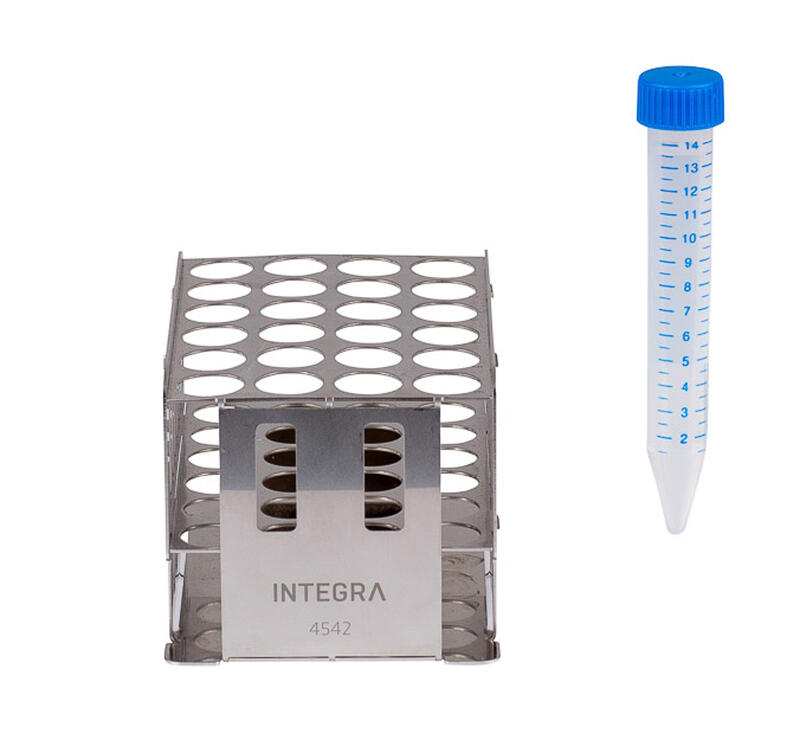
Tube rack for 15 ml conical tubes

  • Compatible with 4 or 6 channel VOYAGER tip spacing pipettes and D-ONE pipetting module
  • Stores up to 24 x 15 ml centrifuge tubes
  • Labware Format 4x6
  • SLAS/ANSI footprint

Part number: 4624

Visit product page
assist plus tube rack for 15 ml tubes

6 Well Culture Plate (Cellvis)

6 well glass bottom plate with high performance #1.5 cover glass (0.170±0.005mm). Black frame, with lid. Individually packed. Designed for high resolution imaging such as confocal microscopy.

  • Suitable for long term tissue culture
  • Manufactured in a class 100,000 clean room
  • Frame made from virgin polystyrene
  • German high quality cover glass of superior optical quality, glass thickness is 0.170±0.005mm
  • A USP class VI adhesive is used to assemble the cover glass and the plate.
  • Sterilized by Gamma radiation.
  • Conforms to ANSI/SBS 1-2004 standards

Product No. P06-1.5H-N

Source: Website Supplier

Visit supplier website
assist plus tube rack for 15 ml tubes

Ronawk Bio-Blocks

Modular Bio-Block 3D culture system enables passage-free expansion and enhanced EV yields. 4 interlocking hydrogel Bio-Blocks per well in a standard 6 well plate support cell growth in minimal media, preserving viability and reducing senescence through efficient nutrient diffusion. Integrating the Bio-Blocks modular culture system with fully automated media exchange and sample aliquoting ensures uniform, error-free handling, reduces reagent use and plastic waste, and enables rapid scaling for biomanufacturing.

Product No. BMX101-101003

Source: Website Supplier

Visit supplier website

Customer’s voice

The Assist Plus plays a crucial role in our lab's high throughput. It accurately and quickly performs it's functions, and the vialab software makes designing an experiment incredibly easy. Would highly recommend this equipment to anyone looking for a reliable, accurate tool for multiple functions across the lab.

Graham Salmun, Kate Therapeutics