


-
Automated DNA clean-up using the Zymo Research DNA Clean & Concentrator® MagBead Kit
Get your ultrapure DNA with the ASSIST PLUS pipetting robot
DNA clean-up methods are used to purify samples of DNA by removing any unwanted components. This is crucial for the success of downstream processes in genomics, biotechnology, molecular biology, clinical research and other fields of biology.
Zymo Research’s DNA Clean & Concentrator (DCC) MagBead Kit offers a magnetic bead-based DNA cleanup for PCR and NGS. Its single buffer system can recover DNA from enzymatic reactions, impure extractions, library preparations, and other sources. The kit can be used with the VOYAGER adjustable tip spacing pipette on the ASSIST PLUS pipetting robot to automate DNA purification and concentration, enabling high throughput
processing.The results of the automated DNA clean-up protocols show high reproducibility, excellent yield and purity values.
-
Table of contents
DNA clean-up methods are used to purify samples of DNA by removing any unwanted components. This is crucial for the success of downstream processes in genomics, biotechnology, molecular biology, clinical research and other fields of biology.
Zymo Research’s DNA Clean & Concentrator (DCC) MagBead Kit offers a magnetic bead-based DNA cleanup for PCR and NGS. Its single buffer system can recover DNA from enzymatic reactions, impure extractions, library preparations, and other sources. The kit can be used with the VOYAGER adjustable tip spacing pipette on the ASSIST PLUS pipetting robot to automate DNA purification and concentration, enabling high throughput
processing.The results of the automated DNA clean-up protocols show high reproducibility, excellent yield and purity values.
Key benefits
Overview: How to get ultra pure DNA with Zymo's DCC kit
Step-by-step procedure
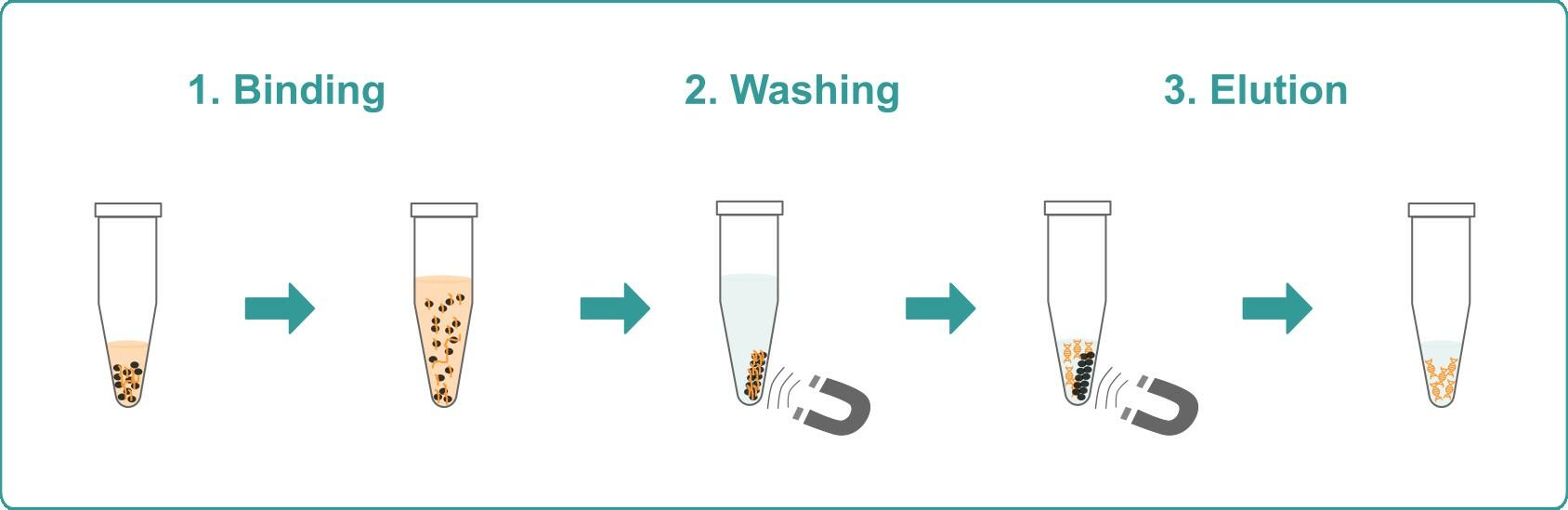
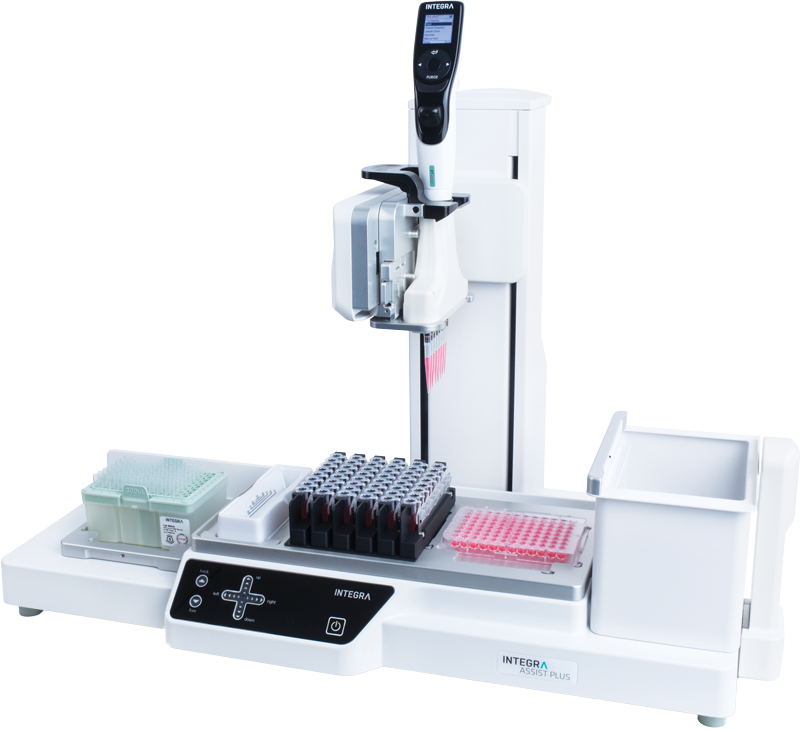
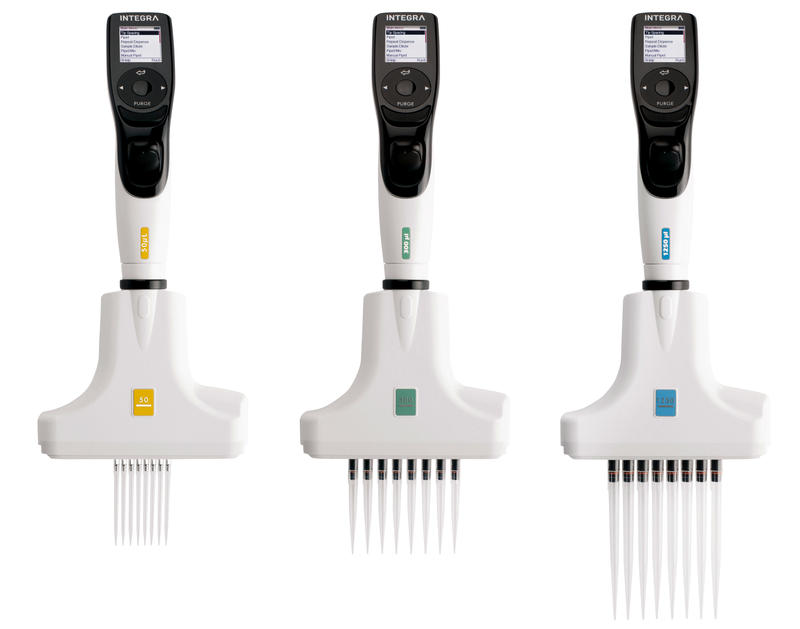
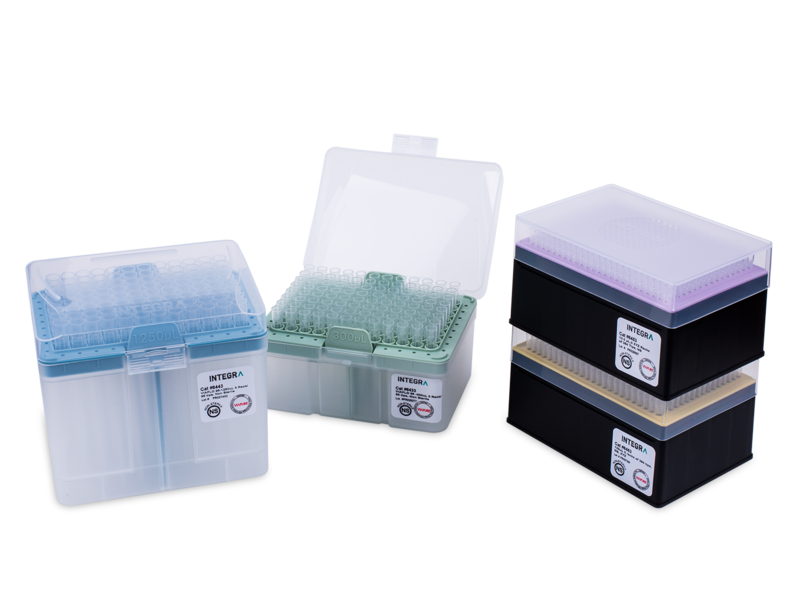
The ASSIST PLUS pipetting robot is used together with the 300 μl 8 channel VOYAGER adjustable tip spacing electronic pipette and 300 μl low retention, sterile, filter GRIPTIPS in this semi-automated workflow to purify nucleic acid (Figure 1).
Downloads: App note and protocols for automated DNA clean-up using the Zymo Research DNA Clean & Concentrator® MagBead Kit
The total DNA clean-up workflow is composed of 3 main steps:
- Binding
- Washing
- Elution
Experimental set-up
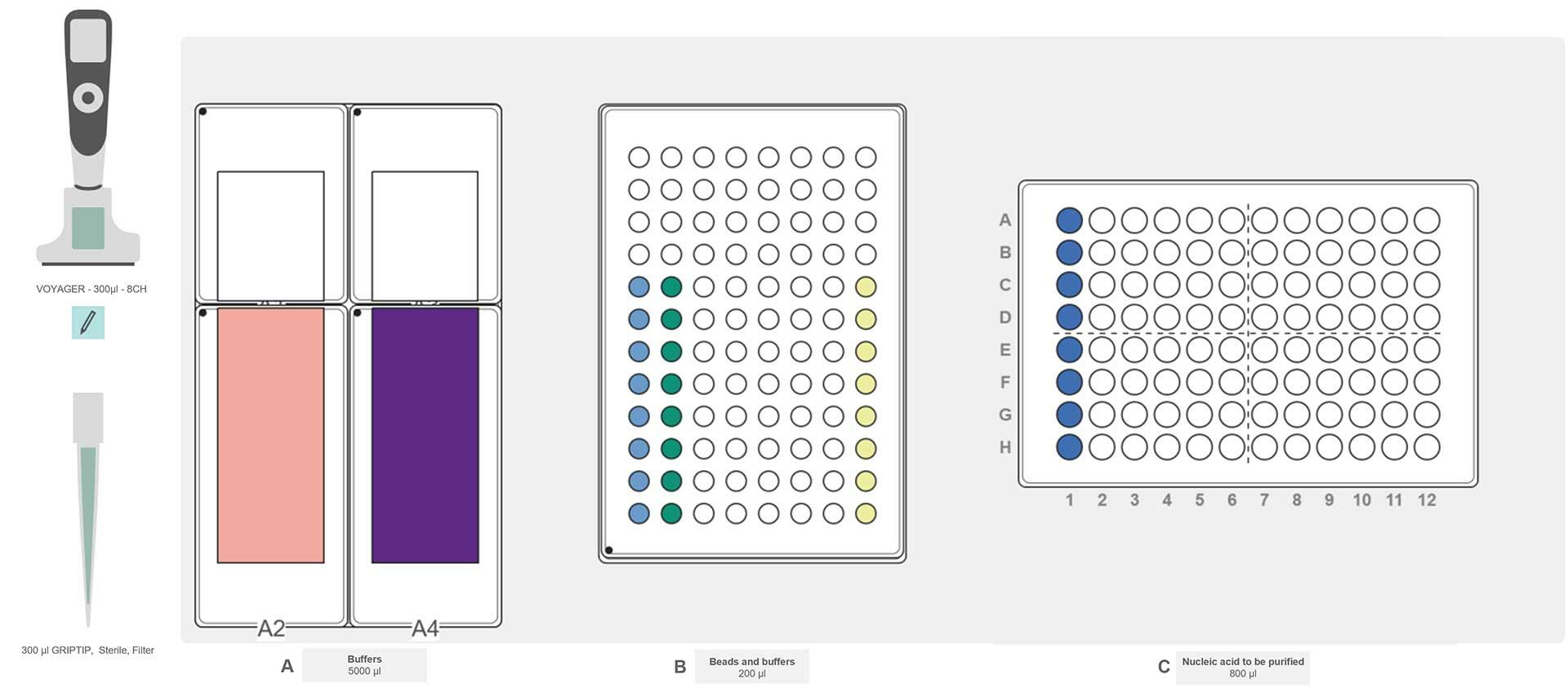
Deck position A: dual reservoir adapter with 2 divided reservoirs
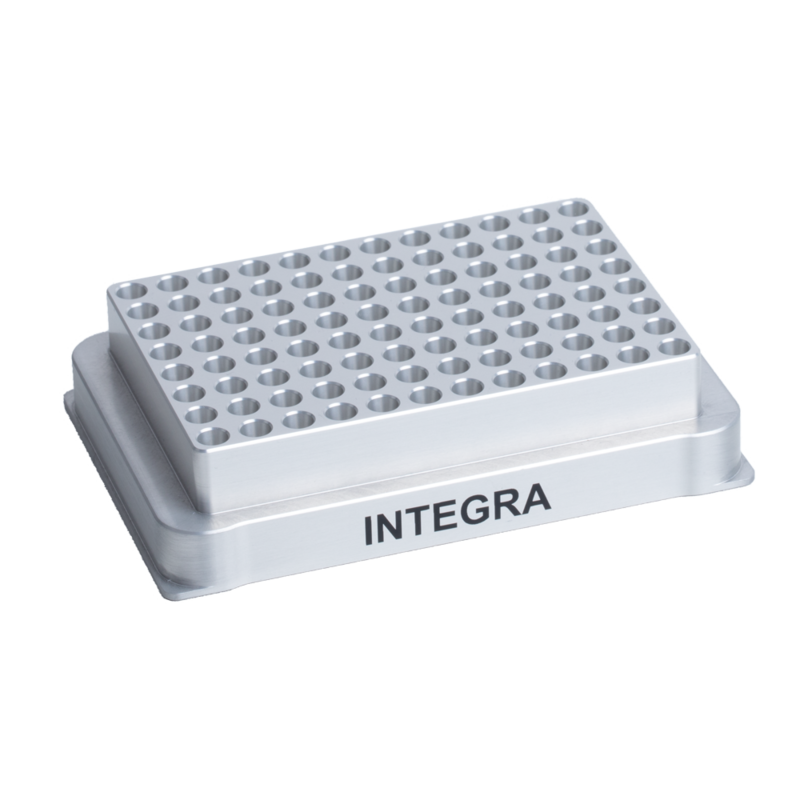
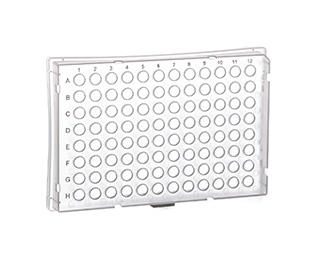
Deck position B: Sapphire 96 well PCR plate (Greiner Bio-one) on a PCR cooling block
Deck position C: Thermo Scientific™ Abgene™ 96 well 0.8 ml polypropylene DeepWell™ plate
Binding
Preparation of samples and addition of buffer and magnetic beads
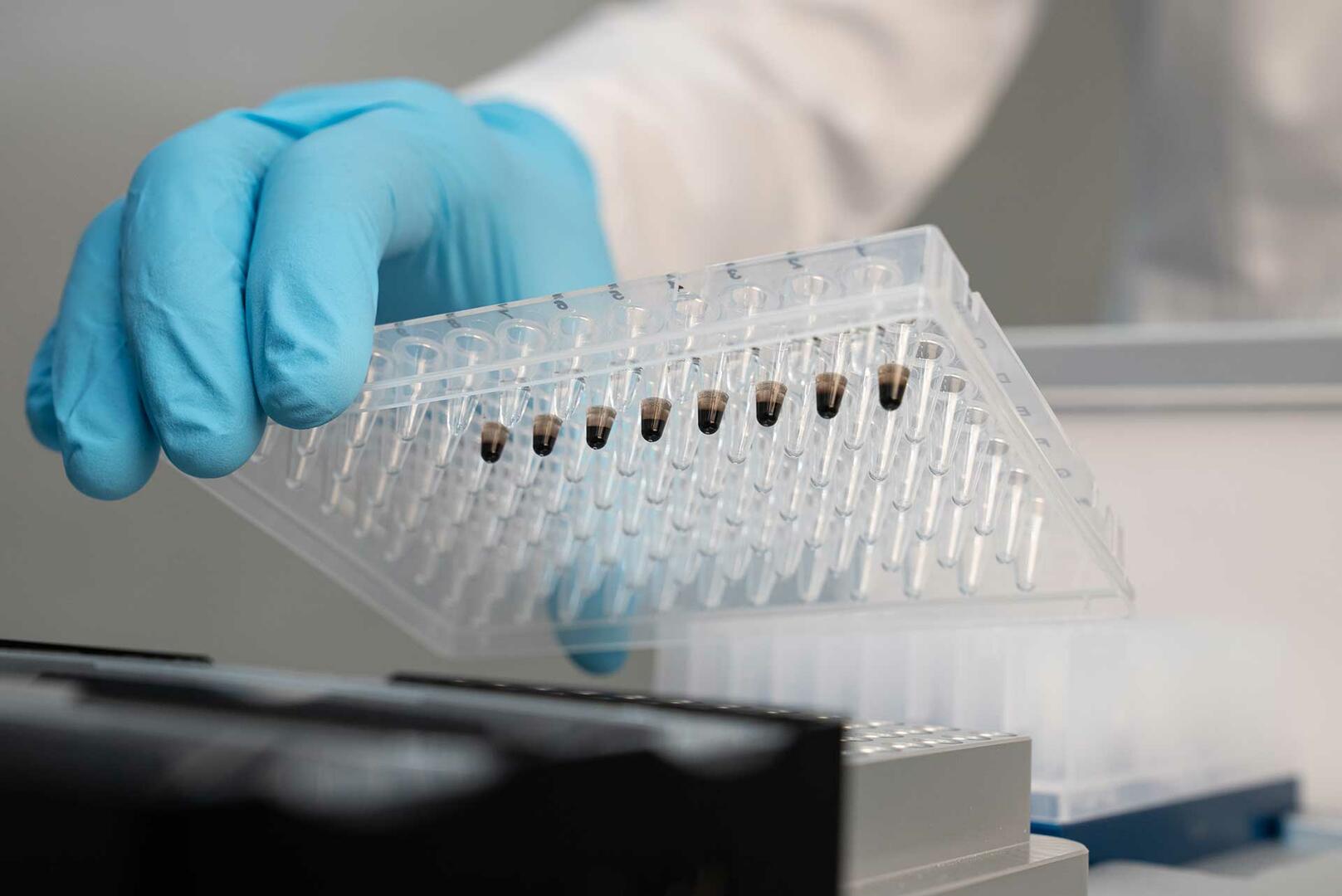
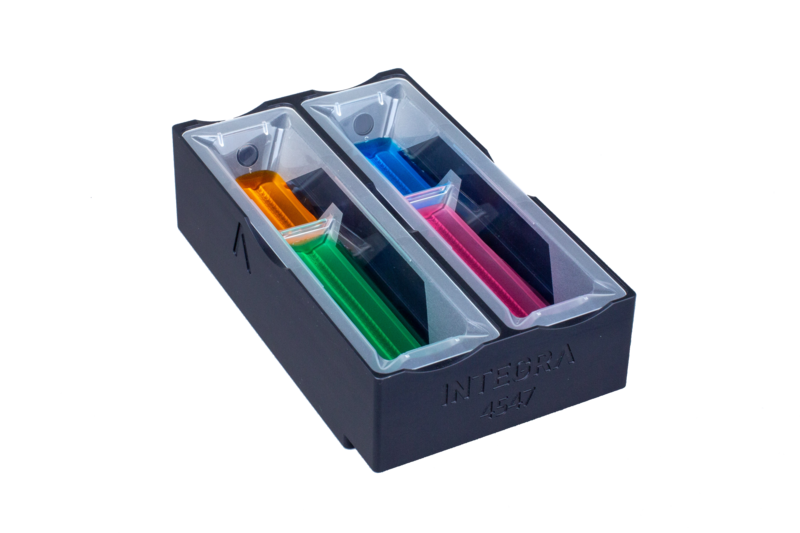
Place the dual reservoir adapter at deck Position A. Place 2 divided reservoirs onto the deck, fill 1 of the 10 ml compartments with 2.2 ml of DNA MagBinding Buffer (Figure 2, pink) and the other with 9 ml of DNA Wash Buffer (Figure 2, lilac). Next, place a 96 well PCR plate with nuclease-free water, MagBinding Beads and DNA Elution Buffer (Figure 2, blue, green and yellow, respectively) at Position B (Figure 3).
Lastly, place the DeepWell plate containing the 30 μl samples (Figure 2, dark blue) at deck Position C.
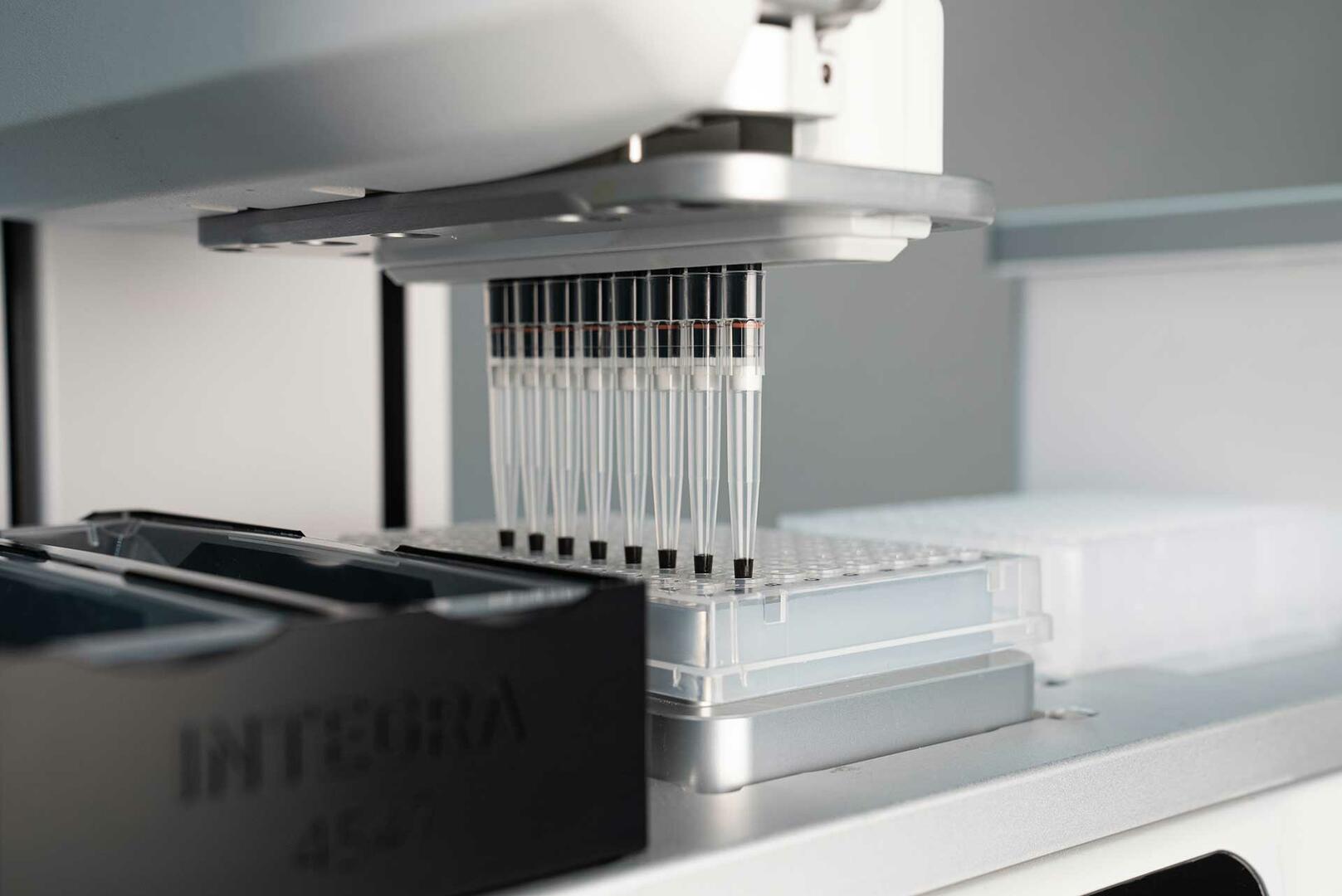
Select and run the VIALAB program 'Zymo DCC'. The VOYAGER adjustable tip spacing electronic pipette will transfer 20 μl of nuclease-free water (with a 5 μl pre- and post-dispense) into the samples, so that the starting volume of the nucleic acid to be purified is 50 μl, as suggested by the DCC kit manufacturer. Next, the correct volume of DNA MagBinding Buffer – corresponding to 4 times the volume of input DNA in this case, 4x50 μl = 200 μl – is added to each sample, followed by 10 cycles of accurate mixing at speed 5. The MagBinding Beads are mixed thoroughly over 10 cycles to ensure they are kept in suspension, and 20 μl of beads are added to the samples (Figure 4). The magnetic beads are then mixed with the nucleic acid to be purified over 15 cycles.
In the next step, the pipetting robot instructs the user to put the DeepWell plate onto the shaker for 10 minutes at 1300 rpm. This step improves the binding of the nucleic acid to the magnetic beads.
After shaking, a message on the pipette will tell the user to put an empty reservoir at deck Position A (A2) for waste and to place the DeepWell plate with the sample and magnetic beads onto the magnetic separation device at deck Position C (Figure 5).
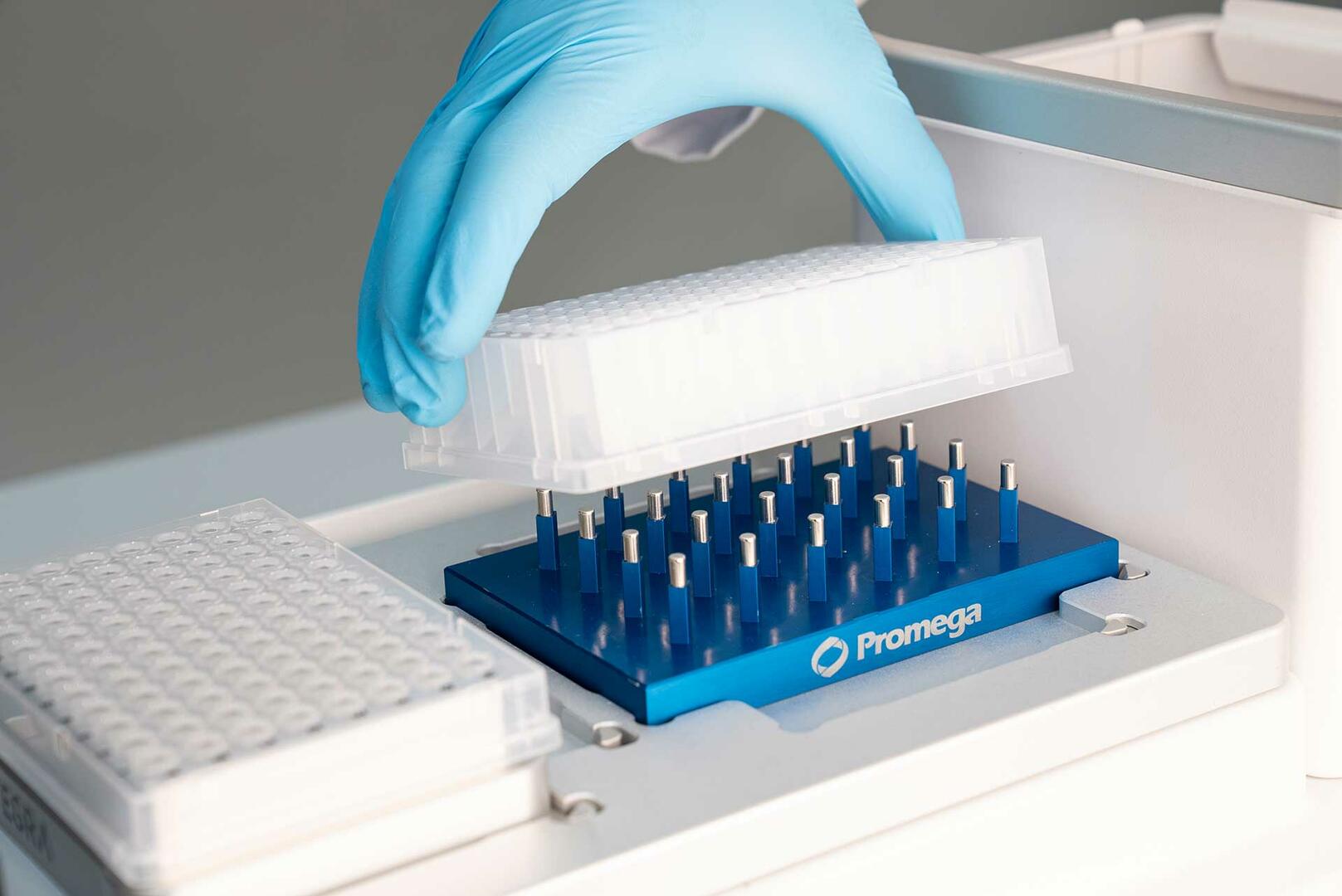
After pressing ‘OK’, a 2-minute incubation will follow to allow magnetic bead capture. The pipetting robot will then automatically move on to the next step, where it will remove the supernatant from the plate on the magnetic separation device.
Tips:
- Pre- and post-dispense steps can be used in liquid transfers throughout this protocol to guarantee precise pipetting.
- Use slow aspiration speeds of 1 or 2 during supernatant removal to avoid magnetic bead loss.
Washing
Purification with DNA Wash Buffer
The pipette directs the user to remove the magnetic separation device and place the DeepWell plate back on Position C. In the first purification step, 500 μl of DNA Wash Buffer is added in 2 transfer steps and mixed with the magnetic beads (Figure 6). Then, a message on the pipette tells the operator to place the DeepWell plate back onto the magnetic separation device at Position C and incubate it for 2 minutes. After incubation, the pipetting robot goes directly to the next step and removes the supernatant. The first washing step is repeated, and then the leftover wash buffer is carefully removed. The pipette informs the user that a 10-minute incubation time is now required to dry the magnetic beads; this incubation step is needed to ensure that residual buffer does not inhibit downstream applications.
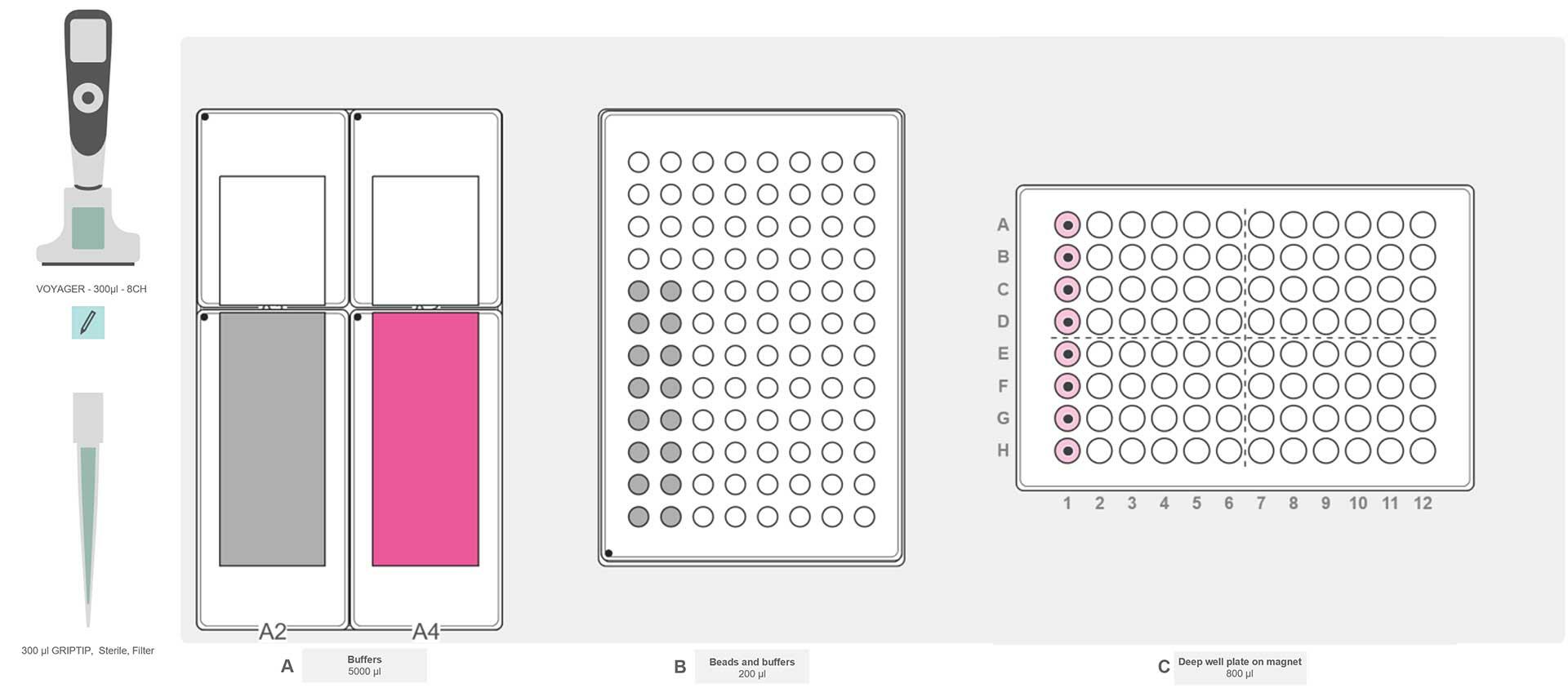
Tip:
- The wash buffer contains ethanol. Make sure you use the correct pipetting speed, air gap and low retention tips for precise pipetting without dripping.
Elution
Eluting the samples in DNA Elution Buffer
After the drying step, the operator should remove the magnetic separation device from below the DeepWell plate. The ASSIST PLUS will add 50 μl of DNA Elution Buffer and then perform 10 mixing cycles (Figure 7). A message will pop up, telling the user that the DeepWell plate should be placed onto the shaker for 5 minutes. This guarantees that all the DNA is eluted from the magnetic beads into the buffer. After shaking, the DeepWell plate should be placed onto the magnetic separation device at Position C, where the magnetic beads will be captured during a 2-minute incubation. The pipetting robot will then inform the user that a new 96 well plate for the eluted DNA should be placed at deck Position B in landscape orientation. In the last step, the pipette transfers 45 μl of eluted DNA to the new 96 well plate.
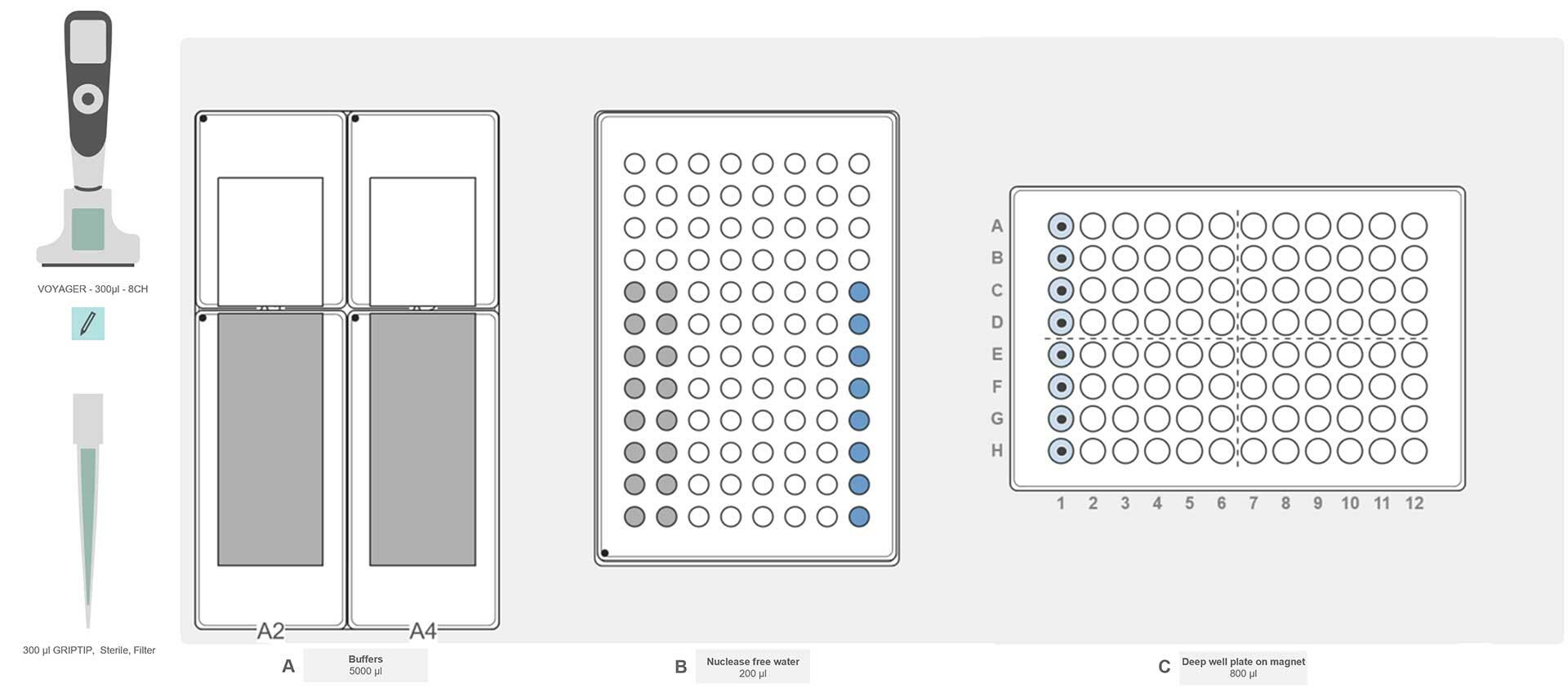
Tip:
- The eluted DNA can be used immediately or stored at -20 °C until further use.
Results
The automated DCC MagBead protocol on the ASSIST PLUS shows high DNA recovery from PCR, that is ready to use in any downstream application. The automated workflow resulted in greater DNA yield, better purity (A260/A280 and A260/A230 ratios) and higher reproducibility (lower SD values).
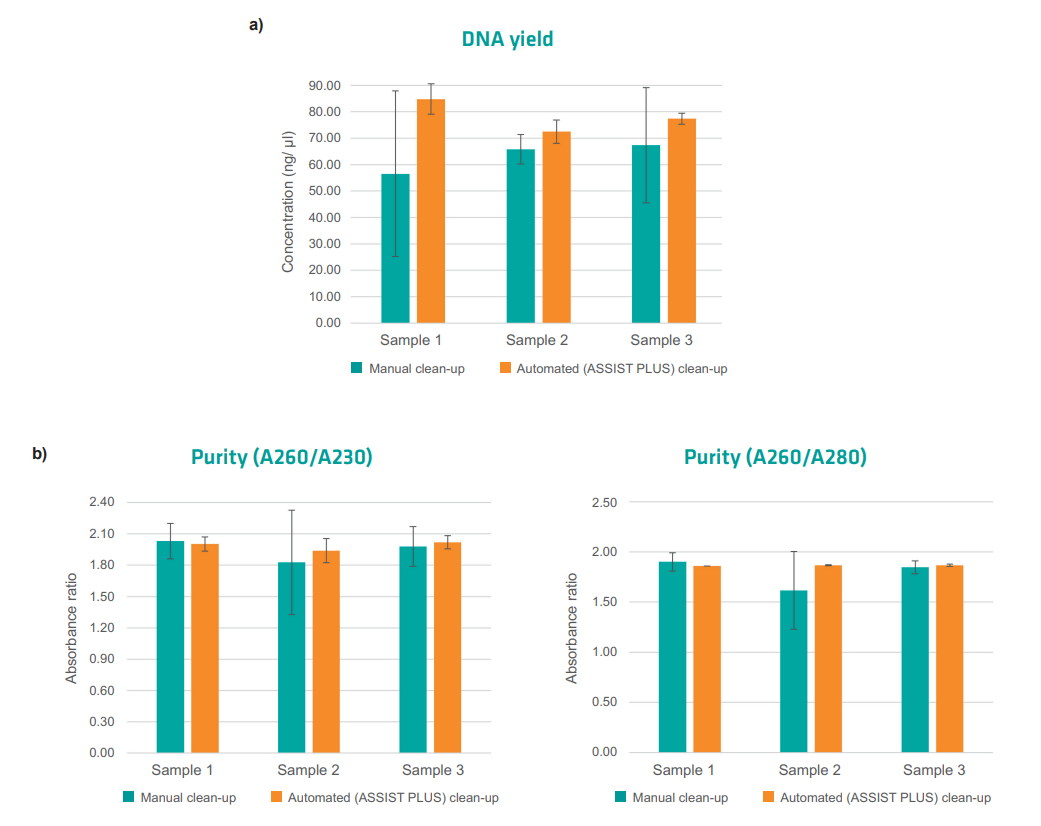
Remarks
- VIALAB software: VIALAB programs can be easily adapted to the user’s specific labware and protocols.
- Run report: If the ASSIST PLUS pipetting robot is connected to the PC with VIALAB, programs can be started directly from the PC. A report is automatically generated after a run, documenting details such as the start/end time, user, calculated volumes and any errors that occurred. This offers a convenient way to fulfill regulatory requirements.
Conclusion
Ask our expert. Leave a comment!
Write us if you have any questions regarding the application note or one of our instruments.
Any questions? I'm happy to help!
Instruments and accessories
ASSIST PLUS, Pipetting Robot
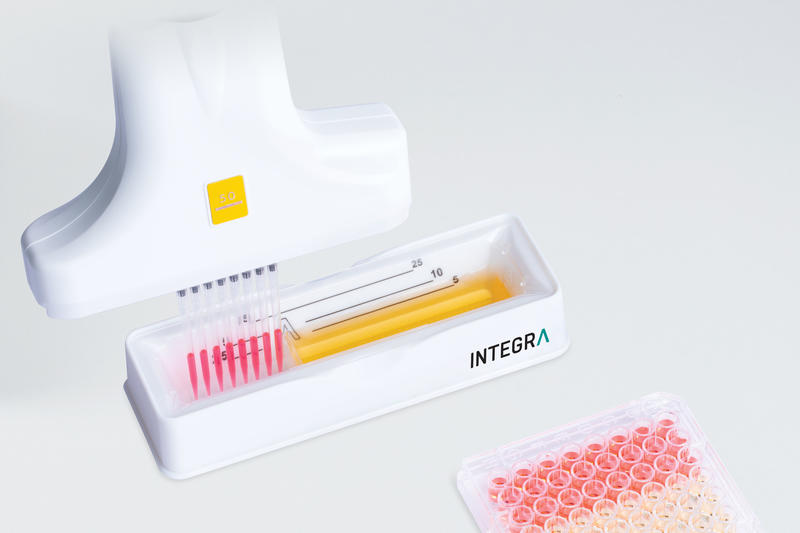
INTEGRA has developed the ASSIST PLUS pipetting robot to streamline routine pipetting tasks at an affordable price. Using INTEGRA electronic multichannel pipettes, the system:
- automates pipetting tasks,
- eliminates physical strain and
- ensures superior reproducibility and
- error free pipetting.
Part No. 4505
Downloads
Download App Note as PDF
DownloadAutomated DNA clean-up using the Zymo Research DNA Clean & Concentrator® MagBead Kit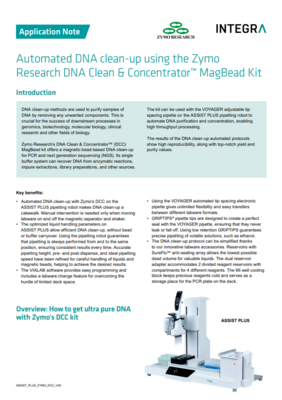
Customer’s voice
We have many operations that are performed in column or plate format and the ASSIST PLUS and MINI 96s have drastically reduced the time needed for many of the pipetting steps. As important, they also reduce the risk of error when pipetting many samples.
Related products
Applications
Show all-
End-to-end Twist library preparation protocol for NGS workflow automation
-
Streamlining single-cell sequencing with the Flex Apex workflow using automated liquid handling solutions
-
Optimizing DNA fragmentation and NGS library preparation with automated liquid handling
-
A simple and streamlined workflow for membrane protein isolation
Stories
Show all-
 · Company News
Streamlining CRISPR workflows, from editing to analysis
-
 · Customer Testimonial
Enhancing the consistency of ag-tech R&D processes with the ASSIST PLUS pipetting robot
-
 · Product News
Magnetic beads represent a modern approach to gDNA isolation
-
 · Product News
Magnetic beads for NGS size selection and PCR purification