


-
Quidel® Lyra® Direct SARS-CoV-2 automated assay set-up using the ASSIST PLUS pipetting robot
Get SARS-CoV-2 test results in less than 70 minutes
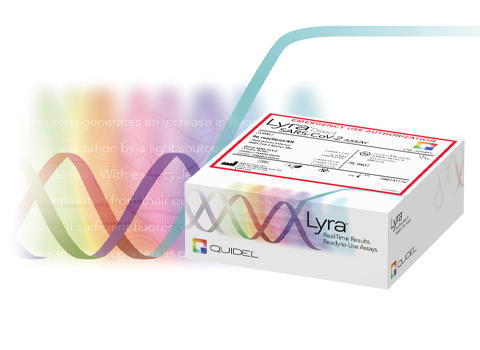
The Quidel Lyra Direct SARS-CoV-2 Assay is an open platform amplification assay for the detection of SARS-CoV-2 viral nucleic acid in human nasal specimens. While the Lyra Direct procedure may be manually pipetted for assay set-up, both low and high throughput laboratories prefer automated solutions to ensure accuracy and efficiency. Quidel has partnered with INTEGRA Biosciences to meet this need by providing Lyra Direct customers with customized automation using the ASSIST PLUS pipetting robot. Automation of VIAFLO electronic pipettes on the ASSIST PLUS ensures that all pipetting steps are performed reproducibly, overcoming inter-operator variability and freeing up time for lab staff. This fully validated automated process from Quidel and INTEGRA offers a turnkey solution for diagnostic labs.
-
Table of contents
The Quidel Lyra Direct SARS-CoV-2 Assay is an open platform amplification assay for the detection of SARS-CoV-2 viral nucleic acid in human nasal specimens. While the Lyra Direct procedure may be manually pipetted for assay set-up, both low and high throughput laboratories prefer automated solutions to ensure accuracy and efficiency. Quidel has partnered with INTEGRA Biosciences to meet this need by providing Lyra Direct customers with customized automation using the ASSIST PLUS pipetting robot. Automation of VIAFLO electronic pipettes on the ASSIST PLUS ensures that all pipetting steps are performed reproducibly, overcoming inter-operator variability and freeing up time for lab staff. This fully validated automated process from Quidel and INTEGRA offers a turnkey solution for diagnostic labs.
Key benefits
Overview: How to automate the Quidel Lyra Direct SARS-CoV-2 Assay
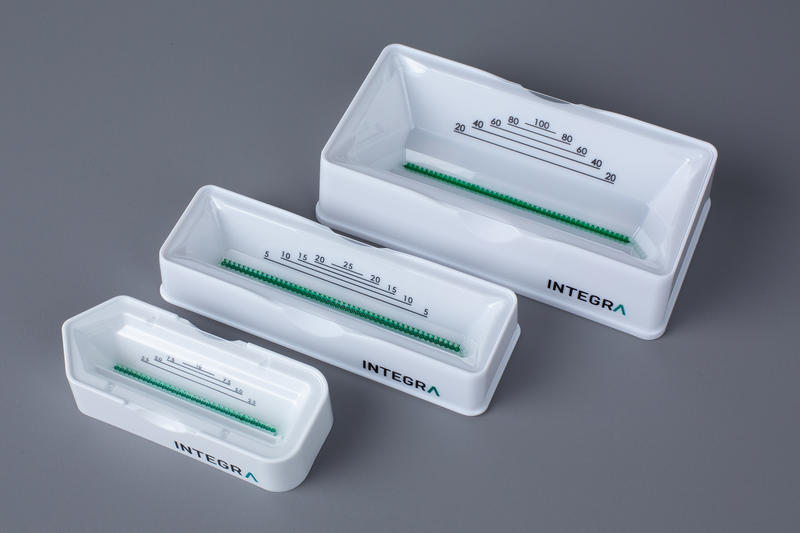
Patient sample swabs are immersed in the process buffer to release viral particles. Afterwards, a VIAFLO 8 channel 125 μl electronic pipette paired with the ASSIST PLUS pipetting robot dispenses the master mix and the samples into the PCR plate in one program. Minimal excess volume of master mix is required when using INTEGRA multichannel SureFlo™ reagent reservoirs. The 10 ml reservoir requires a dead volume of less than 30 μl. Accurate dispensing of master mix and 96 samples/controls is completed in 11 minutes.
Tips:
- To save time and resources, the pipette’s Repeat Dispense mode is used for all reagent addition steps.
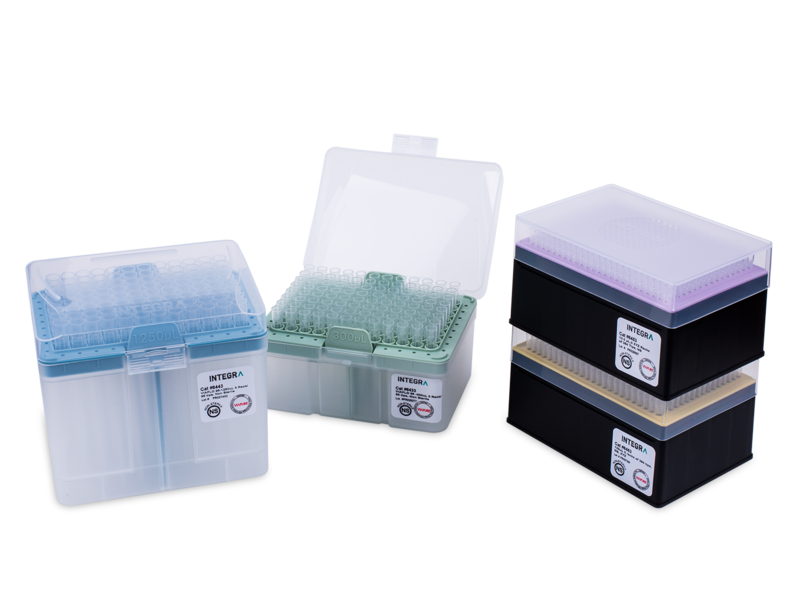
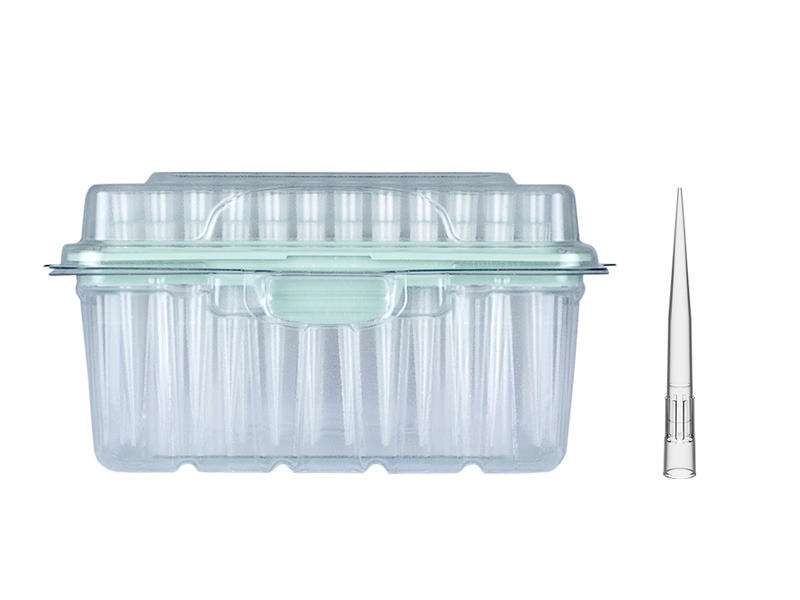
- The use of Sterile, Filter GRIPTIPS® ensures reagents and samples are kept free from contaminants or inhibitors.
The protocol is divided into two parts:
- Program 1: Dispense process buffer into a 96 deep well plate (Dispense_buffer)
- Program 2: Prepare PCR plate by adding master mix and processed samples (PCR_set-up)
Downloads: App note, protocols and reports for automated SARS-CoV-2 assay set-up
Here you can download the complete protocols and reports used in this application and use them on your ASSIST PLUS. The protocol can be customized with the VIALAB software.
Experimental set-up program 1: Dispense process buffer into a 96 deep well plate
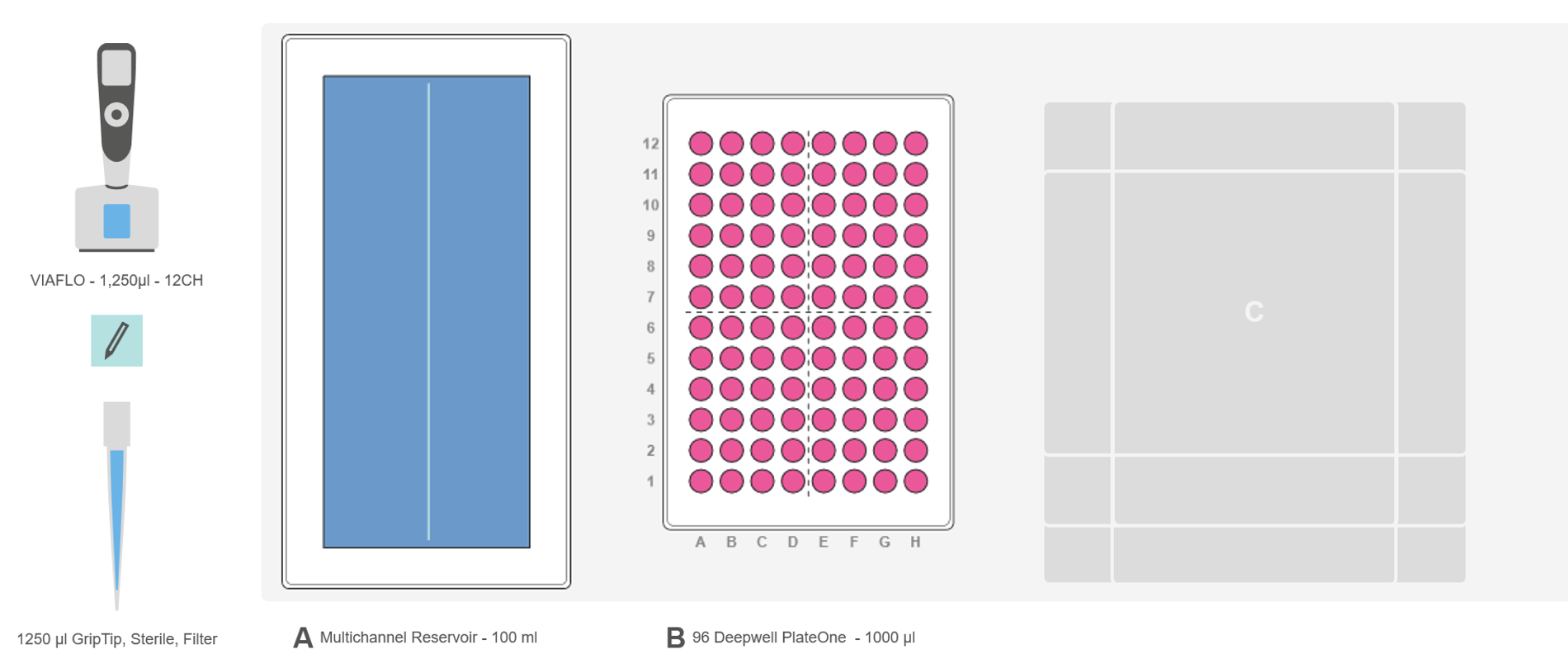
| Deck position A: | 100 ml multichannel reagent reservoir containing 40 ml process buffer. |
| Deck position B: | 96 deep well plate. |
| Deck position C: | Empty. |
1. Dispense buffer
Dispense process buffer into a 96 deep well plate
Pour 40 ml of process buffer into a 100 ml multichannel reagent reservoir and place it on deck position A of the ASSIST PLUS. Place one 96 deep well plate on deck position B in portrait orientation. Place 1250 μl Sterile, Filter GRIPTIPS® onto the deck of the ASSIST PLUS in portrait orientation and install the 12 channel 1250 μl VIAFLO electronic pipette. Select the VIALAB program 'Dispense_buffer' on the VIAFLO pipette and choose Run. The pipette will dispense 400 μl of process buffer into each well of the deep well plate in less than 90 seconds.
Tip:
- For busy labs processing more than one plate per day, workflow efficiencies may be gained by preparing multiple process buffer plates before proceeding to PCR plate set-up.
Following preparation of the deep well plate, patient swabs are immersed into the process buffer to release viral particles. The deep well plate is then heated at 95 ºC for 10 minutes followed by cooling to between 2 and 25 ºC. Samples are then ready to be added to the prepared PCR plate.
Experimental set-up program 2: Prepare PCR plate by adding master mix and processed samples
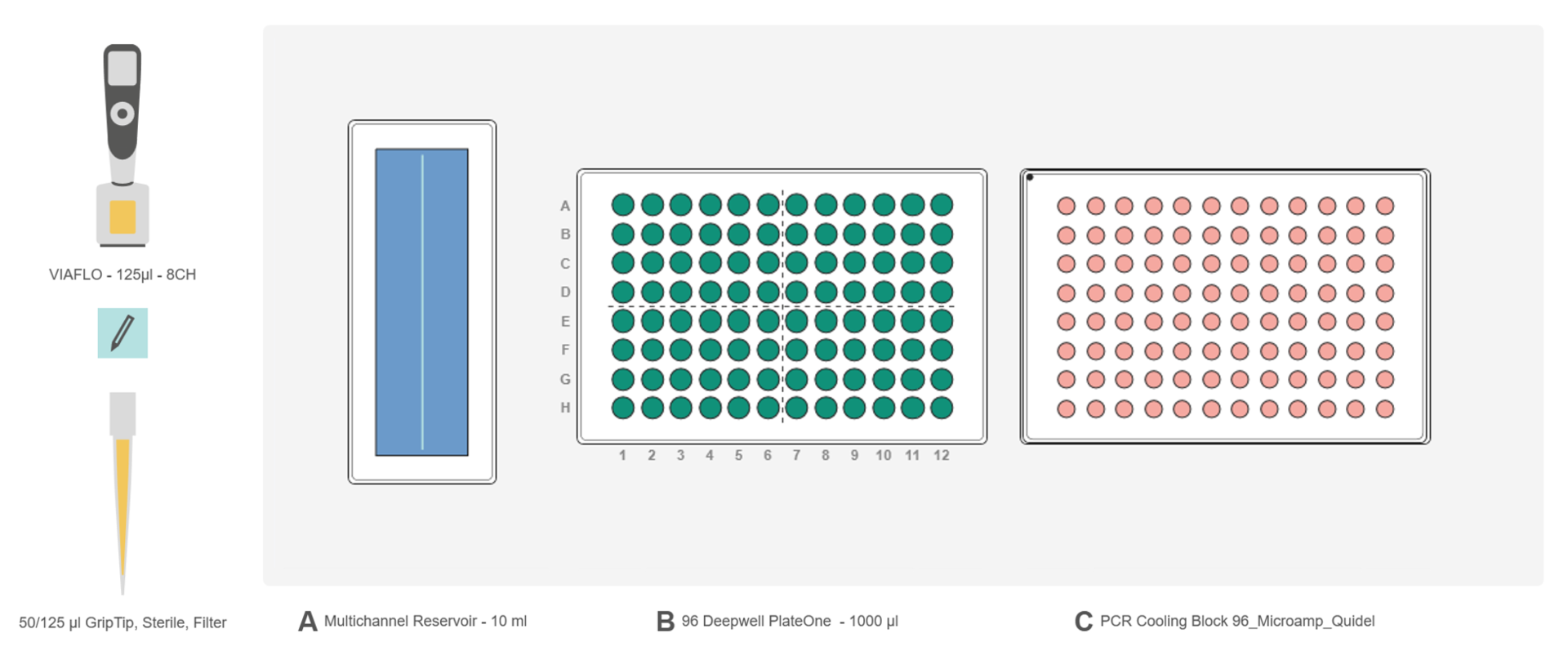
| Deck position A: | 10 ml multichannel SureFlo reagent reservoir containing 1620 μl rehydrated Quidel Lyra Direct SARS CoV-2 master mix. |
| Deck position B: | 96 well, deep well plate containing processed sample material from the previous step. |
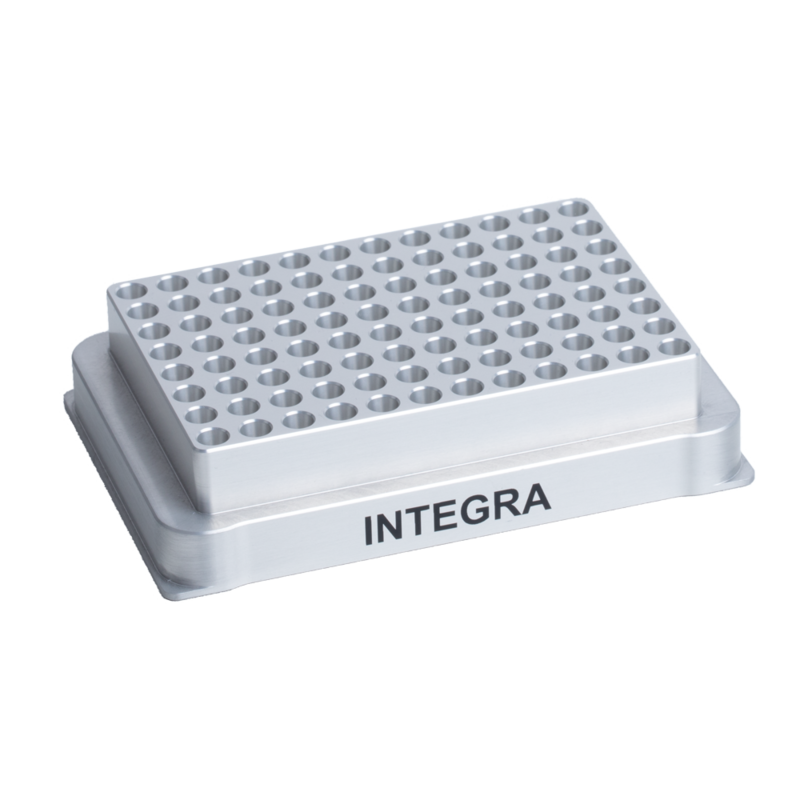
| Deck position C: | 96 well PCR plate on PCR cooling block. (Refer to Quidel Lyra Direct SARS-CoV-2 instructions for use for part numbers.) |
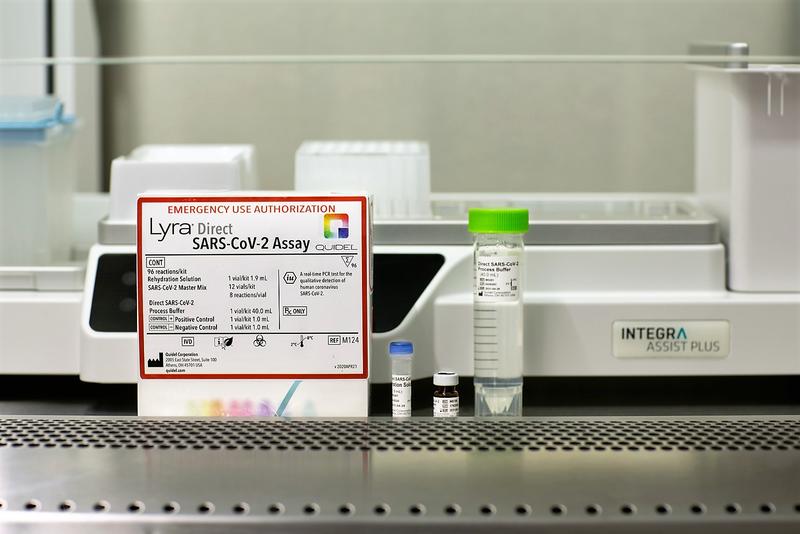
Rehydration of master mix: Rehydrate 12 vials of Quidel Lyra master mix by carefully adding 135 μl of the supplied master mix rehydration solution to each vial using an EVOLVE single channel 20-200 μl pipette. Once rehydration is complete, pipette the contents of all 12 vials of master mix into a 10 ml multichannel SureFlo reagent reservoir without introducing air bubbles.
2. PCR set-up
Set-up PCR plate with master mix and processed samples
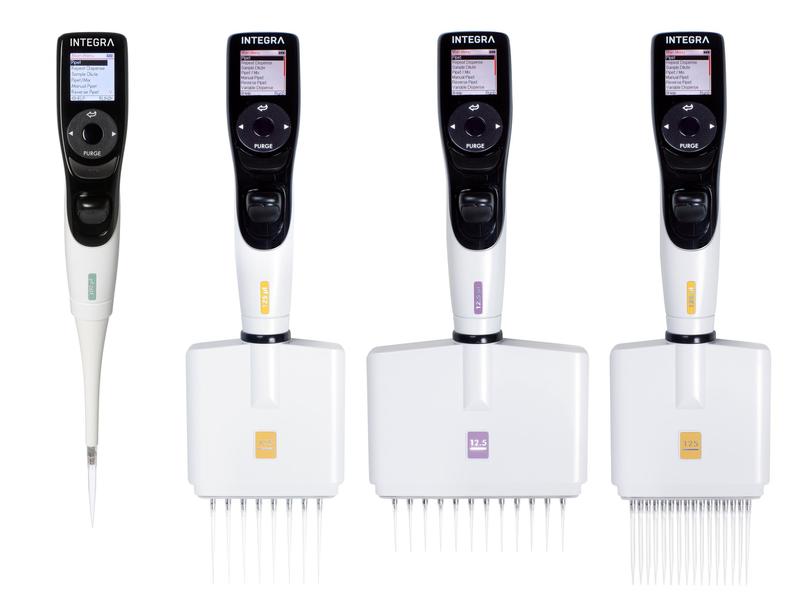
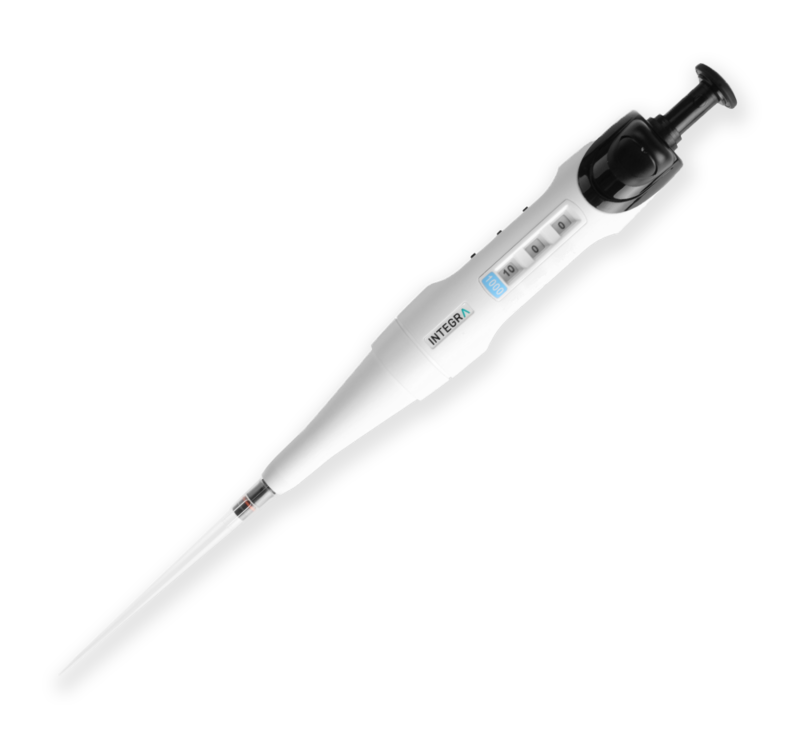
Load a 10 ml multichannel SureFlo reagent reservoir onto deck position A. Add 1620 μl of rehydrated master mix to the reservoir. Place the previously prepared sample deep well plate on position B in landscape orientation. Place an INTEGRA cooling block plate holding a 96 well PCR plate on position C. Place the VIAFLO 8 channel 125 μl electronic pipette on the ASSIST PLUS and a box of INTEGRA 125 μl Sterile, Filter GRIPTIPS® on the instrument. Select and run the VIALAB program 'PCR_set-up' on the pipette.
First, the pipette dispenses 15 μl of master mix into each well of the 96 well PCR plate. 5 μl of sample is then dispensed into each well of the PCR plate. Prior to dispensing, each sample is thoroughly mixed by the pipetting robot according to the instructions for use. Automation of this mixing and dispensing step not only ensures the accuracy of the assay, but also eliminates the risk of repetitive strain injury to the operator. Error-free dispensing of master mix, mixing samples and sample addition to the 96 well plate is accomplished in 11 minutes. The PCR plate may be sealed and loaded onto the thermocycler for amplification and analysis on completion of this step.
Tip:
- INTEGRA VIAFLO 125 μl pipettes are calibrated to accurately dispense 5-125 μl. This range allows the same pipette to be used for robust mixing of 120 μl of sample per mix cycle, followed by a
5 μl dispense without changing tips. This conserves pipette tips and speeds up the process by eliminating the need to switch between two different volume pipettes.
Results
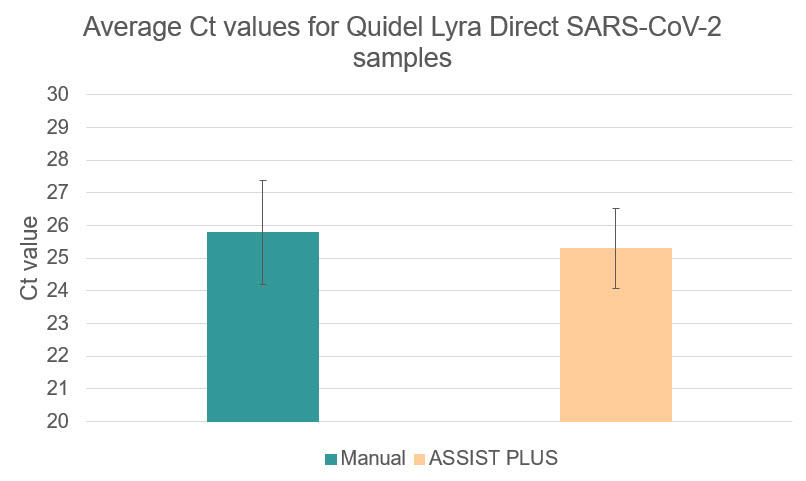
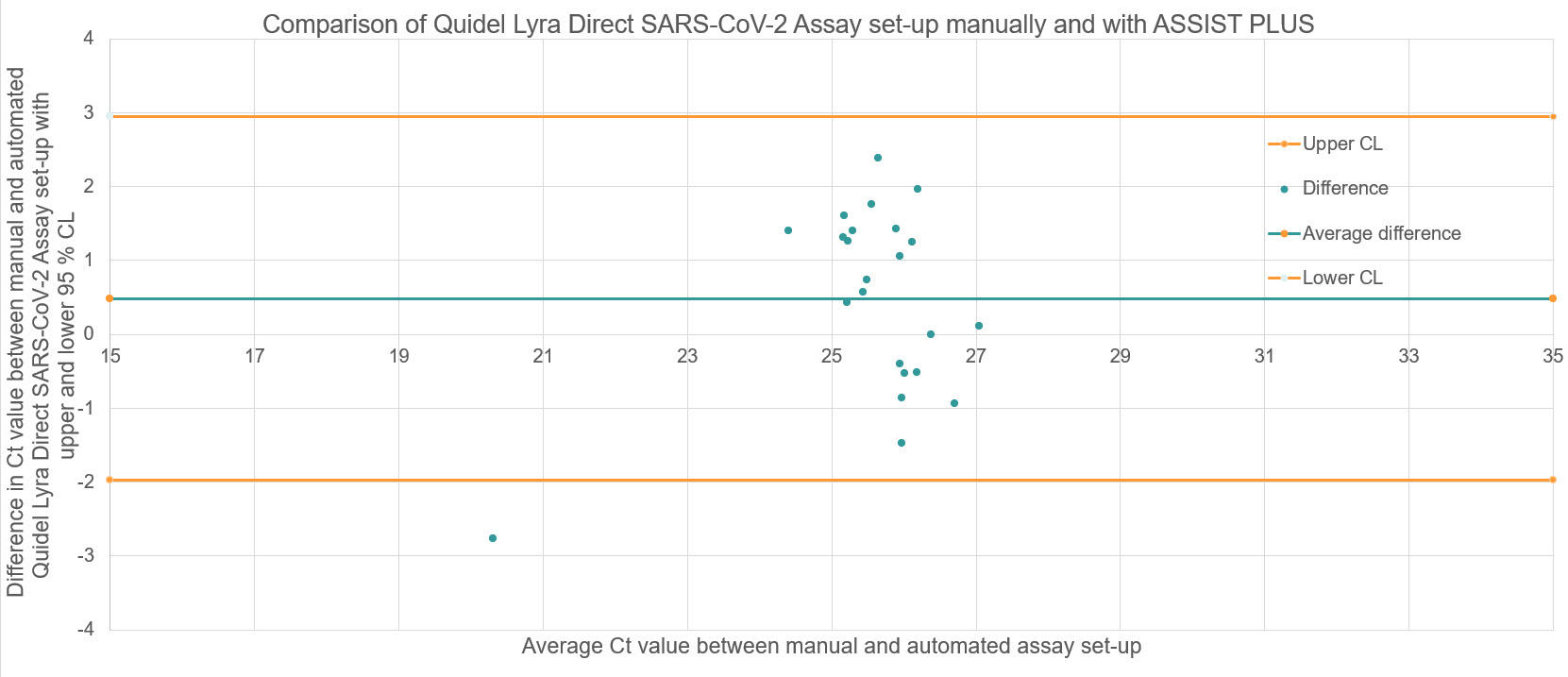
The assay was validated by setting up 22 samples at 1x LOD and 22 samples at 0.75x LOD manually and automated on the ASSIST PLUS. Both sets of samples were then tested using the Lyra Direct SARS-CoV-2 Assay.
At 1x LOD all samples gave a positive result in both the manual and automated approaches. Of the 0.75x LOD samples, 86 % of specimens set up on the ASSIST PLUS were positive and 59 % of those prepared manually. The average Ct values of the 1x LOD samples and the agreement between the two processing methods are displayed in Figure 3 and 4.
Conclusion
Ask our expert. Leave a comment!
Write us if you have any questions regarding the application note or one of our instruments.
Any questions? I'm happy to help!
Instruments and accessories
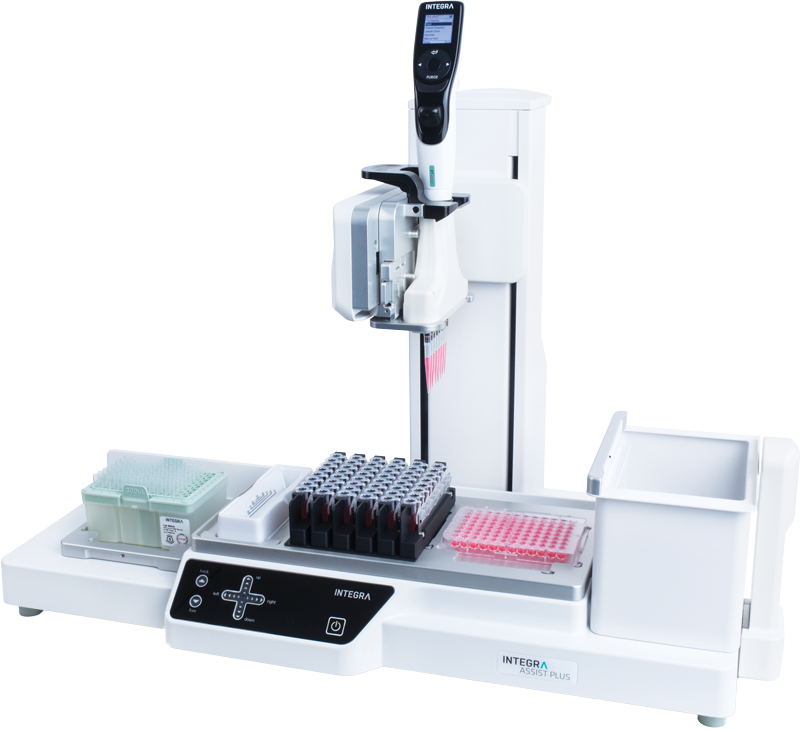
ASSIST PLUS, Pipetting Robot
INTEGRA has developed the ASSIST PLUS pipetting robot to streamline routine pipetting tasks at an affordable price. Using INTEGRA electronic multichannel pipettes, the system:
- automates pipetting tasks,
- eliminates physical strain and
- ensures superior reproducibility and
- error free pipetting.
Part No. 4505
Download
Download App Note as PDF
DownloadQuidel® Lyra® Direct SARS-CoV-2 automated assay set-up using the ASSIST PLUS pipetting robot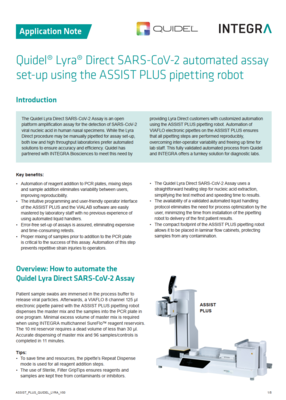
Customer’s voice
The Assist Plus is remarkably easy to use even by an inexperienced person. The software is well arranged and everything can be simulated before transferring to the pipette. I have now used it for few months and it has made a huge difference in accuracy and repeatability of our pipetting, not to mention saving a lot of time, every time.
Related products

Applications
Show all-
End-to-end Twist library preparation protocol for NGS workflow automation
-
A simple and streamlined workflow for membrane protein isolation
-
Streamlining single-cell sequencing with the Flex Apex workflow using automated liquid handling solutions
-
Optimizing DNA fragmentation and NGS library preparation with automated liquid handling
Stories
Show all-
 · Company News
Streamlining CRISPR workflows, from editing to analysis
-
 · Customer Testimonial
Enhancing the consistency of ag-tech R&D processes with the ASSIST PLUS pipetting robot
-
 · Product News
Magnetic beads represent a modern approach to gDNA isolation
-
 · Product News
Magnetic beads for NGS size selection and PCR purification