


-
High-throughput, 3D assay development on spheroids in 1536 well plates
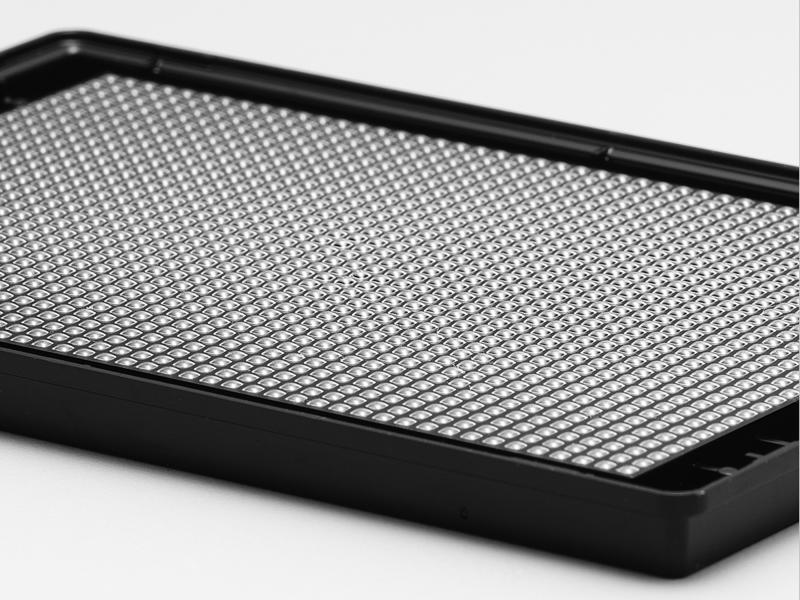
An automated method for seeding, dosing, and assaying spheroids in a Corning 1536-well spheroid microplate using the VIAFILL and VIAFLO 384
3D cell models are often a better representation of the in vivo environment than traditional 2D methodologies. Accordingly, spheroid and other 3D models are increasingly being used for drug discovery. A high throughput system is essential to meet the 3D cell screening and 3D cell culture demands of most large-scale drug discovery programs. An automated method has been established for seeding, dosing and assaying spheroids in Corning 1536-well spheroid microplates using INTEGRA Biosciences’ VIAFILL reagent dispenser and VIAFLO 384 handheld electronic pipette. With a maximum volume of 14 μl per well, accurate liquid handling is essential for the generation of quality data. The method was proven to generate robust, high quality data for assay development and high throughput screenings.
-
Table of contents
3D cell models are often a better representation of the in vivo environment than traditional 2D methodologies. Accordingly, spheroid and other 3D models are increasingly being used for drug discovery. A high throughput system is essential to meet the 3D cell screening and 3D cell culture demands of most large-scale drug discovery programs. An automated method has been established for seeding, dosing and assaying spheroids in Corning 1536-well spheroid microplates using INTEGRA Biosciences’ VIAFILL reagent dispenser and VIAFLO 384 handheld electronic pipette. With a maximum volume of 14 μl per well, accurate liquid handling is essential for the generation of quality data. The method was proven to generate robust, high quality data for assay development and high throughput screenings.
Key benefits
Overview: High-Throughput, 3D Assay Development
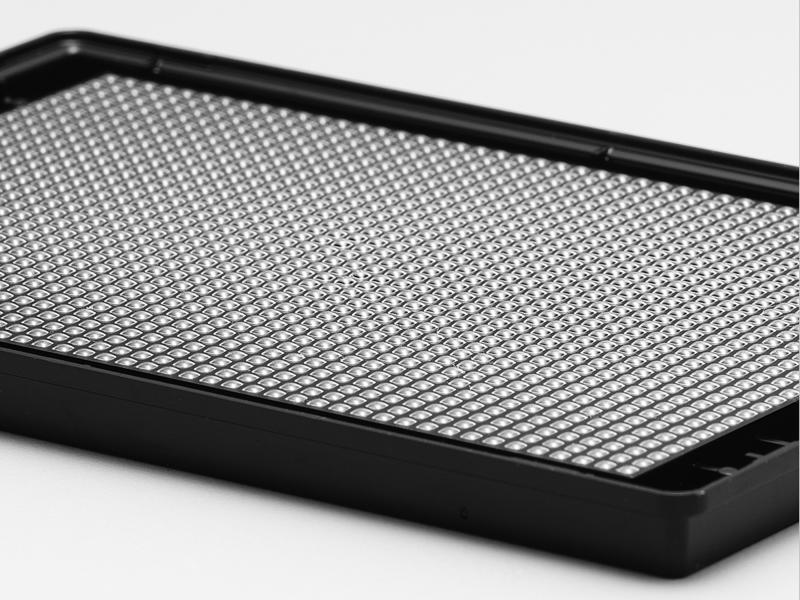
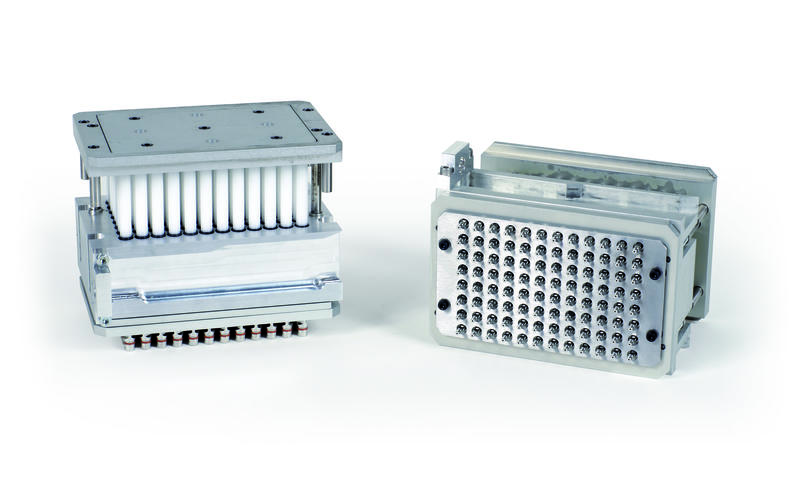
DU 145 (ATCC® HTB-81™) and PANC-1 (ATCC CRL-1469™) cells were routinely cultured in DMEM containing 10 % FBS. Cells were seeded into Corning 1536-well spheroid microplates at 1000 cells per well, in a volume of 5 μl per well, using the VIAFILL with the 16 channel dispensing cassette. The pipetting steps were performed using a VIAFLO 384 together with a 384 pipetting head (0.5-12.5 μl), an adjustable spring loaded plate holder with 1536 offset, and 12.5 μl SHORT, Sterile, Filter GRIPTIPS.
The experiment is divided into three steps:
- Step 1: Spheroid formation
- Step 2: Homogenous cell-based assay
- Step 3: High-content imaging assay
Step-by-step procedure
1. Spheroid formation
Cell seeding into the Corning 1536-well spheroid microplates using the VIAFILL reagent dispenser.
Accurate handling of the cell suspension during seeding is critical to ensure that the spheroids are of uniform size across the entire microplate. For rapid cell seeding, use the VIAFILL reagent dispenser.
Install the 16 channel dispensing cassette, and place the Corning 1536-well Spheroid Microplate on the plate sledge of the VIAFILL reagent dispenser. If using the VIAFILL with a 16 channel dispensing cassette and a 1536 well plate for the first time, adjust the stage alignment and save the settings. The stage alignment only has to be done once. Use the Repeat Dispense function of the VIAFILL to quickly fill the wells at 1000 cells per well, in a volume of 5 μl per well, with a touch off. Incubate the plates overnight at 37 °C in a humidified CO2 incubator to allow for spheroid formation.
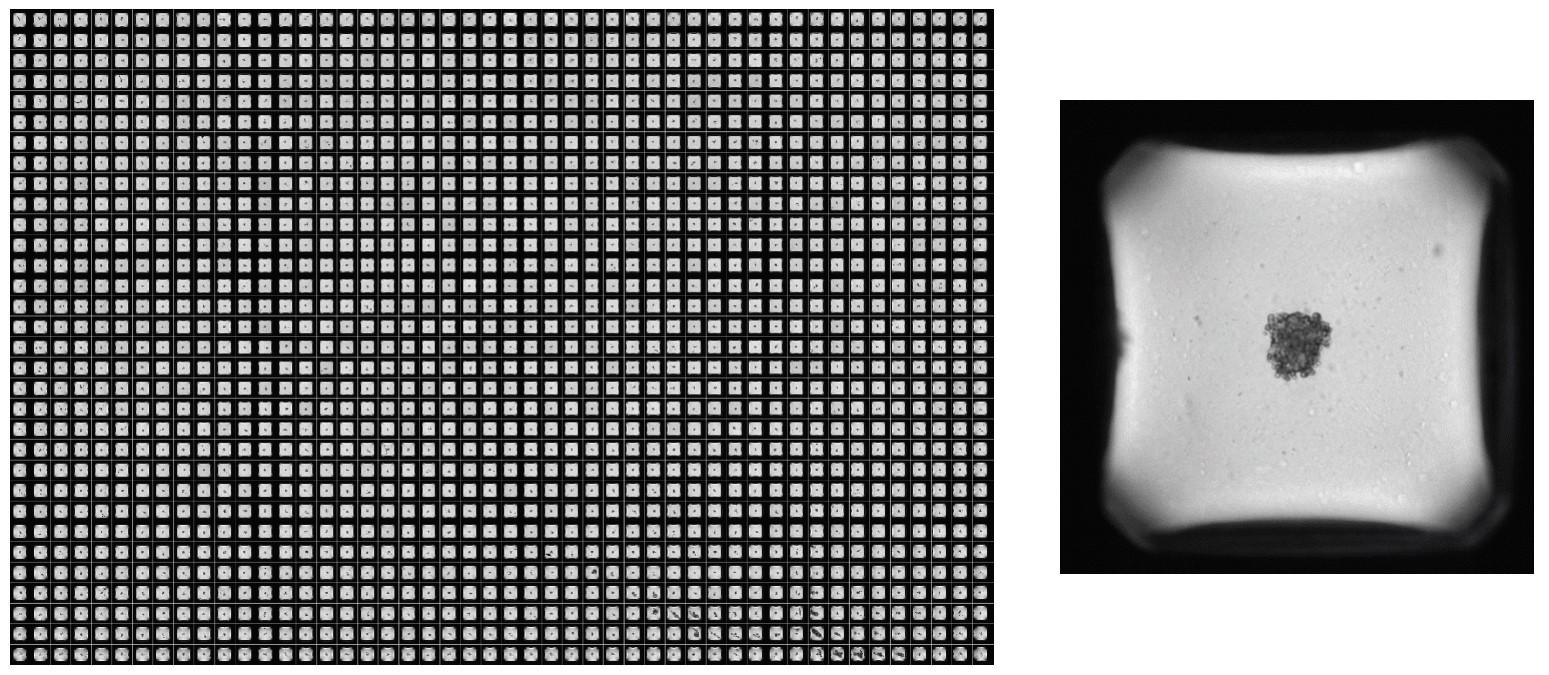
Experimental results (Corning) showed the formation of uniform, single spheroids in each well across an entire microplate (Figure 1).
Tips:
- Remove the dispensing cassette crash guards to dispense the cells into the 1536 well plate with a touch off.
- Using the VIAFILL reagent dispenser allows accurate, automatic seeding in less than 1 minute per plate.
- The VIAFILL can be paired with the plate stacker for an increased capacity of up to 50 plates at a time.
2. Homogenous cell-based assay
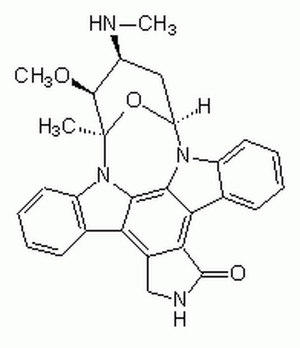
Spheroid treatment with staurosporine to assess the uniformity of signal, signal-to-background ratio (S/B) and calculated Z' values, and demonstrate the utility of this experimental design for 3D cell screening.
Uniformity of signal was demonstrated by treating sections of the microplate with a single concentration of buffer (control) or staurosporine to induce cell death. Spheroid viability was assessed with a homogenous luminescence cell viability assay.
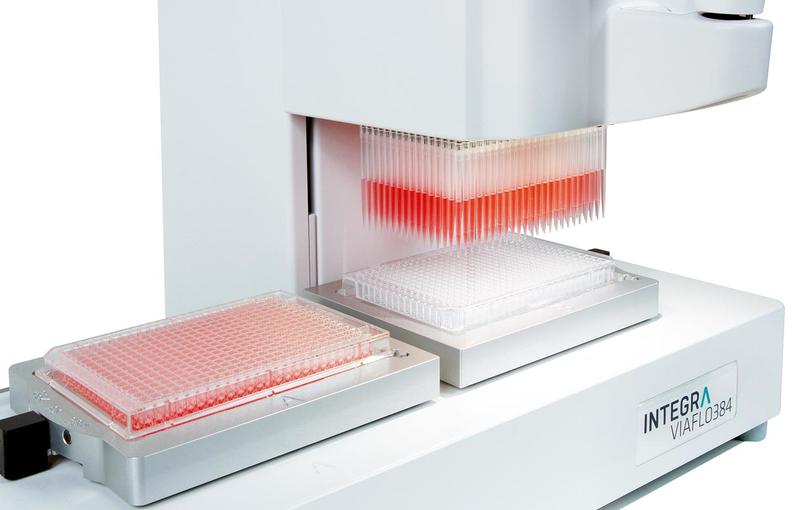
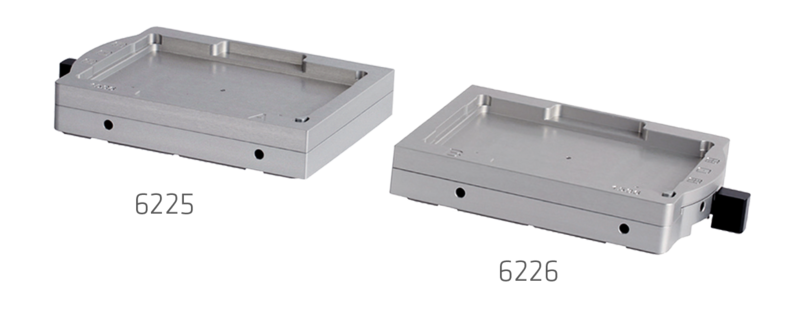
After DU 145 spheroid formation, dispense 1 μl of 6 μM staurosporine or buffer into each well. Use the VIAFLO 384 with a 384 channel pipetting head (0.5-12.5 μl) and 12.5 μl SHORT Sterile, Filter GRIPTIPS. Insert the Corning 1536-well Spheroid Microplate into an adjustable spring loaded plate holder B with 1536 offset placed on Position B. If using for the first time, adjust the plate holder to the Corning 1536-well Spheroid Microplate for a perfect tip alignment. Set the Tip Align strength to 3 to easily and rapidly access the center of the tiny wells of the 1536 well microplate. Use the slide function of the plate holder to move the 1536 well plate and access all four quadrants with the 384 channel pipetting head. Incubate the plates overnight at 37 °C in a humidified CO2 incubator.
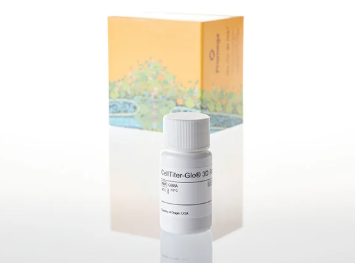
The next day, transfer 6 μl of CellTiter-Glo® 3D reagent from a 150 ml automation friendly reagent reservoir placed on Position A to each well, and incubate at room temperature for 1 hour. The luminescence signal is then read using a microplate reader (Tecan Infinite® M200).
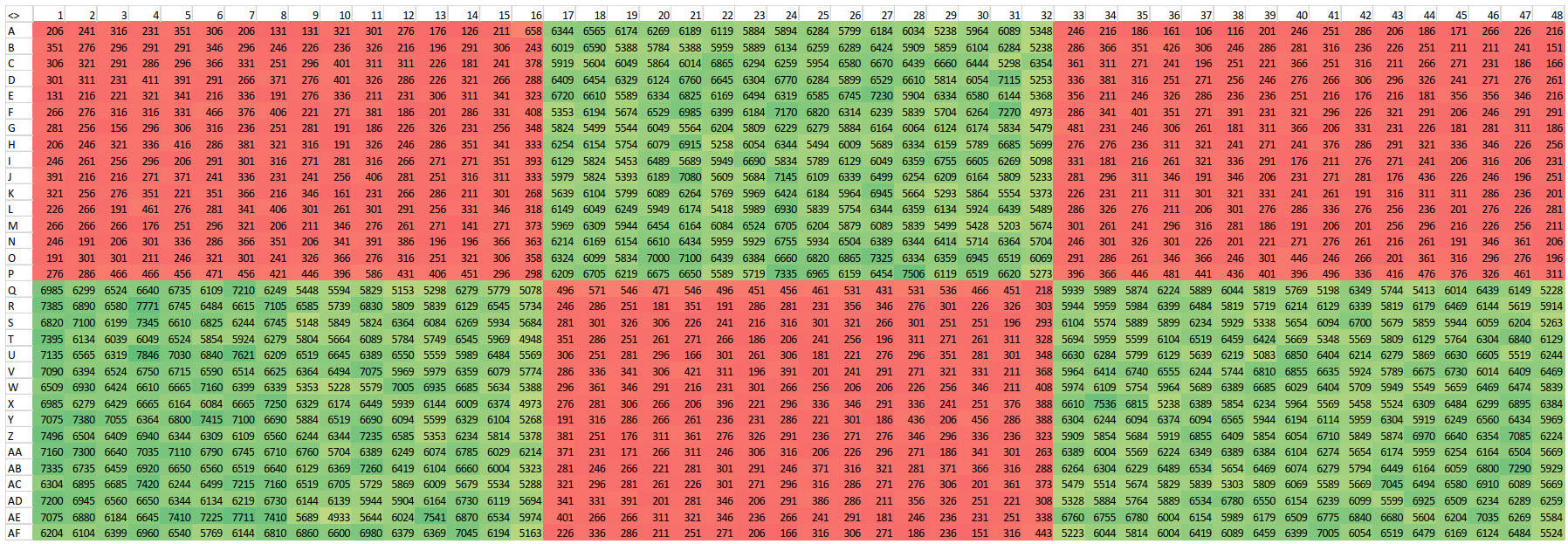
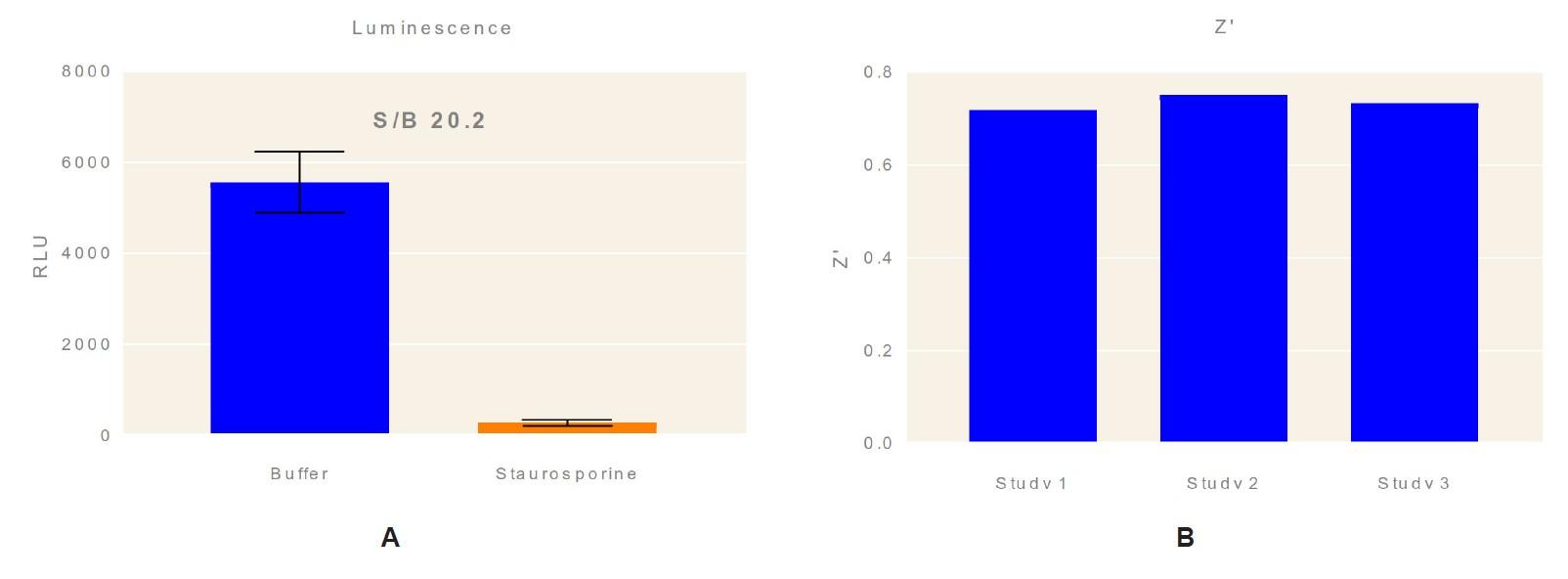
Corning’s experimental results showed good signal uniformity regardless of a well’s location in the microplate (Figure 2). The mean S/B ratio from this assay was greater than 20 for 3 independent studies (Figure 3 A). Additionally, Z' values were consistently above 0.7, indicating the robustness of the viability assay in the Corning 1536-well Spheroid Microplate (Figure 3 B).
Tips:
- For optimal alignment of the pipetting head with the target 1536 well plate, the spring loaded plate holder with 1536 offset is adjustable forwards and backwards. The easy-to-use slide function of the plate holder shifts the 1536 well plate in order to access all four quadrants with a 384 channel pipetting head.
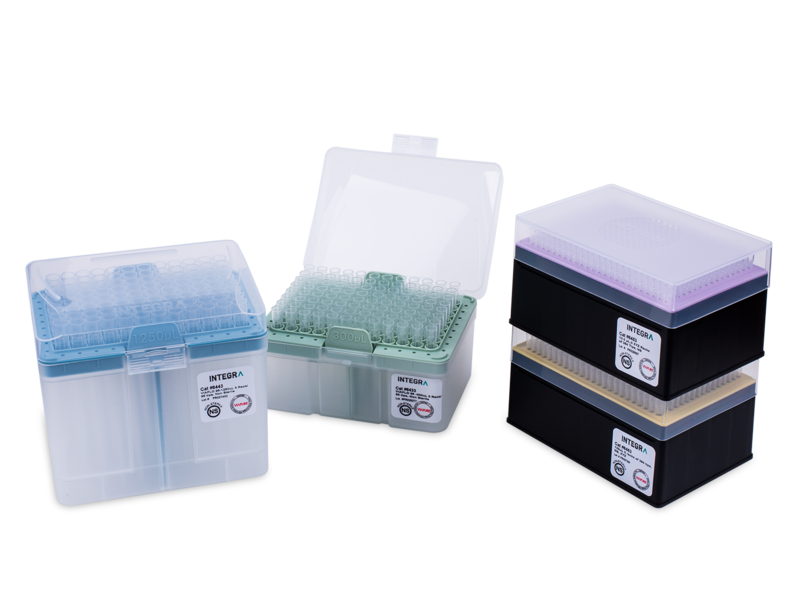
- 12.5 μl SHORT GRIPTIPS have been developed to enhance 1536 well pipetting performance. These tips are specifically designed for 1536 well pipetting, and enable precise targeting of small wells. They are available in both standard and Low Retention Sterile, Filter versions.
- By setting the Tip Align strength of the VIAFLO 384 to 3, pipetting into the center of the tiny wells of a 1536 well plate is as easy and accurate as pipetting into a reagent reservoir.
- By defining the z heights of the VIAFLO 384, you can ensure optimal tip immersion that prevents accidental aspiration, scratching of the pipette tips on the bottom of the reservoir or damage to the spheroids.
3. High-content imaging assay
Proof of concept assay. Addition of cisplatin to assess the cytotoxicity.
Use Position A for the 150 ml automation friendly reagent reservoirs needed for this step and Position B for the Corning 1536-well spheroid microplates placed in the adjustable spring loaded plate holder B with 1536 offset.
After formation, both DU 145 and PANC-1 spheroids were exposed to various concentrations of cisplatin by adding 1 μl of solution to each well using the VIAFLO 384 with 12.5 μl SHORT Sterile, Filter GRIPTIPS, followed by overnight incubation.
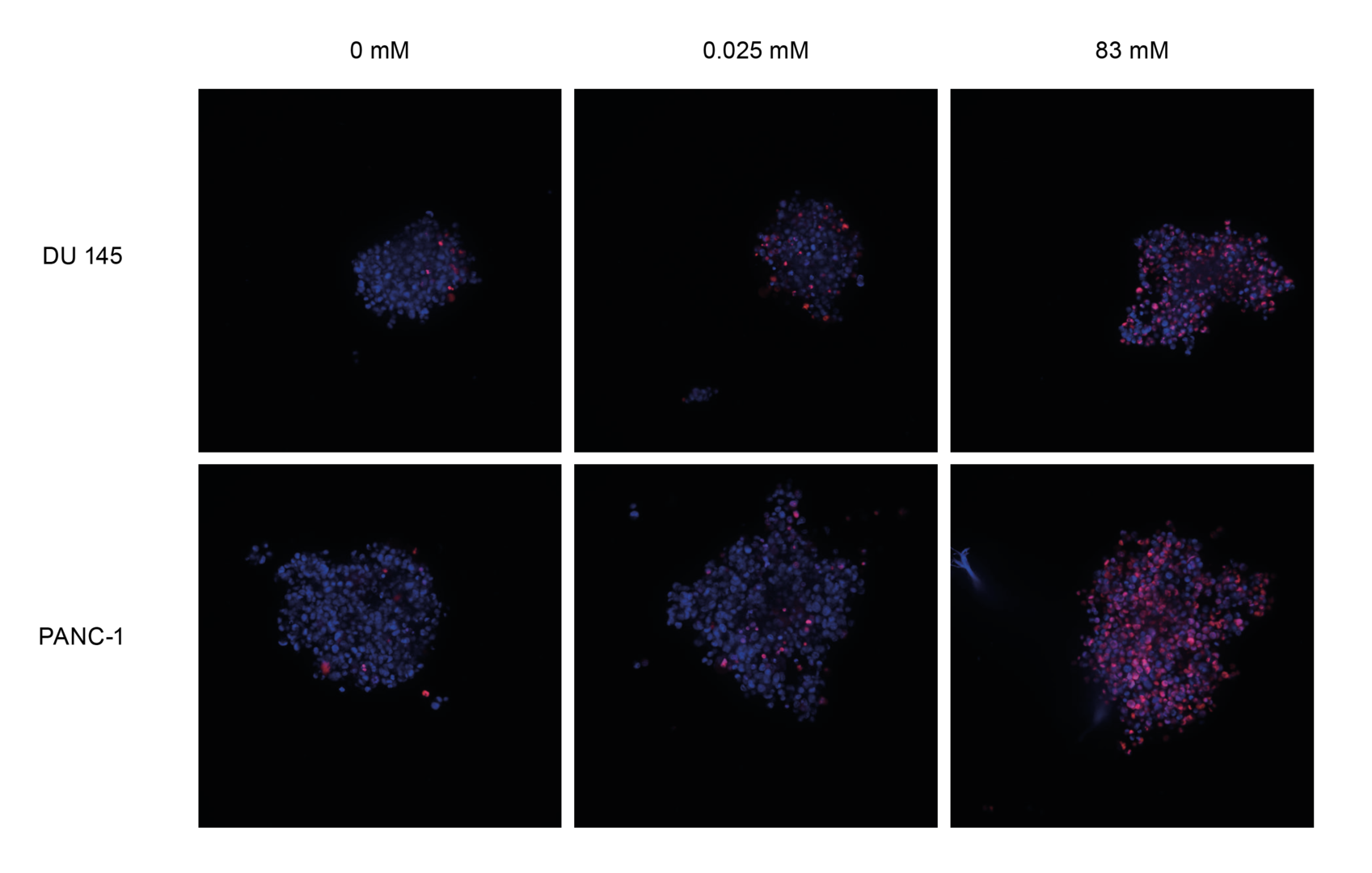
To assess cytotoxicity, 6 μl per well of 40 μg/ml Hoechst 34580 and 16 μg/ml propidium iodide (PI) in PBS were added to each well for 1 hour. Microplates were than imaged on the Thermo Fisher CellInsight high-content screening platform.
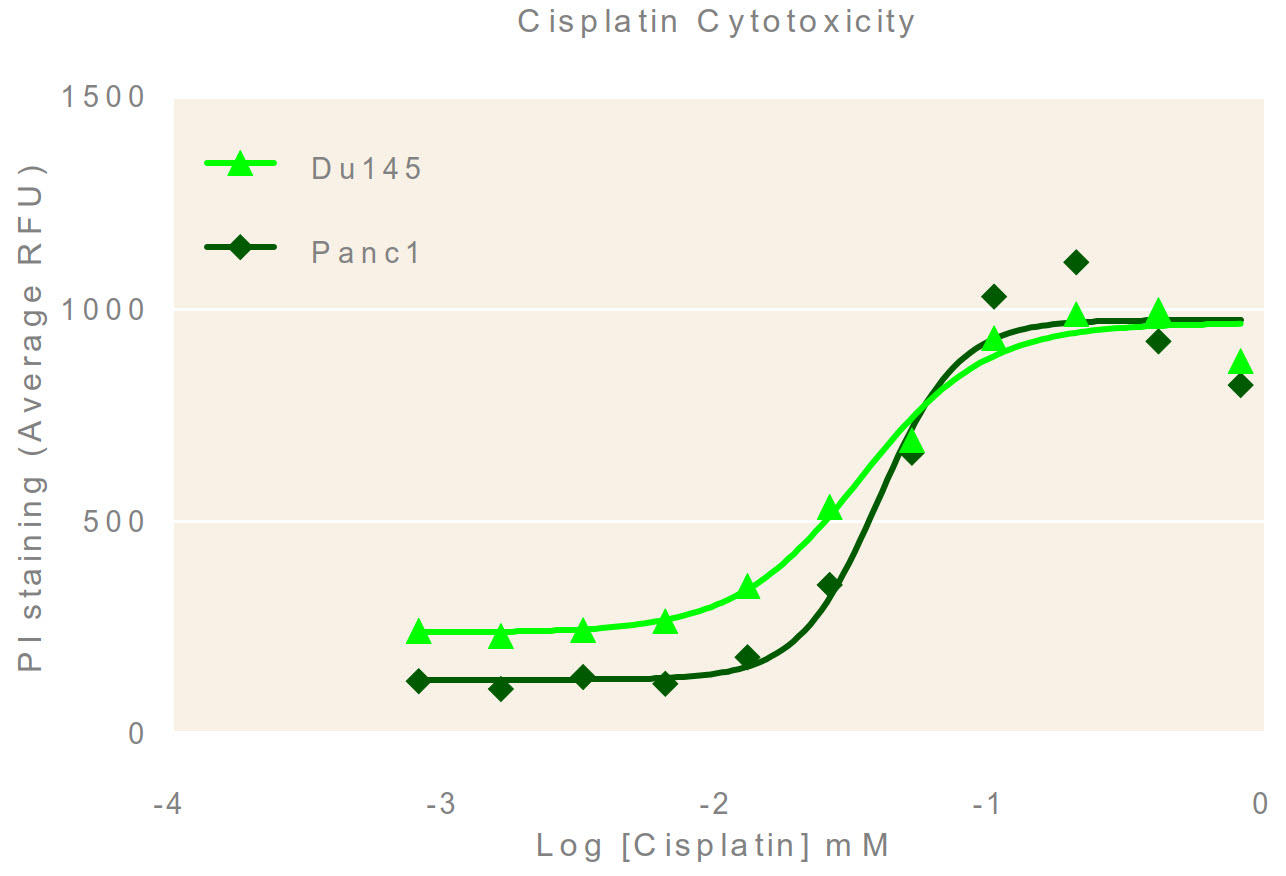
Representative images were captured directly without the need to transfer the spheroids to another microplate, demonstrating the utility of culture and subsequent imaging of spheroids in the spheroid microplate (Figure 4). Image analysis of propidium iodide staining revealed typical concentration-response curves for cisplatin cytotoxicity (Figure 5).
Tips:
- When using the Repeat Dispense mode of the VIAFLO 384, define a pre- and post-dispense volume to be discarded. These two dispenses contain the largest volume errors. It is especially important to discard the last dispense as it contains the accumulated error of all previous dispenses.
- The SureFlo™ array located on the flat bottom of the automation friendly reagent reservoir prevents pipette tip seal off. This allows users to rest the pipette tips directly on the bottom of the reservoir, offering an incredibly low dead volume of less than 3 ml.
Conclusion
Related articles
Further reading: An introduction to cell culture and its challenges
Ask our expert. Leave a comment!
Write us if you have any questions regarding the application note or one of our instruments.
Any questions? I'm happy to help!
Instruments and accessories
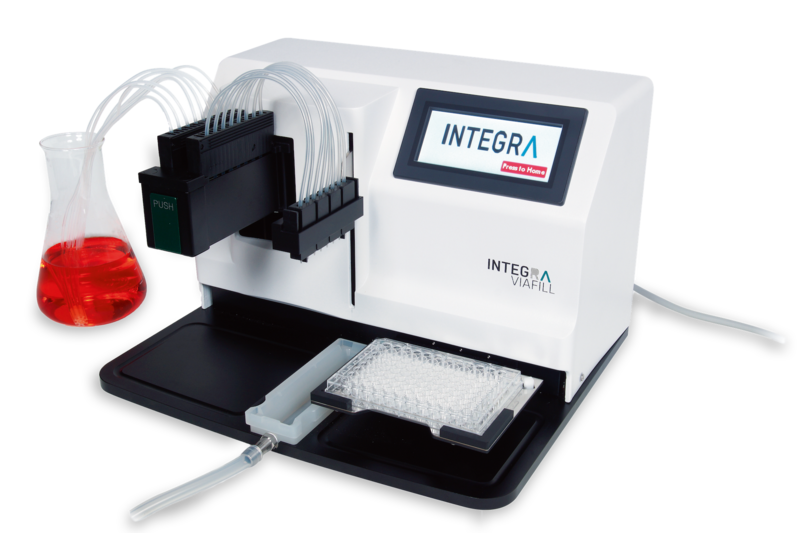
VIAFILL Reagent Dispenser
This product has been discontinued
Note: As replacement for the VIAFILL, INTEGRA offers the WELLJET reagent dispenser, designed to offer superior user experience and flexibility for applications that require low cost, fast and precise bulk reagent dispensing. The addition of a plate stacker increases throughput and allows for unattended operation.
Part No. 5000

Download
Download this App Note as PDF file
DownloadHigh-throughput, 3D assay development on spheroids in 1536 well plates
Customer’s voice
This is the best bulk liquid dispenser on the market! I highly recommend the Integra Viafill and stacker for all of your bulk liquid dispensing needs. It's faster, easier, and more robust over other automated liquid handlers. Our HTP lab could not function properly without it. Again, I highly recommend the Integra Viafill for your lab.
Related products


Applications
Show all-
Enhanced workflow for high throughput, high density microelectrode array (HD-MEA) electrophysiology on MaxTwo 24-Well Plates
-
Automating media exchange and sample collection using Ronawk’s Bio-Blocks® In Similare technology and the ASSIST PLUS
-
Automating the Corning Matrigel® thin coating protocol for cell culture applications
-
Automation-enabled high throughput electroporation of primary cells using the ASSIST PLUS and DropGenie platform
Stories
Show all-
 · Customer Testimonial
Optimizing respiratory virus research workflows with VACUBOY
-
 · Customer Testimonial
Setting a new benchmark in efficient cell culture with the PIPETBOY GENIUS
-
 · Customer Testimonial
Exploring new treatment pathways in pediatric oncology
-
 · Customer Testimonial
Pioneering immune sensing and signaling dynamics research