


Accelerating drug discovery for deadly amoebic diseases with the WELLJET dispenser stacker
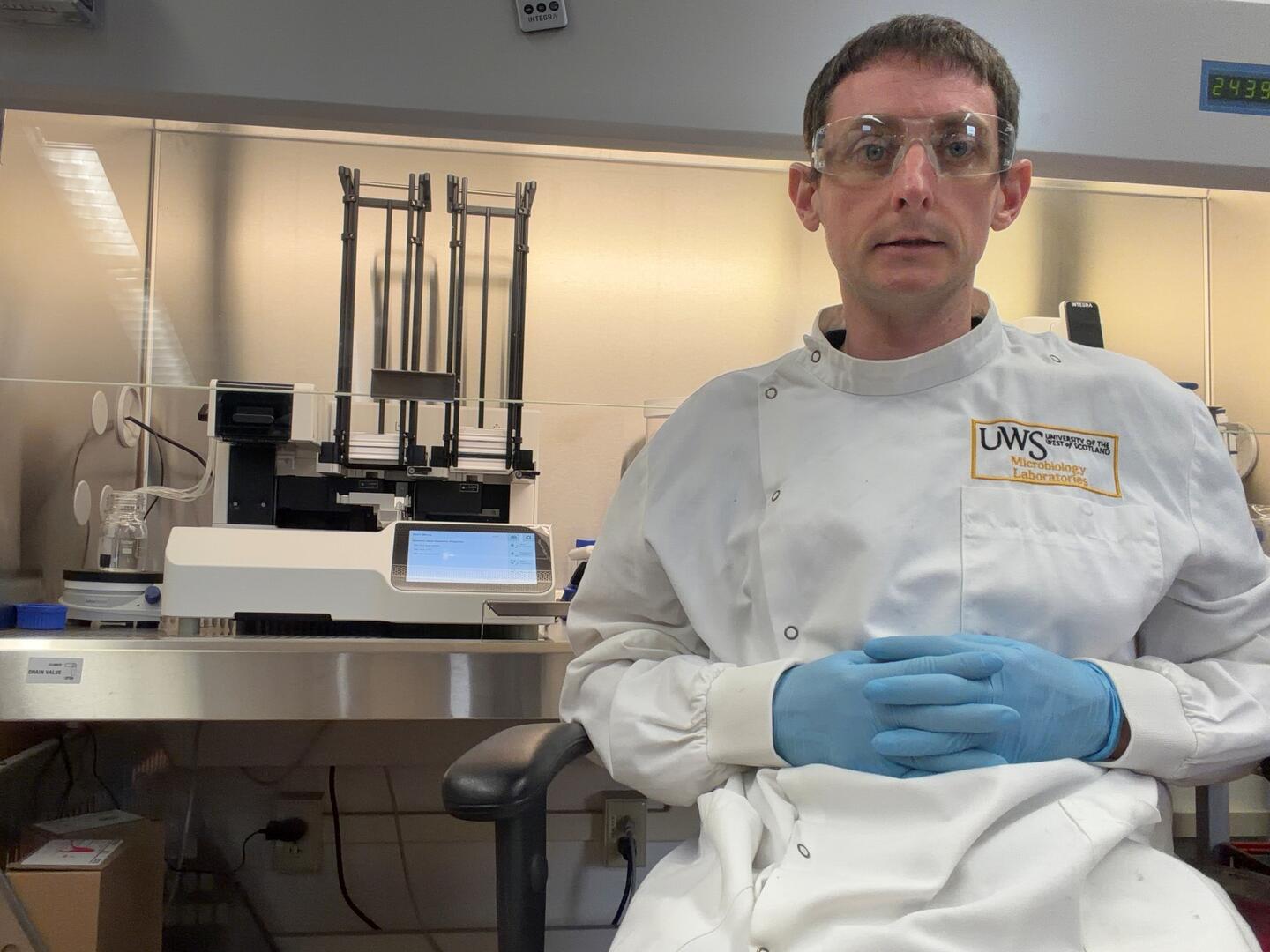
Dr. Christopher A. Rice is an Assistant Professor of Parasitology and Principal Investigator of the Rice Research Group in the Department of Comparative Pathobiology at Purdue University. His team’s research focuses on 3 free-living amoebae – Acanthamoeba, Balamuthia mandrillaris and Naegleria fowleri – that cause devastating infections such as amoebic keratitis (AK), granulomatous amoebic encephalitis (GAE), Balamuthia amoebic encephalitis (BAE) and primary amoebic meningoencephalitis (PAM).1 These diseases are often misdiagnosed, progress rapidly and have mortality rates above 90%, with only a handful of survivors documented world-wide even with aggressive clinical intervention.2
Despite their severity, research into new treatments has historically been limited. Since establishing his laboratory at Purdue in 2022, Chris has built a highly standardized drug discovery pipeline to address this gap, screening hundreds of thousands of compounds to identify safer and more effective therapies than current treatments.1 “Before setting up my own lab, I had screened close to half a million compounds over nearly 10 years,” explained Chris. “Since 2023, we’ve screened around half a million compounds in just 2 years. That level of throughput simply wouldn’t be possible without automation.”
Reproducible drug screening
One of the big challenges in academic drug discovery is getting reliable, comparable results when working with large compound libraries, different parasitic species and complex experimental set-ups.
Chris explained: “We use the same high throughput screening assays for all 3 amoebae species, which makes it possible to directly compare how each species, genotype and strain responds to different compounds and therapeutic strategies. This helps us to identify both broad-spectrum anti-amoebic drugs and candidates that are effective against specific parasites. It also allows us to assess if drug resistance is circulating or emerging.”
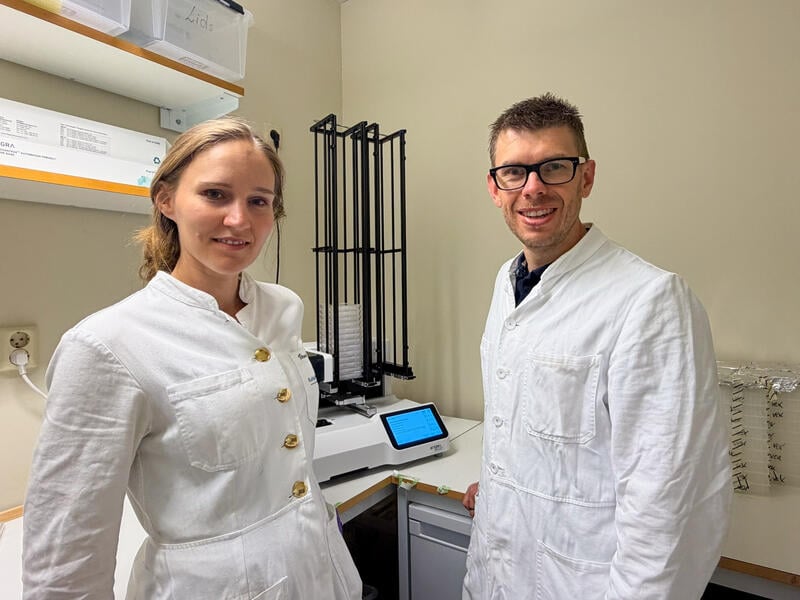
To achieve this, the lab prepares large batches of identical assay plates – each containing panels of around 20 candidate drug compounds at fixed concentrations – using acoustic nanodrop dispensing at the Purdue Institute for Drug Discovery. These plates are then loaded onto the WELLJET dispenser stacker, which allows automated assay set-up for up to 50 plates at a time, while also providing consistent reagent dispensing in both 96 and 384 well formats. Screening assays are then run in triplicate, using the same drug batches, concentrations and protocols across experiments to reduce inter-assay variability and generate directly comparable datasets.
This level of standardization has been vital for the lab to establish a centralized drug activity repository – known as the RADAR project – which is designed to track susceptibility patterns and put amoebae ‘on people’s radar’. The repository includes parasite strains from both clinical cases and the environment, with early findings suggesting that some strains are already displaying a more resistant phenotype than other biobanked samples. This highlights the importance of standardized, large-scale screening in identifying emerging resistance and future treatment challenges. The lab can distinguish genuine biological differences from experimental variability by applying the same automated liquid handling workflows to all screens. “Batch-to-batch differences, vendor purity and manual handling can all influence results,” Chris noted. “Automation allows us to normalize those variables so that we can speed up data acquisition and analysis to focus on the biology.”
Compact automation for biosafety laboratory workflows
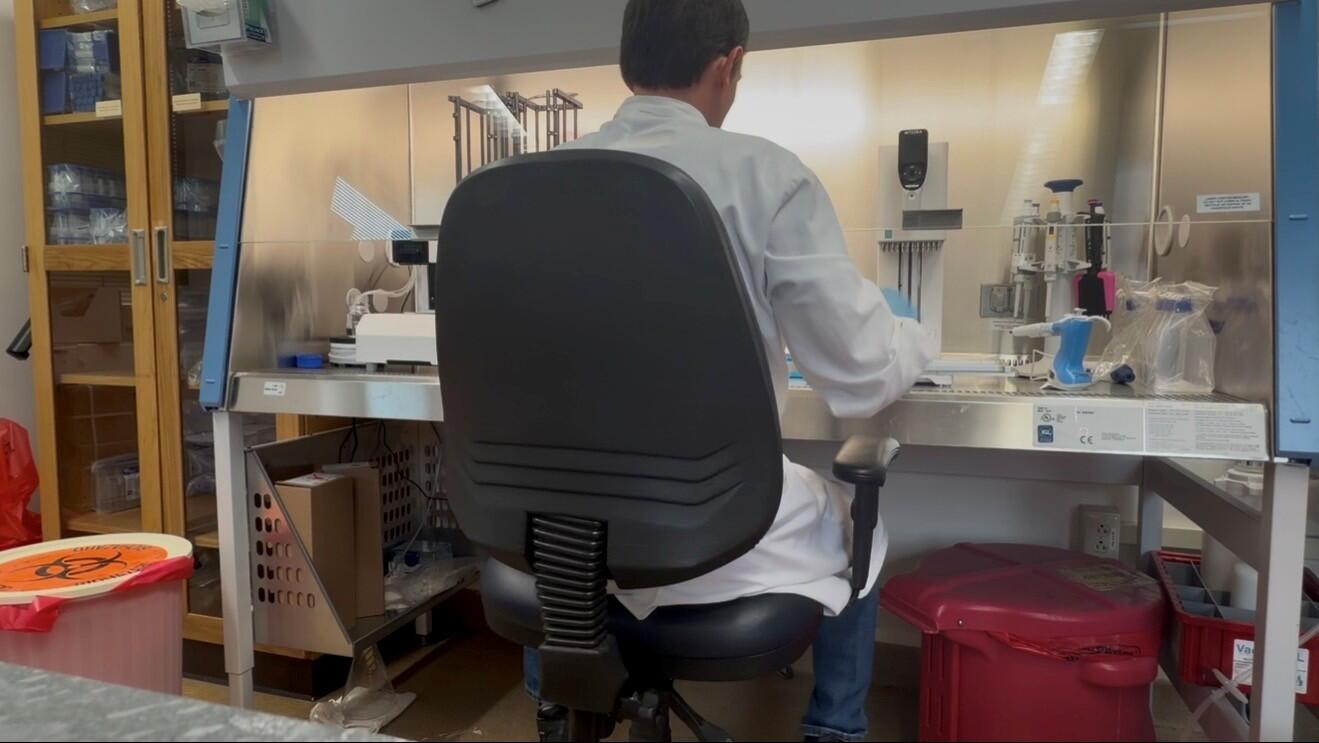
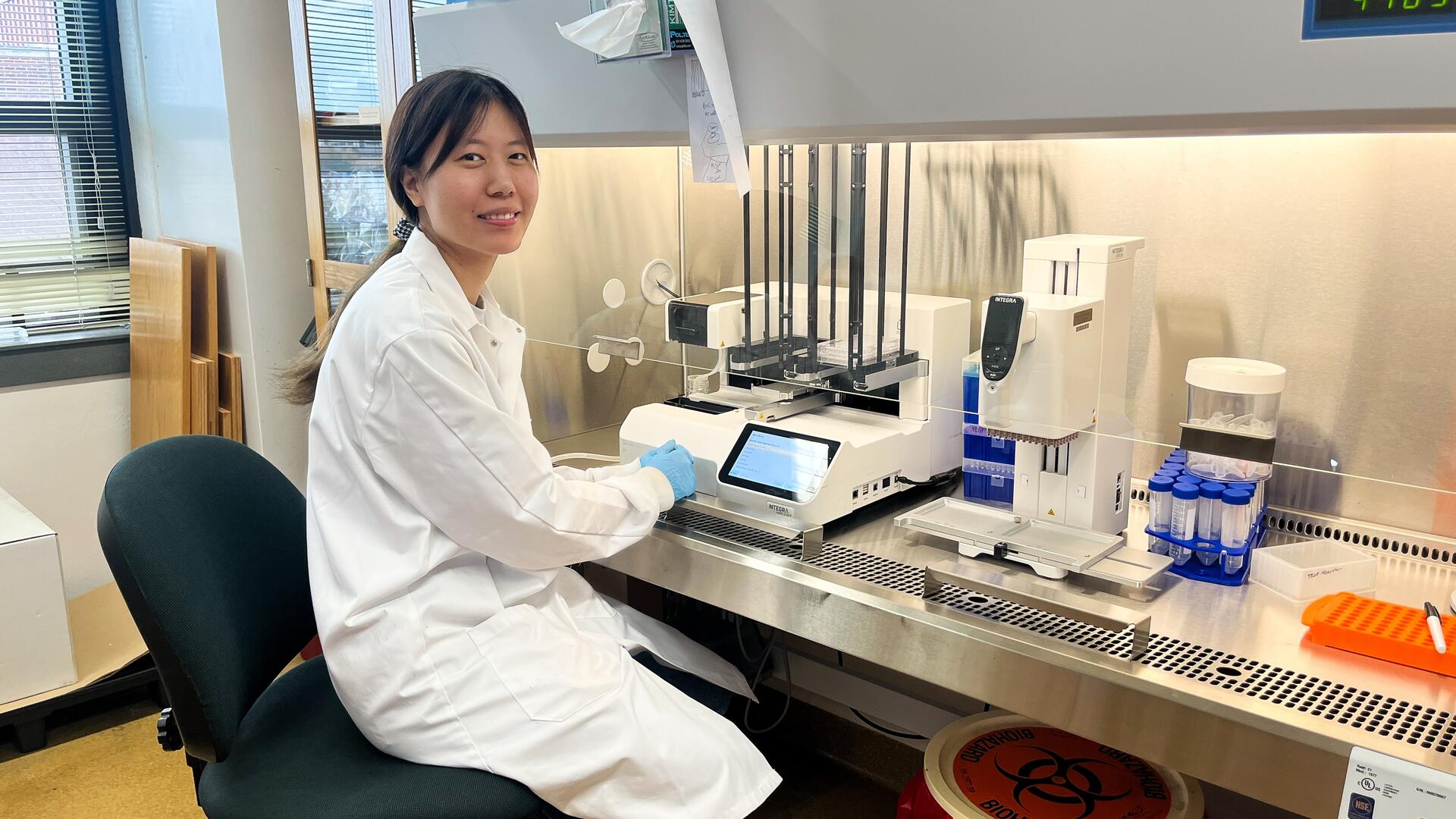
Working with pathogenic organisms places additional constraints on laboratory automation. All amoebic screening in the lab is performed in biosafety level 2 (BSL-2) environments, where space is limited. The compact footprint of the WELLJET allows it to be installed inside a 6-ft biosafety cabinet, occupying only a fraction of the available workspace while still leaving room for researchers to work efficiently.
“The footprint was a major factor for us when choosing the right equipment,” Chris explained. “The WELLJET fits easily into a BSL-2 cabinet, and the stacker system lets us process multiple plates in a single run. That’s a major advantage compared to systems that only handle a few plates at a time. It’s also very easy to program. That makes a big difference when training new people in the lab, and for running standardized workflows day to day.”
Alongside the WELLJET, the lab uses the MINI 96 pipette to rapidly perform plate-to-plate transfers, clone drug plates and distribute parasites into assay plates. Together, these systems support a flexible, scalable workflow that reduces manual pipetting, minimizes cross contamination risk and protects researchers from repetitive strain injuries.
Supporting faster progress for neglected disease research
Compact, cost-effective tools like the WELLJET and MINI 96 are helping academic laboratories to adopt standardized, high throughput workflows that have traditionally only been available to industrialized drug discovery. In doing so, they support researchers working with rare and neglected diseases, accelerating progress where it is needed most. “The efficiency of automation can help to advance research into diseases that have historically received limited attention. Our goal is to improve outcomes for patients with AK, and to give those affected by these brain infections a chance of survival,” Chris said. “If we can develop safer, more selective drugs, and understand resistance patterns earlier, we can help to change outcomes for diseases that are currently almost always fatal.”
References
- Rice CA, et al. Discovery of repurposing drug candidates for the treatment of diseases caused by pathogenic free-living amoebae. PLOS Neglected Tropical Diseases. 2020;14(9):e0008353. doi: 10.1371/journal.pntd.0008353
- Haston, JC and Cope, JR. Amebic encephalitis and meningoencephalitis: an update on epidemiology, diagnostic methods, and treatment. Current Opinion in Infectious Diseases. 2023; 36(3):186-191.doi: 10.1097/QCO.0000000000000923
Applications
Show all
Stories
Show all-
 · Customer Testimonial
Improving genome-wide aging research with automated liquid handling
-
 · Product News
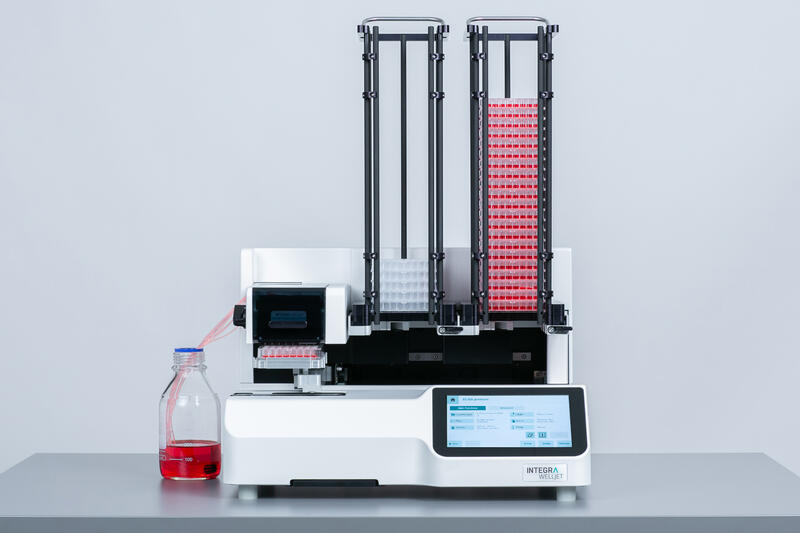
Automating media preparation and dispensing in microbiology laboratories
-
 · Product News
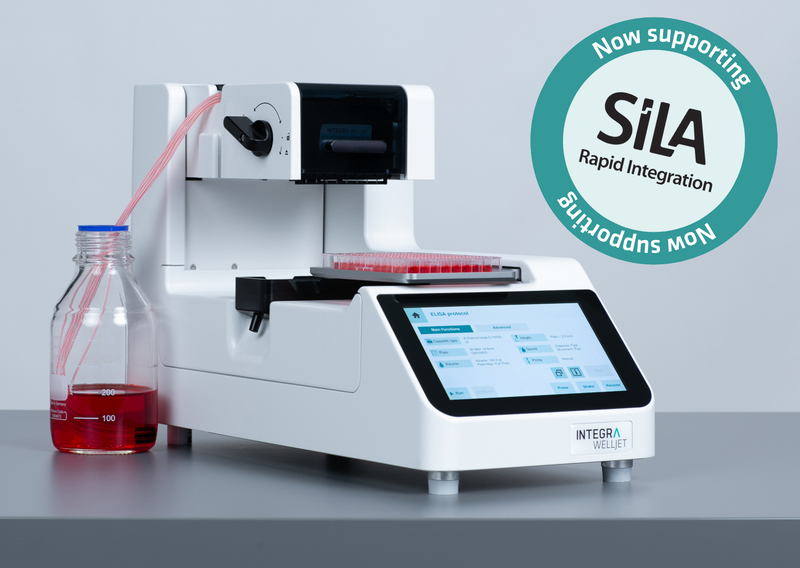
Expanding automation into reagent dispensing with SiLA-2 integration
-
 · Product News
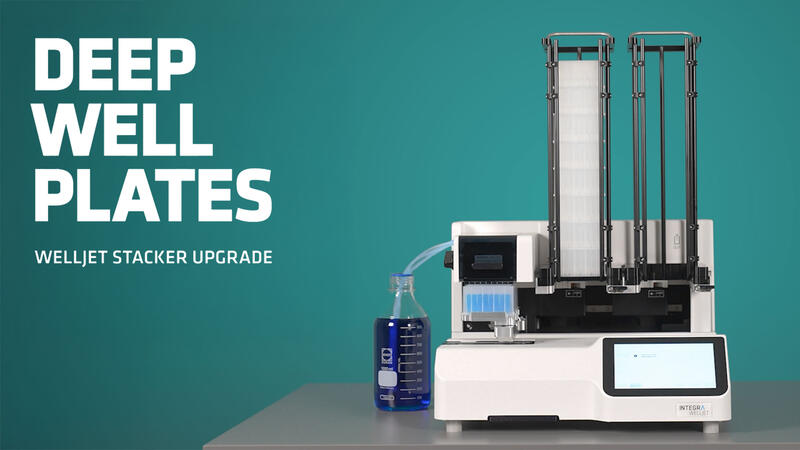
Automated deep well plate processing with WELLJET