


-
Efficient high throughput scNMT profiling with the VIAFLO 384
How INTEGRA Biosciences’ 384 channel electronic pipette aids in high throughput scNMT profiling
Single-cell nucleosome occupancy, methylome and transcriptome sequencing (scNMT-seq) is an innovative, high throughput technology offering simultaneous insights into nucleosome occupancy, the methylome and the transcriptome at a single-cell level. This multi-omics approach enables the user to understand both the genetic state of cells and the molecular mechanisms underlying differentiation, transcriptional regulation and disease.
In 2022, Cerrizuela et al. published an optimized protocol for high throughput, cost effective and scalable scNMT-seq. This article provides a comprehensive overview of the scNMT-seq library preparation workflow, highlighting the use of the VIAFLO 384 handheld electronic pipette for enhancing throughout, precision and reproducibility.
-
Table of contents
Single-cell nucleosome occupancy, methylome and transcriptome sequencing (scNMT-seq) is an innovative, high throughput technology offering simultaneous insights into nucleosome occupancy, the methylome and the transcriptome at a single-cell level. This multi-omics approach enables the user to understand both the genetic state of cells and the molecular mechanisms underlying differentiation, transcriptional regulation and disease.
In 2022, Cerrizuela et al. published an optimized protocol for high throughput, cost effective and scalable scNMT-seq. This article provides a comprehensive overview of the scNMT-seq library preparation workflow, highlighting the use of the VIAFLO 384 handheld electronic pipette for enhancing throughout, precision and reproducibility.
Key benefits
Overview: How INTEGRA Biosciences’ 384 channel electronic pipette aids in high throughput scNMT profiling
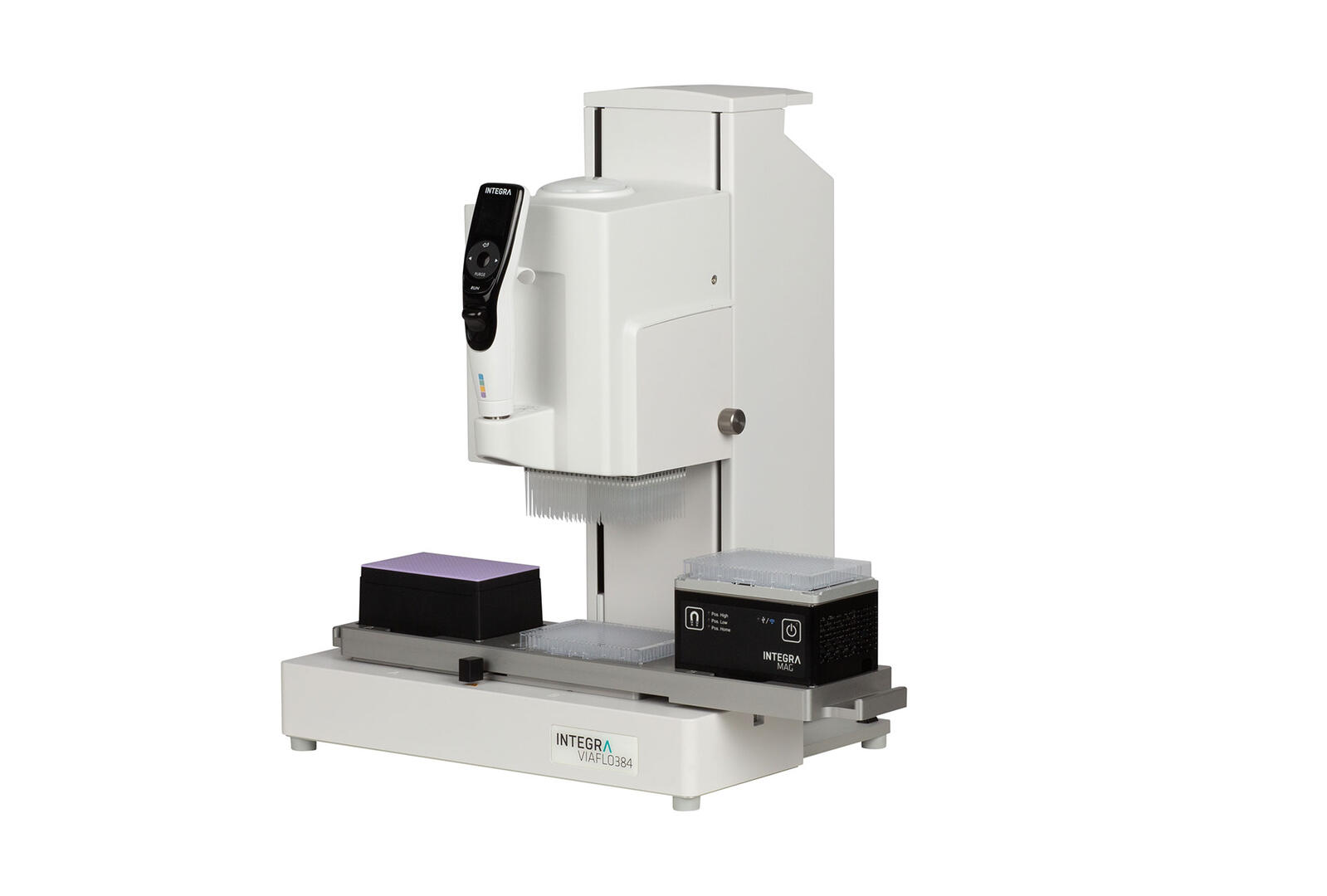
This application note showcases the protocol for scNMT-seq library preparation using the VIAFLO 384, following the publication of Cerrizuela et al.
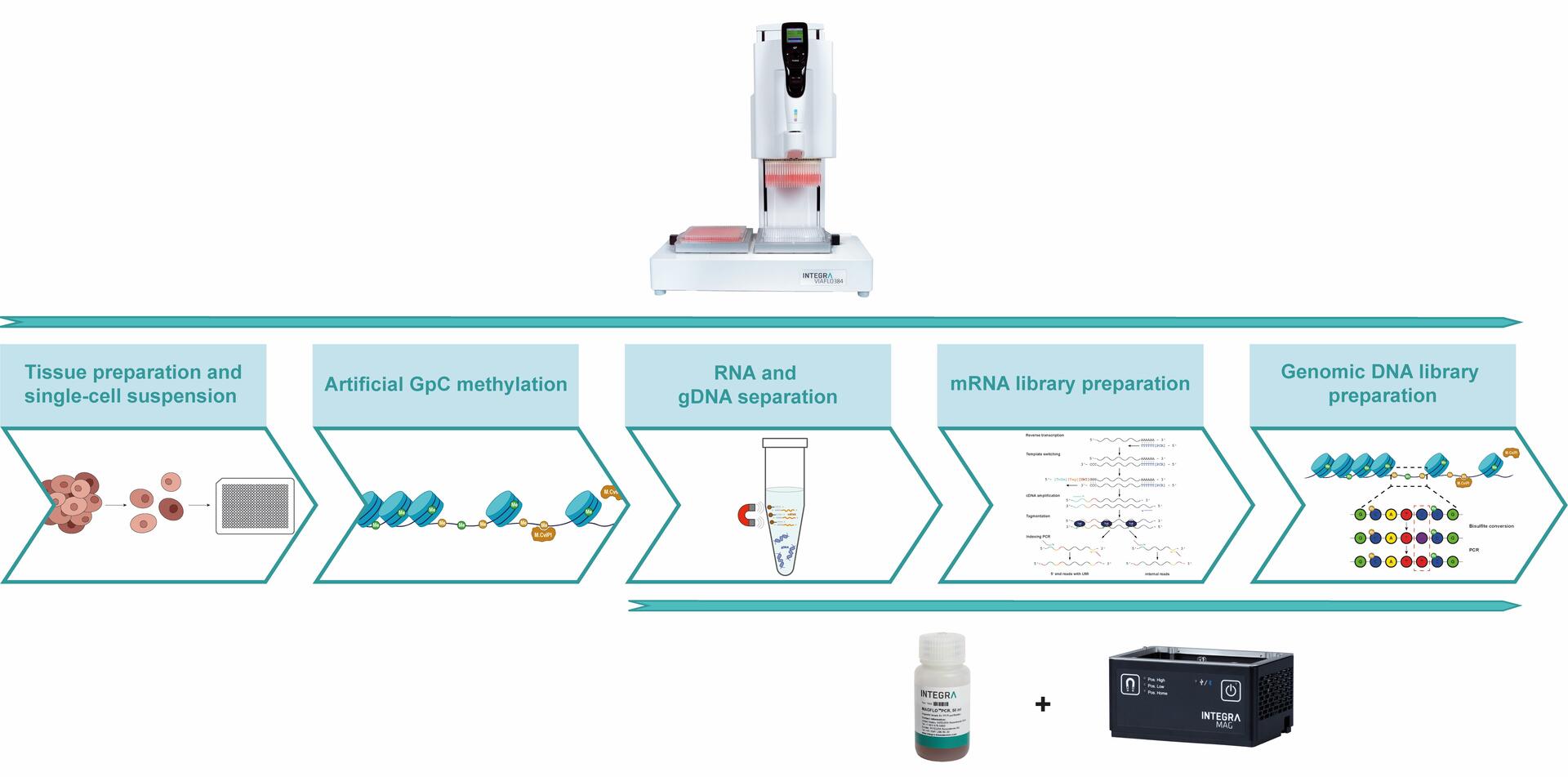
Step-by-step procedure
This scNMT-seq workflow for up to 384 samples consists of the following steps:
- Tissue preparation and single cell suspension
- RNA and gDNA separation
- Artificial GpC methylation
- mRNA library preparation, following the SMART-seq3 protocol
- Genomic DNA library preparation
The scNMT-seq protocol takes advantage of high throughput liquid handling devices, such as the INTEGRA VIAFLO 384 and MAG modules. For detailed information about volumes and incubation times, please refer to the reference publication.
Tissue preparation and single cell suspension
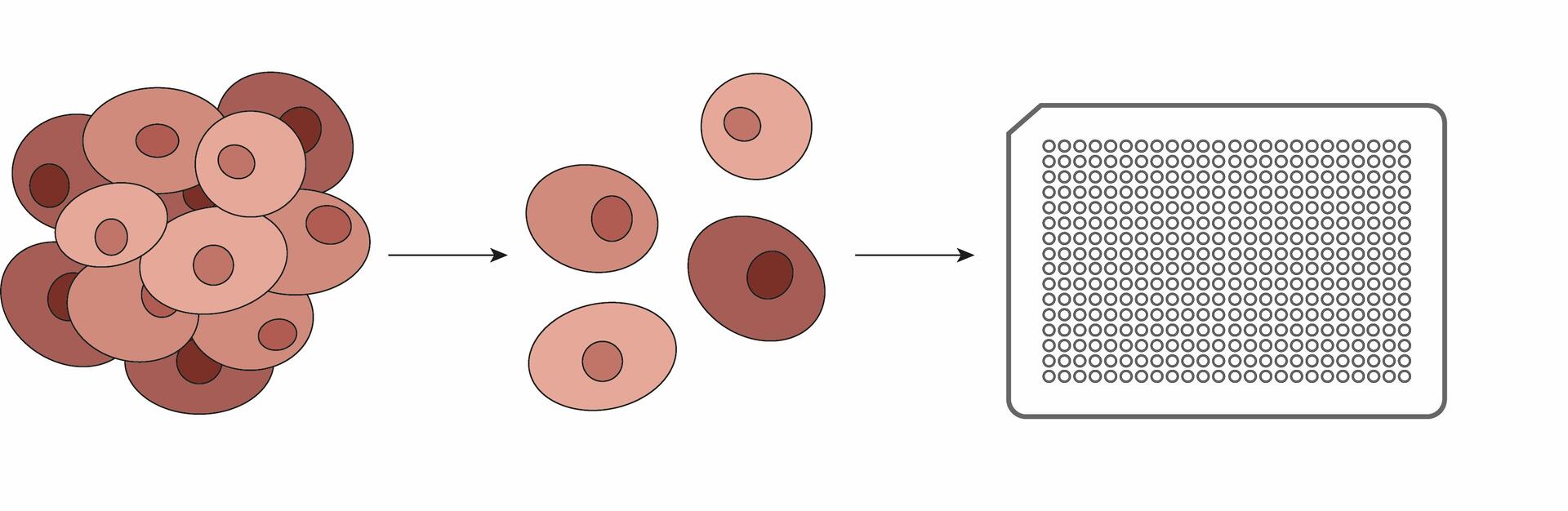
Objective: Isolate single cells from tissue or cell culture.
When isolating single cells, different parameters must be considered depending on the users’ starting material. Factors like extracellular matrix composition or cell-cell junctions play important roles in the structural integrity of tissues and 3D cell structures, and must be disrupted to allow proper cell dissociation. Different starting material can be processed with different commercially available kits. INTEGRA offers liquid handling solutions for these kits, such as the lightweight, single channel VIAFLO electronic pipettes for various volumes ranging from 0.5-5,000 µl.
Once single cells are in suspension, techniques such as FACS can be used to sort living cells into 384 well plates.
mRNA and gDNA separation
Objective: Isolate mRNA and genomic DNA.
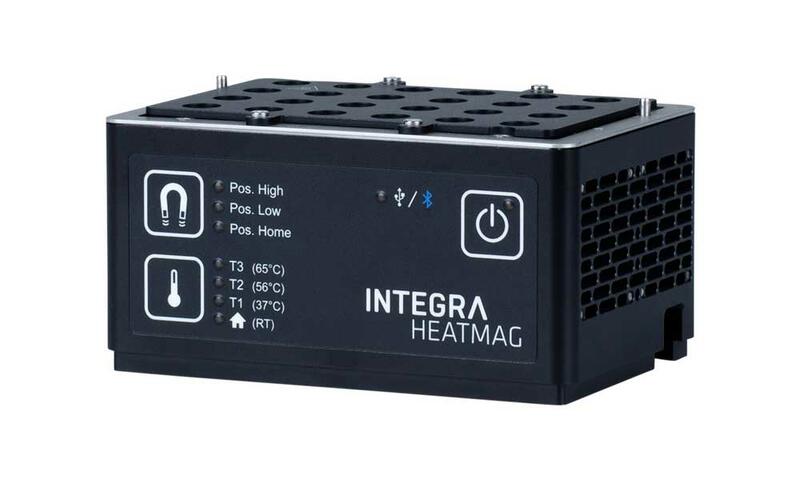
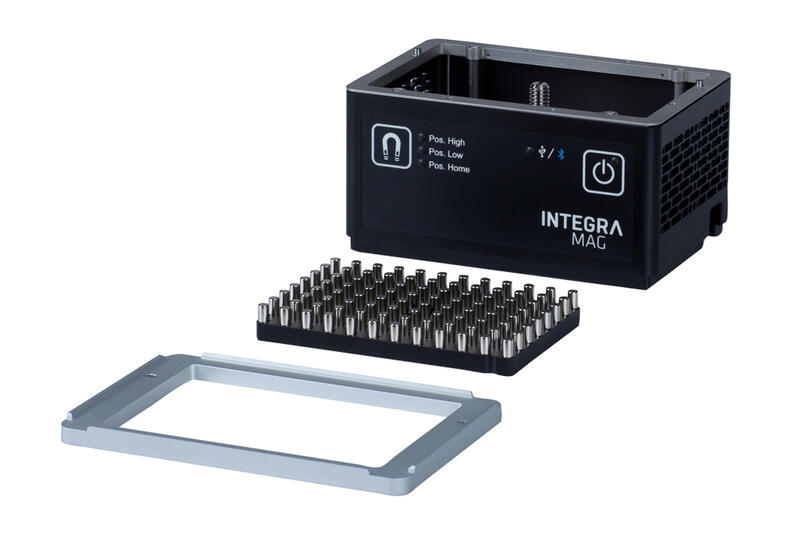
mRNA must be separated from gDNA to analyze the transcriptome of sample cells. mRNA has a poly-(A) tail, which can be captured using complementary oligo(dT)-coated magnetic beads with minimal gDNA contamination. For this, magnetic beads coated in streptavidin are incubated with biotinylated oligo(dT). This procedure consists of multiple incubations and washes, which require capture and release of magnetic beads. The prepared beads are then added to each sample to immobilize the mRNA and separate it from the gDNA in the supernatant. INTEGRA’s MAG module initiates bead collection and release using vertical magnet movements at the push of a button. This strong magnetic module is compatible with 384 well PCR plates and the VIAFLO 384, simplifying magnetic bead separation compared to manual processing.

Artificial GpC methylation
Objective: GpC methylation to assess chromatin accessibility.
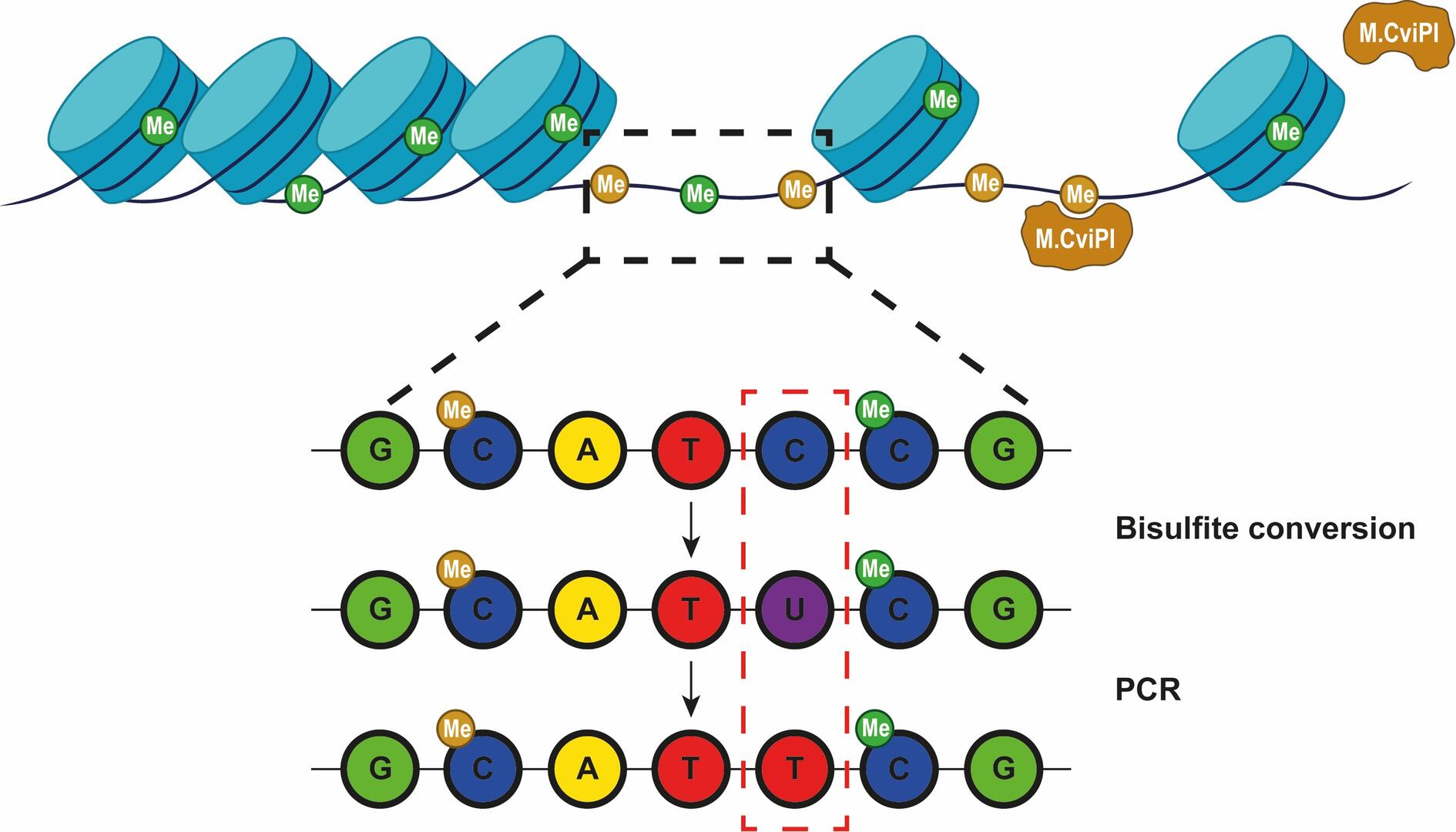
Investigating nucleosome occupancy without interfering with endogenous DNA methylation relies on introducing artificial DNA methylation at GpC sites using GpC methyltransferase (M.CviPI). This DNA modification is distinct from the naturally occurring CpG DNA methylation in mammals, and is only introduced to free GpC sites that are not bound by nucleosomes.
The VIAFLO 384 equipped with a 0.5-12.5 µl, 384 channel head can be used to enable fast, precise and simultaneous transfer of 1 µl of GpC methyltransferase master mix into 384 wells containing samples. This ensures that all reactions are started at the same time, and limits technical variability between reactions. After desulfonation of the DNA, methylated regions can be identified, revealing endogenous DNA methylation at CpG sites and nucleosome-free regions at GpC sites. This elegant approach results in the simultaneous identification of DNA methylation and nucleosome occupancy from single cells.

mRNA library preparation
Objective: Generate an mRNA library for sequencing using the SMART-seq3 protocol.
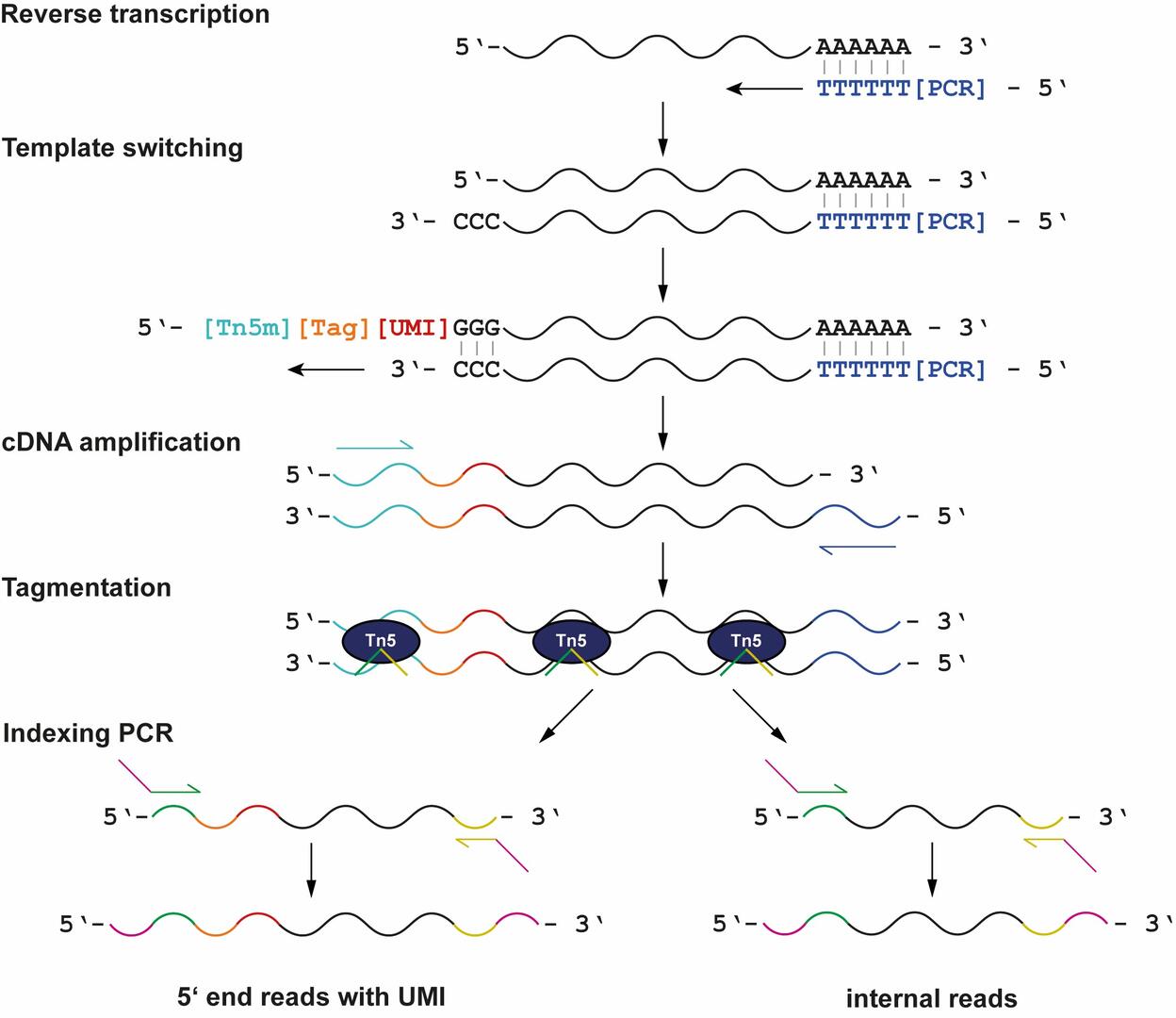
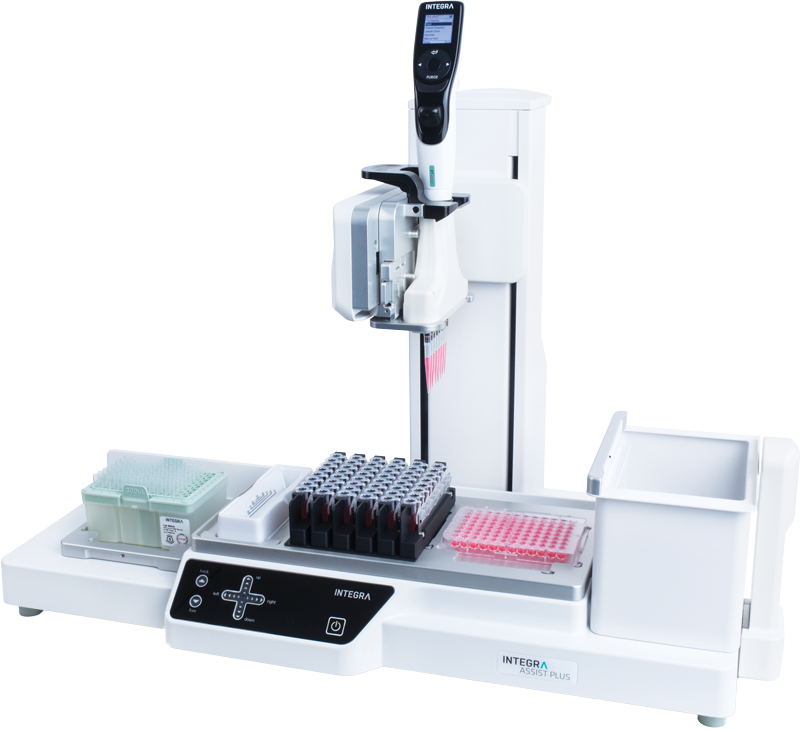
To analyze a transcriptome, mRNA can be reverse transcribed (RT) into cDNA, amplified via PCR, and purified using a VIAFLO 384 equipped with a 2-50 µl, 384 channel head and solid-phase reversible immobilization (SPRI) magnetic beads. INTEGRA’s MAG module and MAGFLO magnetic beads offer efficient DNA size selection and PCR clean-up. The purified cDNA can then be normalized using INTEGRA's ASSIST PLUS pipetting robot, a versatile, automated liquid handler. For more information, please see automated DNA normalization for NGS library prep.
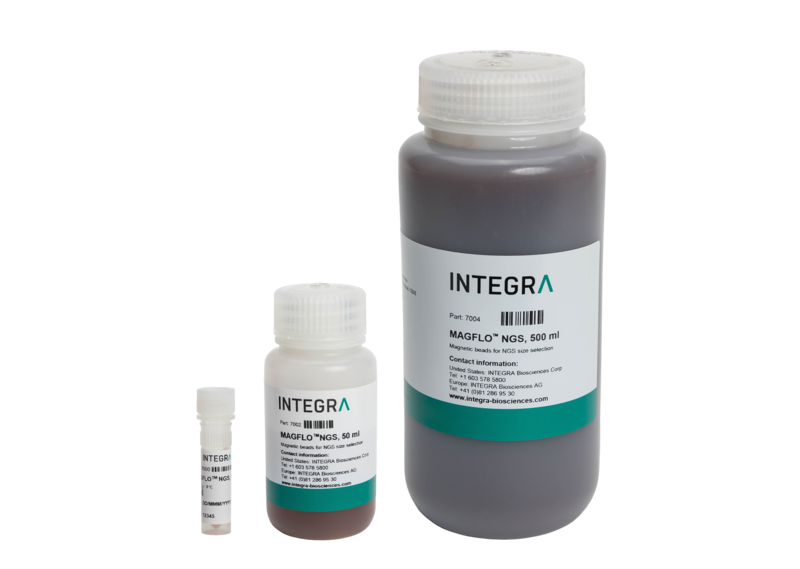
The next steps follow the library preparation according to the SMART-seq3 protocol. This takes advantage of the tagmentation technology, which enables simultaneous fragmentation and tagging of cDNA. This can be performed with the VIAFLO 384 to ensure reactions start simultaneously. SDS (<0.4 µl) should be performed with a low volume liquid dispenser, followed by indexing PCR and purification using magnetic beads. INTEGRA's MAGFLO NGS magnetic beads can be used for precise and adjustable size selection. They provide equivalent results to gold standard beads, while maintaining set ratios, such as the bead to sample ratios of x0.75, x0.65 and x1.0 used in the SMART-seq3 protocol. To further simplify the workflow, the VIAFLO 384 can be combined with the MAG module. Finally, the libraries are normalized and pooled before sequencing.
Genomic DNA library preparation
Objective: Prepare DNA for methylation analysis.
This step performs bisulfite sequencing on the artificially and naturally methylated gDNA. Artificial methylation at GpC sites will reveal nucleosome-free gDNA, while the natural methylation at CpG sites carries valuable information on the cell's epigenetic state. During this section of the protocol, most pipetting steps fall in the 3-33.3 µl range. Therefore, a VIAFLO 384 equipped with a 2-50 µl, 384 channel pipetting head can be used in combination with a MAG module. A few steps require volumes below 0.5 µl, which can be performed with a low volume liquid handler.
The gDNA must first be purified using magnetic beads, such as INTEGRA's MAGFLO NGS beads for size selection. The purified gDNA is then treated for bisulfite conversion, magnetic bead clean-up and desulfonation. This is followed by exonuclease treatment, first and second strand synthesis, final library amplification and index PCR. After most steps, tedious magnetic bead clean-ups are required, which can be simplified using the previously referenced PCR clean-up set-up. Finally, the libraries are normalized and pooled for sequencing.
Partial plates: Programs can be adapted at any time to a different number of samples, giving laboratories flexibility to meet current and future demands.
Downloads: App note and protocols for efficient high throughput scNMT profiling with the VIAFLO 384
Conclusion
Ask our expert. Leave a comment!
Write us if you have any questions regarding the application note or one of our instruments.
Any questions? I'm happy to help!
Instruments and accessories
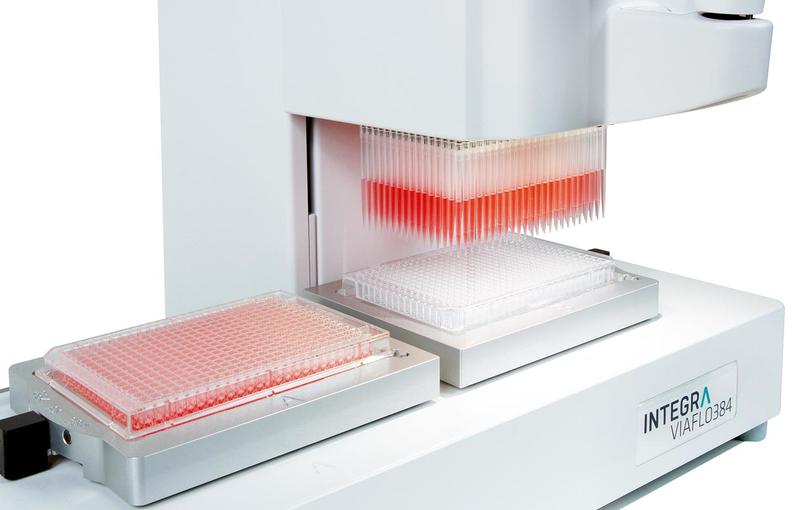
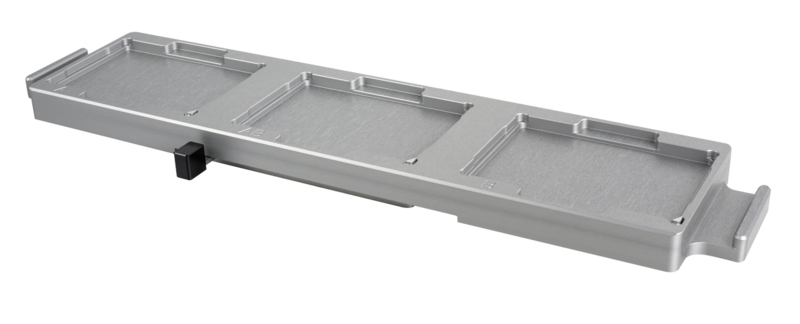
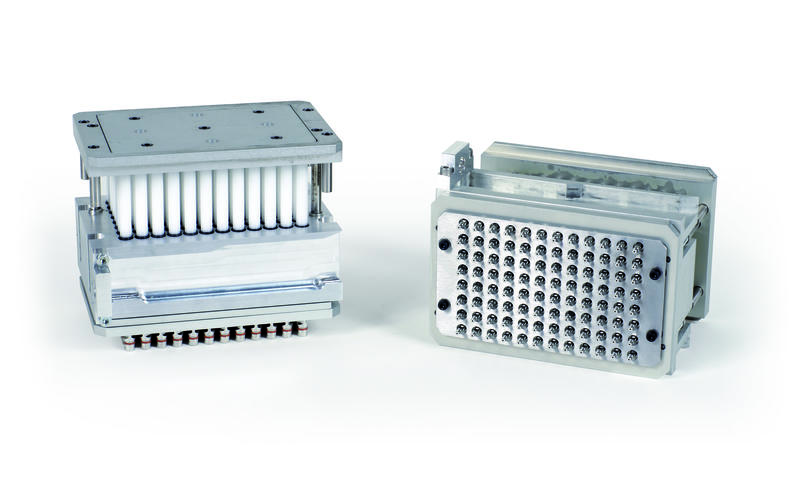
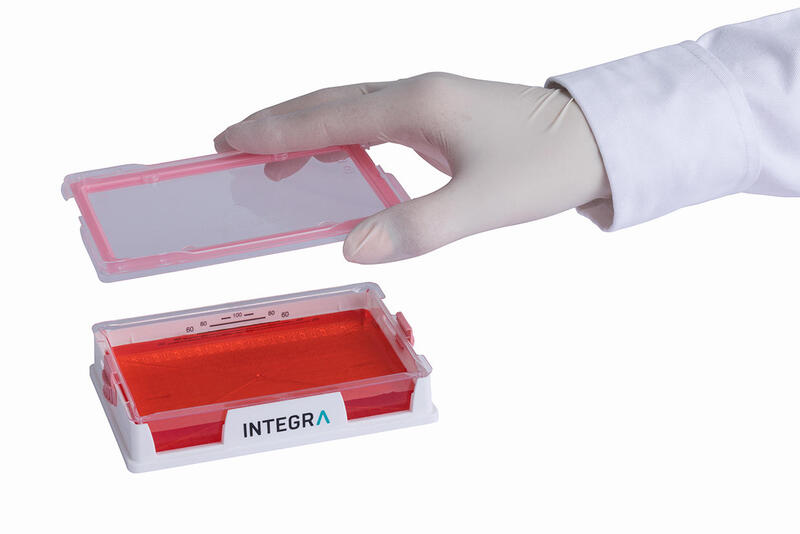
VIAFLO 96/ VIAFLO 384, Handheld Electronic Pipette
With this 24, 96 and 384 channel pipette, INTEGRA meets the need for an affordable, compact and easy to use pipette that provides increased productivity. The unique operating concept makes VIAFLO 96/384 as easy to use as any traditional handheld pipette.
Part No. 6001 / 6031
Downloads
Download App Note as PDF
DownloadEfficient high throughput scNMT profiling with the VIAFLO 384
Customer’s voice
We own a VIAFLO 384, and it has proven to be an excellent addition to our lab. I highly recommend the VIAFLO 384, especially for those involved in high-throughput drug screening. Some favorable aspects include: - Ease of use - Affordability - Capability to handle a wide range of applications and volumes - Options for both manual and automatic hands-free modes If you're looking for a reliable and cost-effective pipetting solution, I recommend the VIAFLO.
Related products



Applications
Show all-
Automated NGS Nextera 16S metagenomic sequencing library preparation using the ASSIST PLUS pipetting robot
-
Affordable, high throughput bulk RNA barcoding and sequencing plate preparation with the VIAFLO 384
-
Streamlining single-cell sequencing with the Flex Apex workflow using automated liquid handling solutions
-
Enhanced workflow for high throughput, high density microelectrode array (HD-MEA) electrophysiology on MaxTwo 24-Well Plates
Stories
Show all-
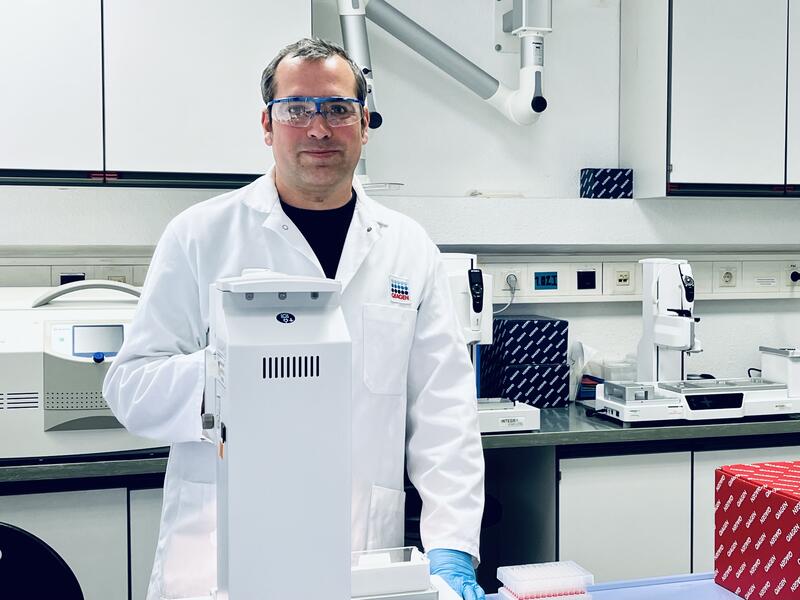 · Customer Testimonial
QIAGEN is accelerating PCR sample prep with our flexible pipetting solutions
-
 · Company News
Streamlining CRISPR workflows, from editing to analysis
-
 · Customer Testimonial
Exploring the human microbiome with automated NGS library prep
-
 · Customer Testimonial
Revolutionizing NGS library preparation with automated liquid handling integration