


Exploring targeted treatments for chronic pain using VOYAGER pipettes
Ion channels – such as voltage-gated sodium or calcium channels – control when neurons fire and release neurotransmitters, and are found throughout the central and peripheral nervous systems, as well as in heart and muscle tissue. Many traditional and newer pain relief drugs work by blocking these channels, not only relieving the sensation of pain, but also interfering with normal signalling involved in alertness, balance, cognition and autonomic functions. The ongoing opioid crisis has further highlighted the pressing need to develop novel, more targeted pain relief medications that reduce off-target effects and are free from addictive substances, such as opioid compounds.
Providing new hope for chronic pain sufferers
One novel approach being explored at Purdue University in Indiana, USA, is targeting adenylyl cyclase (AC) enzymes, which are activated by G protein-coupled receptors (GPCRs) in response to the inflammatory mediators and neurotransmitters released during injury or inflammation. These AC enzymes trigger a protein cascade that ultimately results in the sensation of pain. In some individuals, severe inflammation or nerve injury can cause a continuous release of inflammatory mediators, chronically activating GPCRs and, subsequently, ACs. This ultimately lowers the pain threshold, amplifies pain signaling in the spinal cord, and leads to long-lasting hypersensitivity to neural stimuli. Studies have shown that knocking out ACs – particularly AC1 – is highly effective in alleviating chronic pain, and could cause fewer side effects than drugs targeting widespread ion channels.
Dr Val Watts is Professor and Associate Dean for Research in the Borch Department of Medicinal Chemistry and Molecular Pharmacology at Purdue University, and has been exploring the development of non-opioid drugs for the treatment of chronic pain since 2015. The multi-disciplinary Watts laboratory – which includes a postdoctoral fellow and several graduate students – combines molecular biology, biochemistry and pharmacology to study the activation of GPCRs and ACs, their signaling mechanisms, and potential enzyme inhibitors. Much of this work has focused on members of the dopamine, cannabinoid, serotonin and adenosine receptor families.
Increasing assay throughput with electronic pipettes
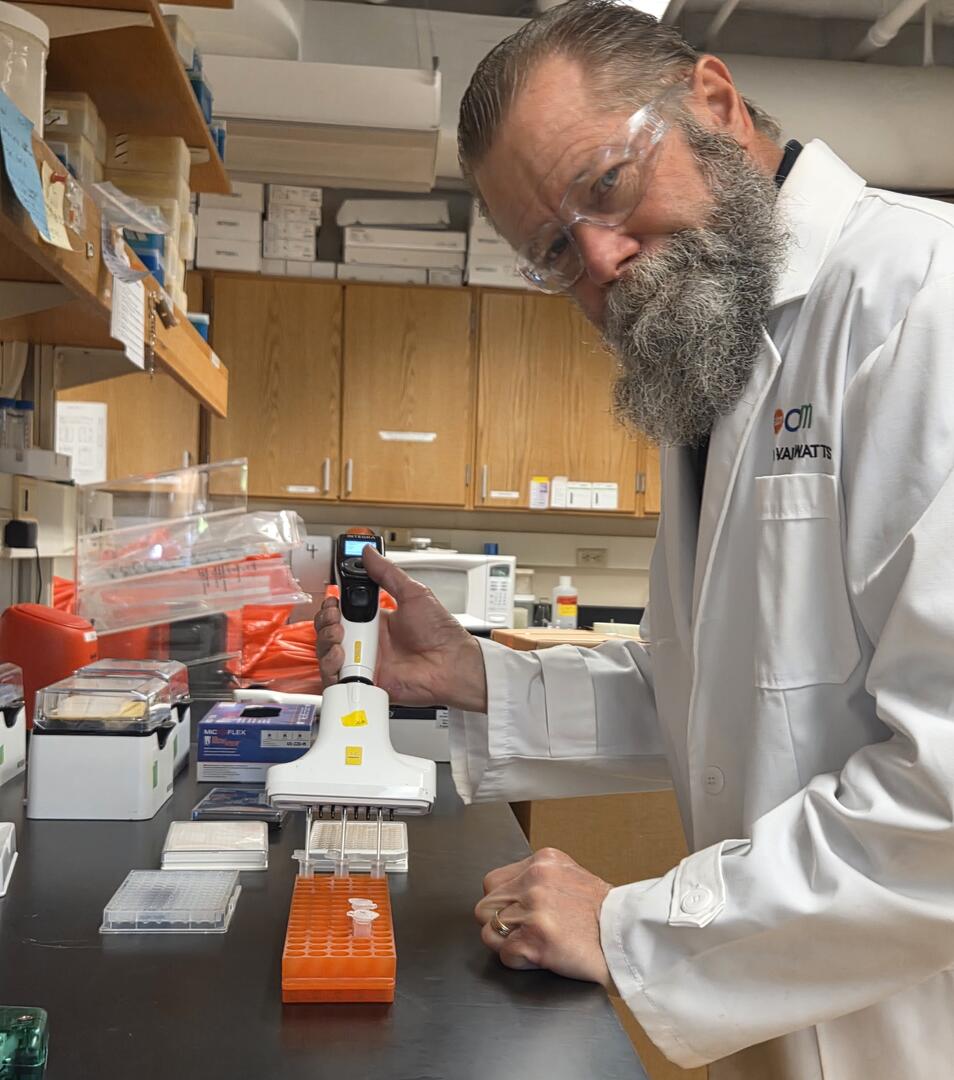
Dr Watts and his team frequently run large AC inhibition assays, which involves dispensing the same reagents into multiple rows or columns of 384 well plates. Dr Watts described the challenges associated with these assays: “We routinely need to pipette quickly and consistently in a 384 well format with high precision. This is painstakingly slow and prone to inter-user variability and errors when using a single channel pipette, especially at low volumes, which is not ideal for throughput and reproducibility.”
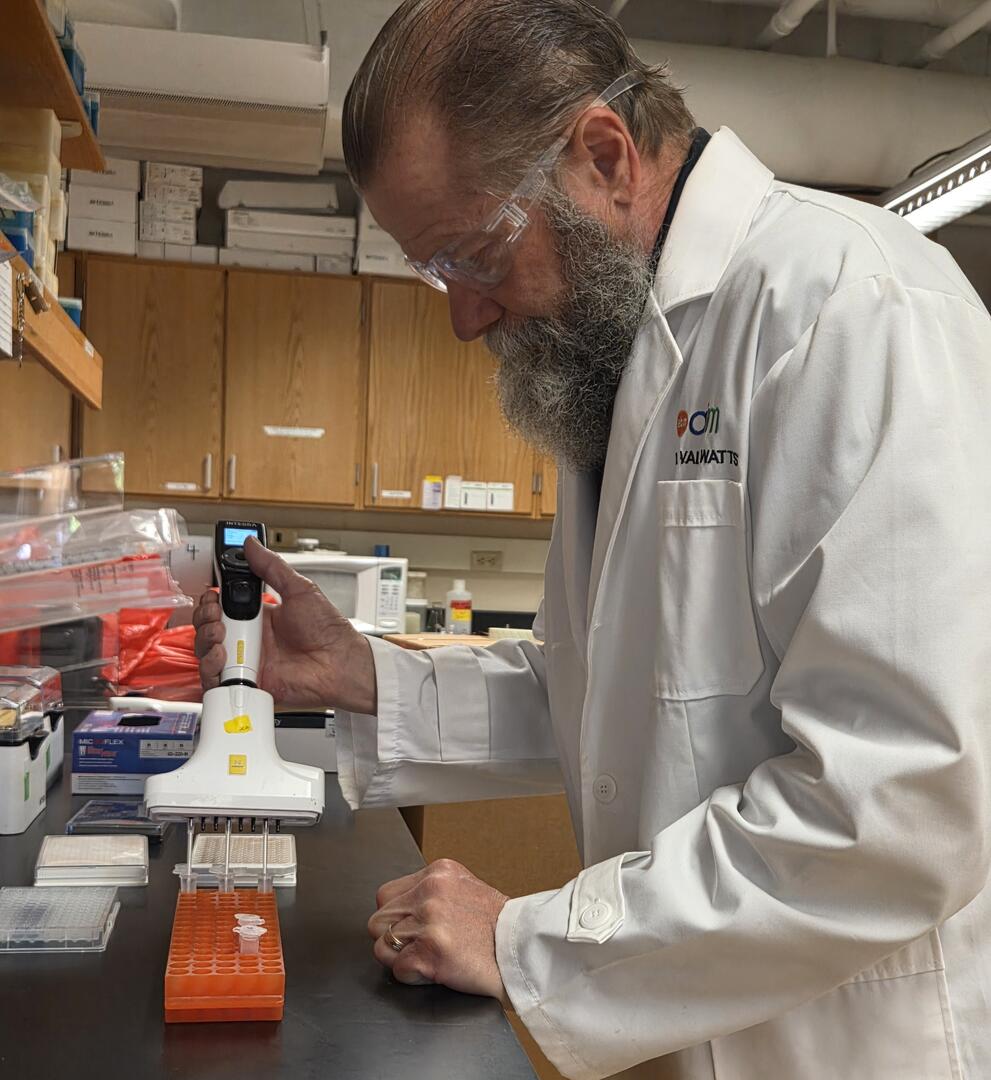
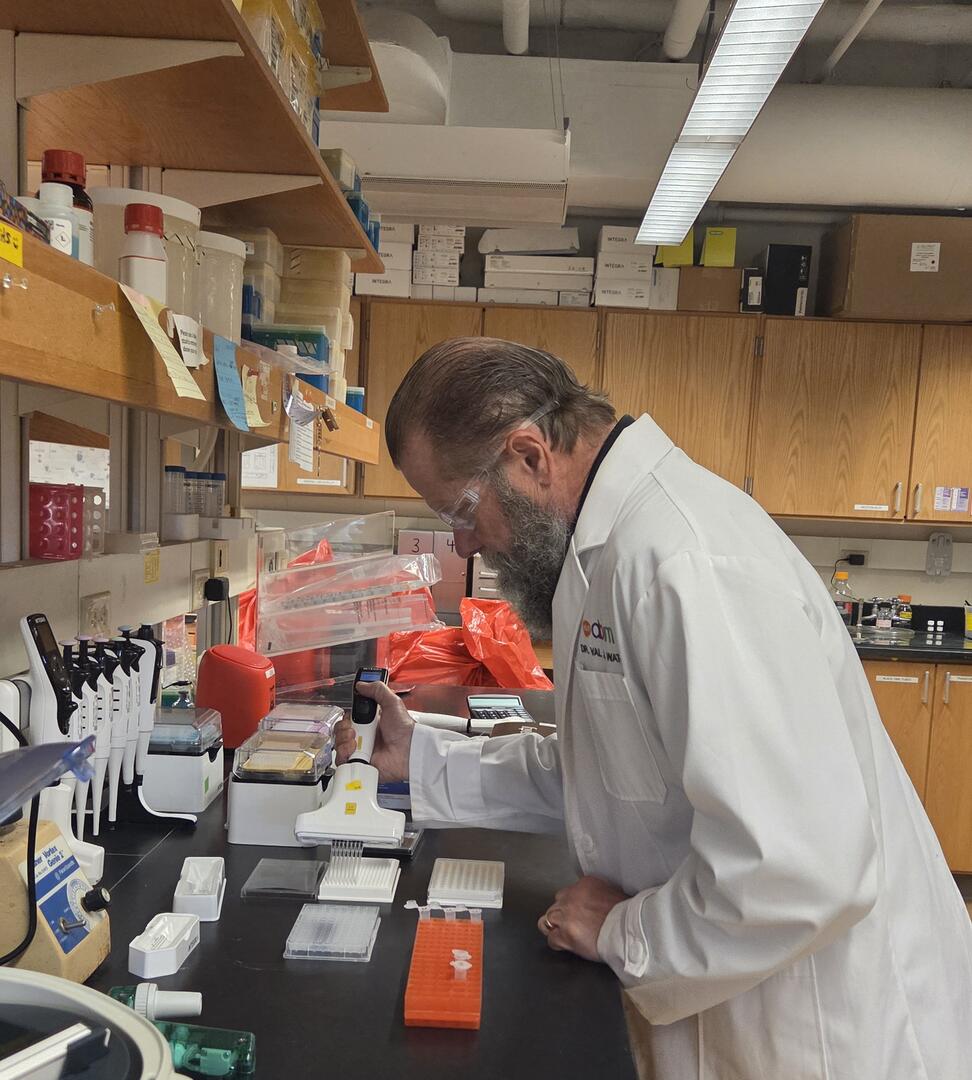
The team uses multichannel VOYAGER adjustable tip spacing pipettes to aid in these repetitive dispensing tasks. Dr Watts explained his decision to choose INTEGRA: “We’ve been using VOYAGER pipettes since soon after they were first launched in 2011. I was drawn to the VOYAGER because of its flexibility; it allows us to precisely dispense into just a few wells at a time, or rapidly fill an entire 384 well plate with very little hands-on time. We had such a good experience that I soon bought additional multichannel VOYAGER pipettes, as well as several single channel INTEGRA pipettes. Everyone in the lab now has their own set of INTEGRA pipettes – as well as a PIPETBOY acu 2 serological pipet controller – so no one has to wait for one to become available, and there is a lower risk of cross-contamination. Using the same liquid handling devices throughout the lab also gives us more comparable results between workflows and staff members.”
User-friendly liquid handling tools streamline analgesia research
“The VOYAGER pipettes are easy to use and highly intuitive, and even undergraduate students can quickly become proficient with minimal training and practice, shortening the learning curve. We typically create customized pipetting protocols for all our workflows, and this is very straightforward on the VOYAGERs, thanks to their touch wheel and user interface. This innate ease of use helps to give less experienced lab users more confidence in their pipetting and results.”
“I also greatly appreciate the relationship we have with our INTEGRA sales representative, as she is very attentive and always eager to help us with our queries and device maintenance. I appreciate the INTEGRA team’s knowledge and attention to detail, and their support means that we can spend less time on problem solving, and more time on our critical research into targeted, non-opioid treatments for chronic pain,” Dr Watts concluded.
Applications
Show all-
Automated DNA extraction protocol to effortlessly isolate gDNA from blood
-
Automating the Corning Matrigel® thin coating protocol for cell culture applications
-
Automation-enabled high throughput electroporation of primary cells using the ASSIST PLUS and DropGenie platform
-
Automated DNA size selection for flexible NGS workflow integration
Stories
Show all-
 · Product News
The evolution of the PIPETBOY serological pipet controller
-
 · Company News
Streamlining CRISPR workflows, from editing to analysis
-
 · Customer Testimonial
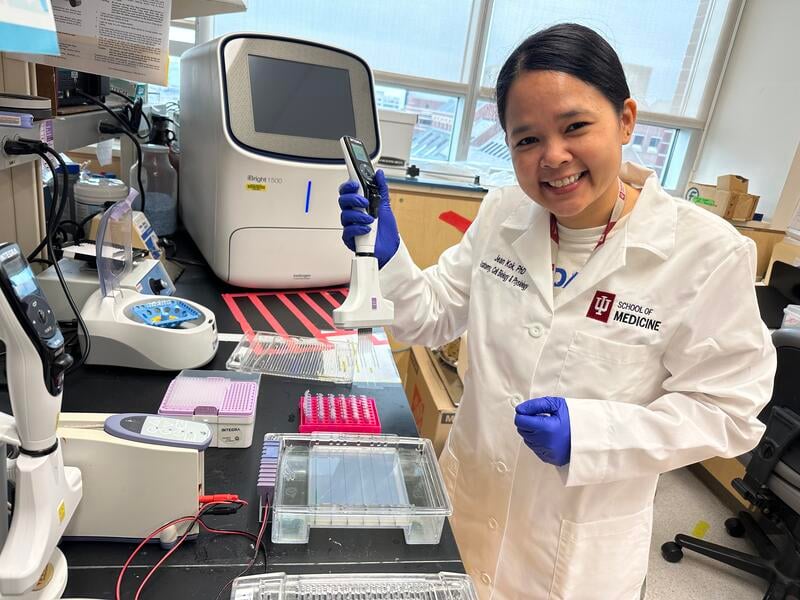
Advancing muscle–bone research with faster, more efficient genotyping workflows
-
 · Customer Testimonial
Enhancing the consistency of ag-tech R&D processes with the ASSIST PLUS pipetting robot
-
 · Customer Testimonial
QIAGEN is accelerating PCR sample prep with our flexible pipetting solutions