


-
Automated DNA normalization for NGS library prep
Effortless normalization for 16S metagenomic Illumina sequencing
Next generation sequencing (NGS) is used for DNA and RNA sequencing in basic, applied and clinical research, as well as diagnostics. NGS was originally called ‘massively parallel sequencing’, referring to its capacity to analyze millions of sequencing reactions at the same time. At the start of the NGS workflow, libraries of similarly sized DNA fragments are created. Normalization of these DNA libraries is then performed, as differences in the concentrations of fragments affect the sequencing results, leading to under- or over-representation of individual fragments.
Normalization of nucleic acid concentrations – the equalization of sample concentrations – essentially involves dilution of the sample with varying volumes of diluent. Manual DNA normalization is error-prone and tedious and requires cumbersome calculations and constant focus to ensure accurate sample tracking.
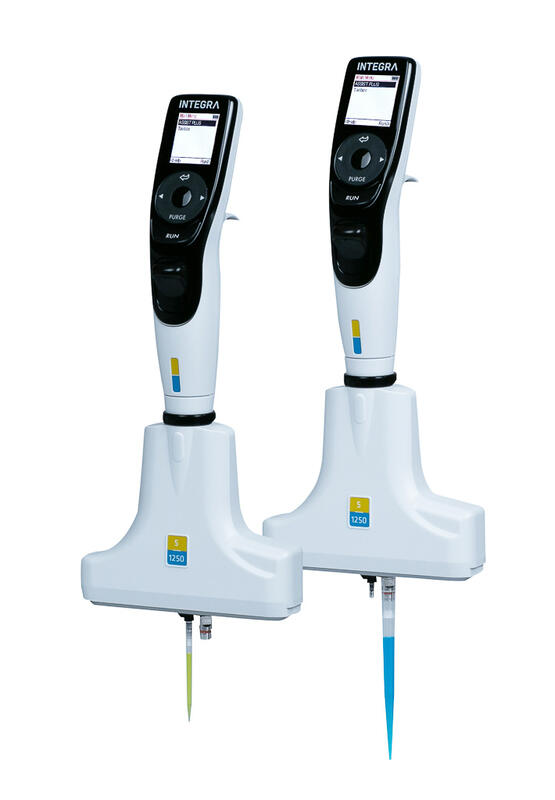
The ASSIST PLUS pipetting robot can be paired with the D-ONE single channel pipetting module to provide an easy automated solution for library normalization, ensuring error-free dilution calculations, consistent pipetting steps and precise liquid handling.
-
Table of contents
Next generation sequencing (NGS) is used for DNA and RNA sequencing in basic, applied and clinical research, as well as diagnostics. NGS was originally called ‘massively parallel sequencing’, referring to its capacity to analyze millions of sequencing reactions at the same time. At the start of the NGS workflow, libraries of similarly sized DNA fragments are created. Normalization of these DNA libraries is then performed, as differences in the concentrations of fragments affect the sequencing results, leading to under- or over-representation of individual fragments.
Normalization of nucleic acid concentrations – the equalization of sample concentrations – essentially involves dilution of the sample with varying volumes of diluent. Manual DNA normalization is error-prone and tedious and requires cumbersome calculations and constant focus to ensure accurate sample tracking.
The ASSIST PLUS pipetting robot can be paired with the D-ONE single channel pipetting module to provide an easy automated solution for library normalization, ensuring error-free dilution calculations, consistent pipetting steps and precise liquid handling.
Key benefits
Downloads: App note and protocols for the effortless DNA library normalization using the ASSIST PLUS pipetting robot equipped with the D-ONE single channel pipetting module
Here you can download the complete protocols and reports used in this application and use them on your ASSIST PLUS and D-ONE. The protocol can be customized with the VIALAB software.
Overview: How to perform sample normalization for Illumina 16S metagenomic sequencing
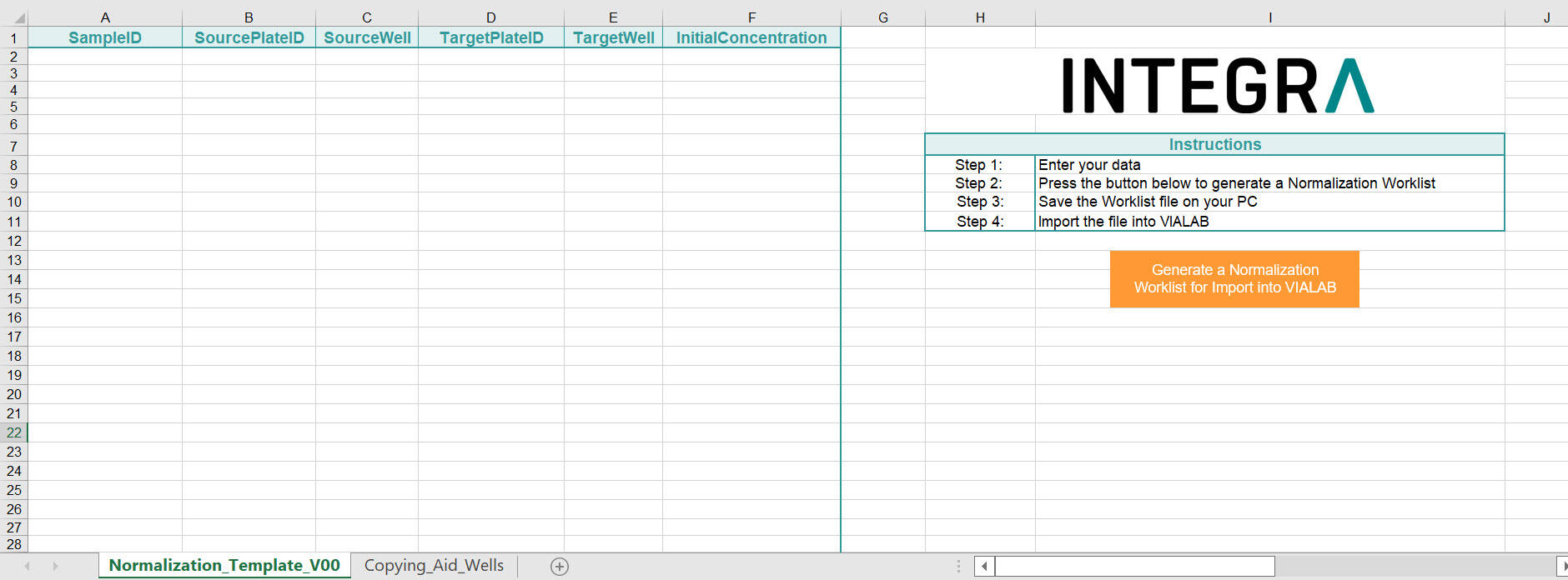
This application note describes the automation of DNA library normalization. The protocol is based on Illumina's 16S Metagenomic Sequencing Library Preparation Guide. After quantifying the DNA libraries, the DNA concentrations should be calculated in nM concentration (see a calculation example for 500 bp long amplicons in the DNA concentration calculation Microsoft Excel® sheet). For sequencing, the libraries should be diluted to a concentration of 4 nM. The 'Normalization worklist' programming step allows the user to import a worklist with sample details and concentrations (Figure 1).
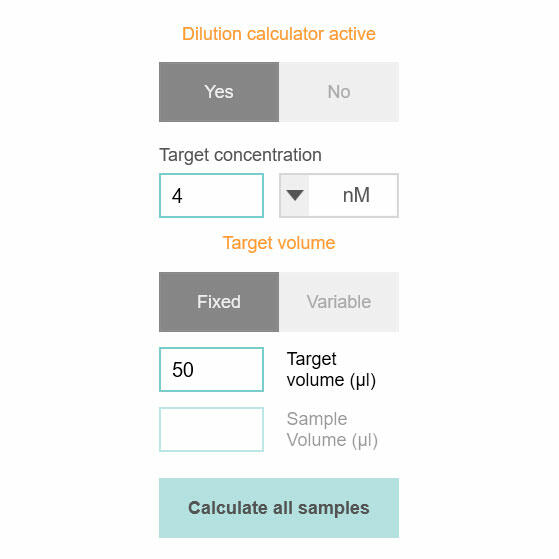
The dilution calculator (Figure 2) in VIALAB automatically determines the correct volume of each sample and diluent based on the target concentration (4 nM) and target volume (50 µl). It also automatically selects the best-suited pipette tip size.
Step-by-step procedure:
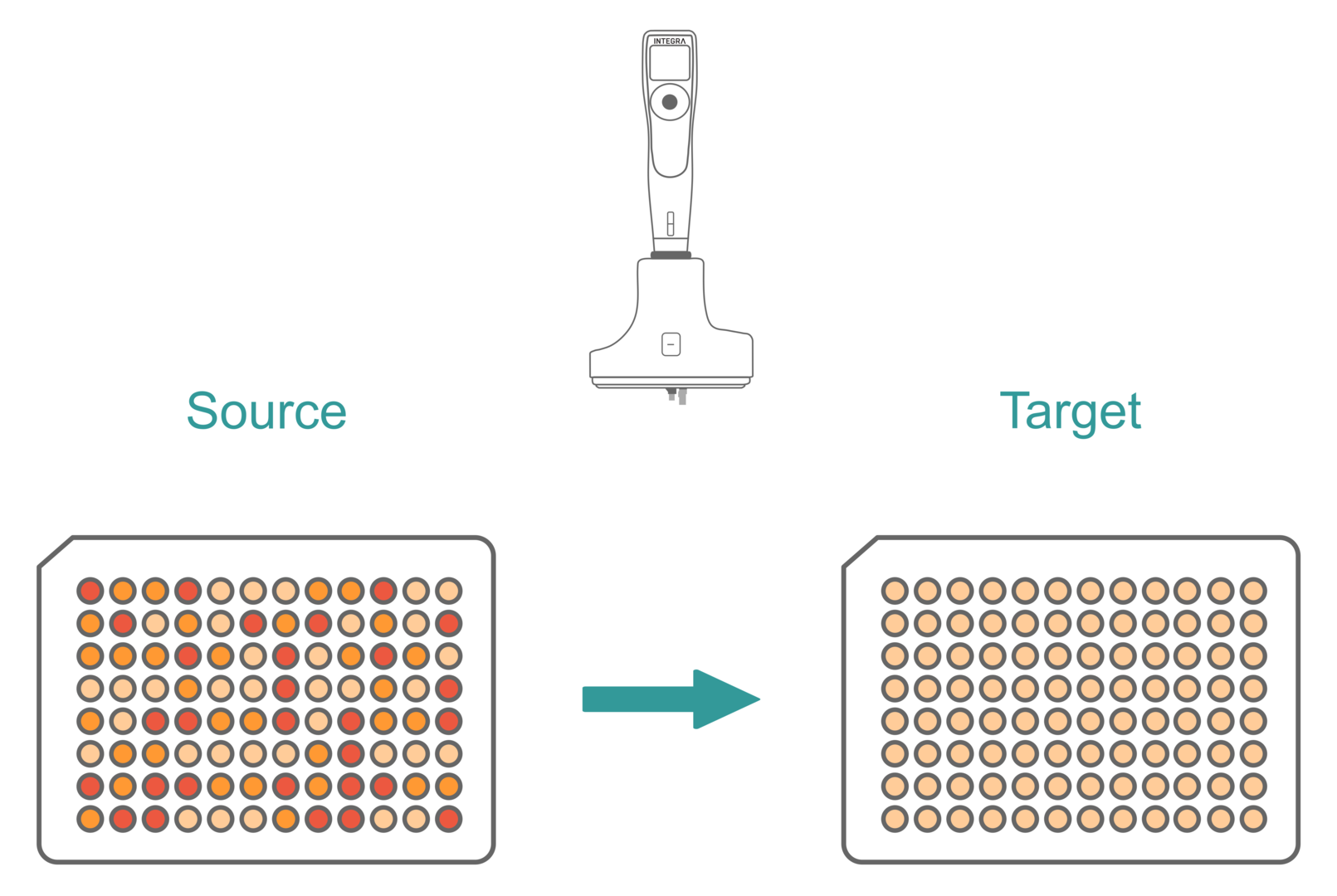
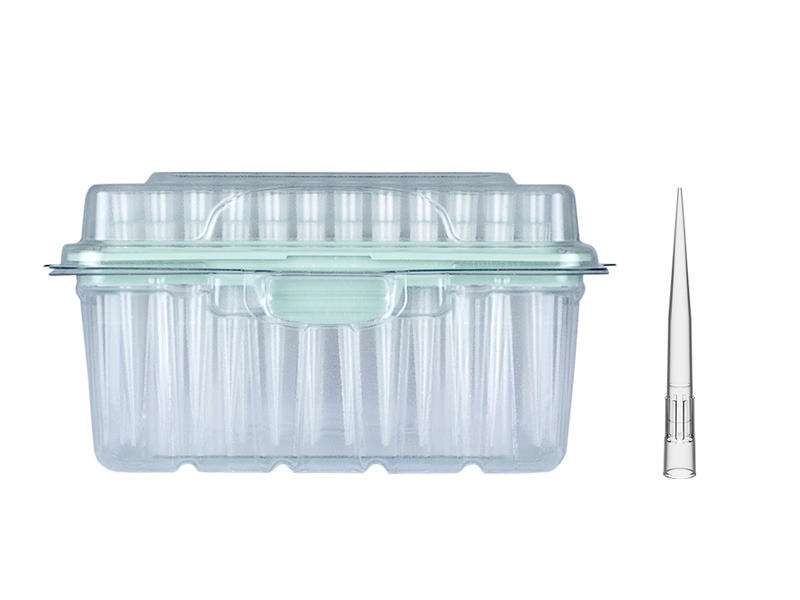
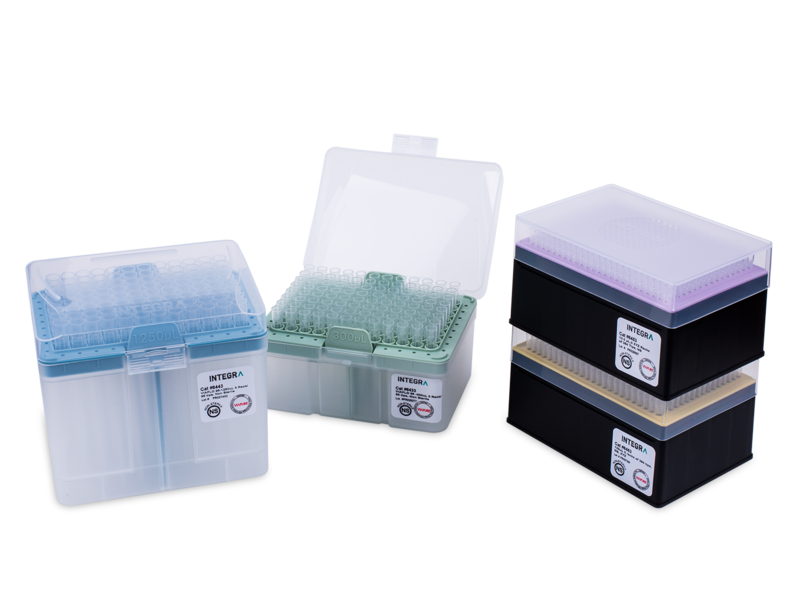
The ASSIST PLUS pipetting robot is used together with the 0.5-300 µl D-ONE single channel pipetting module and 12.5 µl and 300 µl Sterile, Filter GRIPTIPS® to automate the pipetting steps of sample normalization for Illumina 16S metagenomic sequencing (Figure 3).
The normalization protocol consists of two steps:
- Transfer of the diluent
- Transfer of the samples
Experimental set-up
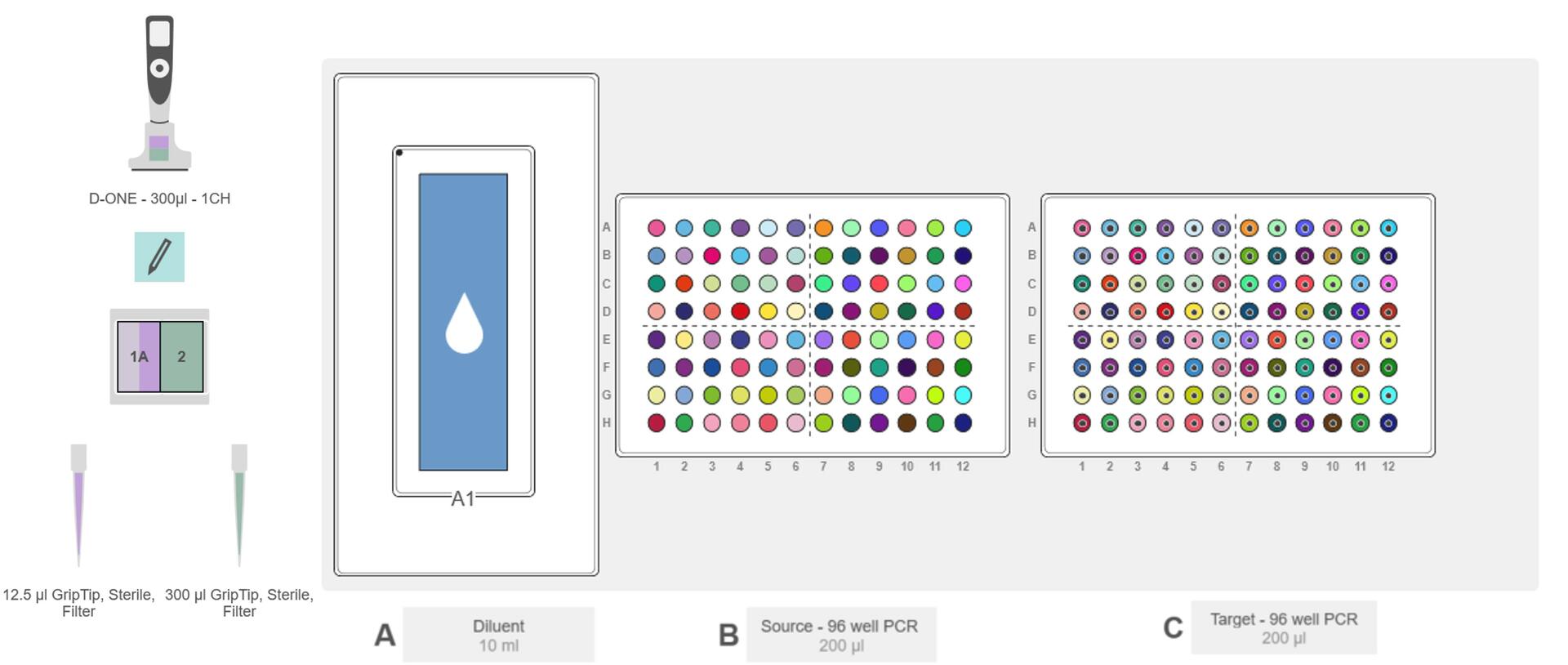
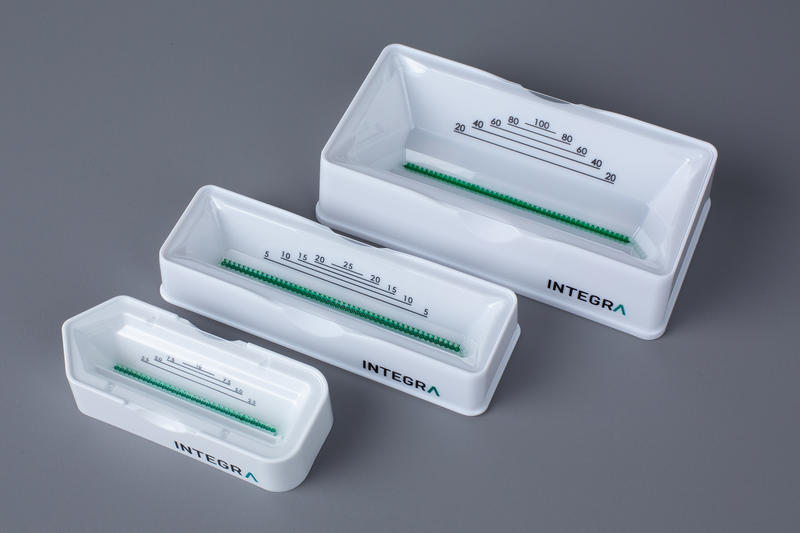
Deck position A: Diluent – 10 ml multichannel reagent reservoir
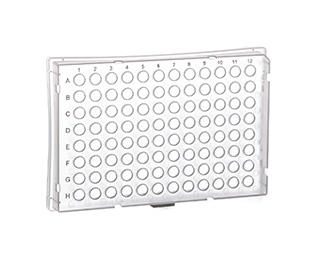
Deck position B: Source plate – Sapphire 96 well PCR plate (Greiner Bio-one)
Deck position C: Target plate – Sapphire 96 well PCR plate (Greiner Bio-one)
1.Transfer of diluent
The diluent is added in repeat dispense steps.
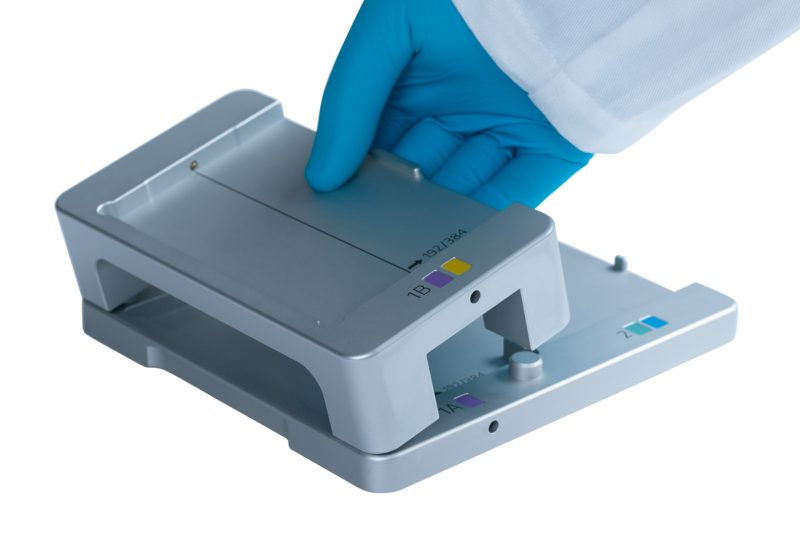
Place the 10 ml multichannel reagent reservoir on deck position A and fill it with 5 ml of 10 mM Tris (pH 8.5) buffer (Figure 4, blue with a white drop). Next, place the source plate (Sapphire 96 well PCR plate) with the amplicon samples on position B (Figure 4, colored circles) and an empty Sapphire 96 well PCR plate on position C (Figure 4, colored circles with dots); this will be the target plate containing the diluted, normalized samples.
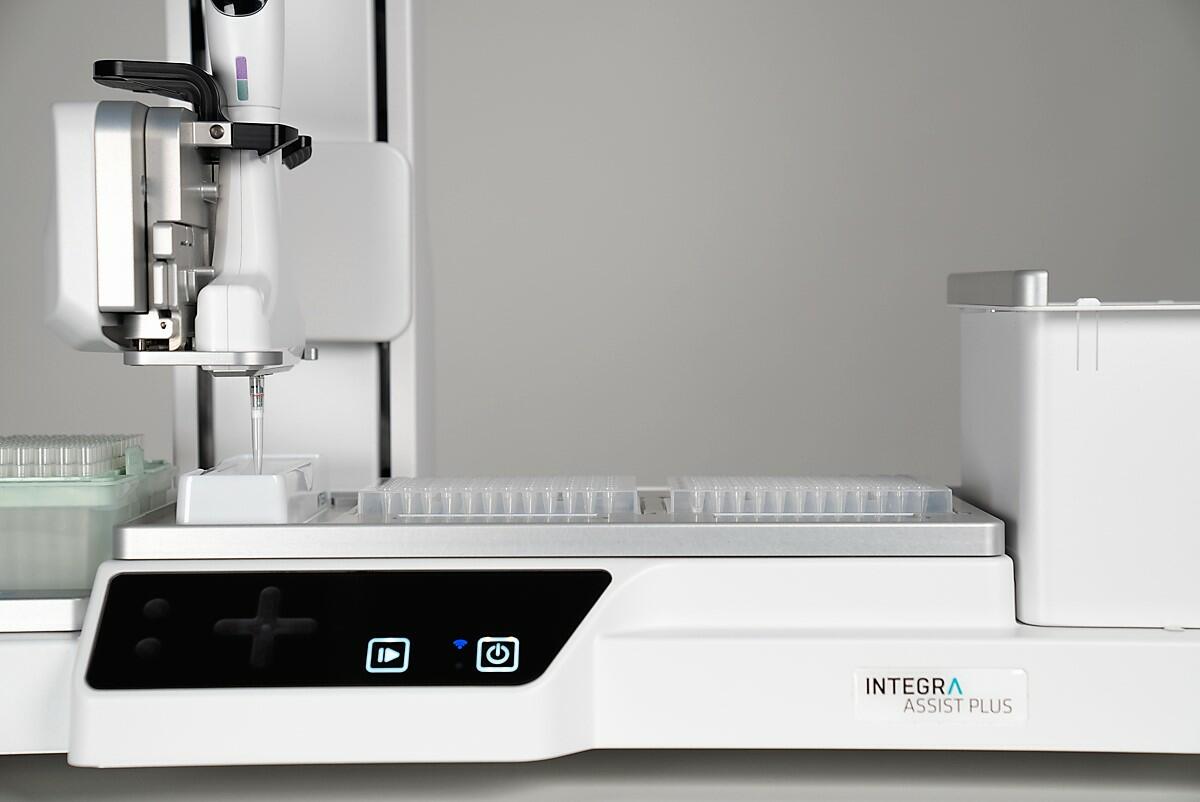
Select and run the VIALAB program 'Illumina amplicon normalization'. The system first transfers the calculated diluent volumes to each well in several repeat-dispense steps with tip touch (Figure 5). A 15 µl pre- and post-dispense ensures precision while pipetting, and the total volume for each aspiration is calculated automatically. This is the fastest way of dispensing different volumes with a single channel pipette, saving time and money while reducing tip usage.
Tip:
- Pre- and post-dispense settings, together with the tip touch, guarantee precise and accurate pipetting results.
2. Transfer of the samples
The samples are transferred one by one.
After dispensing the diluent, the ASSIST PLUS pipetting robot starts to add the amplicon samples from the source plate to the target plate in individual transfer steps (Figure 6).
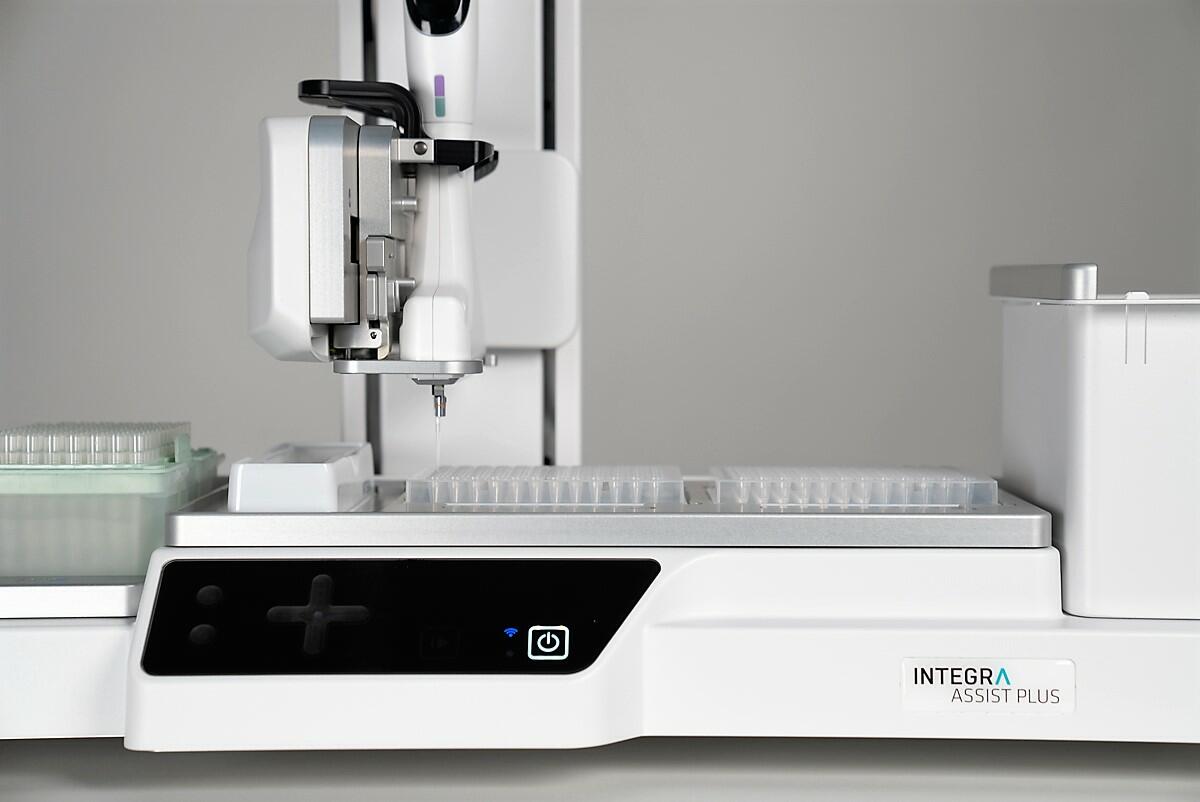
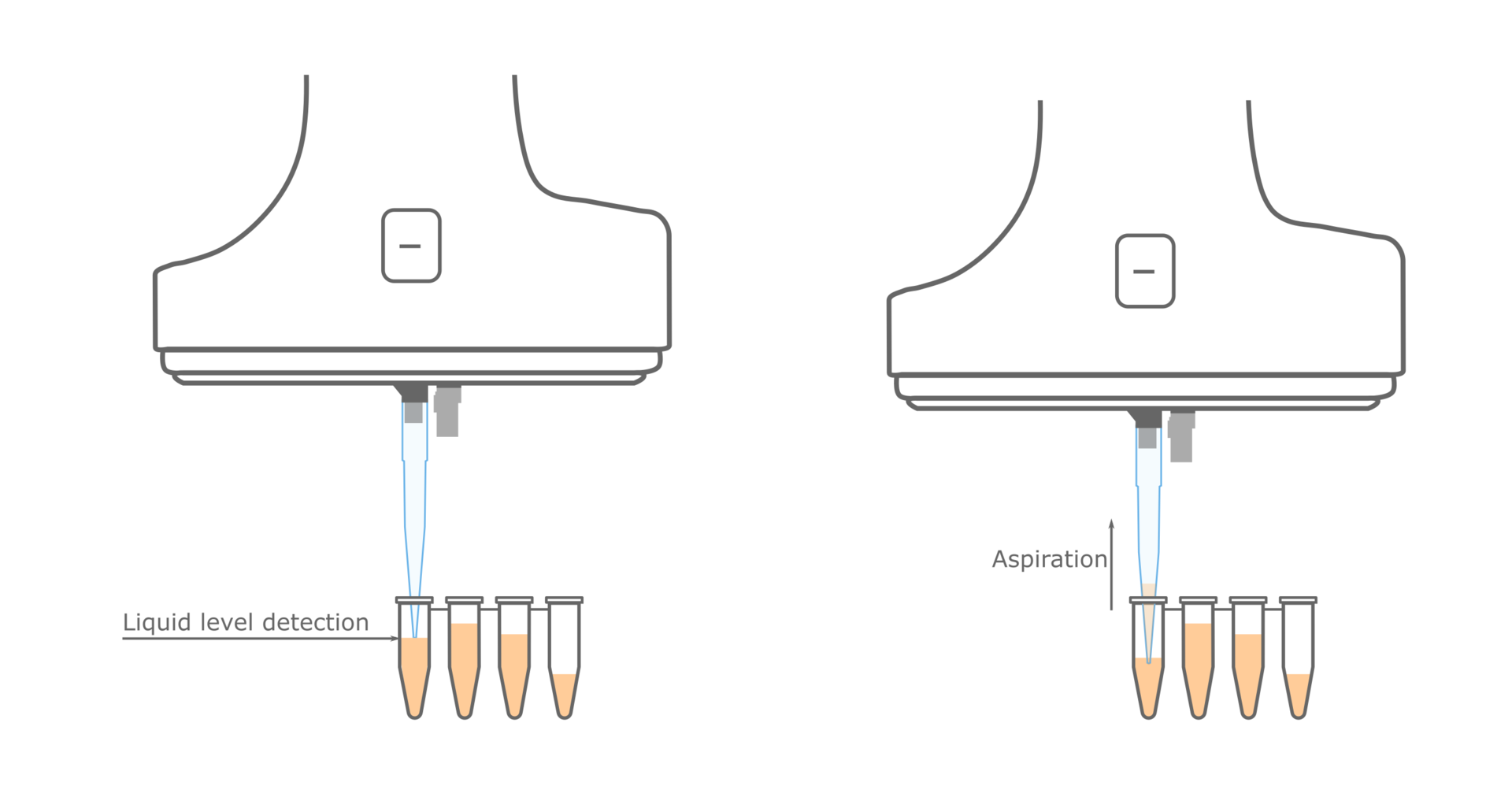
The amplicon sample volumes in the source plate may be different. If the liquid level detection (LLD) (Figure 7) is activated, the optimal pipetting height is automatically detected and allows the pipette tip to follow the liquid level during aspiration. This constant submerge depth during aspiration contributes to precise pipetting results. At the end of every transfer step, the sample is mixed thoroughly with the diluent in three mixing cycles.
Tip:
- Pipetting parameters (pipetting speed, pre-wetting, tip change) and the mixing conditions (height, speed, cycle and volume) can easily be adjusted in the VIALAB program if needed.
Now the normalized libraries are ready to be aliquoted and pooled for sequencing.
Remarks
- VIALAB software: VIALAB programs can be easily adapted to the user’s specific labware and protocols.
- Run report: If the ASSIST PLUS pipetting robot is connected to the PC with VIALAB, programs can be started directly from the PC. After the run, a run report is automatically generated, documenting details such as the start/end time, user, calculated volumes, and any errors that occurred. This offers a convenient way to fulfill regulatory requirements.
Conclusion
Related articles
Further reading:
Ask our expert. Leave a comment!
Write us if you have any questions regarding the application note or one of our instruments.
Any questions? I'm happy to help!
Instruments and accessories
ASSIST PLUS, Pipetting Robot
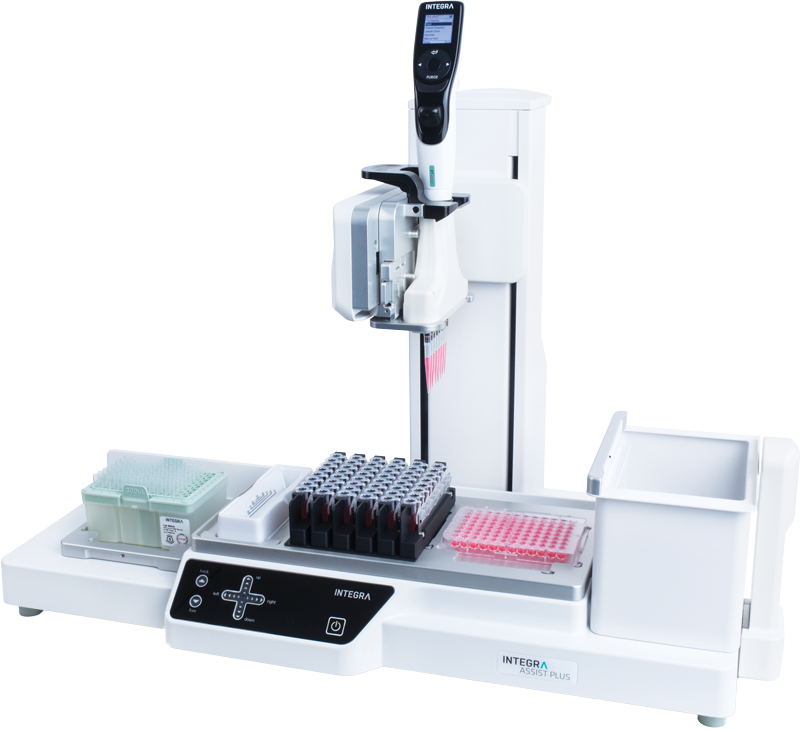
INTEGRA has developed the ASSIST PLUS pipetting robot to streamline routine pipetting tasks at an affordable price. Using INTEGRA electronic multichannel pipettes, the system:
- automates pipetting tasks,
- eliminates physical strain and
- ensures superior reproducibility and
- error free pipetting.
Part No. 4505
Customer’s voice
Autonomous Genius that Gives My Shoulders a Break!
"The quality and more importantly, the consistency of the ASSIST-plus makes an MLT’s life a whole lot easier! Pipetting by hand for 8 hours can take a toll on you, but when you’re ready to plate a 384, the ASSISTplus is a breath of fresh air!"
Related products


Applications
Show all-
End-to-end Twist library preparation protocol for NGS workflow automation
-
Streamlining single-cell sequencing with the Flex Apex workflow using automated liquid handling solutions
-
Optimizing DNA fragmentation and NGS library preparation with automated liquid handling
-
A simple and streamlined workflow for membrane protein isolation
Stories
Show all-
 · Company News
Streamlining CRISPR workflows, from editing to analysis
-
 · Customer Testimonial
Enhancing the consistency of ag-tech R&D processes with the ASSIST PLUS pipetting robot
-
 · Product News
Magnetic beads represent a modern approach to gDNA isolation
-
 · Product News
Magnetic beads for NGS size selection and PCR purification