


Advancing muscle–bone research with faster, more efficient genotyping workflows
Understanding the communication between muscle and bone
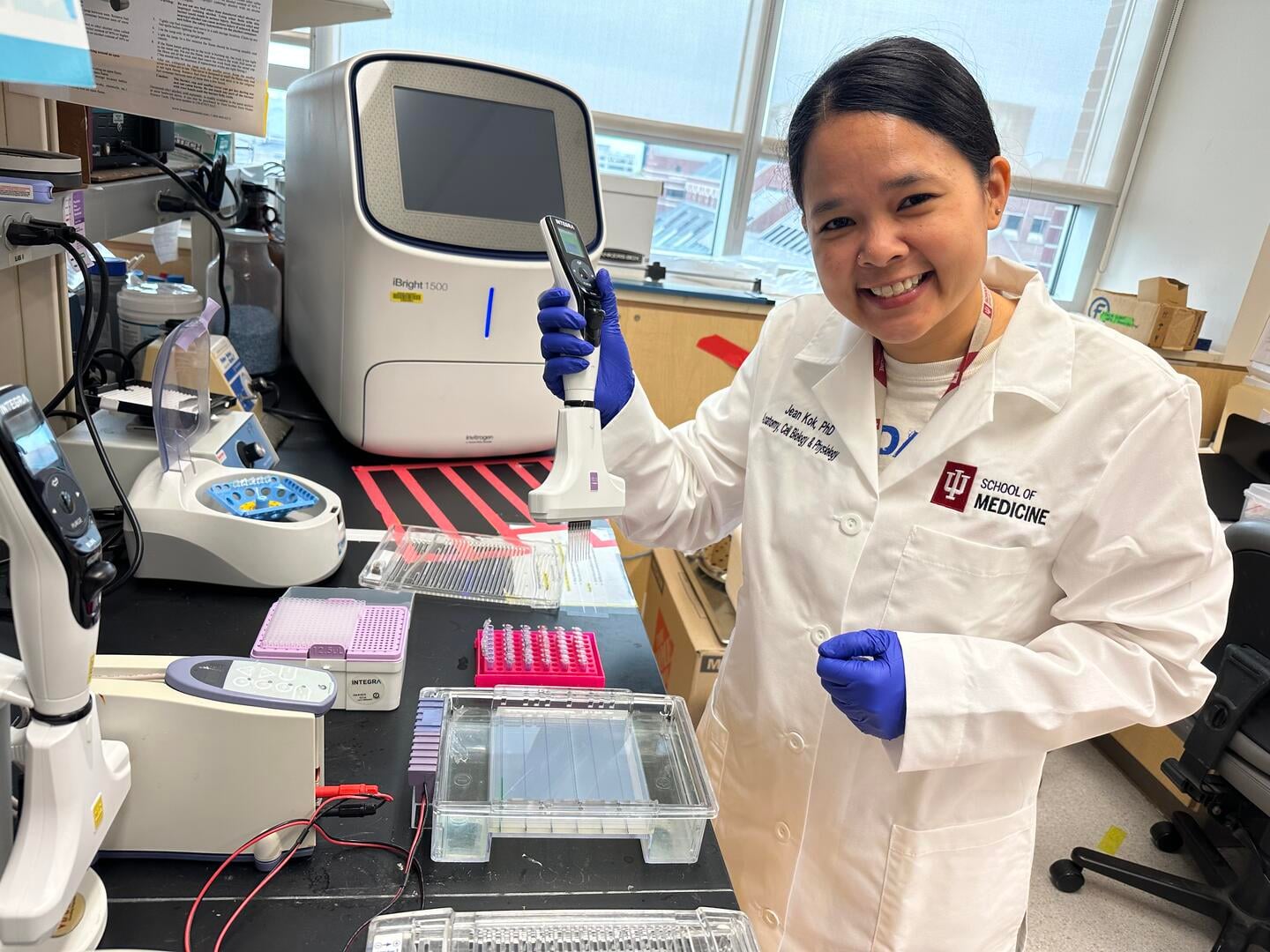
Musculoskeletal diseases are among the leading causes of disability worldwide, yet many questions remain about how different tissues communicate to maintain healthy movement and skeletal function. Fortunately, modern physiology is a fast-moving field of research, having evolved considerably over the last decade. Dr Jean Kok is investigating the molecular physiology underpinning muscle–bone crosstalk, and explained recent advances: “When I was doing my PhD, a lot of research focused on how different cell types communicate within a tissue, but the emphasis has now shifted to understanding how whole tissues communicate with one another. For example, a lot of research funding today is going towards looking at the whole-body effects of GLP-1 drugs, and the consequences of weight loss in relation to different organ systems and body states, like menopause. I am particularly interested in how the muscles and bones talk to each other, which brings together my PhD expertise in muscle physiology with my current work on bone biology.”
Improving mouse genetics experiments
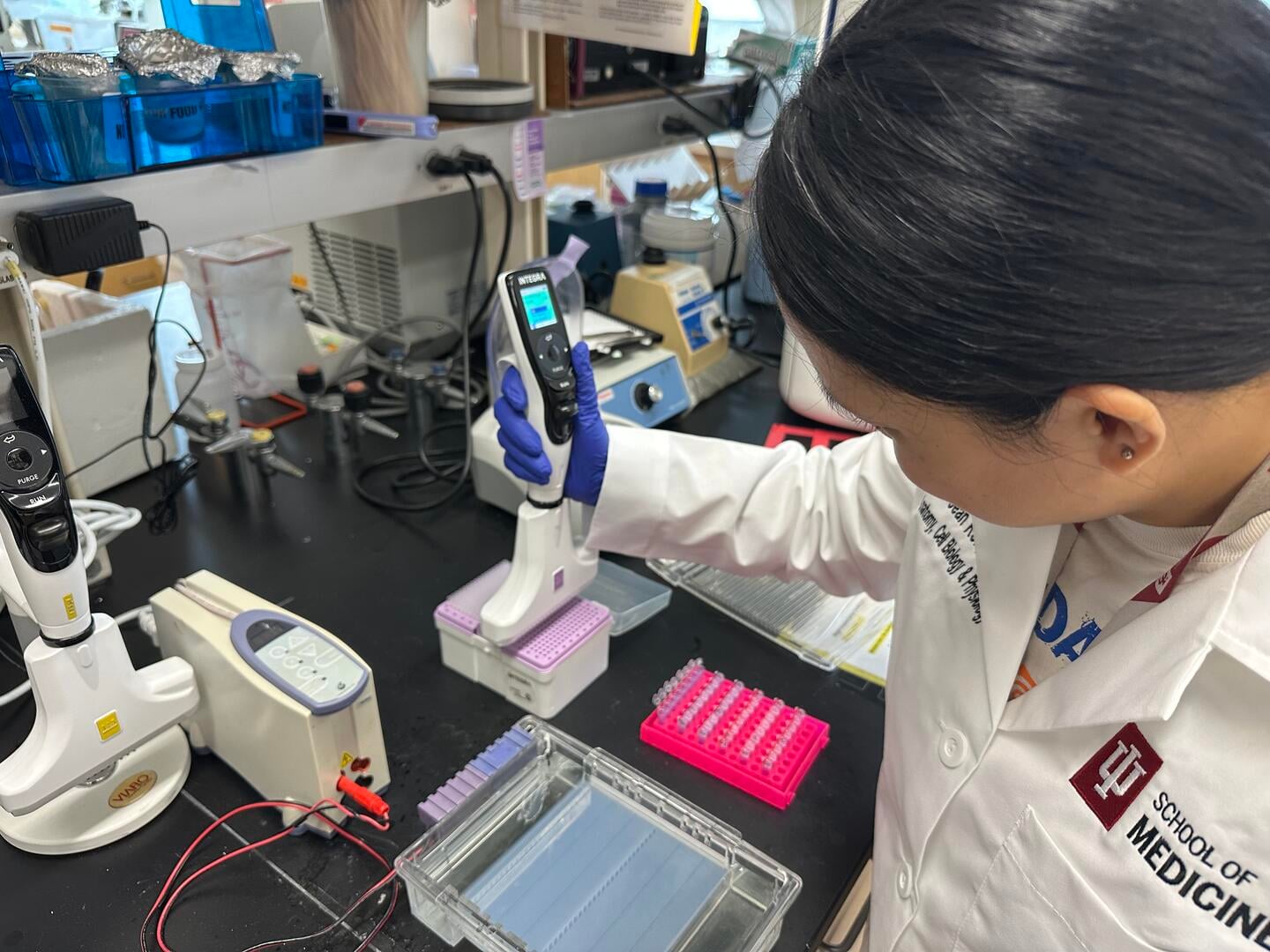
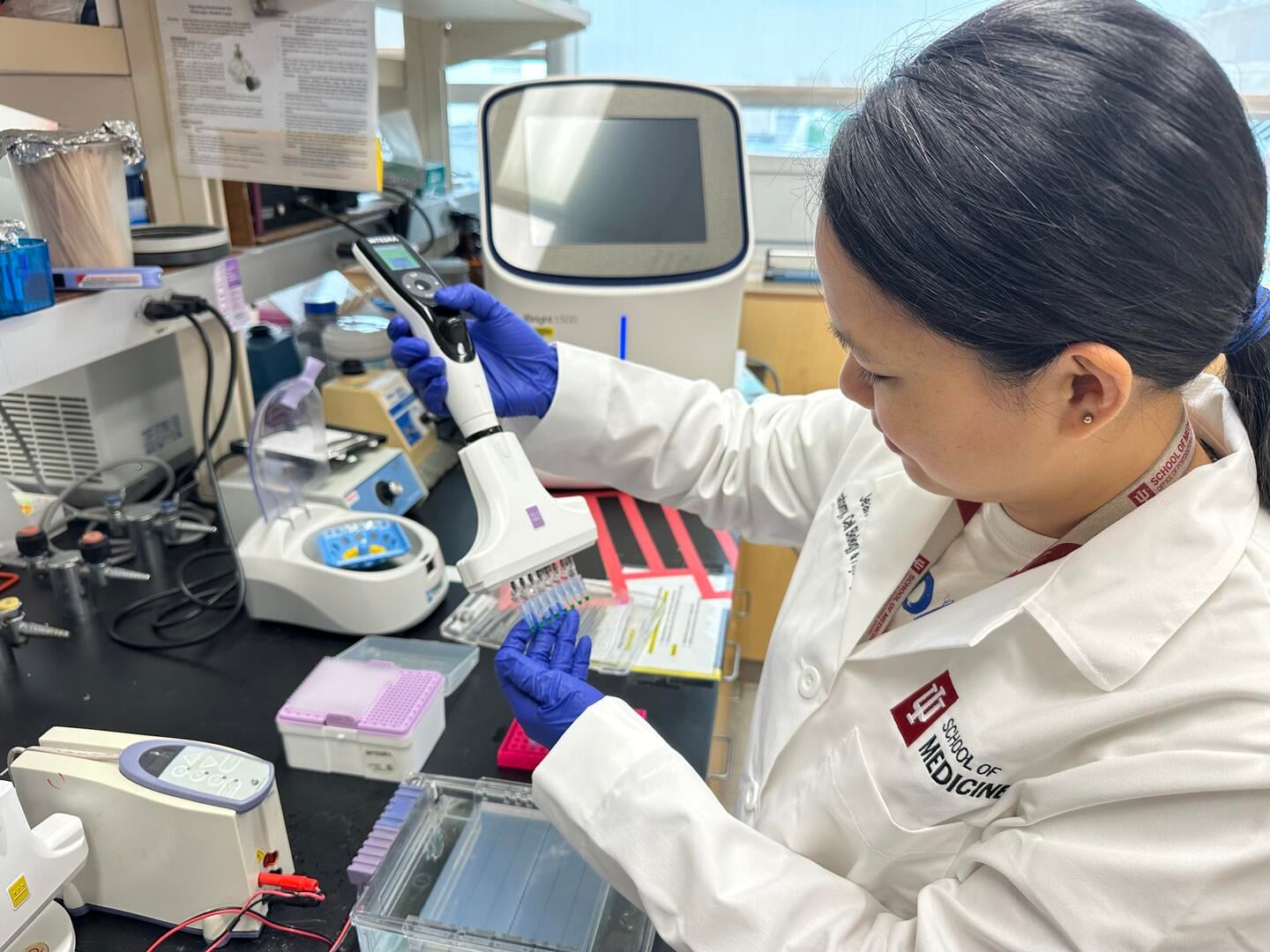
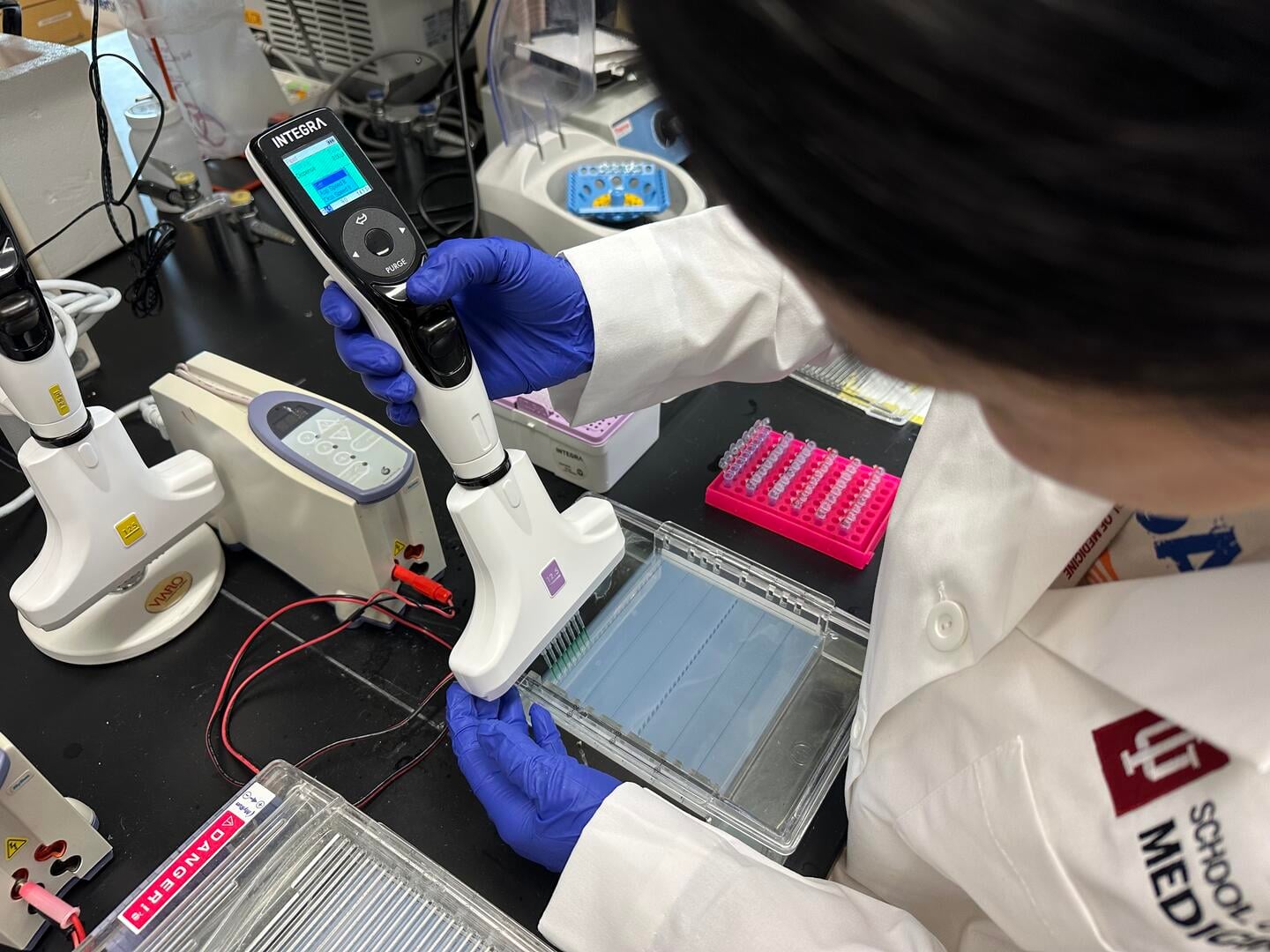
Studying muscle–bone communication relies heavily on genetically-modified mouse models. Jean’s current laboratory maintains thousands of mice carrying different combinations of muscle- and bone-specific alleles, making genotyping one of the group’s largest routine workloads. The group uses two VOYAGER adjustable tip spacing pipettes for a variety of applications in its molecular biology workflows, including PCR set-up, gel loading and high density qPCR processing.
Jean performed these tasks entirely manually before joining her current laboratory: “I had to process samples one by one during my PhD. It often took me half a day or more just to get my genotyping done. In my current lab, genotyping is still a big task – we have over 5,000 mice at any one time – but having the VOYAGER has saved a lot of time. It’s so much easier now! We also have a graduate student in the lab who often performs qPCRs in 384 well plates. As with any qPCR, time is of the essence once reagents are added to the plate, so he uses the VOYAGER to load these plates much faster, ensuring reliability.”
Easy liquid handling for busy labs
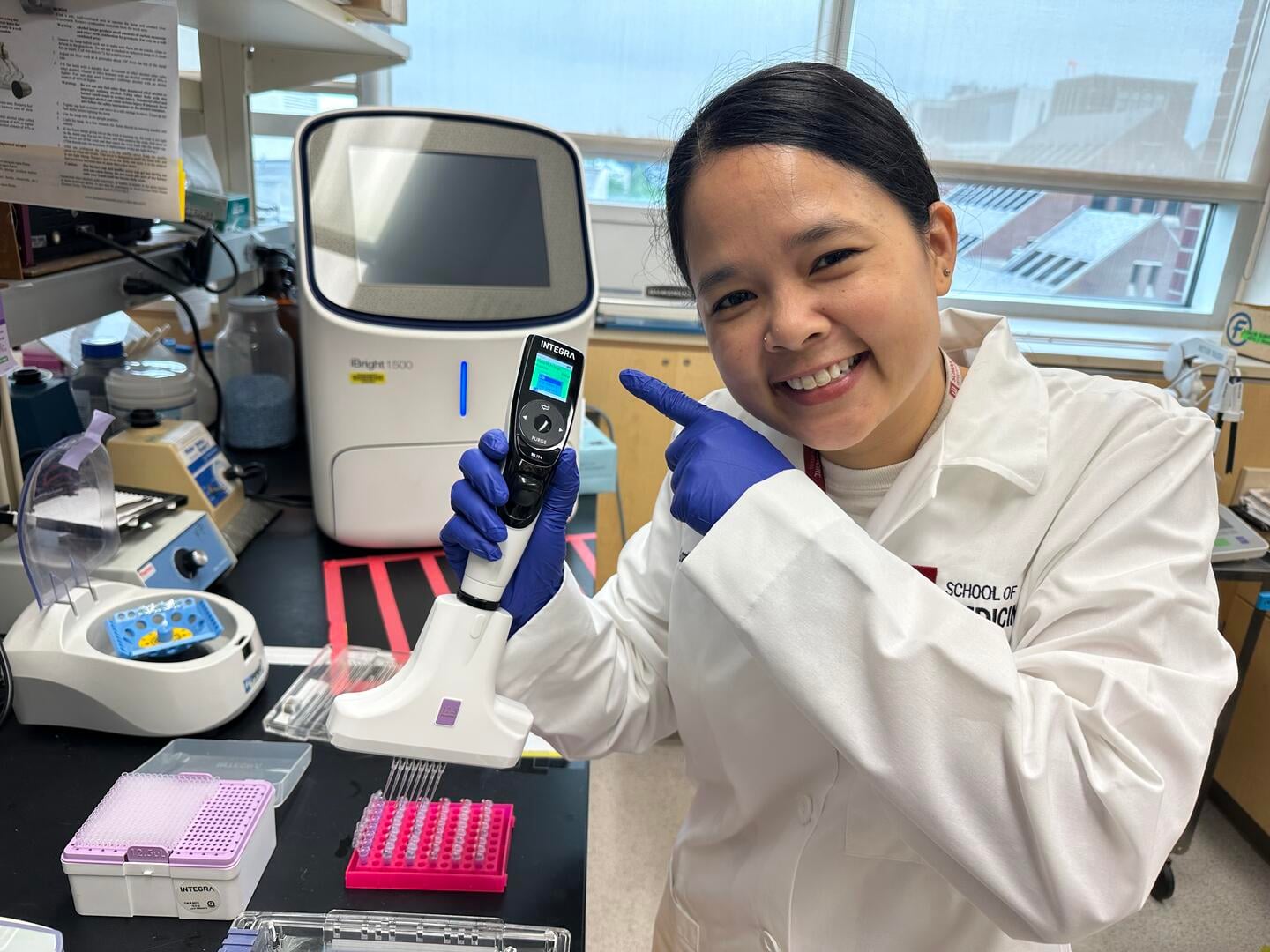
Jean found the VOYAGER remarkably intuitive to use, despite having no previous experience. “I saw the VOYAGER being used in the lab and was very interested in trying it out. Within 10 minutes, my lab manager had explained how it worked and taught me how to use it. It’s super easy to make changes to things like volumes or tip spacings, and it’s been very simple for the rest of the lab to learn how to use it too. It’s so straightforward.”
Adopting innovative liquid handling solutions is about more than simply reducing pipetting time. More automated approaches – such as the VOYAGER’s adjustable tip spacing at the touch of a button – are enabling increasingly high throughput molecular biology techniques, especially as funding priorities shift towards research that is less reliant on animal models. Jean continued: “New micro-physiological systems jointly developed by physiologists and biomedical engineers are allowing novel research approaches, enabling cells from different tissues to be co-cultured to investigate communication between them. As these technologies develop, with more tissue types added, they are allowing investigation of more complex problems. Innovations in liquid handling can really help to make things more efficient in these situations, as the amount of lab work is only going to grow.”
Investing in the laboratory of the future
Jean is currently preparing to establish her own research group, and is already thinking carefully about which technologies will help to build an efficient and productive laboratory from the outset. “I see the value in investing in INTEGRA pipettes, as the company makes really high quality, easy-to-use products. I see them as the ‘Apple’ of pipettes. I am certainly planning to buy a VOYAGER, and I’m very interested in other INTEGRA products too, such as the SWITCH hybrid pipette, which I expect I would use every day. I really like the innovations coming out of INTEGRA, and I’m keen to try more products as my lab grows.”
Applications
Show all-
Automated DNA extraction protocol to effortlessly isolate gDNA from blood
-
Automating the Corning Matrigel® thin coating protocol for cell culture applications
-
Automation-enabled high throughput electroporation of primary cells using the ASSIST PLUS and DropGenie platform
-
Automated DNA size selection for flexible NGS workflow integration
Stories
Show all-
 · Company News
Streamlining CRISPR workflows, from editing to analysis
-
 · Customer Testimonial
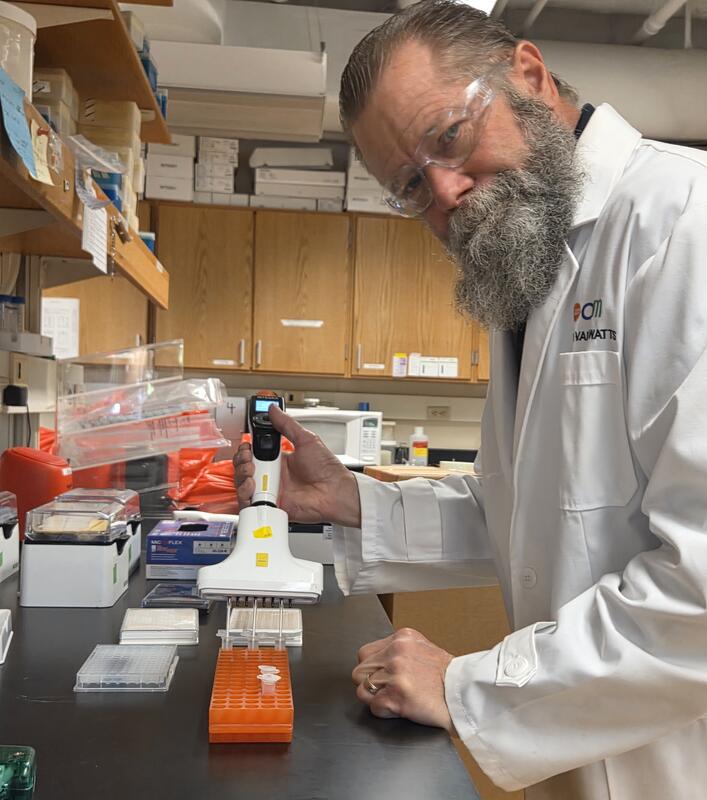
Exploring targeted treatments for chronic pain using VOYAGER pipettes
-
 · Customer Testimonial
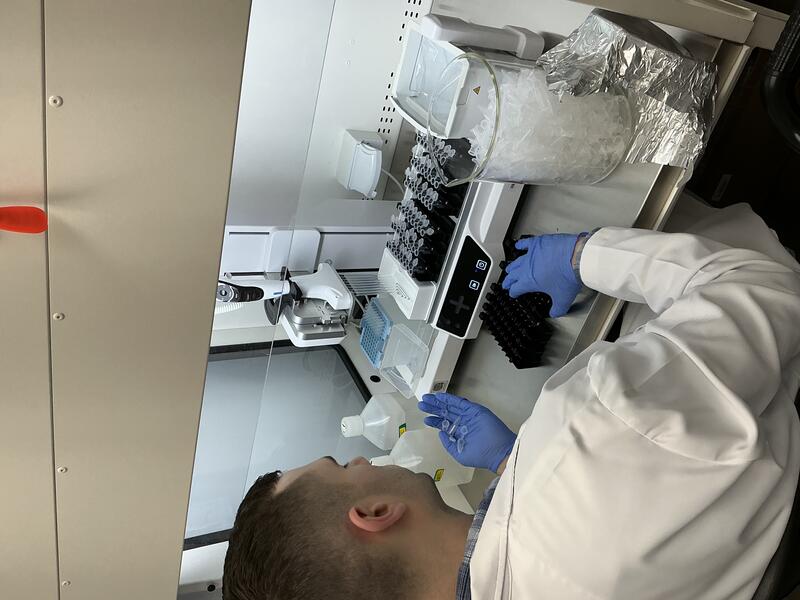
Enhancing the consistency of ag-tech R&D processes with the ASSIST PLUS pipetting robot
-
 · Customer Testimonial
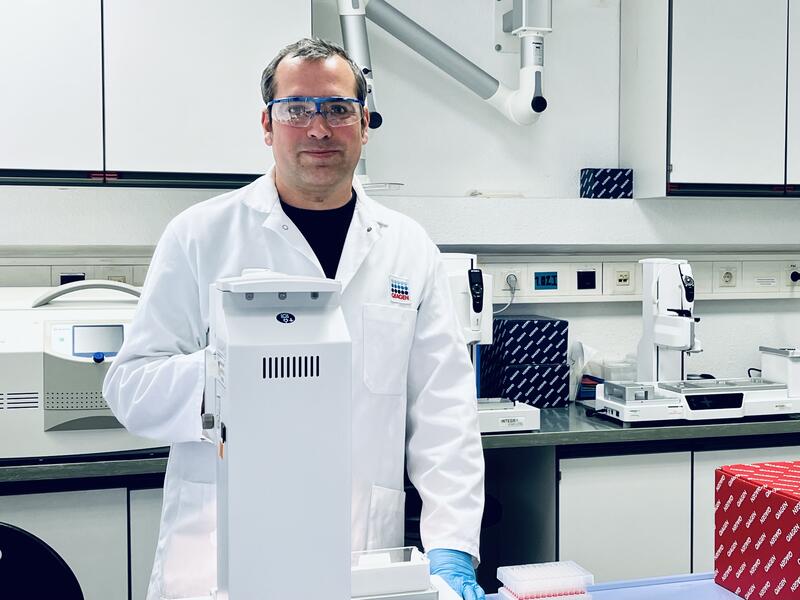
QIAGEN is accelerating PCR sample prep with our flexible pipetting solutions