


-
Rapid detection of HPV high-risk types 16 and 18 in cervical cancer screening
Automated PCR sample preparation using the Sansure diagnostic kit with the ASSIST PLUS pipetting robot
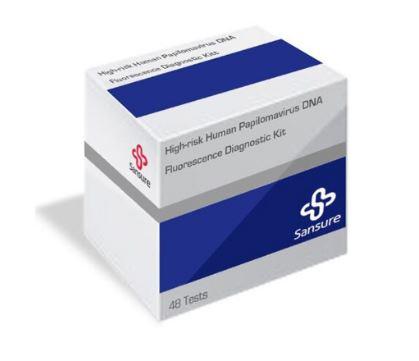
Human papillomavirus (HPV) infections are known to be a high-risk factor in developing various types of diseases. Crucially, almost all cervical cancer cases are related to oncogenic HPV infections. The disease remains the fourth most common cancer in women, with an estimated 530,000 new cases per year, and approximately 275,000 deaths worldwide. There are several types of high-risk oncogenic human papillomaviruses, including HPV types 16 and 18 that are responsible for around 70 % of cervical cancers worldwide. However, HPV-related cervical cancer could be prevented with regular screening. HPV testing is more sensitive than the Pap smear. As a result, many countries are now considering the use of HPV testing either to complement smear testing or as a primary test. Consequently, the demand for HPV testing is increasing, driving a need for automation while still keeping the process simple. The High-risk Human Papillomavirus DNA Fluorescence Diagnostic Kit (Sansure Biotech Inc.) is a nucleic acid extraction and amplification test for the detection of the high-risk oncogenic HPV types 16 and 18. It does not require time-consuming DNA purification steps prior to the PCR set-up, allowing for faster results compared to most PCR tests as well as increased sample processing capacity.
-
Table of contents
Human papillomavirus (HPV) infections are known to be a high-risk factor in developing various types of diseases. Crucially, almost all cervical cancer cases are related to oncogenic HPV infections. The disease remains the fourth most common cancer in women, with an estimated 530,000 new cases per year, and approximately 275,000 deaths worldwide. There are several types of high-risk oncogenic human papillomaviruses, including HPV types 16 and 18 that are responsible for around 70 % of cervical cancers worldwide. However, HPV-related cervical cancer could be prevented with regular screening. HPV testing is more sensitive than the Pap smear. As a result, many countries are now considering the use of HPV testing either to complement smear testing or as a primary test. Consequently, the demand for HPV testing is increasing, driving a need for automation while still keeping the process simple. The High-risk Human Papillomavirus DNA Fluorescence Diagnostic Kit (Sansure Biotech Inc.) is a nucleic acid extraction and amplification test for the detection of the high-risk oncogenic HPV types 16 and 18. It does not require time-consuming DNA purification steps prior to the PCR set-up, allowing for faster results compared to most PCR tests as well as increased sample processing capacity.
Key benefits
Overview: How to automate the pipetting steps of the Sansure High-risk Human Papillomavirus DNA Fluorescence Diagnostic Kit
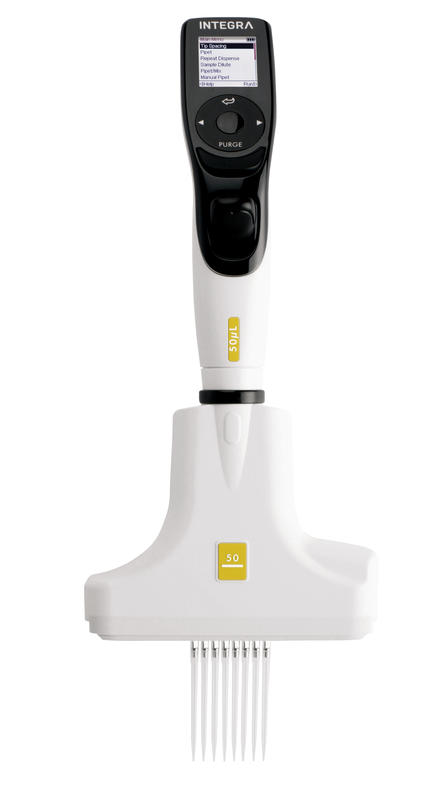
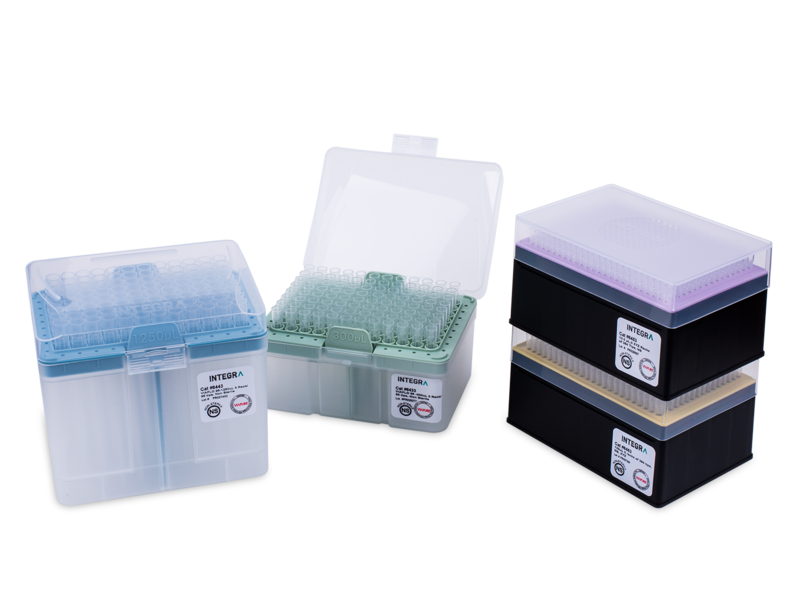
The ASSIST PLUS pipetting robot is used to automate the pipetting steps of the Sansure High-risk Human Papillomavirus DNA Fluorescence Diagnostic Kit. 1 ml of each sample is collected and placed in 1.5 ml microcentrifuge tubes before centrifugation for 5 minutes at 12,000 x g. The ASSIST PLUS pipetting robot operates a VOYAGER 8 channel 50 μl adjustable tip spacing pipette with 125 μl Sterile, Filter GRIPTIPS®.
Overview of the steps:
1. Lysis of the first sample series (1-48)
2. Lysis of the second sample series (49-96)
3. Addition of the master mix
Downloads: Protocols and reports for automated sample preparation for PCR
The ASSIST PLUS pipetting robot reformats and prepares the samples for PCR using a pipetting program generated with the VIALAB software.
Experimental set-up
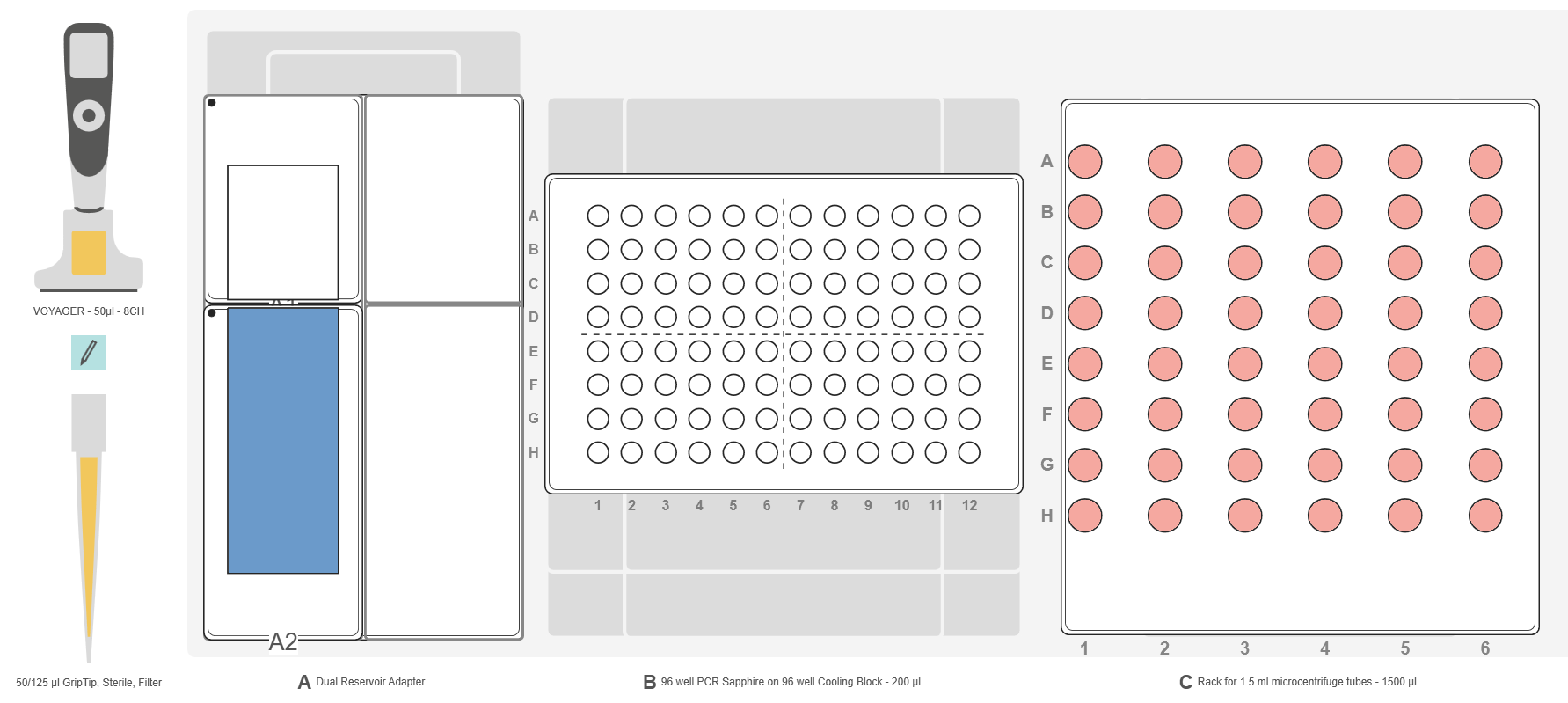
Prepare the deck of the pipetting robot as follows (Figure 1):
|
Deck position A: |
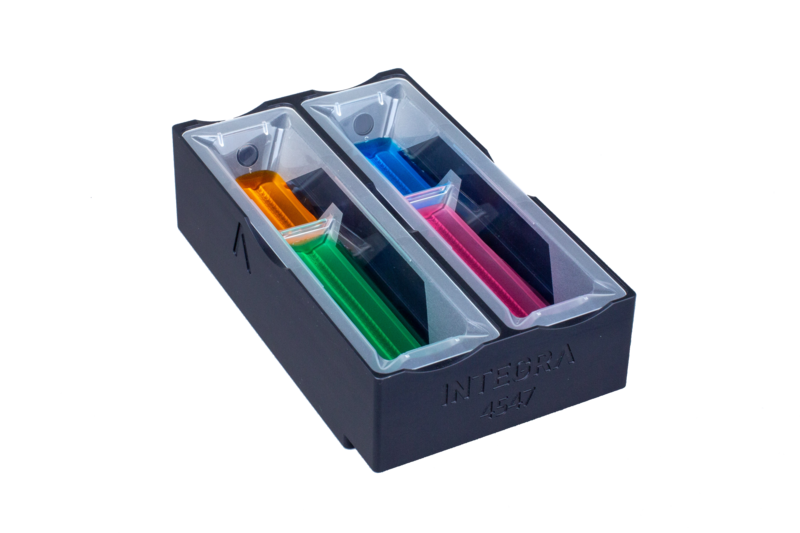
Dual reservoir adapter containing a 25 ml divided reservoir with SureFlo™ anti-sealing array. |
|
Deck position B: |
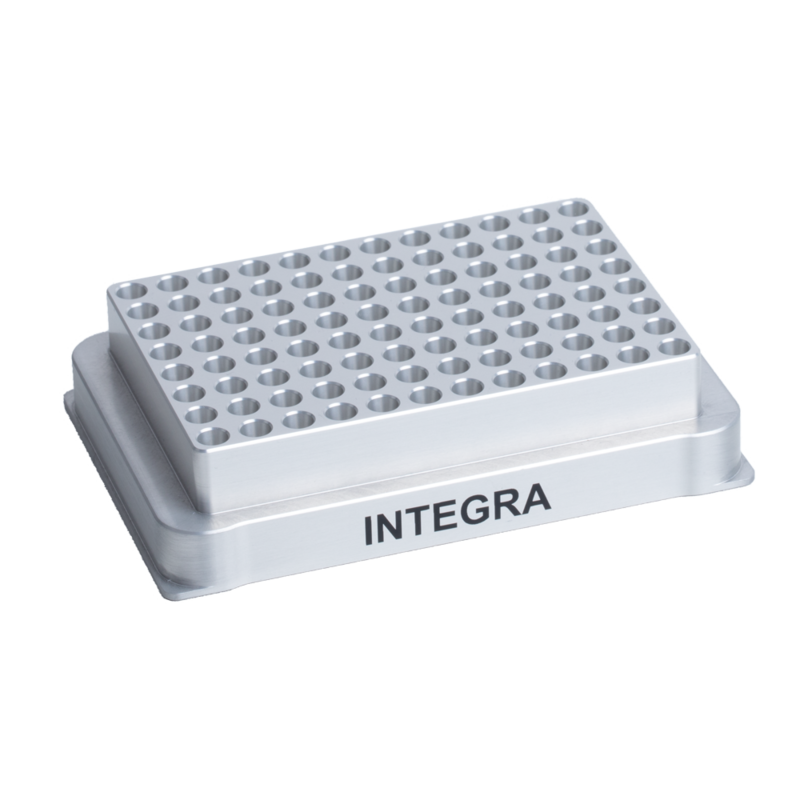
96 well PCR plate or tubes placed on an INTEGRA PCR cooling block in landscape orientation. |
| Deck position C: |
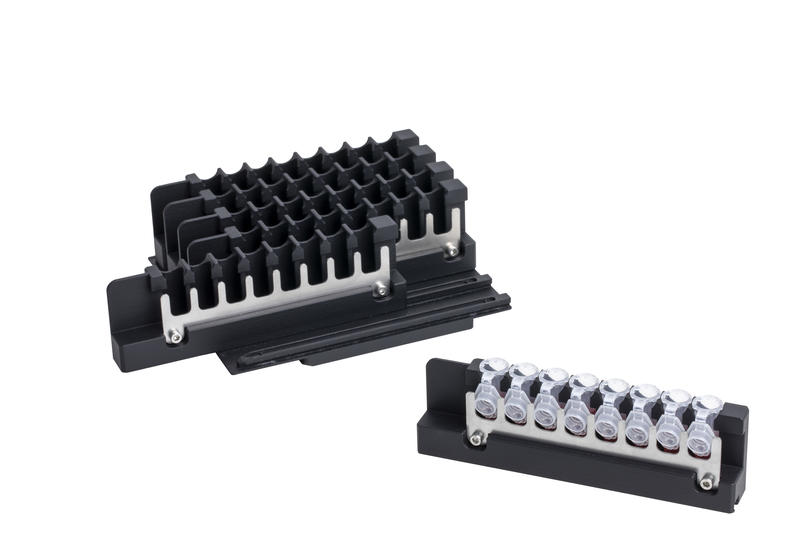
INTEGRA rack for 1.5 ml microcentrifuge tubes containing the patient samples. |
Step-by-step procedure
96 samples can be prepared in less than 30 minutes using the configuration described in this application note.
1. Lysis of the first sample series (1-48)
The lysis buffer is added to the first series of samples (1-48) and mixed. After a delay, the samples are transferred to the 96 well PCR plate.
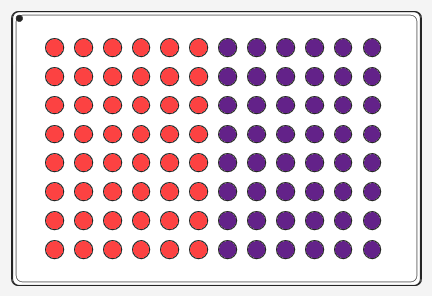
Fill the 10 ml compartment of the divided reservoir with 8 ml of the lysis buffer as shown in Figure 1. Select and run the VIALAB program ‘HPV 96 well’. The ASSIST PLUS pipetting robot transfers 50 μl of the lysis buffer from the reservoir into the 1.5 ml microcentrifuge tubes and mixes the samples by aspirating and dispensing 4 times. The GRIPTIP® pipette tips are replaced at the end of each mix cycle to avoid cross-contamination from tube to tube. After completion of this step, a 15-minute delay is required to ensure complete lysis of the cells. The ASSIST PLUS pipetting robot then transfers 10 μl of the first series of lysed samples into the first half of the 96 well PCR plate on the INTEGRA cooling block (Figure 2).
Tips:
- Sterile, Filter GRIPTIPS® are used to prevent aerosols from contaminating the pipette and samples.
- The PCR cooling block is used as a support for a 96 well PCR plate. It provides passive cooling of the samples when required by the protocol.
2. Lysis of the second sample series (49-96)
The lysis buffer is mixed with the second series of samples (49-96). After lysis is complete, the samples are transferred into the 96 well PCR plate.
The pipette prompts the user to change the INTEGRA microcentrifuge tube rack to the second series of samples (49-96). The ASSIST PLUS then transfers and mixes the lysis buffer as described in step 1. Afterwards, the plate is incubated for 15 minutes. The lysed solution is then transferred into the second half of the 96 well PCR plate on the INTEGRA cooling block (Figure 2).
3. Master mix addition
The master mix is added into the 96 well PCR plate.
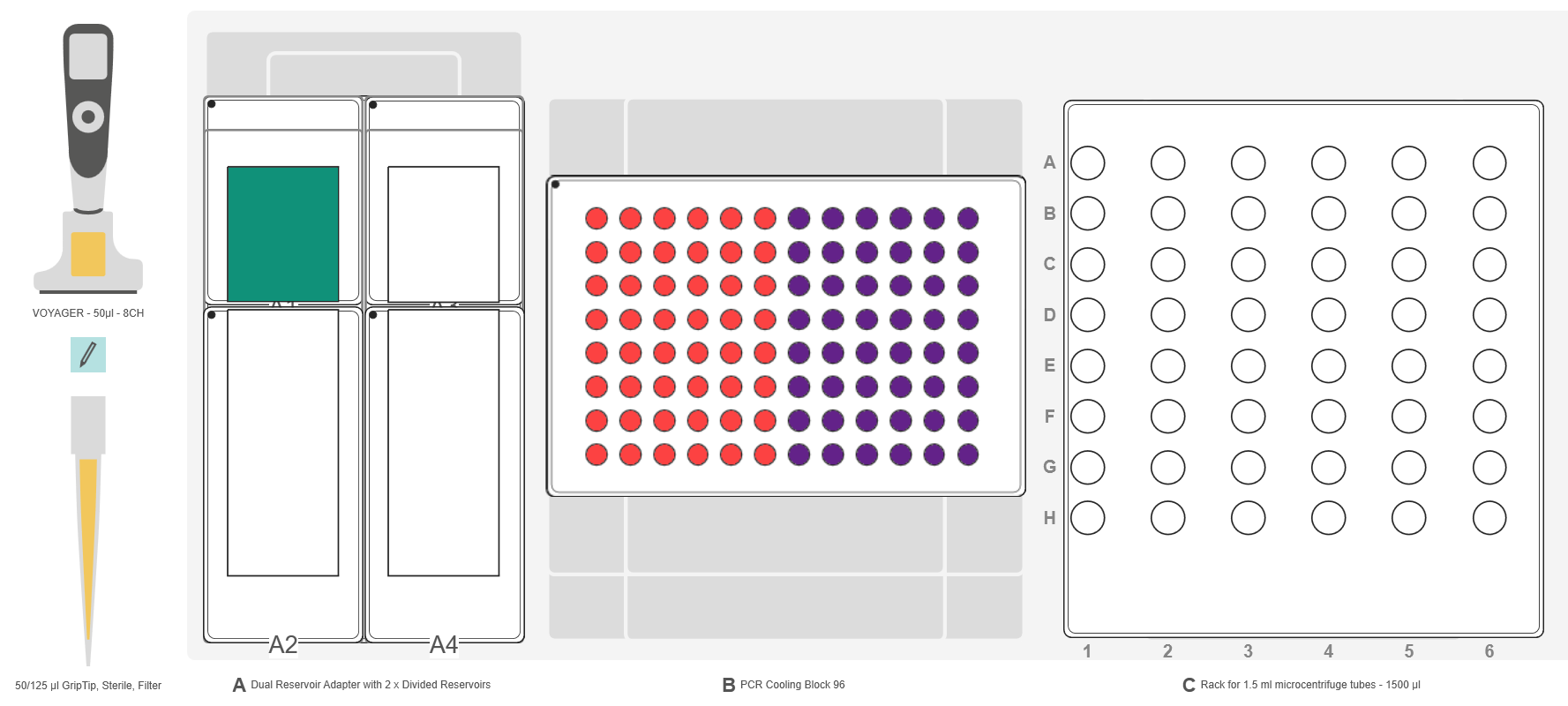
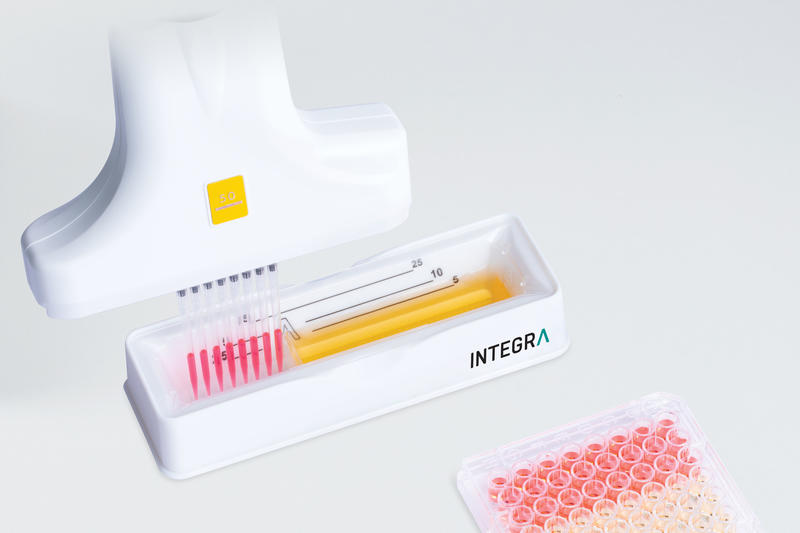
The ASSIST PLUS pipetting robot prompts the user to fill the 5 ml compartment of the 25 ml divided reservoir with 5 ml of the master mix (Figure 3). The ASSIST PLUS pipetting robot transfers 39 μl of the master mix from the reservoir into the 96 well PCR plate. The solution is mixed thoroughly by aspirating and dispensing 3 times.
Tip:
- Using the 5 ml compartment of a 25 ml divided reagent reservoir with SureFlo™ anti-sealing array allows a very low dead volume and minimizes the loss of expensive master mix.
Remark
Partial plates:
A separate VIALAB program for processing of 48 samples (one 48-test High-risk Human Papillomavirus DNA Fluorescence Diagnostic Kit) is available for download. The program can also be adapted to a different number of samples, giving laboratories total flexibility to meet current and future demands.
Conclusion
September 2020, by
Ask our expert. Leave a comment!
Write us if you have any questions regarding the application note or one of our instruments.
Any questions? I'm happy to help!
Instruments and accessories
ASSIST PLUS, Pipetting Robot
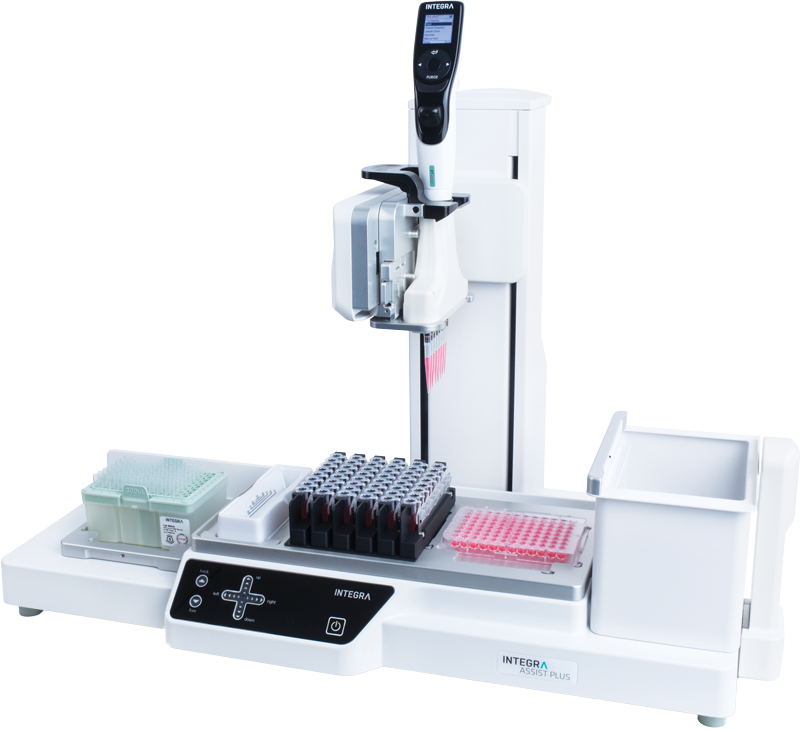
INTEGRA has developed the ASSIST PLUS pipetting robot to streamline routine pipetting tasks at an affordable price. Using INTEGRA electronic multichannel pipettes, the system:
- automates pipetting tasks,
- eliminates physical strain and
- ensures superior reproducibility and
- error free pipetting.
Part No. 4505
Download App Note as PDF
DownloadRapid detection of HPV high-risk types 16 and 18 in cervical cancer screening
Customer’s voice
The Assist Plus has freed up staff time to do other jobs, while giving consistent reliable and precise results. Add to that the incredible ease of writing protocols, even if you have very little experience with robots. It's quiet, and just does what you expect it to do.
Related products

Applications
Show all-
End-to-end Twist library preparation protocol for NGS workflow automation
-
A simple and streamlined workflow for membrane protein isolation
-
Streamlining single-cell sequencing with the Flex Apex workflow using automated liquid handling solutions
-
Optimizing DNA fragmentation and NGS library preparation with automated liquid handling
Stories
Show all-
 · Company News
Streamlining CRISPR workflows, from editing to analysis
-
 · Customer Testimonial
Enhancing the consistency of ag-tech R&D processes with the ASSIST PLUS pipetting robot
-
 · Product News
Magnetic beads represent a modern approach to gDNA isolation
-
 · Product News
Magnetic beads for NGS size selection and PCR purification