


-
Automated set-up of the Lonza PyroGene® Recombinant Factor C (rFC) Assay for endotoxin detection on the ASSIST PLUS
Automated bacterial endotoxin test
The Lonza PyroGene rFC Assay is an alternative to the traditional limulus amebocyte lysate (LAL) assay, which is widely used to screen for bacterial endotoxin contamination in human and animal parenteral pharmaceuticals and medical devices. The rFC test is used in both high and low throughput laboratories and, unlike the LAL assay, is not derived from horseshoe crab blood. Setting up the test requires preparation of 10-fold diluted standards from the endotoxin stock solution supplied. Standards and samples are tested in duplicate in a 96 well plate. To check for product inhibition, positive product controls (PPCs) – samples spiked with a known concentration of endotoxin – are tested alongside the samples. Following the initial plating of the standards, samples and PPCs, a 10-minute pre-incubation is performed, during which the user prepares a working solution consisting of the fluorogenic substrate, assay buffer and rFC enzyme.
This application note demonstrates that the preparation of the standards, samples, PPCs and blanks – and their addition to the 96 well plate – can be easily automated on the ASSIST PLUS pipetting robot using a D-ONE single channel pipetting module. Addition of the working reagent is then completed using a VOYAGER adjustable tip spacing multichannel pipette. Automation of all the pipetting steps reduces the opportunity for pipetting errors, and ensures assay robustness and reproducibility. The key quality indicators in this assay are the correlation coefficient of the standard curve and coefficient of sample variation (CV).
-
Table of contents
The Lonza PyroGene rFC Assay is an alternative to the traditional limulus amebocyte lysate (LAL) assay, which is widely used to screen for bacterial endotoxin contamination in human and animal parenteral pharmaceuticals and medical devices. The rFC test is used in both high and low throughput laboratories and, unlike the LAL assay, is not derived from horseshoe crab blood. Setting up the test requires preparation of 10-fold diluted standards from the endotoxin stock solution supplied. Standards and samples are tested in duplicate in a 96 well plate. To check for product inhibition, positive product controls (PPCs) – samples spiked with a known concentration of endotoxin – are tested alongside the samples. Following the initial plating of the standards, samples and PPCs, a 10-minute pre-incubation is performed, during which the user prepares a working solution consisting of the fluorogenic substrate, assay buffer and rFC enzyme.
This application note demonstrates that the preparation of the standards, samples, PPCs and blanks – and their addition to the 96 well plate – can be easily automated on the ASSIST PLUS pipetting robot using a D-ONE single channel pipetting module. Addition of the working reagent is then completed using a VOYAGER adjustable tip spacing multichannel pipette. Automation of all the pipetting steps reduces the opportunity for pipetting errors, and ensures assay robustness and reproducibility. The key quality indicators in this assay are the correlation coefficient of the standard curve and coefficient of sample variation (CV).
Key benefits
Overview: How to perform the PyroGene rFC Assay
The PyroGene rFC Assay is a fluorogenic assay that requires a fluorescence microplate reader – such as the PyroWave® XM Fluorescence Reader, paired with the WinKQCL® Endotoxin Detection & Analysis Software – to measure endotoxin values. Prior to setting up the plate, a template is prepared in WinKQCL software. Figure 1 shows the WinKQCL software template that was developed for use with the ASSIST PLUS. This template allows up to 21 samples to be tested in duplicate on one plate, with paired PPCs. It is designed to provide optimal flexibility for varying numbers of samples, while still allowing use of an 8 channel pipette to deliver the rFC working solution to the plate, as described in the assay instructions for use.
Downloads: App note and protocols for automated set-up of the Lonza PyroGene® Recombinant Factor C (rFC) Assay for endotoxin detection on the ASSIST PLUS
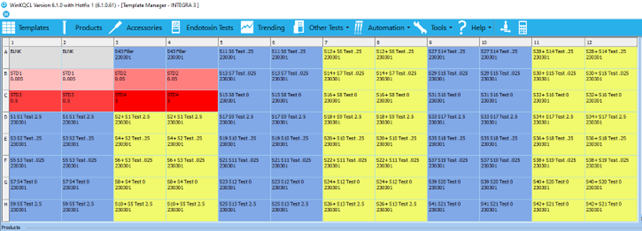
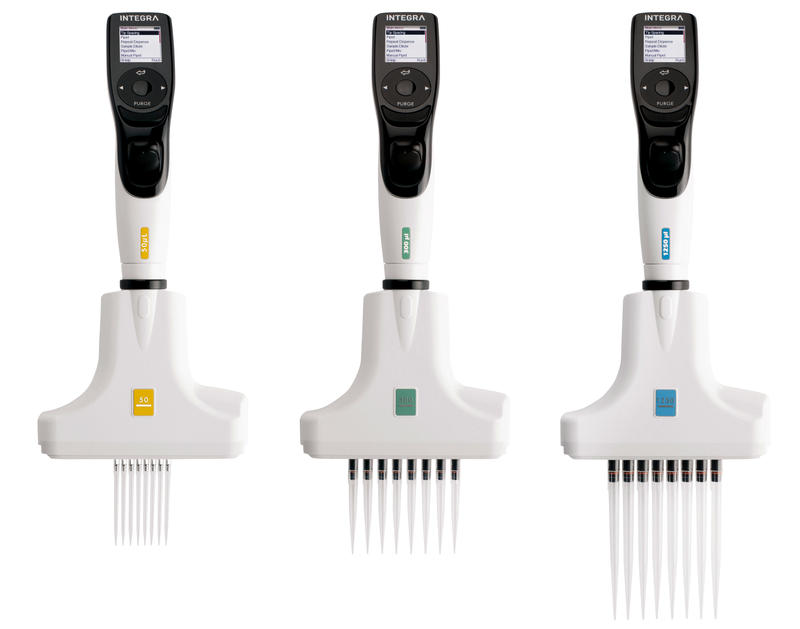
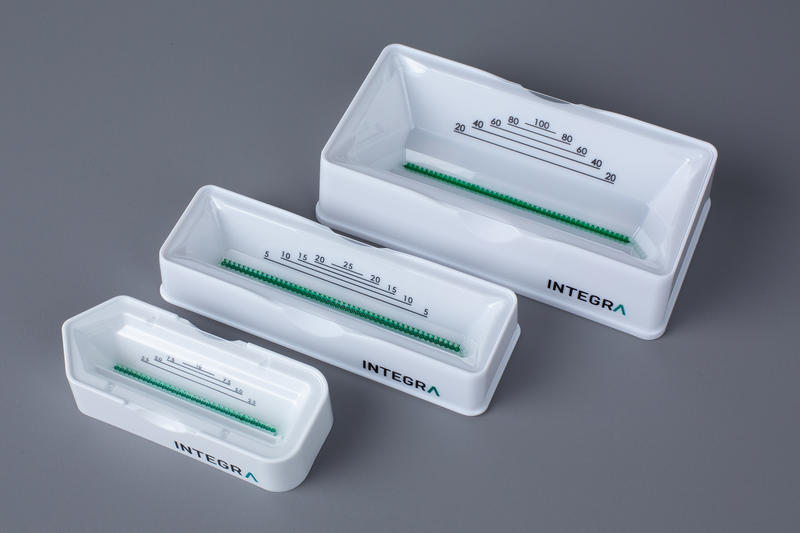
A 5-300 μl D-ONE single channel pipetting module is first used to prepare standard dilutions. Following preparation of the standards, PPC is added to the designated wells using repeat dispense mode. Next, standards and samples are added to the plate in duplicate according to the above template, with samples added to both clean and PPC-spiked wells. Once all samples are added, the plate is pre-incubated at 37 °C for 10 minutes. During the incubation, the user prepares the working reagent in an INTEGRA 10 ml SureFlo™ reagent reservoir, which is added to the plate at the end of the pre-incubation period using a 300 μl VOYAGER 8 channel pipette on the ASSIST PLUS.
Tips:
- Use pyrogen-free certified GRIPTIPS® pipette tips in combination with SureFlo reservoirs to ensure accurate results. 10 ml SureFlo reservoirs require a dead volume of less than 30 μl.
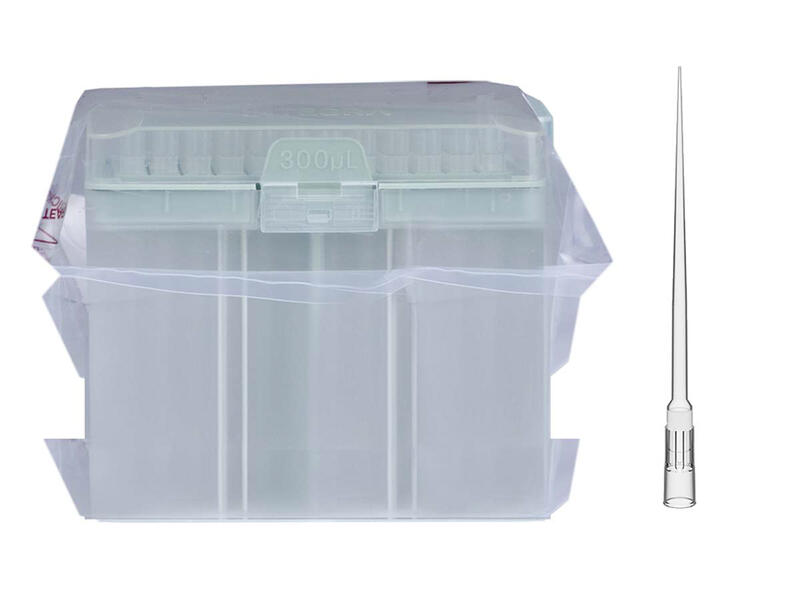
- 300 μl long GRIPTIPS can access sample volumes of below 1 ml in 13x100 mm Lonza pyrogen-free test tubes, and will never leak or fall off.
- PPCs and samples can be dispensed using repeat dispense mode to save time and money.
- Plate layout of the blank, standards and samples in the WinKQCL software template is designed to offer the most flexibility for running full or partial plates.
Experimental set-up:
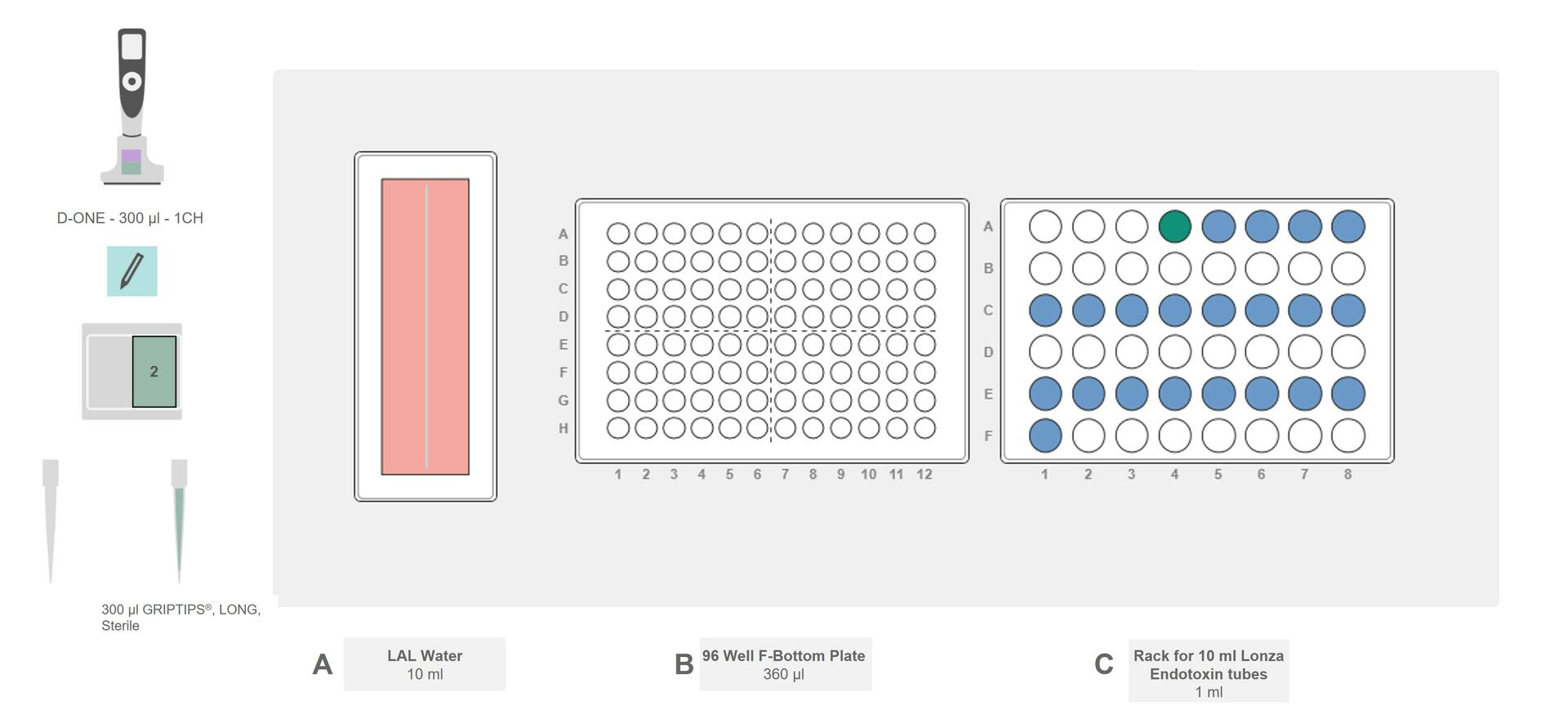
Deck Position A: LAL water – 10 ml multichannel reagent reservoir
Deck Position B: PyroGene rFC Assay plate – 96 well flat bottom plate (Corning)
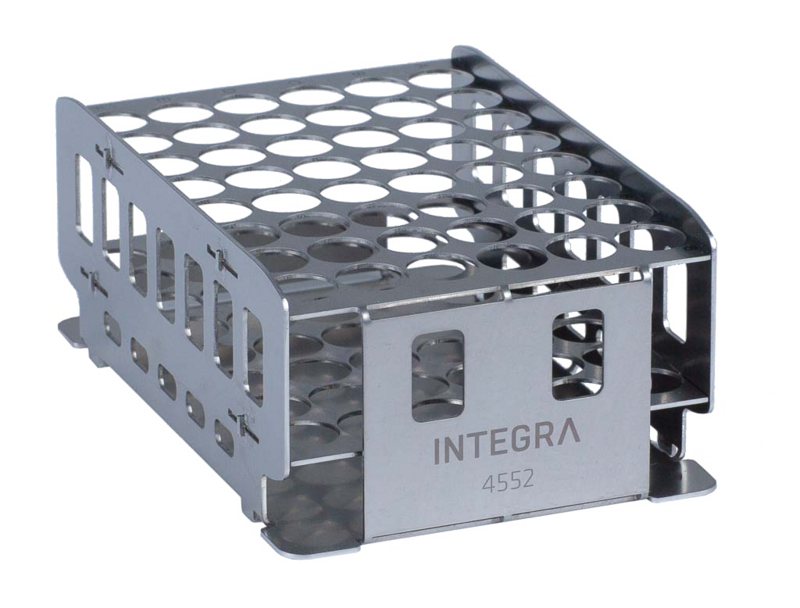
Deck Position C: Standards, samples and PPC – INTEGRA tube rack
PyroGene rFC Assay plate set-up
Standards, samples and PPC-spiked samples are added to the plate
Pair the 0.5-300 μl D-ONE single channel pipetting module with the ASSIST PLUS pipetting robot. Place pyrogenfree test tubes containing 1 ml sample in the tube rack on deck Position C (blue tubes in Figure 2). Place three empty tubes in Positions A1-A3 within the rack. These are used to create the standard dilutions (magenta tubes in Figure 2). Place a tube holding 250 μl of 20 EU/ml endotoxin standard in A4 in the rack (green tube in Figure 2). Place a 10 ml SureFlo reservoir holding LAL water on deck Position A, and a 96 well flat bottom plate on deck Position B.
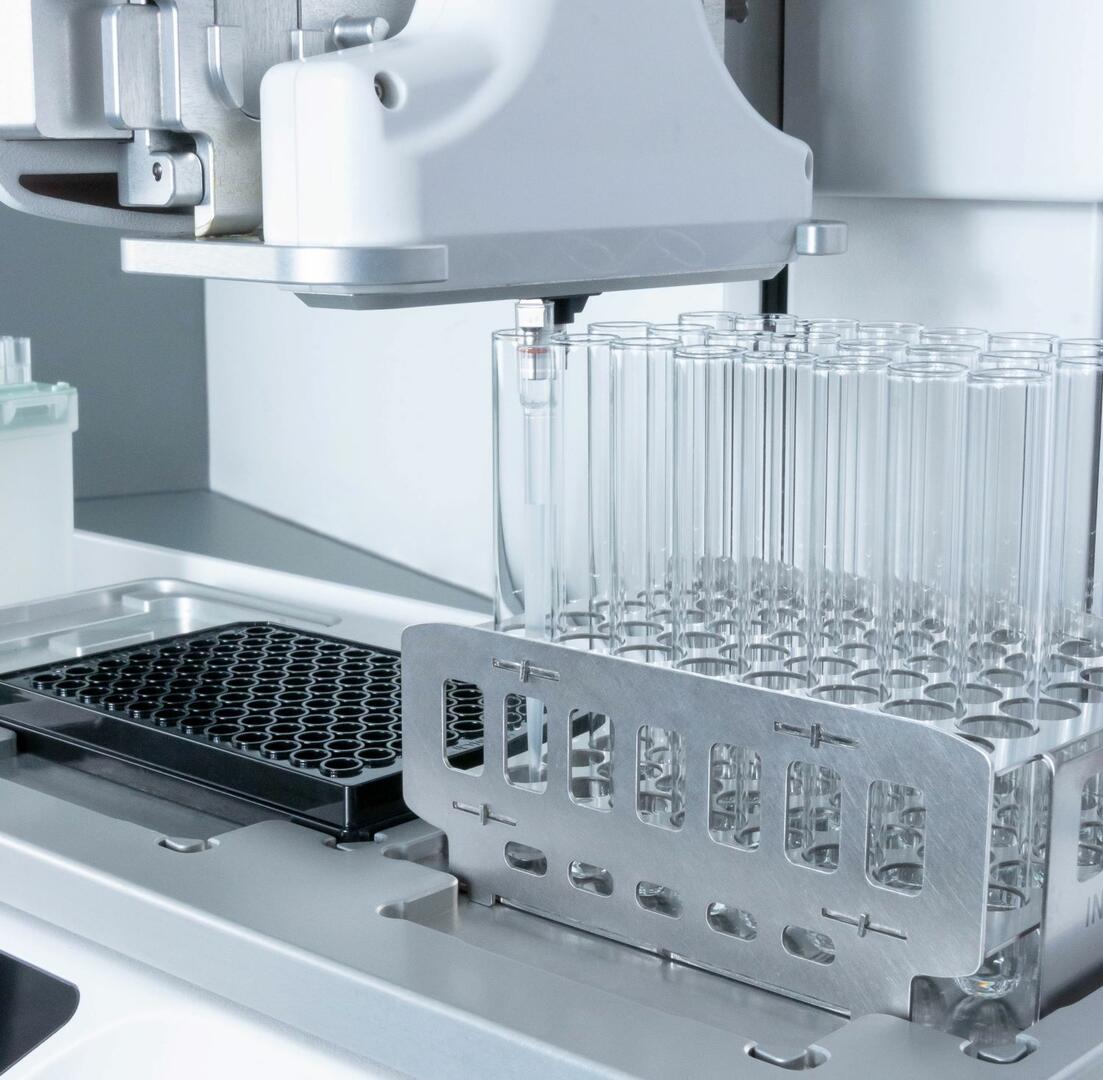
When the 'Lonza PyroGene Assay plate set-up' program is started, the pipette first dispenses 900 μl of LAL water into each of the 3 empty dilution tubes (Figure 3). Next, 750 μl of LAL water is dispensed into the tube holding 250 μl of 20 EU/ml endotoxin standard, creating a 5 EU/ml standard. Following package insert instructions, a message on the pipette instructs the user to vortex the 5 EU/ml standard for 1 minute. The ASSIST PLUS pauses for the user to perform this step, then restarts when the user acknowledges the message. The next standard is created by transfer of 100 μl of the 5 EU/ml standard to the adjacent tube holding 900 μl of LAL water, followed by vortexing. The remaining 2 standards are created in a similar manner.
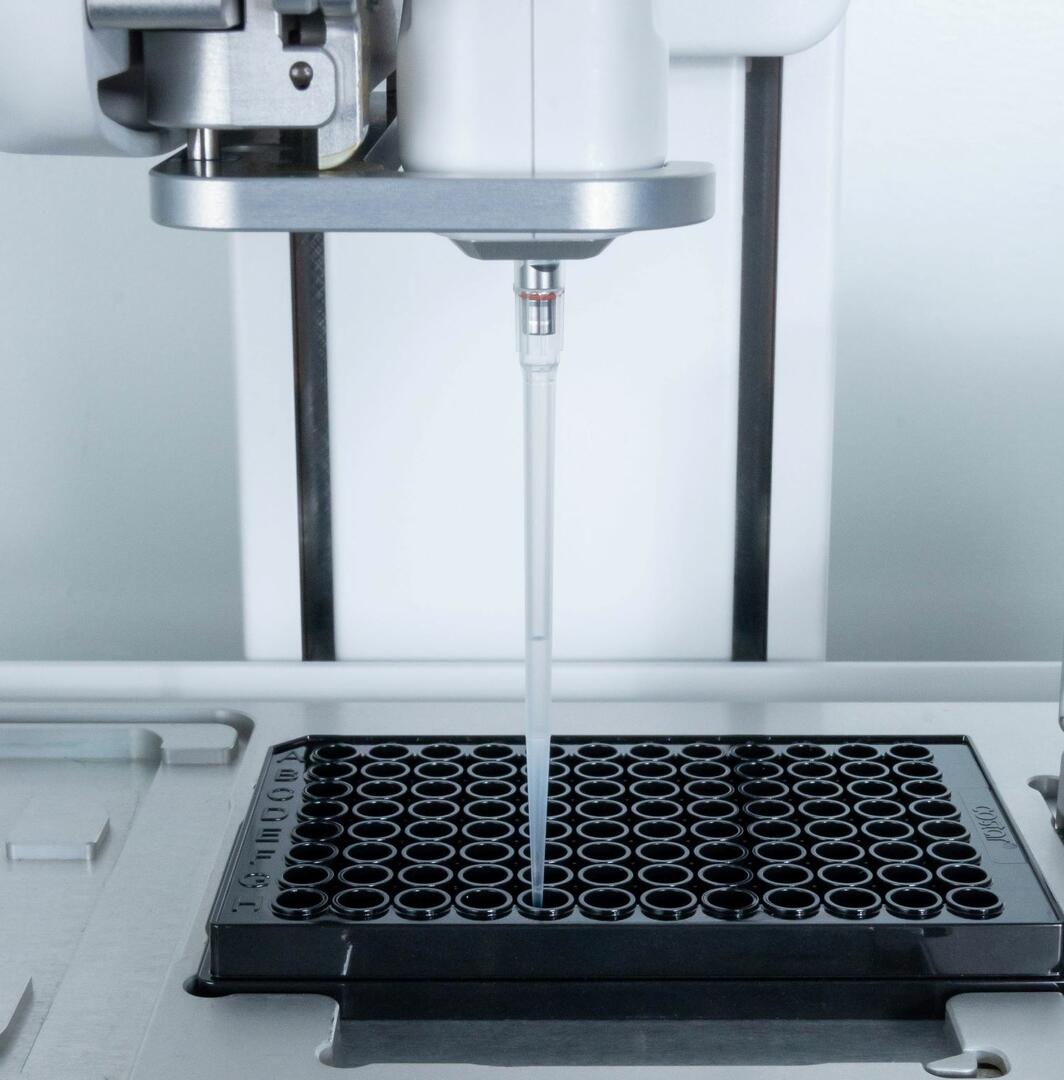
Once all the standards have been created, 10 μl of the 5 EU/ml standard is added to each well of the plate designated as a PPC (Figure 4). This serves as a control to monitor for sample inhibition of endotoxin detection. Each blank, standard and sample is then added to the appropriate wells in duplicate. Duplicate samples are also added to the PPC wells, creating the 0.5 EU/ml PPC-spiked samples. When all standards and samples have been added to the plate, the plate is pre-incubated at 37 °C for 10 minutes.
PyroGene rFC Assay reagent addition
Add 100 μl working reagent to each well of the plate
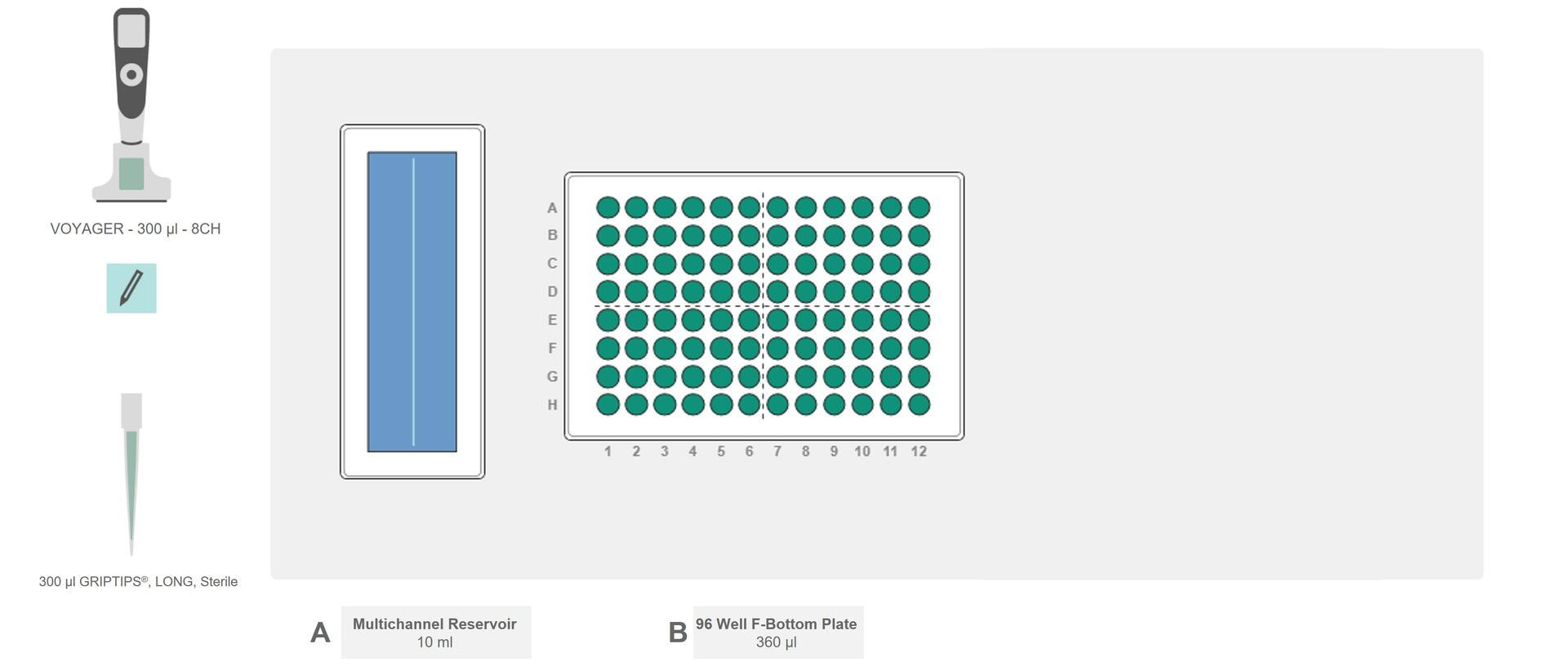
While the plate is pre-incubating, manually prepare the working reagent in a 10 ml SureFlo reservoir by combining fluorogenic substrate, rFC assay buffer and rFC enzyme solution in a 5:4:1 ratio. Place the working reagent in a clean 10 ml SureFlo reservoir on deck Position A (Figure 5). Pair a 300 μl 8 channel VOYAGER pipette with the ASSIST PLUS, and exchange the D-ONE tip deck for a standard tip deck. At the end of the 10 minute pre-incubation, place the plate on deck Position B. Initiate the VIALAB program 'Lonza PyroGene Assay reagent addition' to add 100 μl reagent to each well of the plate. When reagent addition is complete, place the plate in the fluorescence microplate reader to complete the assay.
Tips:
- VIALAB programs can be adapted to accommodate different numbers of samples, providing flexibility to meet current and future testing demands.
- For simplicity, 300 μl long GRIPTIPS are used in all steps of this assay.
Assay verification
Three runs of 21 samples plus standards were set up on the ASSIST PLUS, and tested according to the PyroGene rFC Assay instructions for use. Samples consisted of LAL water spiked with known concentrations of endotoxin standard. Five samples at each concentration were run on each plate, except for the 0 EU/ml sample, which was run 6 times per plate. Data analysis was performed using WinKQCL software. Table 1 shows the concentrations of standards and samples.
Table 1: Endotoxin concentrations of standards and spiked samples.
| Standards (EU/ml) | Samples of LAL water spiked with endotoxin (EU/ml) |
| 5 | 2.5 |
| 0.5 | 0.25 |
| 0.05 | 0.025 |
| 0.005 | 0 |
Results
The results are displayed in Tables 2 and 3. The standard curve for all runs displayed good linearity, and all curves were within the quality parameters as defined in the instructions for use (Table 2). Samples spiked with each concentration of endotoxin were detected (Figure 6). All unspiked samples remained undetectable at <0.005 EU/ml, which is the cut-off for acceptable endotoxin concentrations in pharmaceuticals and medical devices. All replicates of standards, samples and PPCs displayed a CV within the acceptable limit of less than 25 % (Table 3).
Table 2: Standard curve results with quality specifications for runs 1-3.
| Correlation coefficient (0.980-1.000) | Slope (0.760-1.110) | Y-intercept (2.500-5.000) | |
| Run 1 | 1.000 | 0.930 | 4.112 |
| Run 2 | 0.999 | 0.903 | 4.258 |
| Run 3 | 0.998 | 0.909 | 4.267 |
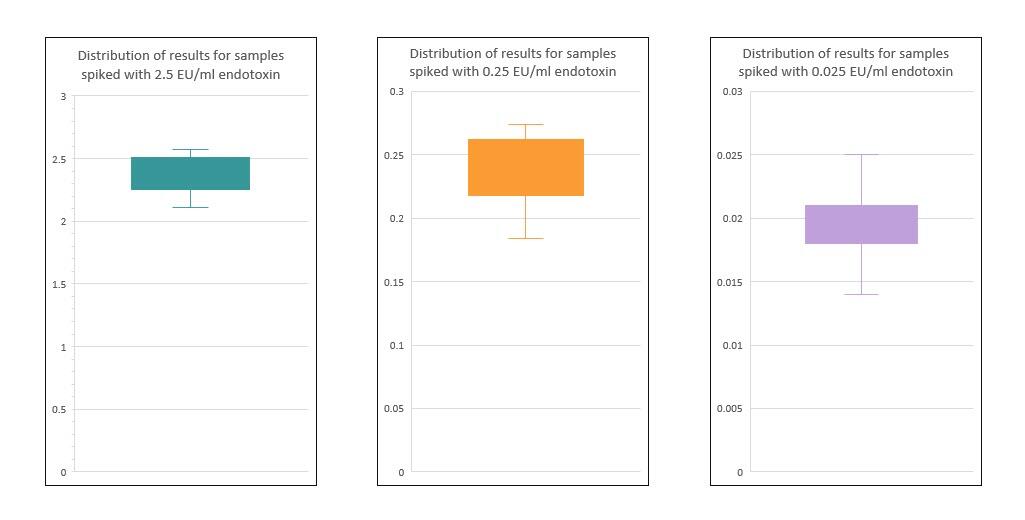
Table 3: Mean CV per plate for paired samples and PPCs.
| Mean paired sample %CV | Mean PPC %CV | QC fail %CV per plate | |
| Run 1 | 4.19 | 4.37 | 0 |
| Run 2 | 1.84 | 4.03 | 0 |
| Run 3 | 3.66 | 3.87 | 0 |
| Overall mean | 3.23 | 4.09 | 0 |
Remarks
- Partial plates: The supplied VIALAB programs can be adapted for partial plates, or for running samples in triplicate.
- Run report: VIALAB programs can be started directly from a PC connected to the ASSIST PLUS pipetting robot. A report is automatically generated after the run, documenting details such as start and end times, user identification, calculated volumes and any errors that occurred. This offers a convenient way to fulfill regulatory requirements.
Conclusion
retests.
Ask our expert. Leave a comment!
Write us if you have any questions regarding the application note or one of our instruments.
Bei Fragen helfe ich Ihnen gerne weiter!
Materials
ASSIST PLUS, Pipetting Robot
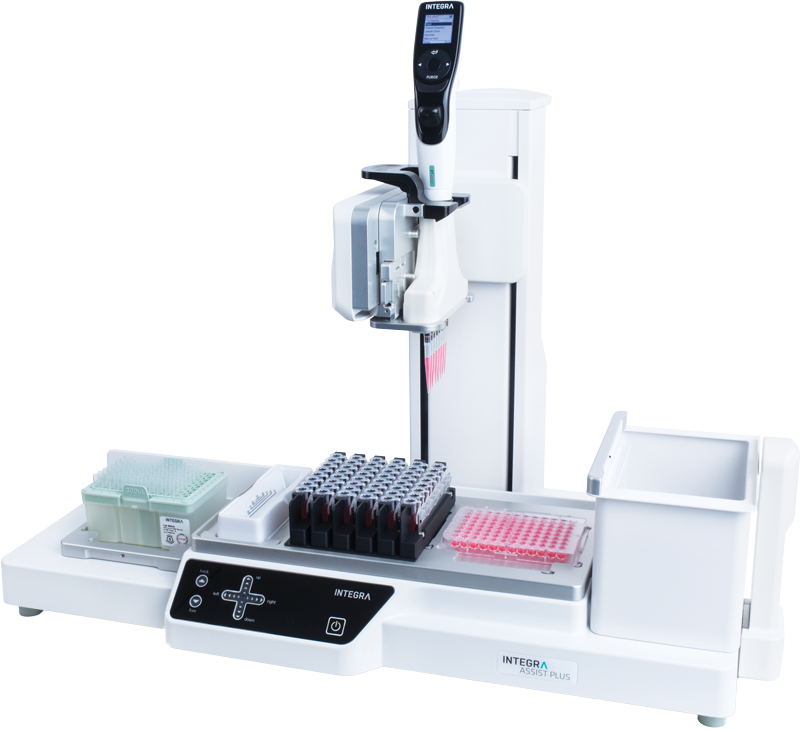
INTEGRA has developed the ASSIST PLUS pipetting robot to streamline routine pipetting tasks at an affordable price. Using INTEGRA electronic multichannel pipettes, the system:
- automates pipetting tasks,
- eliminates physical strain and
- ensures superior reproducibility and
- error free pipetting.
Part No. 4505
Download
Download App Note as PDF
HerunterladenAutomated set-up of the Lonza PyroGene® Recombinant Factor C (rFC) Assay for endotoxin detection on the ASSIST PLUS
Customer’s voice
We love our ASSIST PLUS because it is easy to use, easy to program, speeds up production, and helps to prevent human error and fatigue due to repetitive pipetting.
Related products


Applikationen
Alle anzeigen-
End-to-end Twist library preparation protocol for NGS workflow automation
-
A simple and streamlined workflow for membrane protein isolation
-
Streamlining single-cell sequencing with the Flex Apex workflow using automated liquid handling solutions
-
Optimizing DNA fragmentation and NGS library preparation with automated liquid handling
Stories
Alle anzeigen-
 · Kundenstimmen
Mehr Konsistenz in forschungsbezogenen Workflows im Bereich der Agrartechnik mit dem Pipettierroboter ASSIST PLUS
-
 · Produktnews
Magnetic beads represent a modern approach to gDNA isolation
-
 · Produktnews
Magnetic beads for NGS size selection and PCR purification
-
 · Kundenstimmen
Automatisierte Pipettierung zur Generierung der weltweit größten scRNA-seq-Datensätze