-
Cost-efficient miniaturization of 16S metagenomic library preparation
Efficient low volume library prep with the I.DOT LT enables miniaturization without compromising data quality
16S metagenomic sequencing is widely used for analyzing microbial communities. It takes advantage of the differences between genera in the variable regions 3 to 4 (V3-V4) of the 16S ribosomal RNA (rRNA) gene. These regions are analyzed with next generation sequencing (NGS) methods, enabling the study of microbial populations in a large variety of samples of interest.
The costs associated with high throughput library preparation and NGS is a limiting factor for 16S metagenome studies. Both cost and throughput can be improved by using innovative liquid handling solutions to miniaturize and automate library preparation workflows. This application note demonstrates how the I.DOT LT enables up to 25-fold miniaturization of 16S metagenome sequencing library preparation using 384 well microplate formats, significantly reducing reagent use and costs while increasing throughput.
-
Table of contents
16S metagenomic sequencing is widely used for analyzing microbial communities. It takes advantage of the differences between genera in the variable regions 3 to 4 (V3-V4) of the 16S ribosomal RNA (rRNA) gene. These regions are analyzed with next generation sequencing (NGS) methods, enabling the study of microbial populations in a large variety of samples of interest.
The costs associated with high throughput library preparation and NGS is a limiting factor for 16S metagenome studies. Both cost and throughput can be improved by using innovative liquid handling solutions to miniaturize and automate library preparation workflows. This application note demonstrates how the I.DOT LT enables up to 25-fold miniaturization of 16S metagenome sequencing library preparation using 384 well microplate formats, significantly reducing reagent use and costs while increasing throughput.
Key benefits
Overview: How to miniaturize 16S metagenome sequencing library preparation with the I.DOT LT
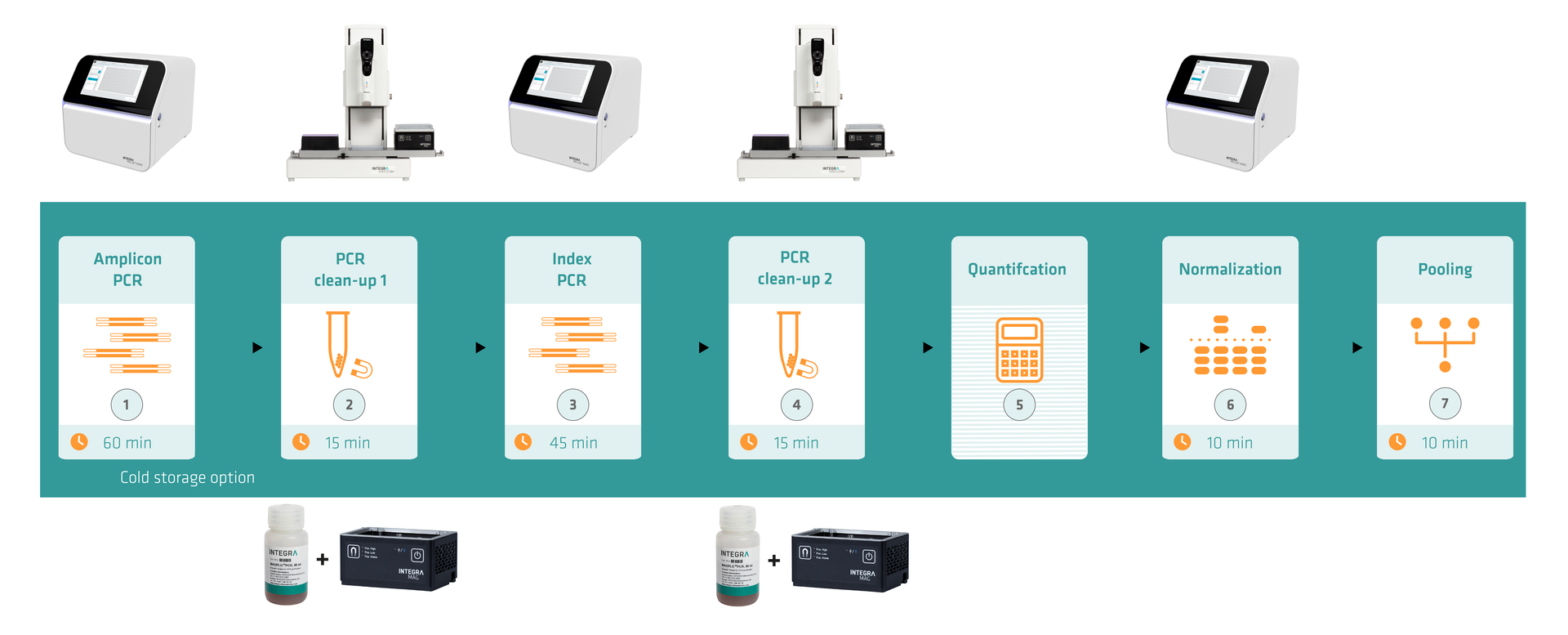
This application note showcases the use of the I.DOT LT and VIAFLO 384 for the miniaturization of Illumina's 16S metagenomic library preparation protocol (Part # 15044223 Rev. C, Figure 1). It focuses on up to 25-fold miniaturization, since magnetic bead-based clean-ups require a minimum volume of magnetic beads for adequate resuspension and efficient liquid handling. ZymoBIOMICS® Microbial Community DNA Standard – containing genomic DNA from eight bacterial genera – was used as a reference to confirm the absence of biases due to process miniaturization.
Downloads: App note and protocols for cost-efficient miniaturization of 16S metagenomic library preparation
Experimental set-up
Load the I.DOT LT with source wells and reagents for each step (Table 1).
Table 1: Overview of the source well contents for each I.DOT LT dispensing step during 16S library preparation.
| SOURCE WELL NUMBER | AMPLICON PCR | INDEXING PCR | NORMALIZATION |
| 1 | ZymoBIOMICS Microbial Community DNA Standard | 2x KAPA HiFi HotStart ReadyMix | Molecular grade water |
| 2 | 2x KAPA HiFi HotStart ReadyMix | Molecular grade water | - |
| 3 | Amplicon PCR forward primer [1 µM] | Nextera® XT Index 1 Primers | - |
| 4 | Amplicon PCR reverse primer [1 µM] | Nextera XT Index 2 Primers | - |
| 5-12 | - | Nextera XT Index 3-10 Primers | - |
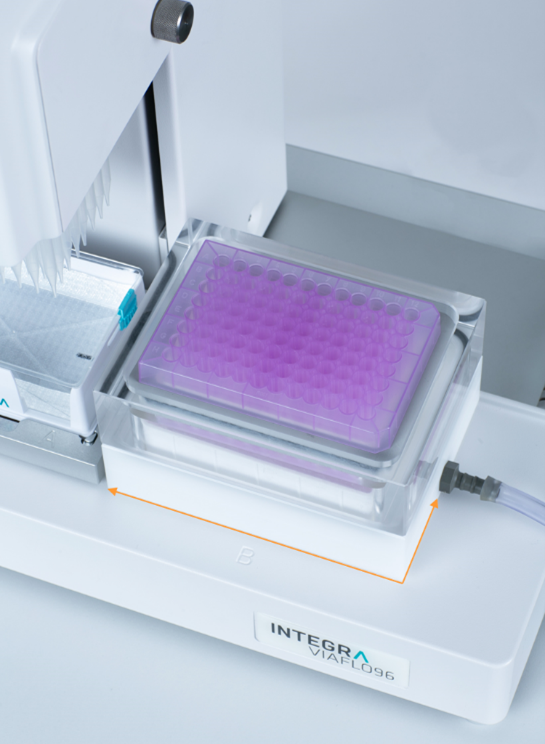
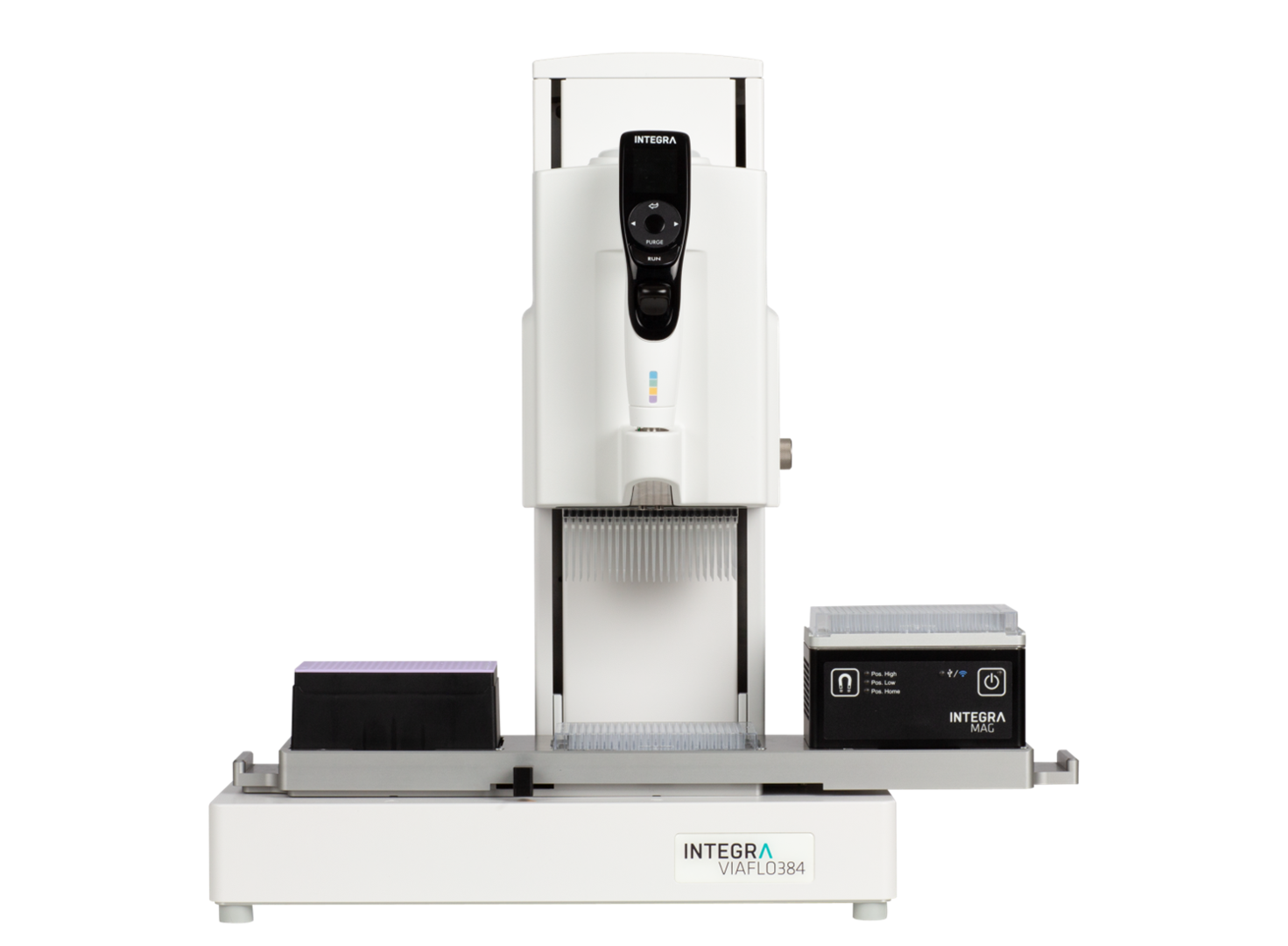
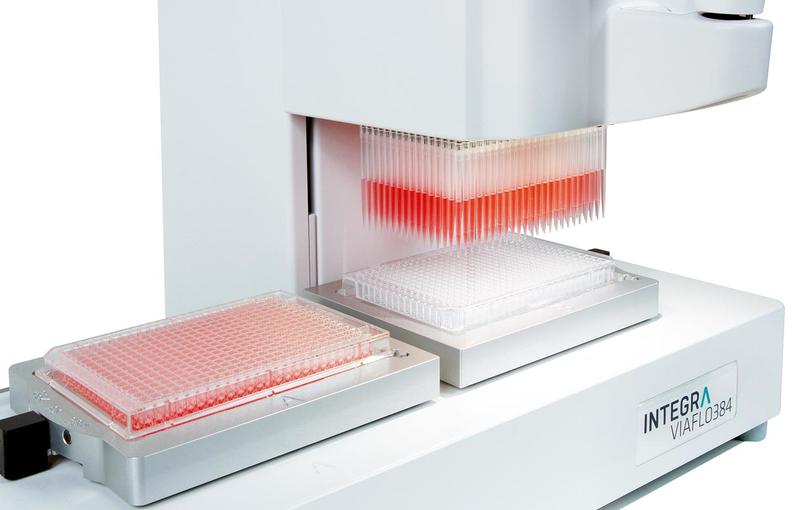
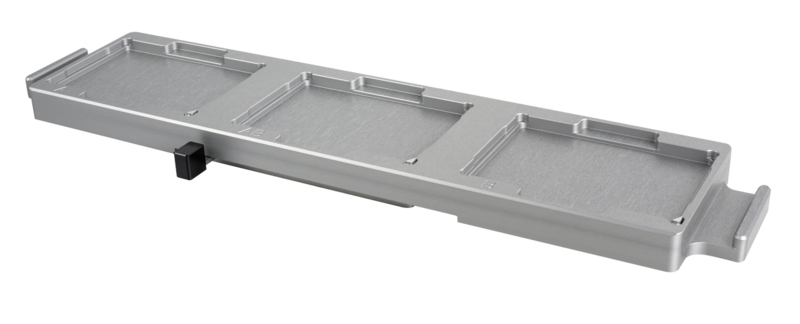
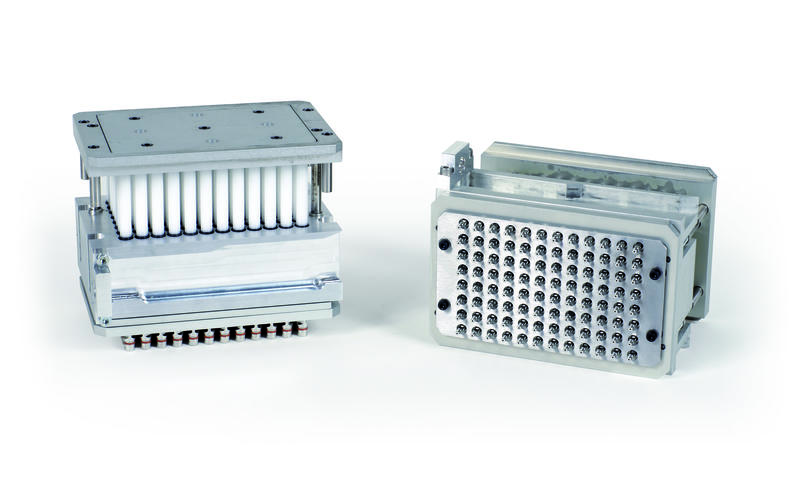
Equip the VIAFLO 384 with a 0.5-12.5 µl 384 channel pipetting head, and set up the three position stage for magnetic bead-based clean-up (Figure 2):
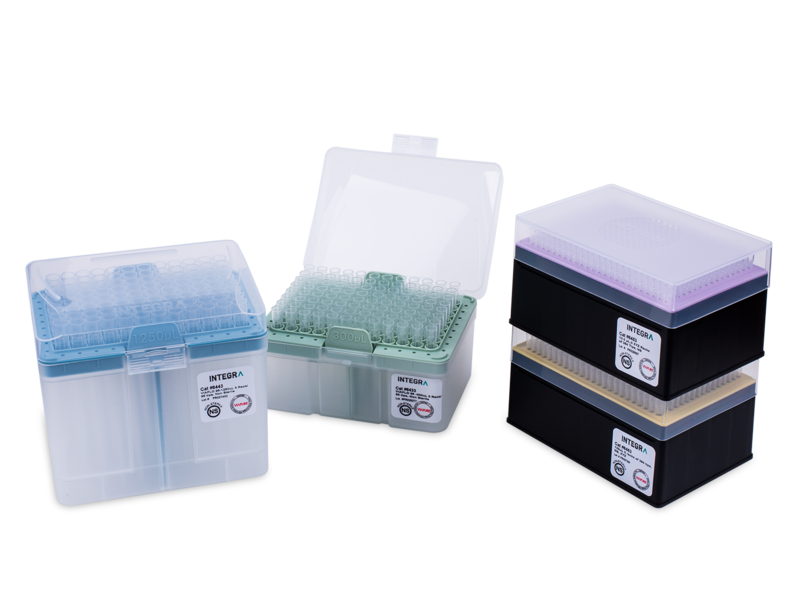
- Position A: 12.5 µl sterile, filter GRIPTIPS® pipette tips.
- Position A/B: empty. It will hold the 384 well plate after each PCR step.
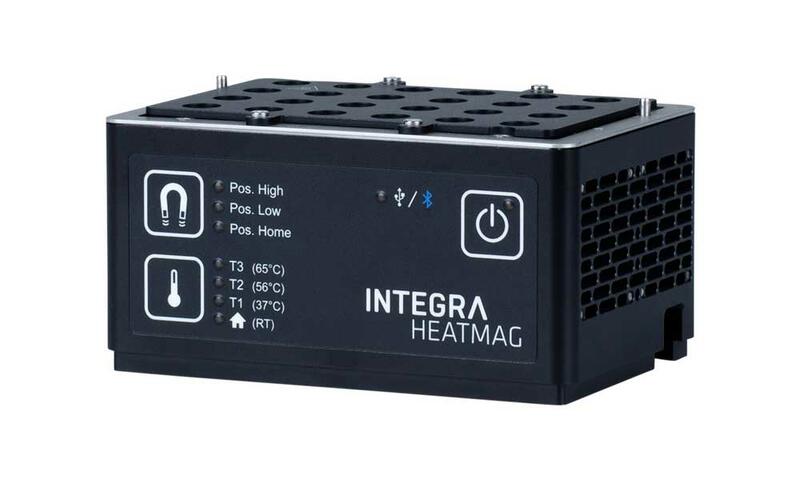
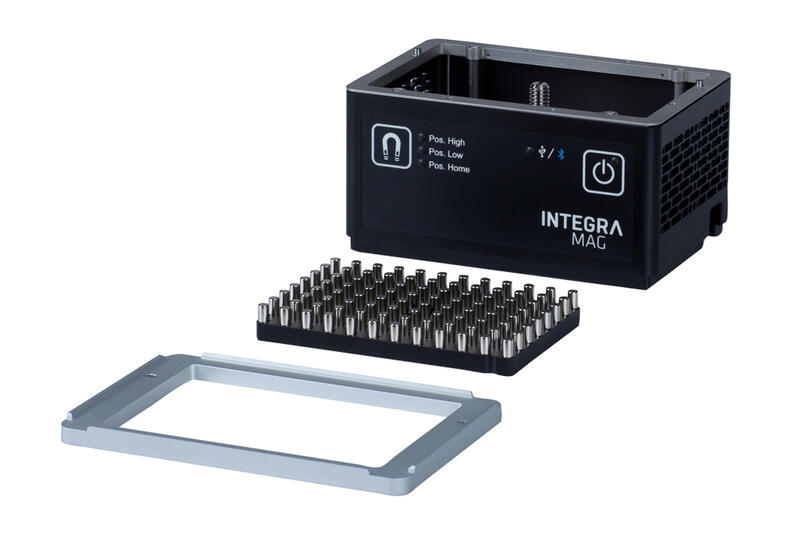
- Position B: MAG module with adapter and magnetic array for 384 well PCR plate, holding a 384 well plate prefilled with the amount of magnetic beads required for each clean-up steps.
Step-by-step procedure
Library preparation for 16S metagenome sequencing consists of 7 steps (Figure 1):
- Amplicon PCR: amplification of the V3-V4 rRNA gene regions from genomic DNA (gDNA) using primers targeting the region of interest and including sequencing adapters.
- First PCR clean-up: removal of excess primers, nucleotides and enzymes using magnetic bead purification.
- Indexing PCR: unique sample barcodes are added to each individual library via PCR.
- Second PCR clean-up: removal of residual reagents.
- Quantification: measurement of library concentrations.
- Normalization: adjustment of library concentrations to uniform levels for consistent sequencing results.
- Pooling and sequencing: combining normalized libraries for simultaneous sequencing.
The following customized VIALINK programs for magnetic bead-based clean-ups with the VIAFLO 384 are provided in the download section:
Program 1: Binding - first clean-up
Program 2: Wash - first clean-up
Program 3: Elution - first clean-up
Program 4: Binding - second clean-up
Program 5: Wash - second clean-up
Program 6: Elution - second clean-up
Tips:
- Reverse pipetting is recommended to ensure precision when filling source wells.
- When filling source wells, avoid pipetting directly onto the dispensing hole to prevent liquid being pushed through.
- Adding 10 % more liquid than required is recommended to ensure that every dispensing step can be performed successfully.
- Electrostatics can attract droplets dispensed by the I.DOT LT to the side of the well. Spinning down plates after the final dispense is recommended.
MAG Control
Define the magnet height for high positions
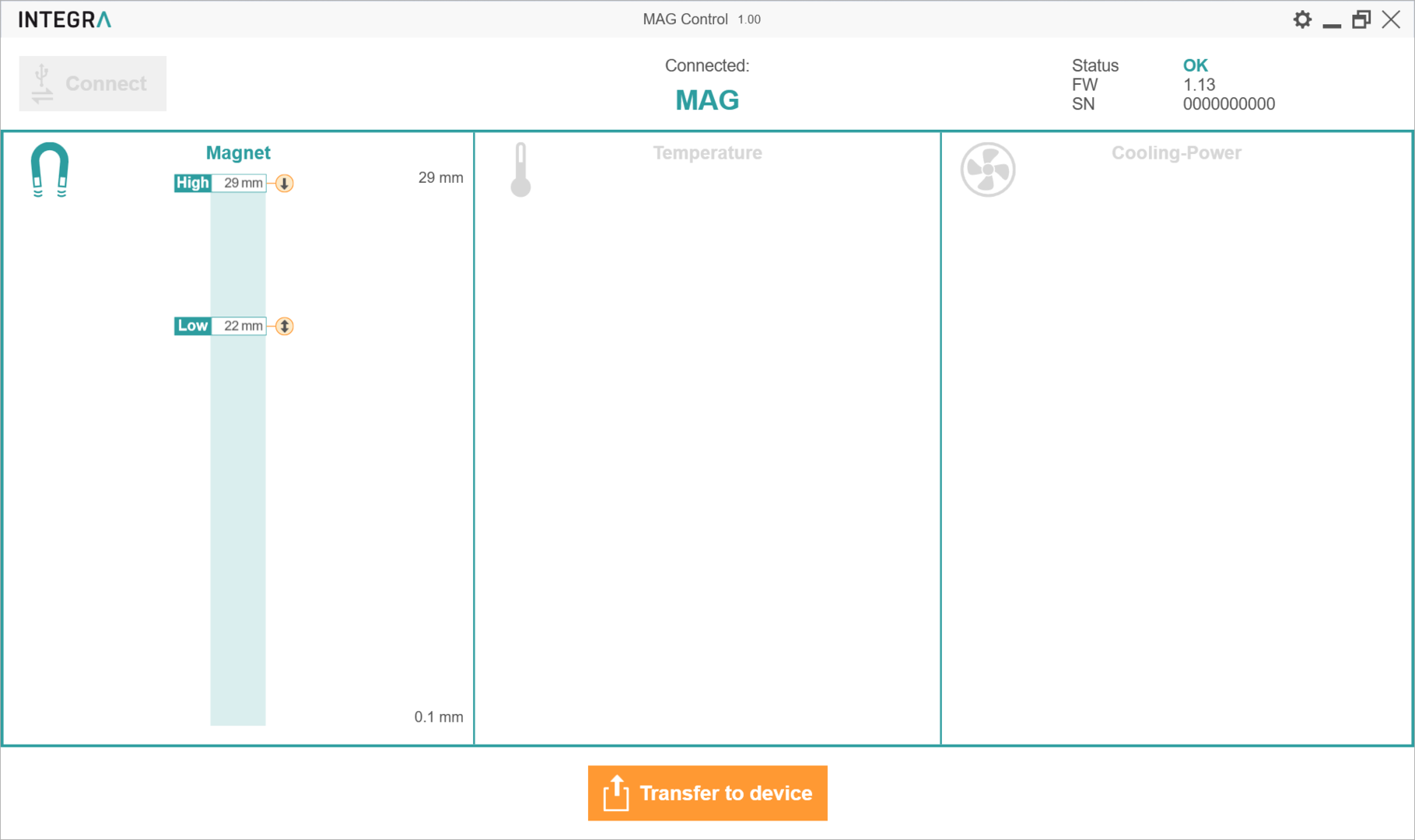
Open the MAG Control software or MAG Control app and connect to a MAG module. Set the high position to 29 mm and the low position to 22 mm. Transfer the settings to the device (Figure 3).
Amplicon PCR
PCR amplification of the V3-V4 regions of rRNA genes from gDNA using locus‐specific primers followed by sequencing adapters (Table 2).
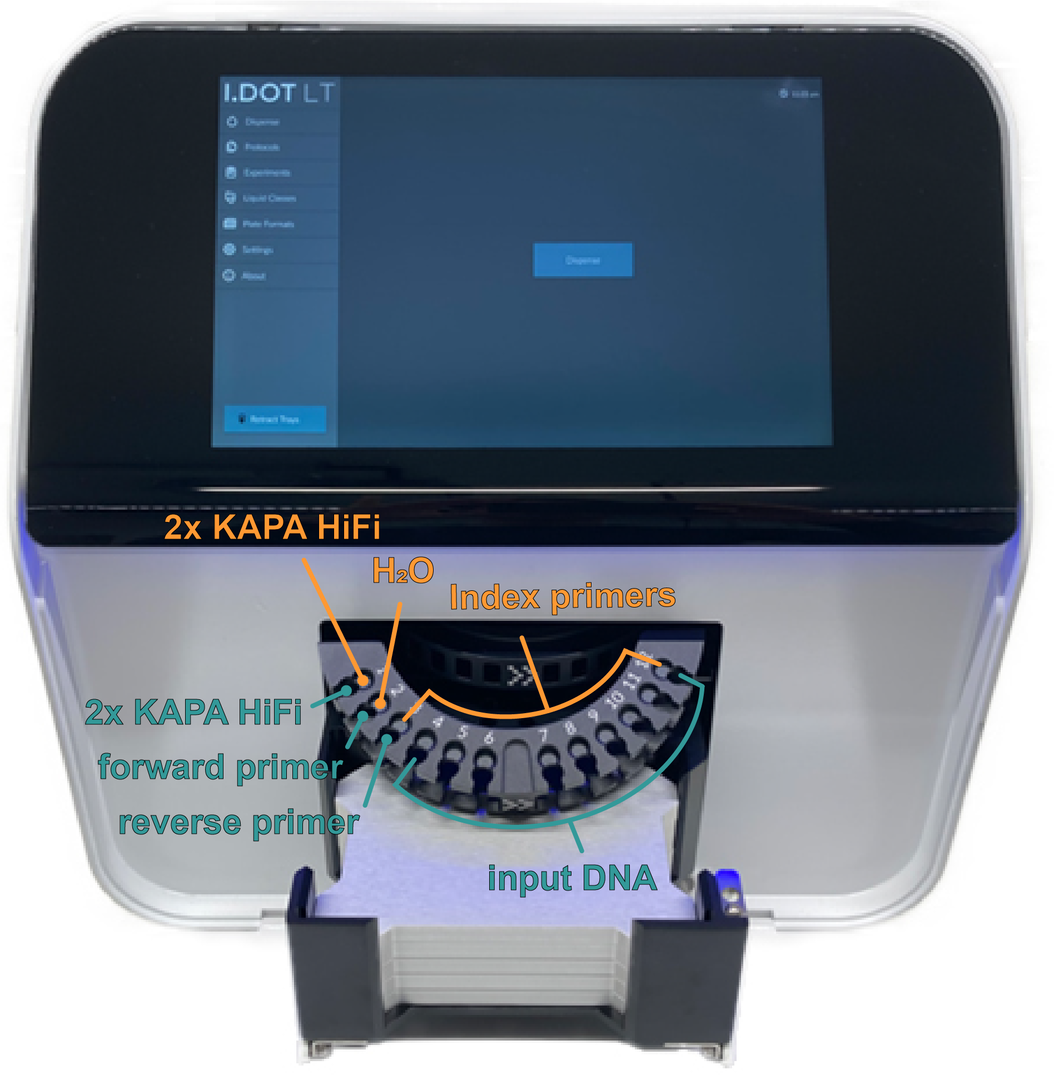
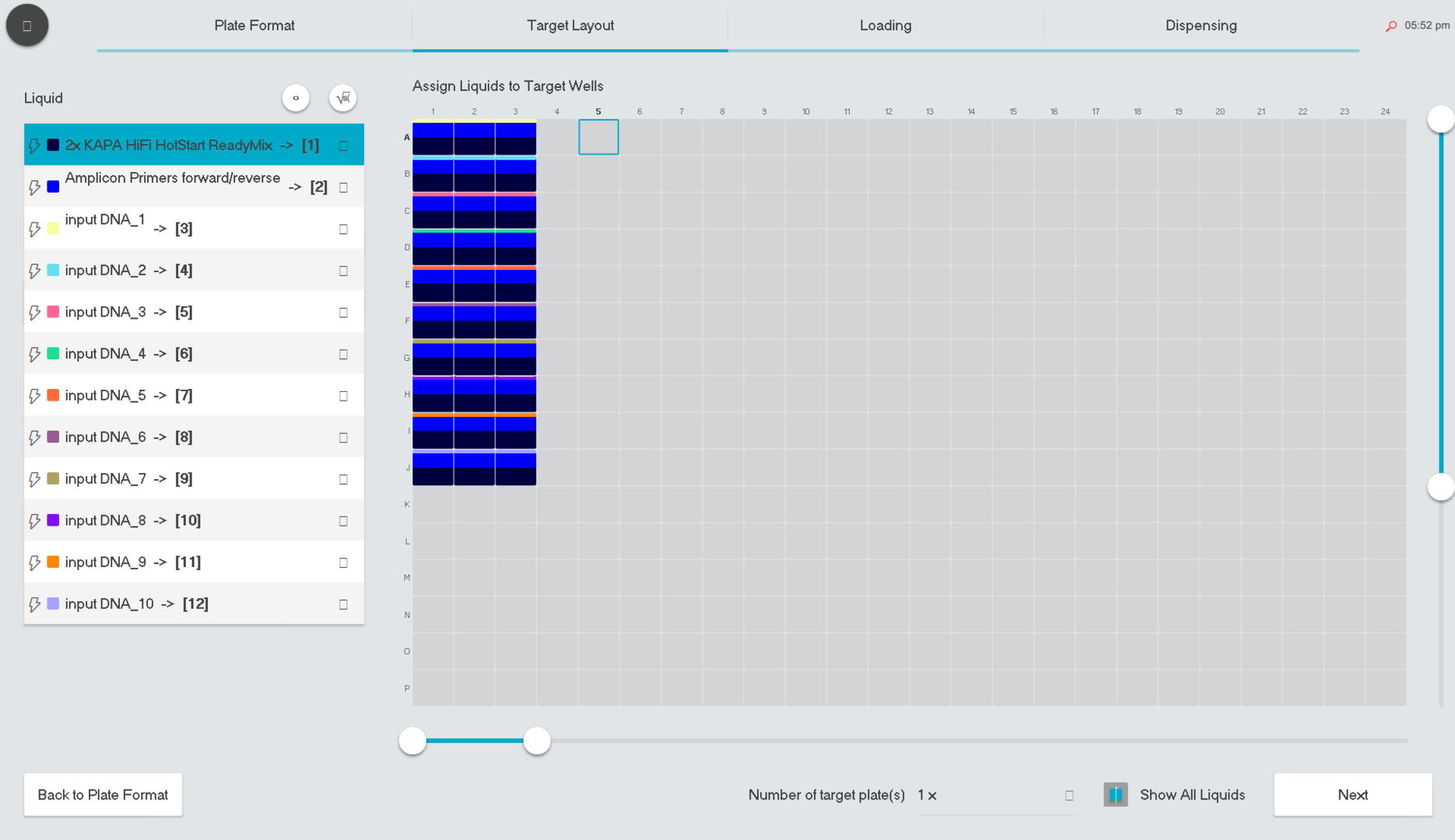
Prepare 3 source wells on the I.DOT LT with the individual reagents required for the reaction (Table 3). One source well is sufficient for the input DNA, as only a single type of gDNA is used in this study. If multiple gDNA samples are needed, they must be loaded into separate source wells to avoid cross contamination. Of the 12 source wells (Figure 4), 9 are available for different input DNA samples. An additional source well is available for use when working with premixed forward and reverse primers. This enables up to 10 input gDNAs to be dispensed in one run without changing source wells. The remaining reagents can be manually transferred from the source well back to the original tube or a new tube for later use.
Once all source wells are prepared, download the ‘Amplicon-PCR-10samples.csv’ file, import it to the I.DOT LT and press ‘Run’ (Figure 5). If a different number of gDNA samples is required, the ‘Amplicon-PCR-10samples-x20.csv’ file can be used as a template, and adapted manually according to the I.DOT LT instructions.
Table 2: Sequence of the primers used for the amplicon PCR.
| NAME | SEQUENCE |
| Amplicon PCR forward primer | 5'-TCG TCG GCA GCG TCA GAT GTG TAT AAG AGA CAG CCT ACG GGN GGC WGC AG-3' |
| Amplicon PCR reverse primer | 5'-GTC TCG TGG GCT CGG AGA TGT GTA TAA GAG ACA GGA CTA CHV GGG TAT CTA ATC C-3' |
Table 3: Source well preparation for amplicon PCR and the volumes needed for different miniaturization factors for one reaction.
| SOURCE WELL | REAGENT | MINIATURIZATION FACTOR 1X (μL) | MINIATURIZATION FACTOR 10X (μL) | MINIATURIZATION FACTOR 20X (μL) | MINIATURIZATION FACTOR 25X (μL) |
| 1 | ZymoBIOMICS Microbial Community DNA Standard | 2.5 | 0.25 | 0.125 | 0.1 |
| 2 | 2x KAPA HiFi HotStart ReadyMix | 12.5 | 1.25 | 0.625 | 0.5 |
| 3 | Amplicon PCR forward primer [1 µM] | 5 | 0.5 | 0.25 | 0.2 |
| 4 | Amplicon PCR reverse primer [1 µM] | 5 | 0.5 | 0.25 | 0.2 |
| - | Total volume | 25 | 2.5 | 1.25 | 1 |
First PCR clean-up
Purification of the amplified DNA by binding to solid phase reversible immobilization (SPRI) magnetic beads and washing out remaining primers, enzymes and salts.
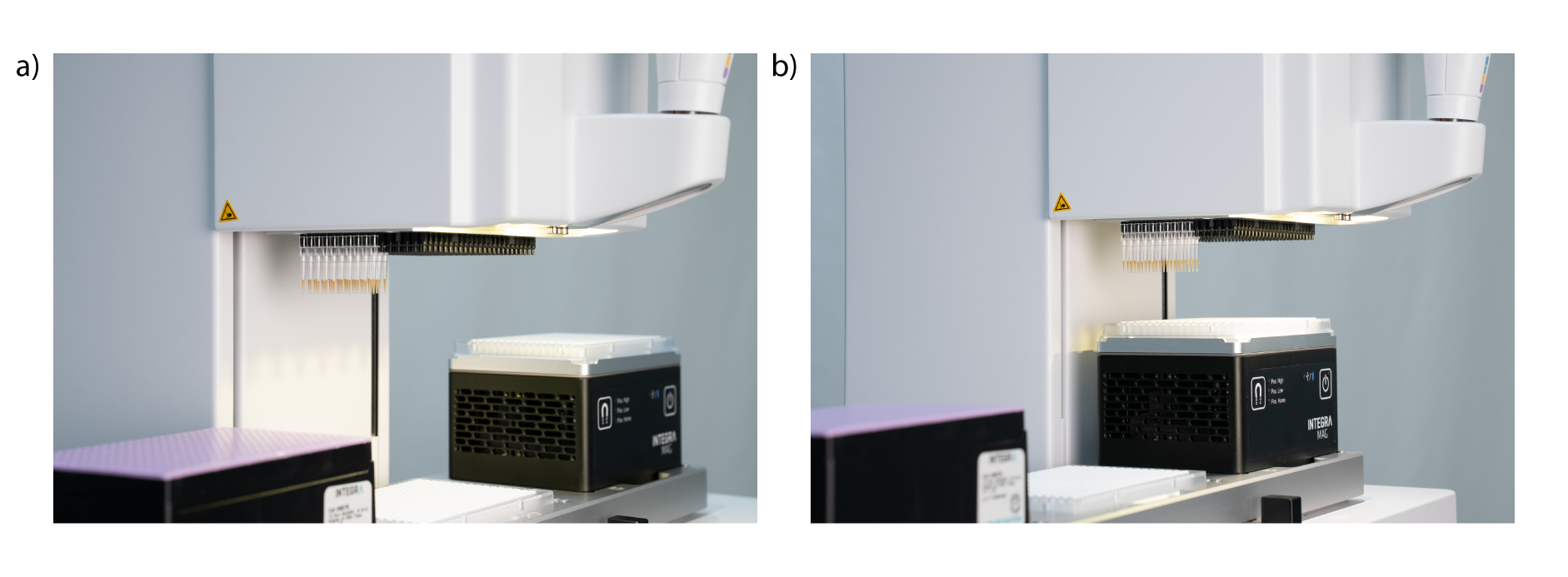
First, manually prepare a 384 well PCR plate with 4.5, 2.25 or 1.8 µl of magnetic beads for 10-, 20- and 25-times miniaturization, respectively. This will result in a final bead-to-sample ratio of 1.8x, which deviates from the standard protocol to ensure consistent liquid handling for high miniaturization factors. Select and run the ‘Binding - first clean-up’ program. Prepare the VIAFLO 384 according to the prompt on the pipette, and place the prepared 384 well PCR plate containing the magnetic beads on the MAG module (Figure 6). The VIAFLO 384 will guide the user through the tip loading process and aspiration of the amplicon PCR. After shifting the deck to the left, dispense the liquid onto the magnetic beads on Position B and allow to mix. When prompted by the pipette, push the magnet button on the MAG module twice to select the high position. Finally, the VIAFLO 384 will initialize a 5-minute incubation to capture the magnetic beads. Continue with the program ‘Wash - first clean-up’.
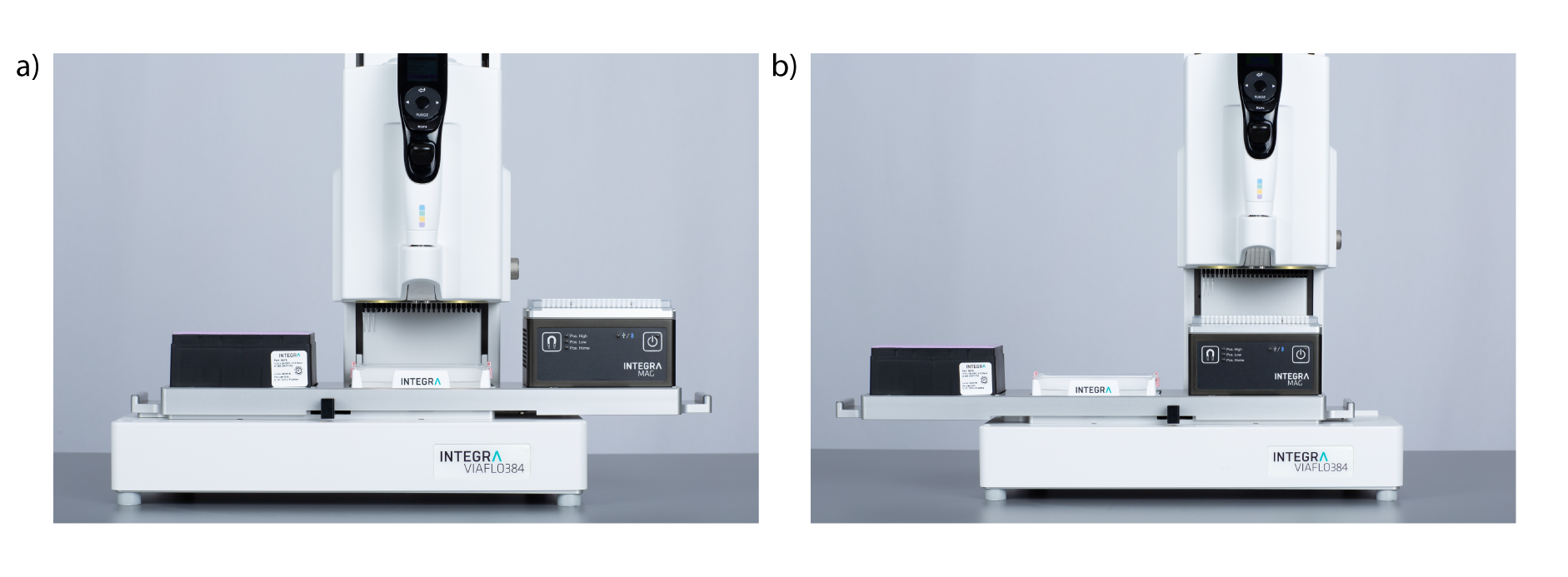
For the wash step, new tips are required on Position A, and a 150 ml reservoir for waste collection on Position A/B. Position B remains unchanged. Follow the prompts on the pipette to transfer the supernatant from the plate on Position B into the waste reservoir on Position A/B. Replace the waste reservoir with a 150 ml reservoir filled with freshly prepared 80 % ethanol, and proceed with loading tips and transferring ethanol to the magnetic beads (Figure 7). Swap the ethanol reservoir on Position A/B for the waste reservoir, and discard the supernatant from the magnetic beads to waste. Repeat these steps for a total of 2 washes, then set the magnet to the low position and let the beads dry. Continue with the program ‘Elution - first clean-up’.
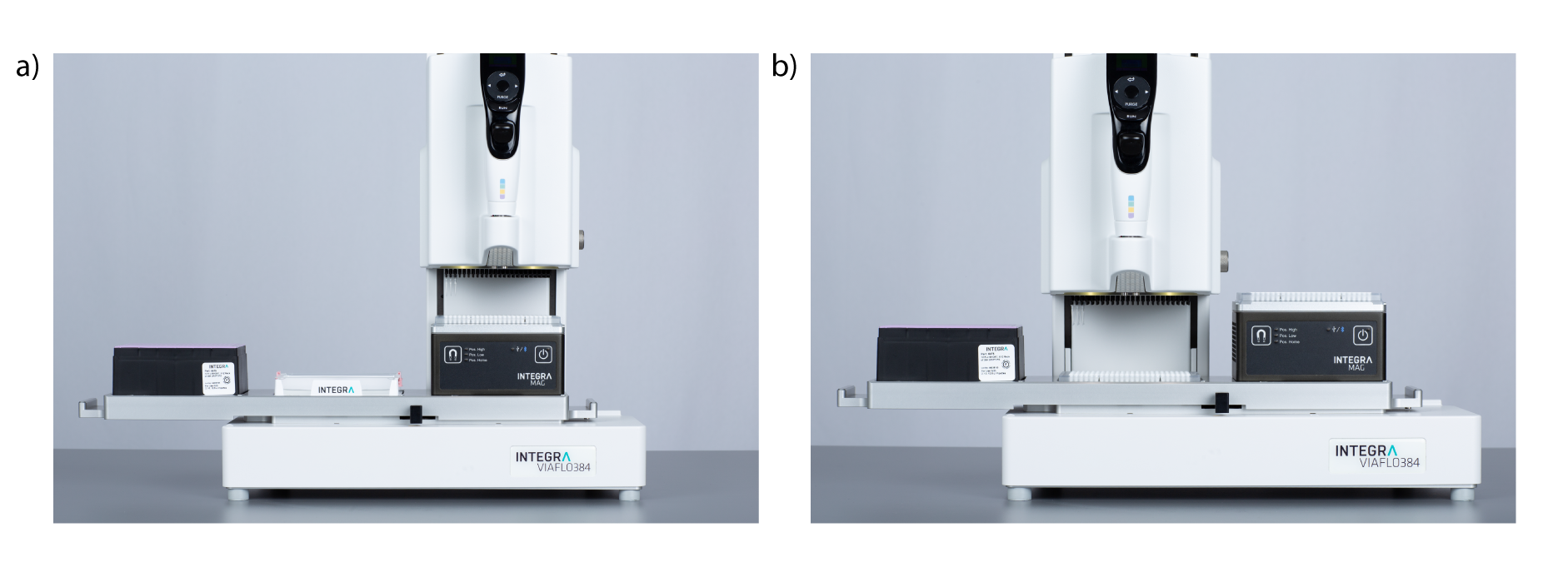
The elution step requires new tips on Position A and a 150 ml reservoir filled with molecular grade water (12 µl per sample plus 8 ml to cover the dead volume) on Position A/B; Position B is unchanged (Figure 8). Follow the prompts on the pipette to load tips on Position A, transfer molecular grade water from Position A/B to the magnetic beads on Position B and mix. When prompted, move the magnets to the high position to capture the magnetic beads. Replace the water reservoir with a fresh 384 well PCR plate for eluate collection, and add 10 µl of the supernatant from the plate on Position B.
Indexing PCR
Addition of dual indexes to the amplicon libraries previously prepared and purified.
To prepare miniaturization of the indexing PCR, transfer 1.25 µl from the 10 µl eluted amplicon PCR into a fresh 384 well PCR plate, independent of the miniaturization factor.
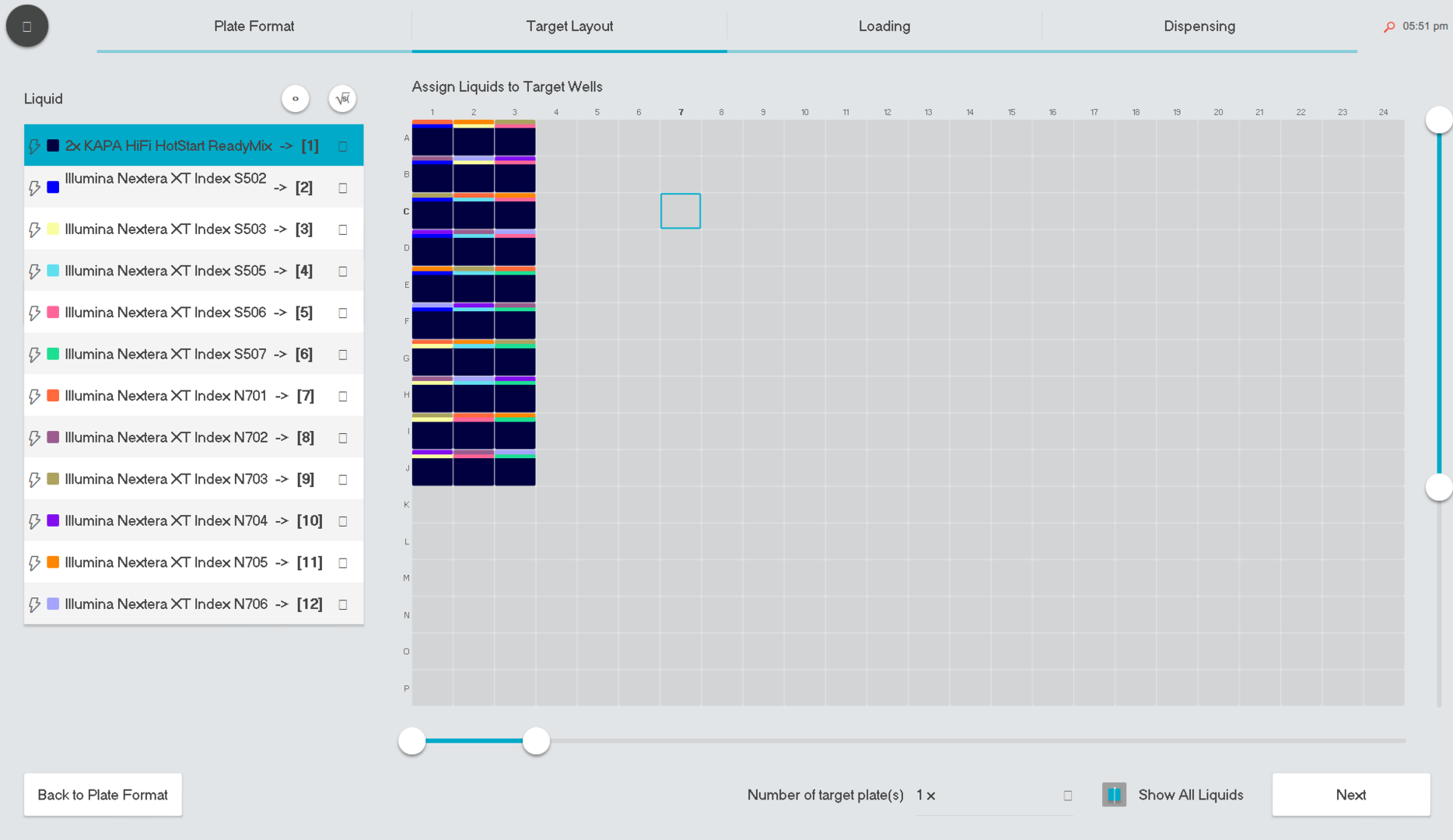
Prepare the I.DOT LT source wells with the enzyme mix and molecular grade water (Table 4), according to the miniaturization factor, matching the number of libraries being simultaneously prepared. Each library requires a unique combination of two Nextera XT Indexes, enabling the I.DOT LT to prepare a maximum of 30 libraries for 20-times miniaturization and below. Once all source wells are prepared, download the ‘Indexing-PCR-30samples.csv’ file, import it to the I.DOT LT and press ‘Run’ (Figure 9). If a different number of gDNA samples is required, the ‘Amplicon-PCR-10samples-x20.csv’ file can be used as a template, and adapted manually according to the I.DOT LT instructions.
Table 4: Source well preparation for the indexing PCR and the volumes needed for different miniaturization factors for one reaction.
| SOURCE WELL | REAGENT | MINIATURIZATION FACTOR 1X (μL) | MINIATURIZATION FACTOR 10X (μL) | MINIATURIZATION FACTOR 20X (μL) | MINIATURIZATION FACTOR 25X (μL) |
| 1 | 2x KAPA HiFi HotStart ReadyMix | 25 | 2.5 | 1.75* | 1.65* |
| 2 | Molecular grade water | 10 | 0.25* | -* | -* |
| 3 | Nextera XT Index 1 Primers | 5 | 0.5 | 0.25 | 0.2 |
| 4 | Nextera XT Index 2 Primers | 5 | 0.5 | 0.25 | 0.2 |
| 5-12 | Nextera XT Index 3-10 Primers | (5) | (0.5) | (0.25) | (0.2) |
| - | Total volume (+ DNA) | 50 | 5 | 3.5* | 3.3* |
*The calibration range of the 384 channel 0.5-12.5 µl pipetting head is 1.25-12.5 µl. The minimum volume of input DNA used in this study is 1.25 µl; other reagent volumes were adapted to ensure that the reagent ratios remain constant.
Second PCR clean-up
The indexed libraries are purified with magnetic beads by washing out any remaining primers, enzymes and salts from the PCR reaction.
Download the VIALINK programs ‘Binding - second clean-up.xml’, ‘Wash - second clean-up.xml’ and ‘Elution - second clean-up.xml’. Execute the programs sequentially, and follow the same steps described in the first PCR clean-up but using double the volumes. Only the elution volume of 10 µl remains unchanged.
Quantification
Quantify the libraries by fluorescence measurement, qPCR or electrophoretic analysis.
After the final library clean-up, quantify the libraries using your method of choice.
For fluorescence measurement, use a dsDNA-specific fluorescence assay according to the manufacturer’s instructions. This method only provides the concentration in ng/µl. For qPCR quantification, use a library quantification kit with platform-specific primers. Prepare the qPCR master mix, standards and libraries, and run the qPCR program according to the kit protocol. Calculate the concentration (nM) based on the generated standard curve. Finally, for electrophoretic analysis each library is analyzed on a microfluidic or capillary electrophoresis system according to the manufacturer’s instructions. Verify fragment size distribution and determine library concentration from the software output. Use the average fragment size to convert ng/µl to nM if required. The final concentration of each library should be above 4 nM for reliable sequencing.
Normalization
After quantification, the libraries should be normalized to the same concentration using the I.DOT LT.
After quantification, calculate the dilution factors required to bring each library to the same concentration, based on either a concentration of choice or the lowest concentration present in the libraries. 4 nM is the lowest concentration recommended by Illumina for sequencing. The chosen concentration can be achieved by entering the required volume of diluent for each library into an empty 16 x 24 format .csv file, with each cell representing the corresponding well in a 384 well plate. Import the file into the I.DOT LT according to the instrument guidelines, then prepare a source well with the required volume of diluent and run the program. Alternatively, normalization can be performed using INTEGRA's ASSIST PLUS pipetting robot equipped with a D-ONE pipetting module, as described in the application note Automated DNA normalization for NGS library prep.
Pooling and sequencing
The normalized libraries can now be pooled for simultaneous sequencing.
Pool the normalized libraries manually. Divide the total volume required for sequencing (100 µl) by the number of libraries (30) to identify the volume of each individual library (3.3 µl). Use a single channel EVOLVE manual pipette or a VIAFLO electronic pipette to mix together the required volumes of each library in a separate tube.
Results
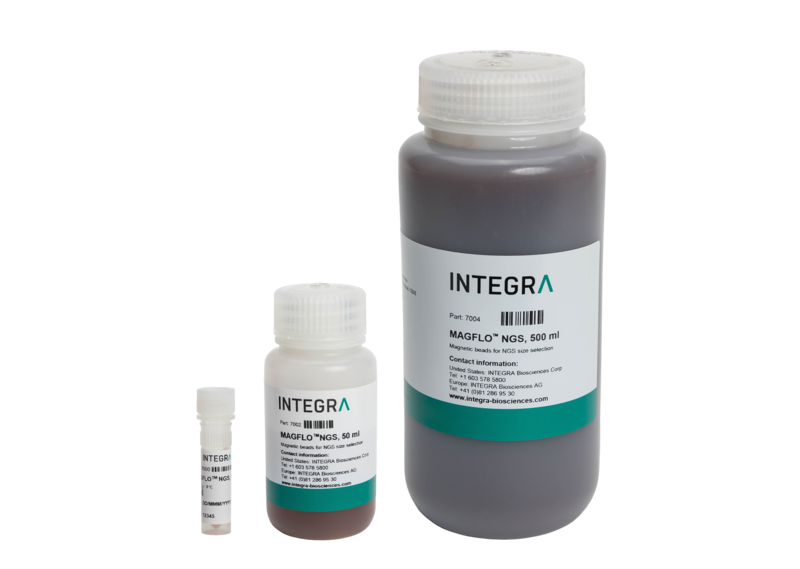
Libraries were created following Illumina's 16S metagenomic library preparation protocol, using the ZymoBIOMICS Microbial Community DNA Standard as input. Triplicates of 10-, 20- and 25-fold miniaturized protocols were generated using the I.DOT LT for both PCR setup and normalization, and the VIAFLO 384 for magnetic bead-based clean-ups. DNA clean-up efficiencies using both Illumina purification beads and MAGFLO NGS magnetic beads were compared. These libraries were compared to a reference library prepared manually in triplicate with Illumina purification bead clean-up (Table 5). Normalization was performed as described in INTEGRA's Automated DNA normalization for NGS library prep application note, and pooling was done manually. Sequencing was carried out on an Illumina MiSeq 2 × 250 Nano Flow Cell (performed by Microsynth, Switzerland).
Table 5: Library quantification after the second PCR clean-up, before normalization. Values depicted in columns 4 and 5 show the averages and standard deviations of triplicate (n=3) libraries.
| LIBRARY PREPARATION | MINIATURIZATION FACTOR | MAGNETIC BEADS | CONCENTRATION (NMOL/μL) | YIELD (NMOL) |
| Manual | 1 | Illumina purification beads | 73.5 ±17.39 | 735 ±173.9 |
| I.DOT LT + VIAFLO 384 | 10 | Illumina purification beads | 18.3 ±2.05 | 182.7 ±20.5 |
| 10 | MAGFLO NGS | 19.9 ±1.5 | 199.3 ±15 | |
| 20 | Illumina purification beads | 9.0 ±1.26 | 89.5 ±12.6 | |
| 20 | MAGFLO NGS | 11.0 ±0.35 | 110.0 ±3.5 | |
| 25 | Illumina purification beads | 5.7 ±0.56 | 57.3 ±5.6 | |
| 25 | MAGFLO NGS | 6.7 ±0.81 | 67.1 ±8.1 |
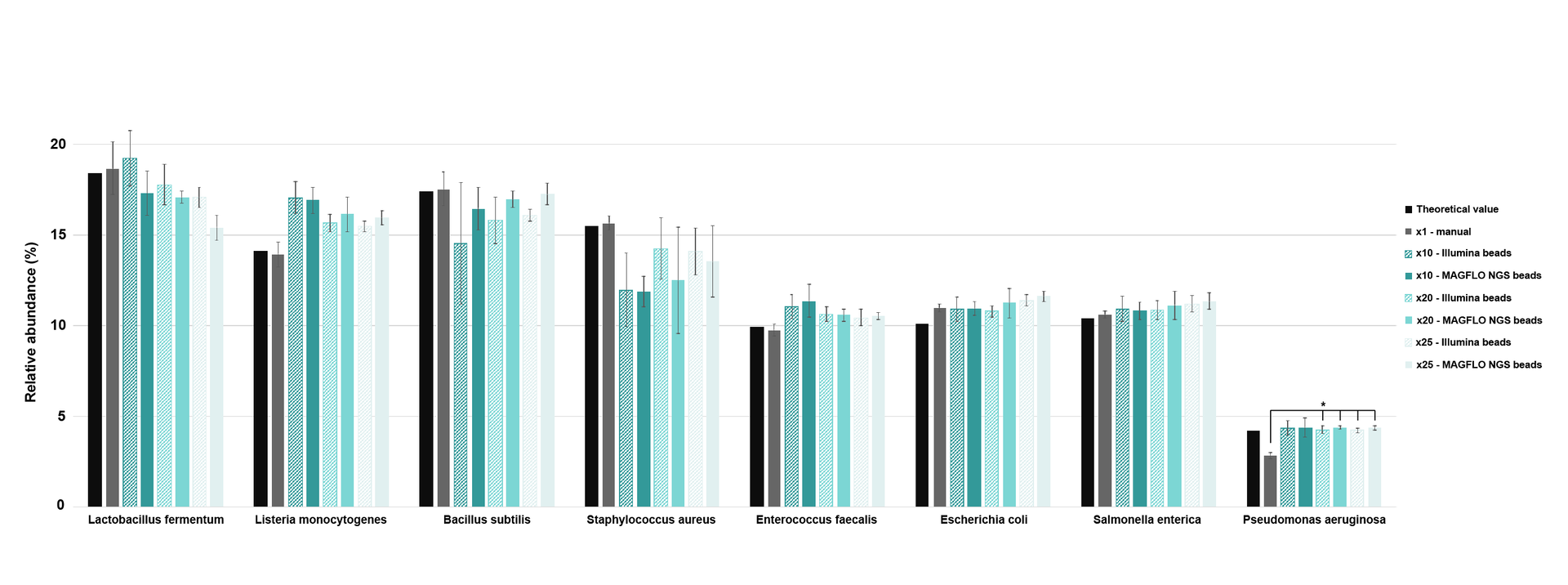
The ZymoBIOMICS Microbial Community DNA Standard contains a mixture of gDNA (with the proportions indicated in percent after normalization for genome size) from Lactobacillus fermentum (18.4 %), Bacillus subtilis (17.4 %), Staphylococcus aureus (15.5 %), Listeria monocytogenes (14.1 %), Salmonella enterica (10.4 %), Escherichia coli (10.1 %), Enterococcus faecalis (9.9 %) and Pseudomonas aeruginosa (4.2 %).
Qualitative comparison between the miniaturized libraries and theoretical values shows only minor differences in L. monocytogenes and S. aureus. Both genera are known to have a lack of discriminatory sites in the V3-V4 region of the rRNA genes,[1-3] leading to variation in read assignments. This confirms that all libraries are of acceptable quality. No miniaturized library preparations showed significant differences in read distributions when compared to manual library preparation without miniaturization, except for P. aeruginosa. However, this can be explained by an unusually low proportion of the read count in the manual, rather than miniaturized, library preparations. This confirms that using the I.DOT LT and VIAFLO 384 does not introduce significant bias at any of the miniaturizations tested.
Comparisons between 10-, 20- and 25-times miniaturized libraries do not show any significant differences, confirming that no biases are introduced, even at very high miniaturization factors (Figure 10). Finally, libraries prepared with MAGFLO NGS beads show no significant differences compared to libraries prepared with Illumina purification beads. Both magnetic beads can be considered equivalent for PCR clean-up (Figure 10).
References
- Won S, Cho S, Kim H. rRNA operon improves species-level classification of bacteria and microbial community analysis compared to 16S rRNA. Microbiol Spectr. 2024 Nov 5;12(11):e0093124. doi: 10.1128/spectrum.00931-24. Epub 2024 Oct 4. PMID: 39365049; PMCID: PMC11537084.
- Kosecka-Strojek M, Sabat AJ, Akkerboom V, Becker K, van Zanten E, Wisselink G, Miedzobrodzki J, Kooistra-Smid AMDM, Friedrich AW. Development and Validation of a Reference Data Set for Assigning Staphylococcus Species Based on Next-Generation Sequencing of the 16S-23S rRNA Region. Front Cell Infect Microbiol. 2019 Aug 7;9:278. doi: 10.3389/fcimb.2019.00278. PMID: 31456949; PMCID: PMC6698797.
- Matsuo Y, Komiya S, Yasumizu Y, et al. Full-length 16S rRNA gene amplicon analysis of human gut microbiota using MinION™ nanopore sequencing confers species-level resolution. BMC Microbiol. 2021 Jan 26;21(1):35. https://doi.org/10.1186/s12866-021-02094-5.
Conclusion
Ask our expert. Leave a comment!
Write us if you have any questions regarding the application note or one of our instruments.
Any questions? I'm happy to help!
Instruments and accessories
I.DOT LT, non-contact low volume dispenser
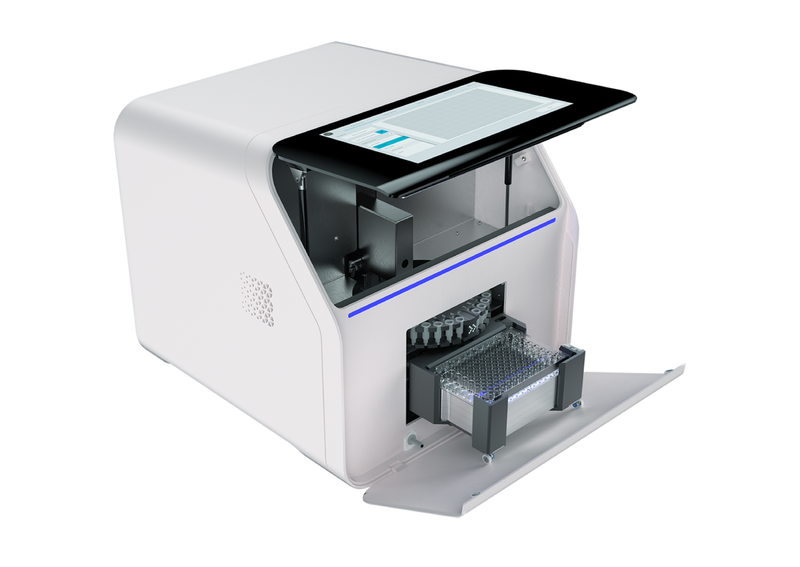
The I.DOT LT precisely delivers liquids in the range of 17.3 nl to 30 µl with an impressive 0.1 nl resolution. It performs non-contact dispensing by delicately ejecting droplets into target microplates using advanced positive pressure modulation. The I.DOT LT is designed for easy and efficient low-volume reagent dispensing and workflow miniaturization, making it accessible to every laboratory and unlocking new levels of productivity.
Part number: 5500-01
Downloads
Download App Note as PDF
DownloadCost-efficient miniaturization of 16S metagenomic library preparation
Related products


Applications
Show all-
End-to-end Twist library preparation protocol for NGS workflow automation
-
Streamlining single-cell sequencing with the Flex Apex workflow using automated liquid handling solutions
-
Optimizing DNA fragmentation and NGS library preparation with automated liquid handling
-
A simple and streamlined workflow for membrane protein isolation