


Improving genome-wide aging research with automated liquid handling
Exploring the molecular mechanisms of aging
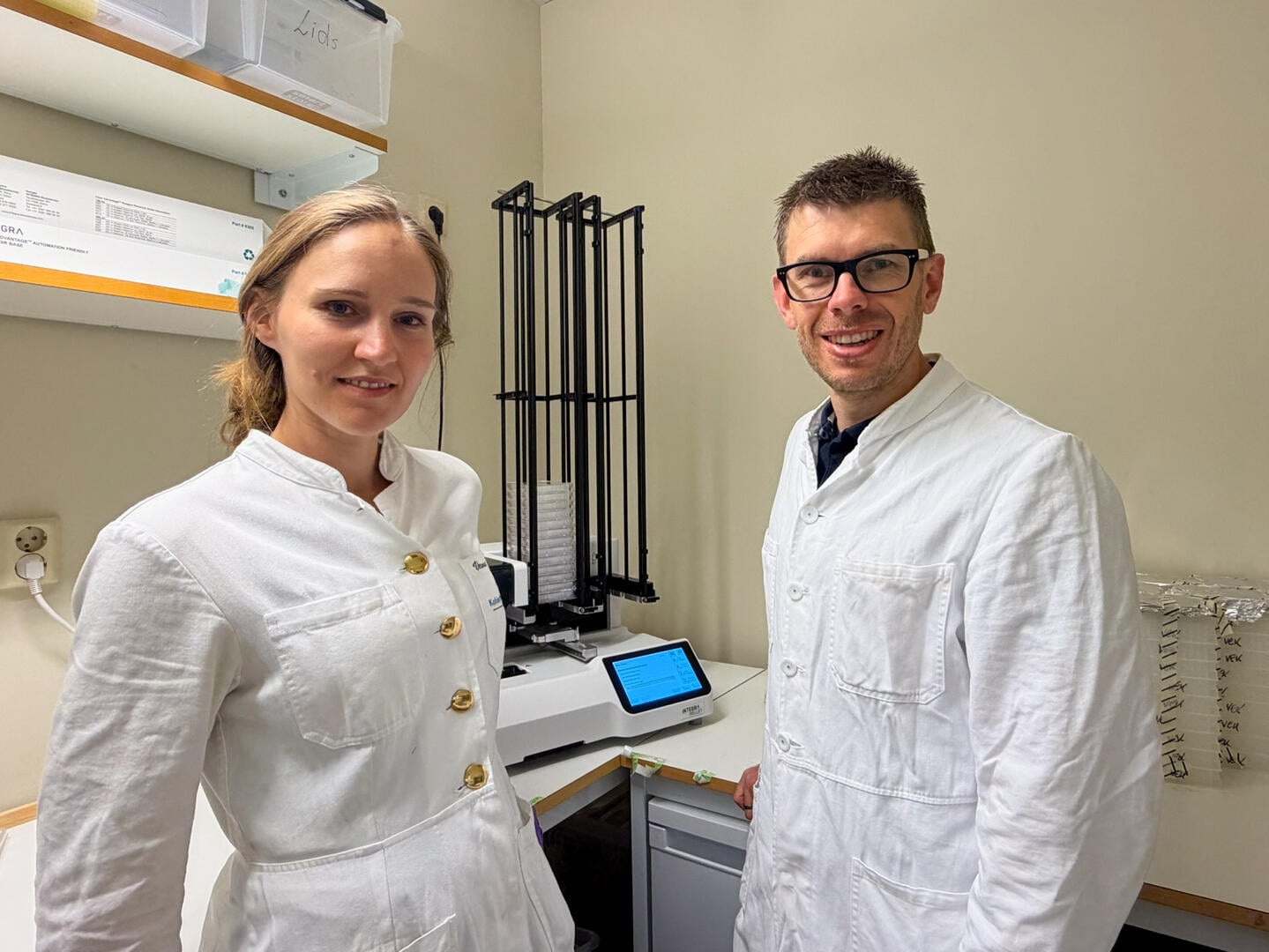
Aging is accompanied by changes in the molecular processes that alter cell function, but the mechanisms underlying this are often poorly understood. Andreas is combining the expertise of his lab – on the mechanisms responsible for maintaining mitochondrial protein quality – with that of the lab of Assistant Professor Verena Kohler – proteostasis and protein quality control throughout the cell – to investigate the molecular physiology of aging. Their shared interest in how these systems change over time led the researchers to develop the FAST platform, a versatile approach for performing genome-wide screens of the aging process.
Mitochondrial biology is particularly important to research into aging, with questions about mitochondrial protein quality control fundamental to age-related diseases including Alzheimer’s and Parkinson’s disease. Andreas explained: “We know so little about how proteins produced inside mitochondria are maintained and checked for quality before they are assembled, even though some of these proteins form the respiratory chain. I’m fascinated that we still know so little about what is the core of all aerobic life on earth.”
Removing a high throughput plate preparation bottleneck
The FAST platform is built around a robotics system that can automatically cultivate and propagate cells, as well as assess their growth on solid media, allowing the team to analyze thousands of different cell lines. However, operating at this scale created a significant bottleneck in plate preparation. A single genome-wide library can contain around 6,500 strains, requiring thousands of plates to be filled with media, which, when performed manually, requires hours of tedious, repetitive work.
Andreas explained: “INTEGRA’s WELLJET reagent dispenser was the ideal solution for us to fully automate the filling of these plates. It’s really an outstanding tool because it’s so quick and easy to write the programs, and it has made our whole approach so much simpler, completely fixing the bottleneck.”
One feature of the WELLJET that is particularly attractive to the team is the integrated plate stacker, which processes large batches of plates without using additional robotic equipment. “For other systems, we would’ve needed extra robots or somehow had to adapt them. The WELLJET has a very small footprint and doesn’t need to be connected to the rest of the automated system. These big advantages mean it integrates seamlessly into our workflow. It’s also very flexible in terms of different labware, and we can use all our existing plates without any adaptation.”
Making high throughput research more sustainable
Increasing throughput is not the team’s only priority. The researchers are also keen to minimize the environmental impact of large-scale screening, where processing thousands of samples can generate substantial quantities of disposable plastic waste. The core robotics platform uses reusable metal pins to propagate cells instead of disposable plastic pipette tips, with the pins sterilized between uses.
The emphasis on reducing waste was another reason why INTEGRA products appealed to Andreas and the rest of the team. “We try to avoid plastic waste as much as we can, and the WELLJET has reusable, sterilizable, cassettes so you don’t need all the pipette tips that some other robotic systems use. The cassettes also have quite a long lifespan before they need to be exchanged, which saves resources.”
Improving reformatting with automated pipetting
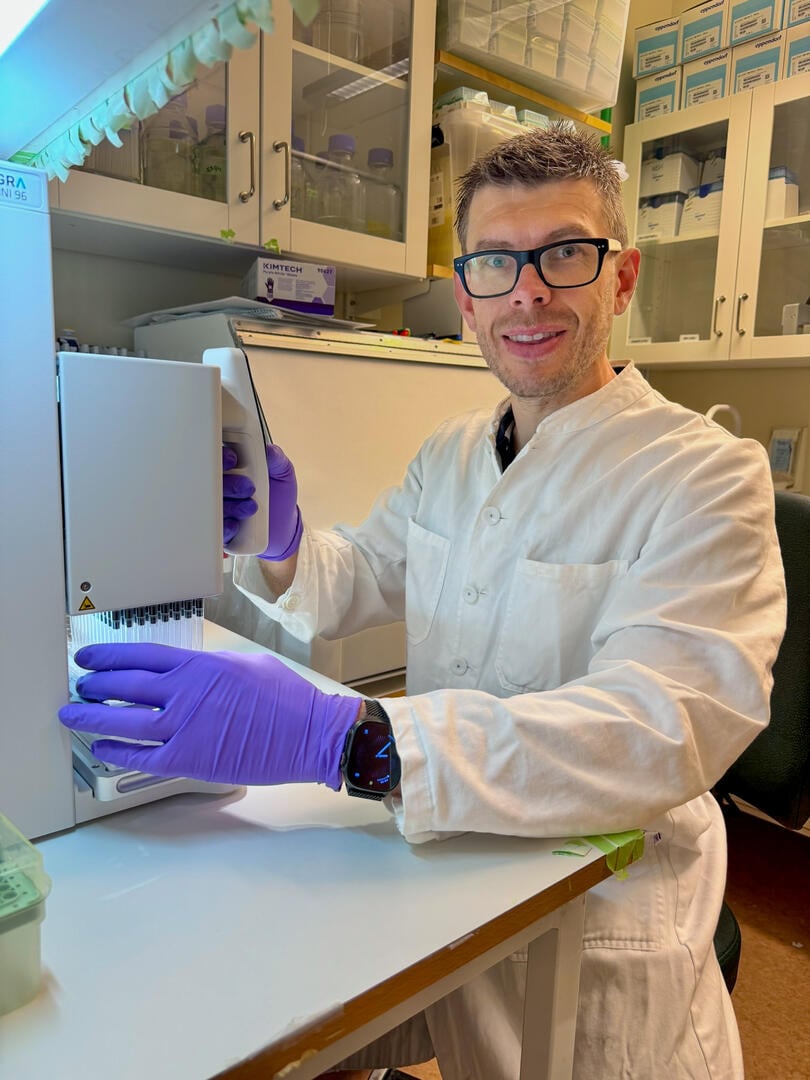
Another bottleneck the team faced was plate reformatting; cells are cultured in 96 well plates to provide the aeration needed for growth and then transferred into 384 well plates for high throughput analysis. This second bottleneck was resolved with two INTEGRA MINI 96 portable electronic pipettes.
Andreas explained: “Previously, we performed all transfers with multichannel pipettes, and a single plate took at best 10 to 15 minutes. With the MINI 96, it’s a matter of seconds. We use both 125 µl and 300 µl pipettes, and it is now so easy to transfer between the two types of plates, and complete the staining steps for flow cytometry.” Automating these repetitive tasks has allowed researchers to spend more time focusing on their research, while also helping to minimize errors during large screening experiments. “This was often a frustrating workflow because, although the reformatting was very repetitive, boring work, you had to concentrate to avoid making mistakes. The MINI 96 has made it very easy and it importantly removes a source of human error.”
Seamless integration backed by expert support
Andreas is impressed by the support the team has from INTEGRA, especially when a compatibility issue arose: “We had a problem that couldn’t be immediately solved, but INTEGRA went away and the engineers managed to fix it for us.” The team has continued to benefit from INTEGRA’s expertise, including advice on selecting reservoirs and other labware for its workflows. Now the WELLJET and MINI 96 have eliminated two of the major liquid handling bottlenecks of the FAST platform, the researchers can concentrate on their important high throughput screening, learning more about the molecular processes underlying aging and mitochondrial functioning.
Applications
Show all
Stories
Show all-
 · Customer Testimonial
Accelerating drug discovery for deadly amoebic diseases with the WELLJET dispenser stacker
-
 · Company News
Streamlining CRISPR workflows, from editing to analysis
-
 · Product News
Ergonomic pipettes and pipetting guidelines
-
 · Product News
Enabling high volume magnetic bead workflows with new deep well plate adapter for the MAG module