


-
A simple and streamlined workflow for membrane protein isolation
A 96 well protocol for membrane protein purification using PlateX MP™ on the ASSIST PLUS
Membrane proteins are essential biological targets, representing an estimated 50-60 % of today’s drug targets, yet they remain difficult to isolate in a stable, functional form due to their dependence on lipid environments. Conventional workflows are often complex, time consuming and labor intensive. PlateX MP™ plates from Cube Biotech, combined with the ASSIST PLUS pipetting robot, enable the detergent-free extraction, stabilization and affinity purification of membrane proteins in a fully automated 96 well workflow, reducing hands-on time while preserving protein integrity for downstream applications.
-
Table of contents
Membrane proteins are essential biological targets, representing an estimated 50-60 % of today’s drug targets, yet they remain difficult to isolate in a stable, functional form due to their dependence on lipid environments. Conventional workflows are often complex, time consuming and labor intensive. PlateX MP™ plates from Cube Biotech, combined with the ASSIST PLUS pipetting robot, enable the detergent-free extraction, stabilization and affinity purification of membrane proteins in a fully automated 96 well workflow, reducing hands-on time while preserving protein integrity for downstream applications.
Key benefits
Overview: how to automate membrane protein purification
This application note demonstrates how membrane protein extraction and purification can be automated using the ASSIST PLUS. The PlateX MP workflow integrates buffers, magnetic beads and polymer-based stabilization chemistries into a single plate format. The system enables reproducible solubilization, washing and elution steps across an entire 96 well plate.
Downloads: App note and protocols for a simple and streamlined workflow for membrane protein isolation
Experimental set-up
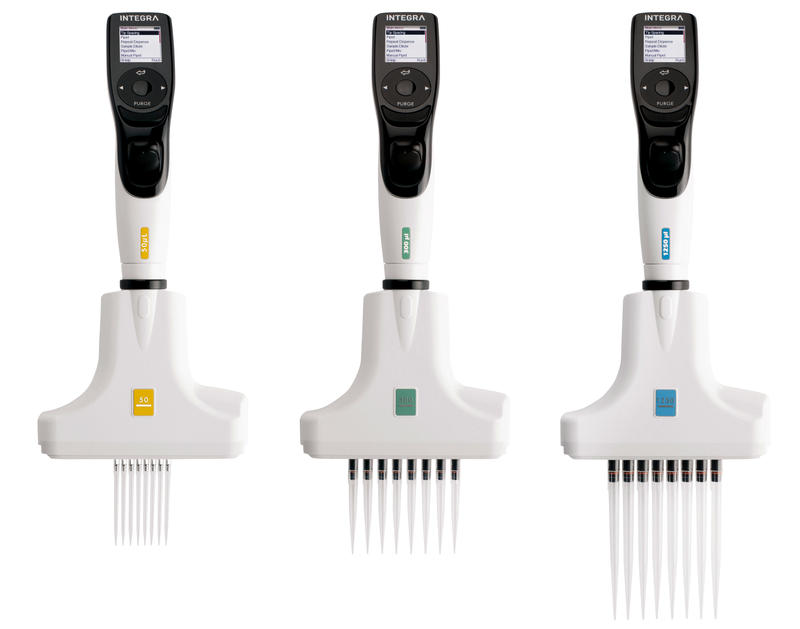
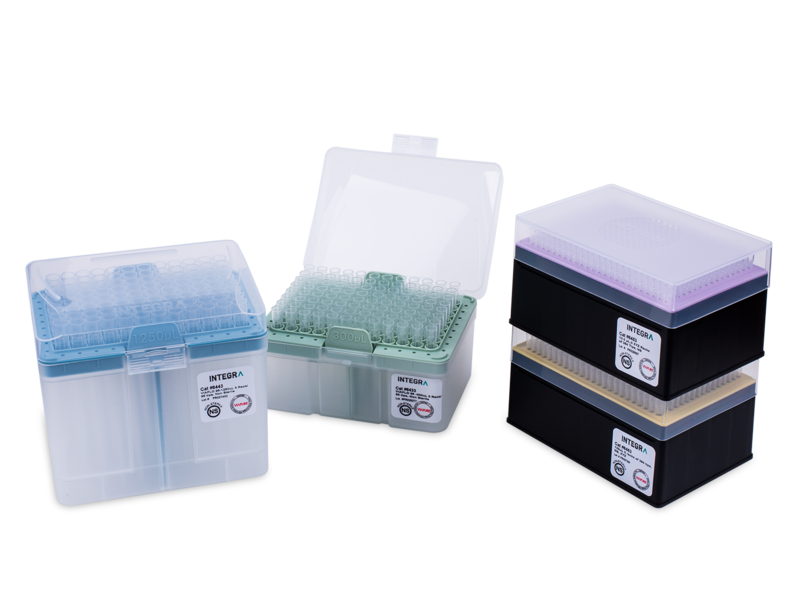
The ASSIST PLUS is used together with the 8 channel 1,250 µl VOYAGER adjustable tip spacing pipette and 1,250 µl sterile, filter GRIPTIPS® pipette tips, and automates all the liquid handling operations of the following steps:
- Resuspension of lyophilized buffers
- Dissolving copolymers
- Resuspension and equilibration of magnetic beads
- Capture of stabilized target protein
- Washing
- Elution
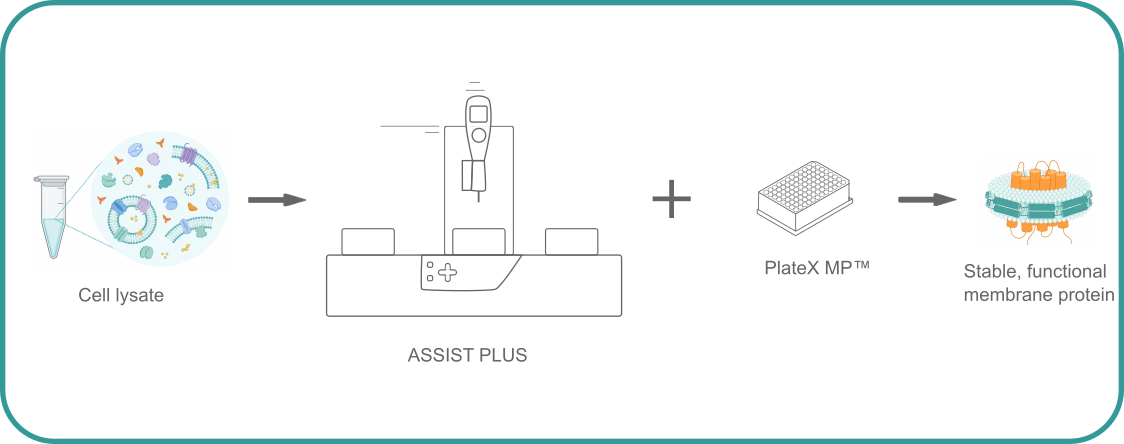
The set-up requires only ddH2O and a cell lysate containing the target membrane protein. Once loaded, the ASSIST PLUS performs all pipetting steps in the PlateX MP plate, yielding stable, functional membrane proteins for downstream analysis (Figure 1).
Step-by-step procedure
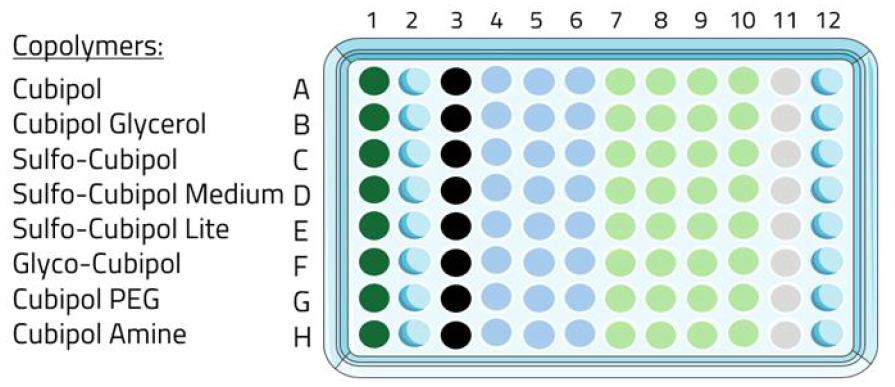
PlateX MP™ is available in three different configurations, each designed for a specific affinity tag (Rho1D4-tag, DYKDDDDK-/FLAG-tag, or Strep-tag® II / Twin-Strep-tag®). Therefore, overexpress the target membrane protein with the corresponding affinity tag in different expression systems such as HEK, yeast, or insect cells. Test the expression level of the membrane protein. For each expressed protein, harvest 300 ml of cell culture and centrifuge it, then discard the supernatant. Weigh the resulting cell pellet and resuspend it in 5 ml of protein buffer per gram of pellet (20 mM HEPES, 150 mM NaCl, pH 7.5) supplemented with protease inhibitor (0.01 mM leupeptin, 0.01 mM E-64, 0.1 mM PMSF, 1 mM pepstatin and 1 mM phenanthroline). Lyse the cells by sonication and centrifuge the cell lysate at 9,000xg for 45 minutes at 15 °C to obtain a clarified cell lysate. Take a small fraction of each lysate and dilute it 1:100 in protein buffer (without protease inhibitors), then measure absorbance at 280 nm. If the absorbance of the undiluted sample exceeds 150 AU, dilute the lysate further with protein buffer before proceeding with automated solubilization and purification. Pipette 1.8 ml of clarified cell lysate supernatant into each well of column 2 of the PlateX MP plate (Figure 2) to start the automated workflow.
Resuspension of lyophilized buffers
Addition of water to lyophilized buffers
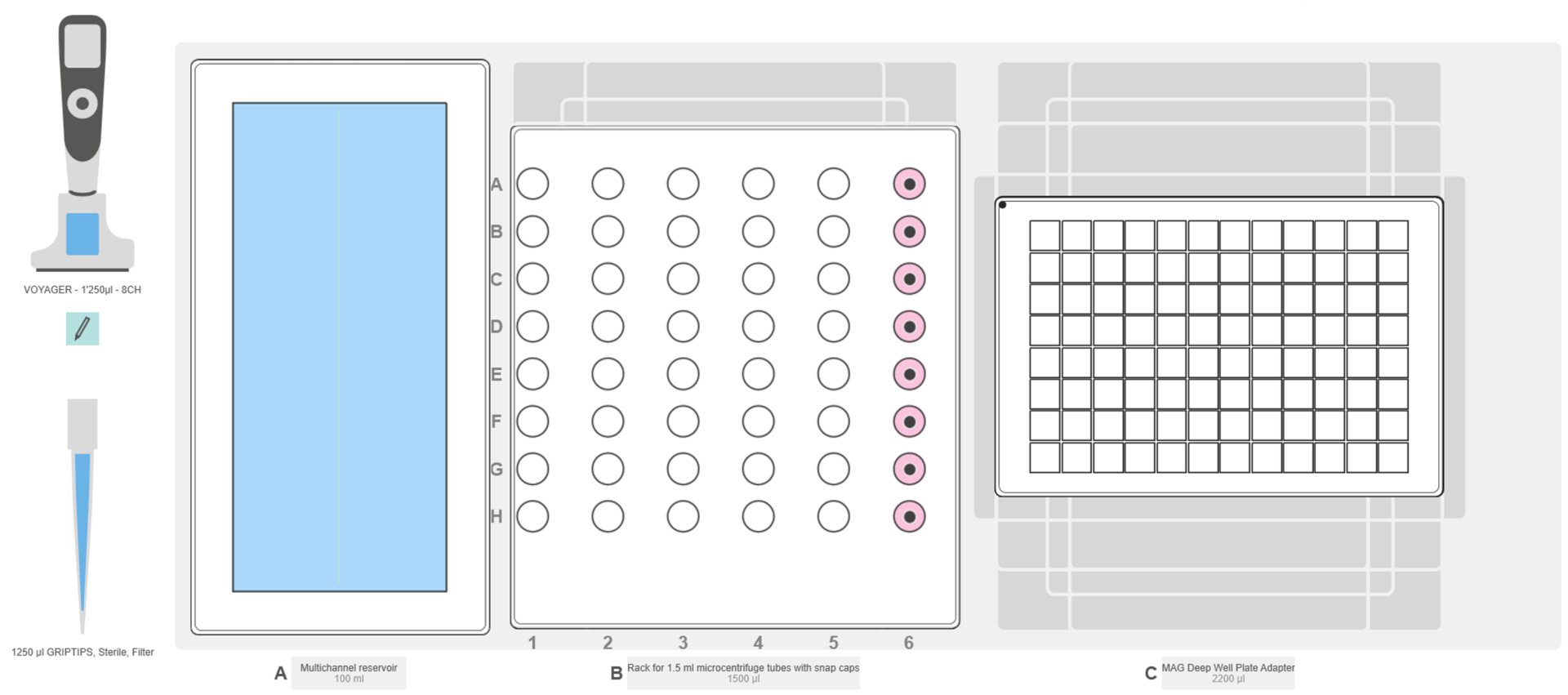
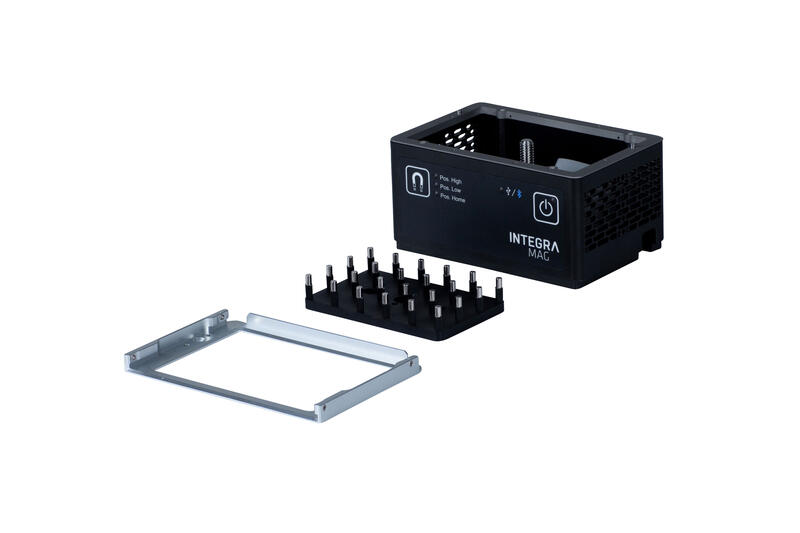
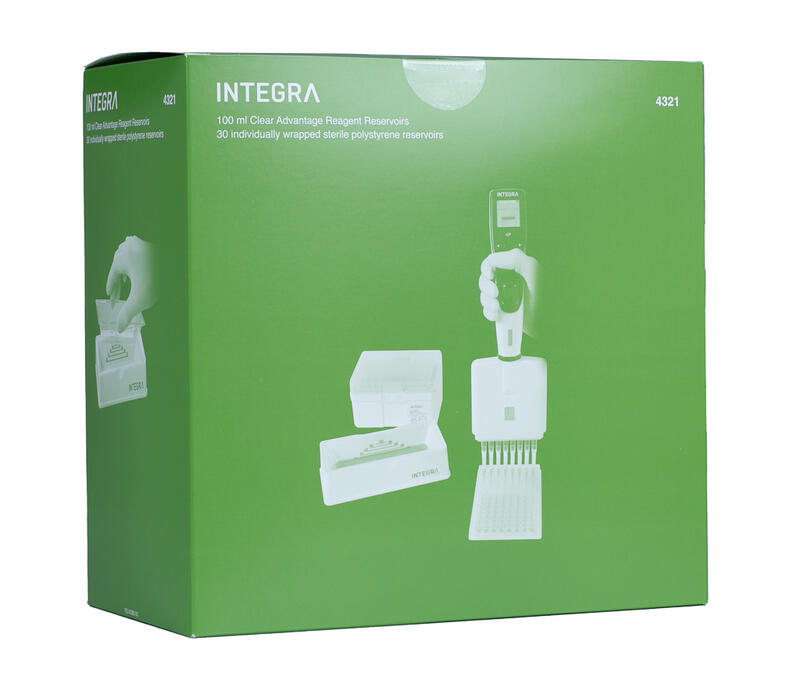
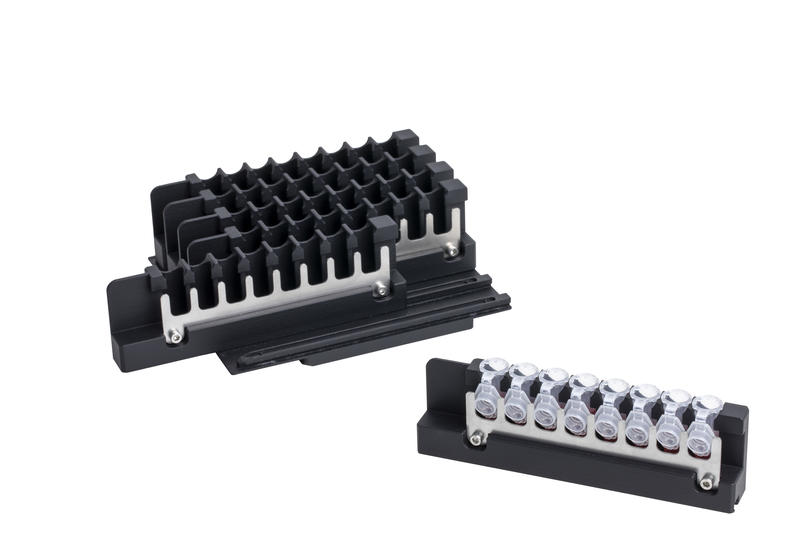
Place the 100 ml multichannel reagent reservoir on deck position A and fill it with 100 ml of ddH2O. Next, place a tube rack on deck position B and insert 8x1.5 ml reaction tubes into the last column of the tube rack. On deck position C, place the MAG module mounted with a PlateX MP plate (Figure 3).
Select and run the VIALAB program 'PlateX MP protocol for INTEGRA ASSIST PLUS'. The VOYAGER pipette first transfers 950 µl of ddH2O into columns 4 to 10, resuspending the lyophilized equilibration and wash buffer. Next the program will add 250 µl of ddH2O to column 11 to resuspend the lyophilized elution buffer.
Tip:
- Pipetting parameters (pipetting speed, pre-wetting, tip change) and mixing conditions (height, speed, cycle and volume) can easily be adjusted in the VIALAB program if needed.
Dissolving copolymers
Addition of cell lysates to copolymers
The copolymers need to be dissolved with cell lysate. For this, the ASSIST PLUS transfers 900 µl of cell lysate from column 2 to column 1 and mixes 250 times. Then the remaining 900 µl of cell lysate is transferred to column 1 and mixed 250 times.
Resuspend and equilibrate magnetic beads
Addition of equilibration buffer to the beads
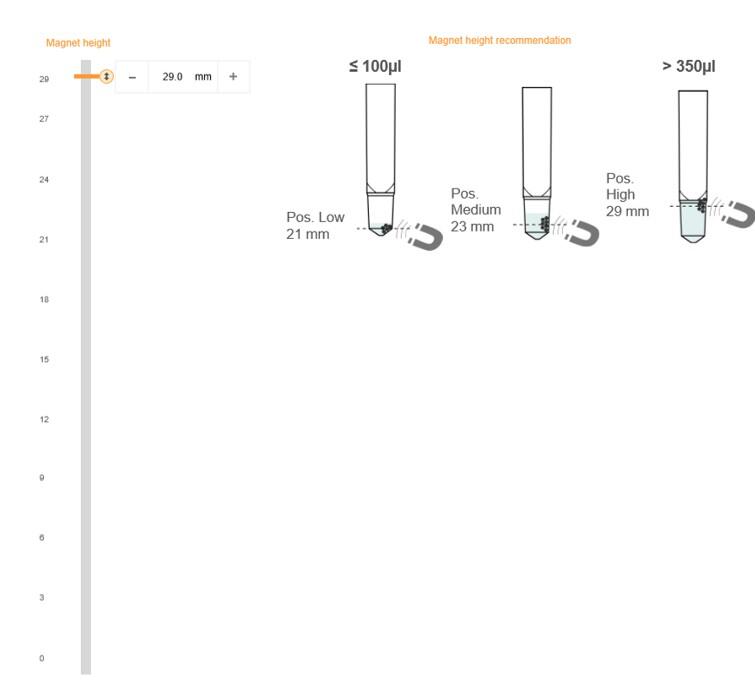
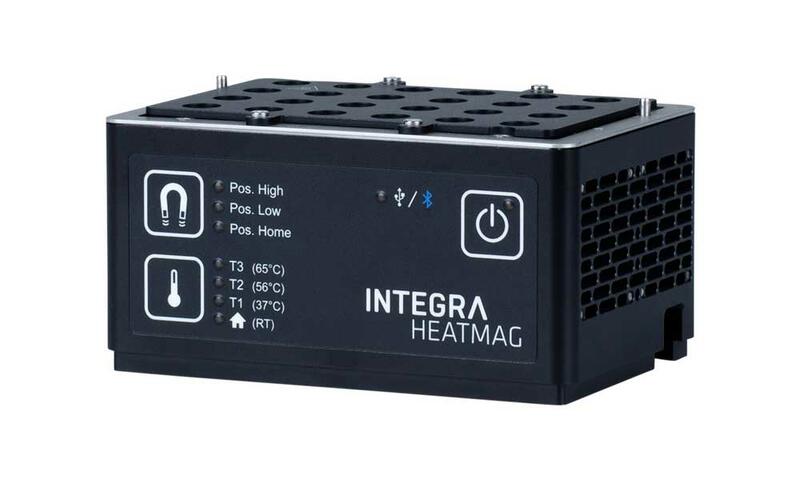
950 µl of equilibration buffer is added to the magnetic beads (column 3 – Figure 2) for resuspension and equilibration. The magnetic beads are mixed for 250 cycles. After mixing, the MAG module is activated to separate the beads from the buffer (Figure 4). The supernatant is then removed and returned to the initial column. Next, the magnet is deactivated and the bead pellet is released. This step is performed 3 times in total.
Capture of stabilized target protein
Target protein is captured by magnetic beads
The cell lysate-copolymer mixture (column 1 – Figure 2) is transferred to the magnetic beads (column 3 – Figure 2) by pipetting 900 µl twice to capture the stabilized target protein. Magnetic beads are mixed for 10 minutes (110 cycles). Then the magnetic beads are separated from the buffer by activating the magnet. The supernatant is then transferred into the initial column, the magnet is deactivated, and the magnetic bead pellet is released.
Washing
Magnetic beads are washed
The ASSIST PLUS transfers 950 µl of washing buffer from column 7 (Figure 2). The magnetic beads are mixed for 2 minutes (15 cycles) by pipetting up and down. Then, the magnetic beads are separated from the buffer by activating the magnet for 2 minutes. The supernatant is transferred back into the initial column, the magnet is deactivated, and the magnetic bead pellet is released. This step is performed 4 times in total.
Tip:
- During the last washing step supernatant is removed in 2 steps in order to bring the magnetic beads closer to the well bottom for easier elution.
Elution
Target protein is eluted from the magnetic beads
50 µl of elution buffer (column 11 – Figure 2) is added to the magnetic beads (column 3 – Figure 2) to elute the target protein. Magnetic beads are mixed with the buffer for 5 minutes (45 cycles). Then the magnetic beads are separated from the buffer by activating the magnet. The eluate is transferred to column 12 (Figure 2), then the magnet is deactivated. This step is repeated once. During the final step the eluate is pooled into the 1.5 ml reaction tubes in the last column of the tube rack (position B – Figure 2).
Results
Multiple full-length membrane proteins from different classes with different affinity tags were purified using a standardized PlateX MP workflow to evaluate its versatility on the ASSIST PLUS. In each automated run, one target protein was stabilized with 8 different copolymers and purified simultaneously in a single PlateX MP plate, with minimal hands-on time. Overall, 3 targets were processed across 3 separate automated runs, demonstrating the workflow's broad applicability.
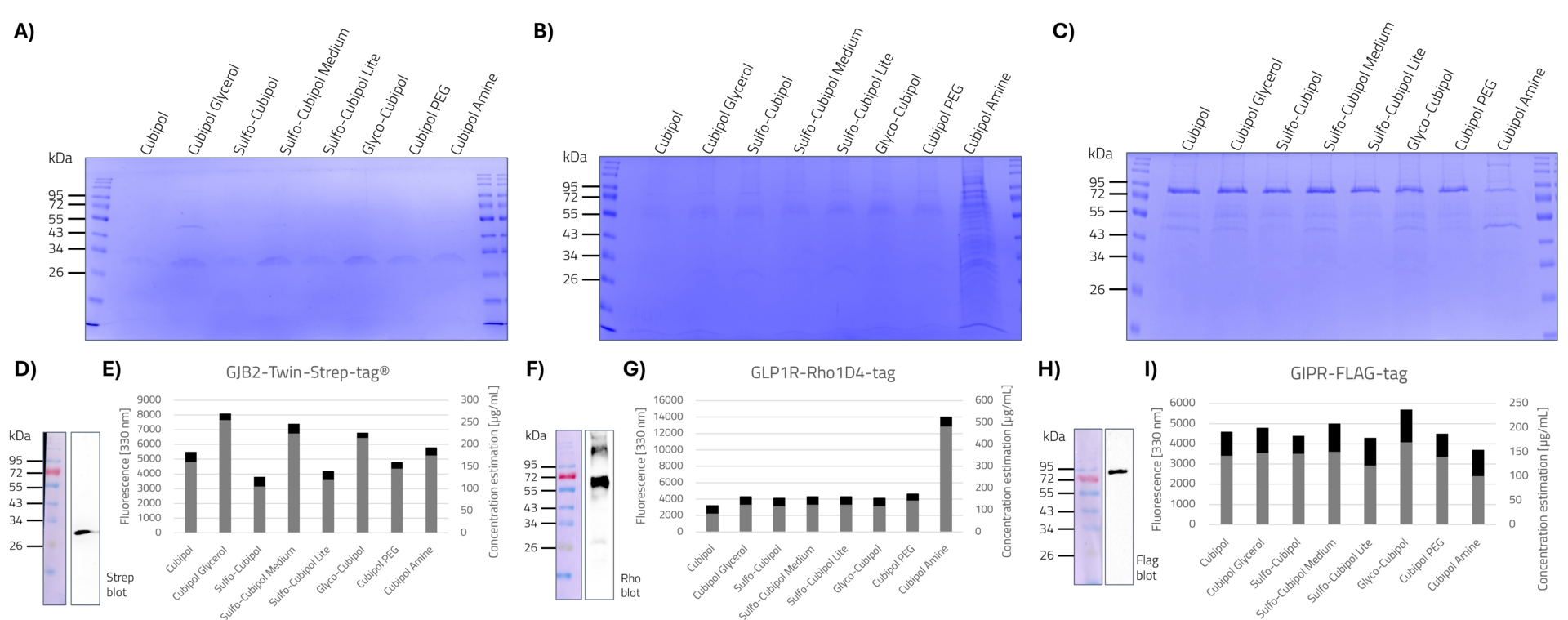
As shown in Figure 5, SDS-PAGE analysis of the eluates revealed clear bands at the expected molecular weights for each representative protein, indicating consistently high purity. Intrinsic fluorescence measurements at 330 nm confirmed robust recovery across all targets. Together, these results show that the PlateX MP and ASSIST PLUS system enables reliable purification of diverse membrane proteins, providing reproducible, decision-ready samples without target-specific optimization.
Remarks
- Run report: if the ASSIST PLUS pipetting robot is connected to the PC with VIALAB, programs can be started directly from the PC. After the run, a run report is automatically generated, documenting details such as the start/end time, user, calculated volumes and any errors that occurred. This offers a convenient way to fulfill regulatory requirements.
Conclusion
Ask our expert. Leave a comment!
Write us if you have any questions regarding the application note or one of our instruments.
Any questions? I'm happy to help!
Instruments and accessories
ASSIST PLUS, Pipetting Robot
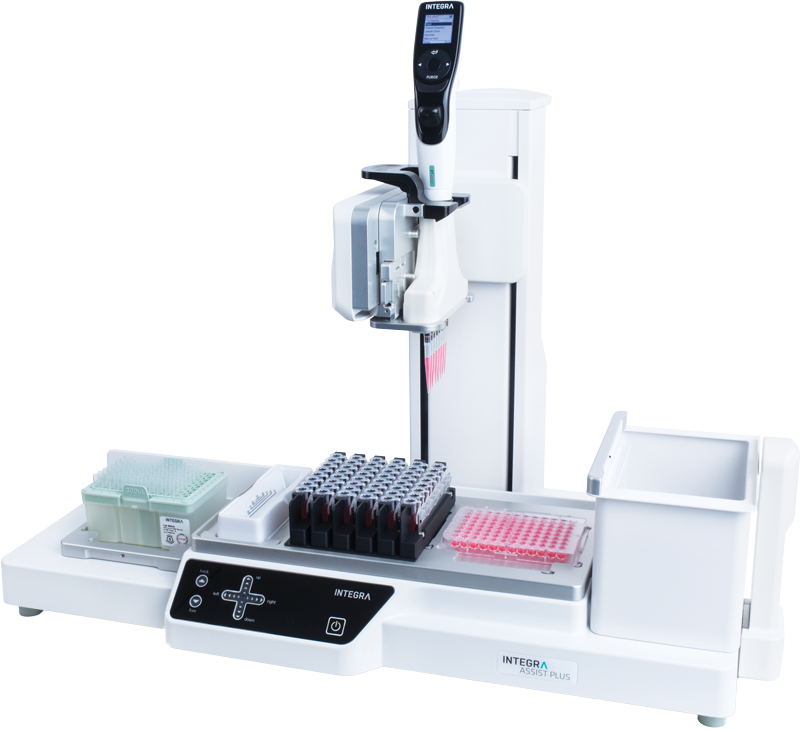
INTEGRA has developed the ASSIST PLUS pipetting robot to streamline routine pipetting tasks at an affordable price. Using INTEGRA electronic multichannel pipettes, the system:
- automates pipetting tasks,
- eliminates physical strain and
- ensures superior reproducibility and
- error free pipetting.
Part No. 4505
Downloads
Download App Note as PDF
DownloadA simple and streamlined workflow for membrane protein isolation
Customer’s voice
The perfect bench tool for small automation needs. It is flexible, reliable, user-friendly.
Related products

Applications
Show all-
End-to-end Twist library preparation protocol for NGS workflow automation
-
Streamlining single-cell sequencing with the Flex Apex workflow using automated liquid handling solutions
-
Optimizing DNA fragmentation and NGS library preparation with automated liquid handling
-
Automating media exchange and sample collection using Ronawk’s Bio-Blocks® In Similare technology and the ASSIST PLUS
Stories
Show all-
 · Product News
Magnetic beads represent a modern approach to gDNA isolation
-
 · Product News
Magnetic beads for NGS size selection and PCR purification
-
 · Company News
Streamlining CRISPR workflows, from editing to analysis
-
 · Customer Testimonial
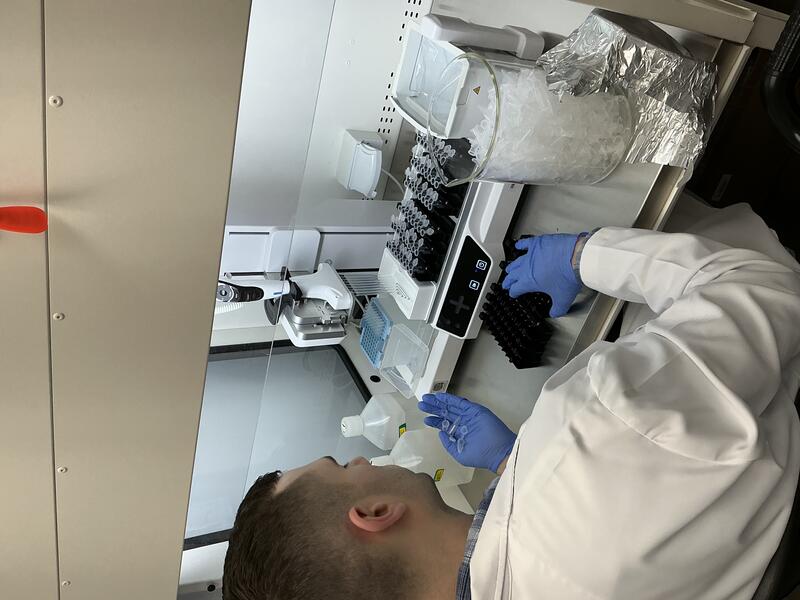
Enhancing the consistency of ag-tech R&D processes with the ASSIST PLUS pipetting robot