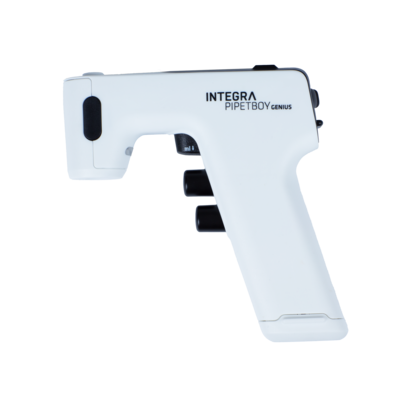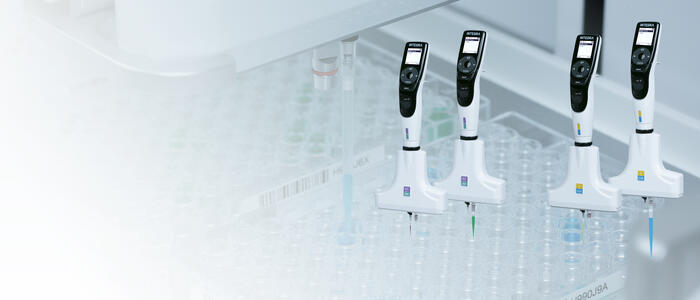
Manual and Hybrid Pipettes
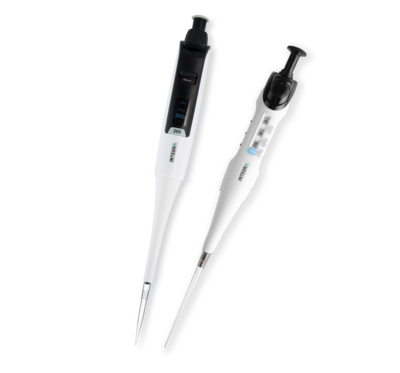
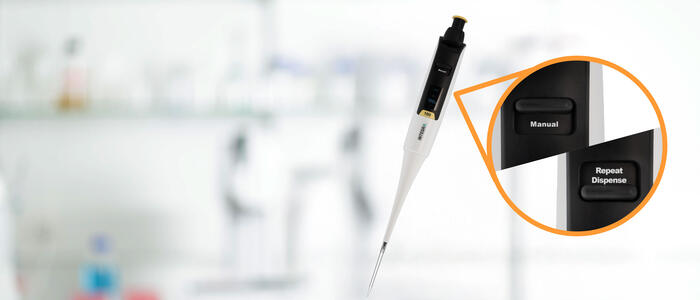
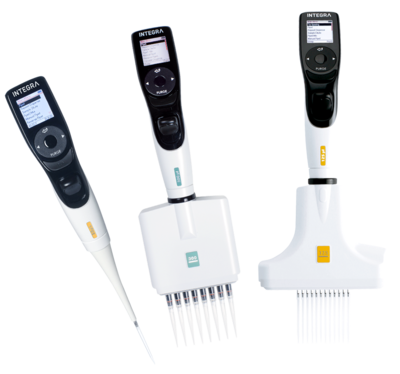
Precise liquid transfers from 0.2 µl to 5000 µl

GLOBAL

AUSTRALIA

DENMARK

IRELAND

NETHERLANDS

SWEDEN

UNITED KINGDOM

UNITED STATES
For other countries which are not listed please choose:
Global - English
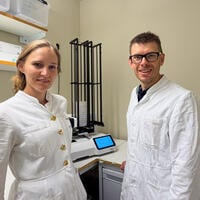

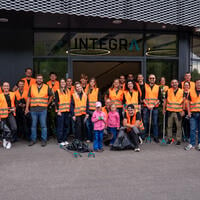
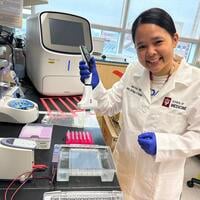
What makes our pipetting products award-winning? It’s our passion to answer the needs of our customers with innovative solutions.
Over the past years we have been recognized for our innovative products with a variety of national and international awards.
INTEGRA Biosciences has been a pioneer in liquid handling technology since 1965, committed to developing products that precisely meet the specific requirements of our customers in research, diagnostics, and quality control. Through close collaboration with our customers, we identify their needs and offer tailored solutions. Our direct presence in Europe, North America, and the Asia-Pacific region is complemented by a global network of partners.
At our headquarters in Switzerland and the USA, our teams are dedicated to developing high-quality instruments and consumables that significantly enhance research efficiency. Sustainability is a central part of our corporate philosophy. We are actively committed to reducing our greenhouse gas emissions, aiming to cut them by 50% by 2030 and achieve net-zero emissions by 2050.