


Calibration check – How to calculate the accuracy and precision of a pipette
Calibration check
How to calculate the accuracy and precision of a pipette
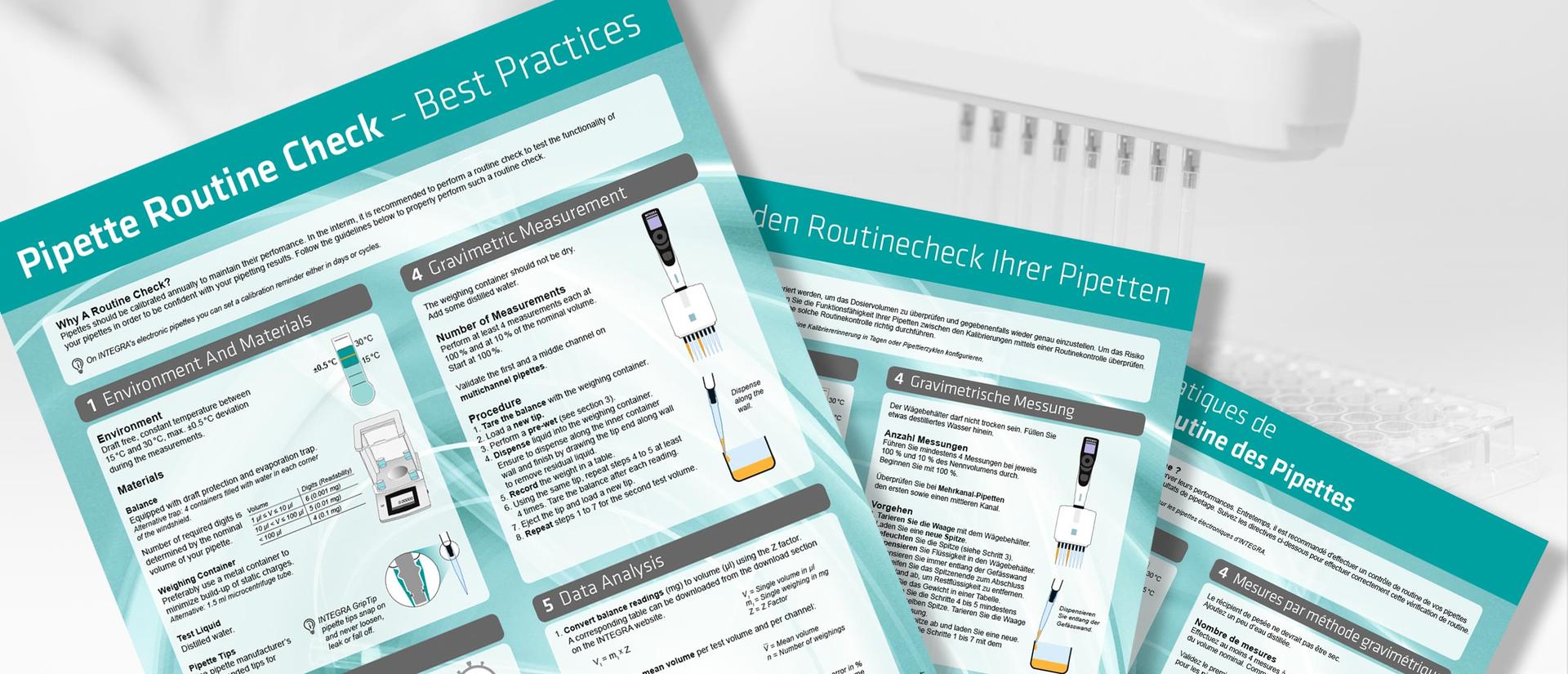
What happens to your pipette’s performance between annual calibrations? Follow the best practice guidelines below to perform a routine check, from what you need to prepare beforehand, to performing the measurements and calculating the pipette’s accuracy and precision.
If you wish, you can also download the guidelines as a poster.
Why a routine check?
Pipettes should be calibrated annually to maintain their performance. In the interim, it is recommended to perform a quick routine check to test the functionality of your pipettes in order to be confident with your pipetting results during important experiments.
Note: On INTEGRA's electronic pipettes you can set a calibration reminder either in days or cycles.
1. Environment and materials
Environment
Draft free, constant temperature between 15 °C and 30 °C, max. ±0.5 °C deviation during the measurements.

Materials
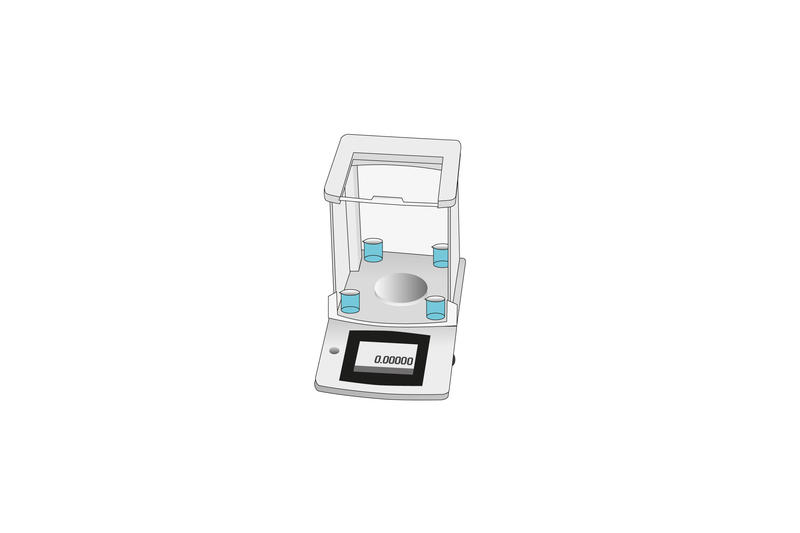
Balance
Equipped with draft protection and evaporation trap.
Alternative trap: 4 containers filled with water in each corner of the windshield.
Number of required digits is determined by the nominal volume of your pipette:
| Nominal volume | Digits (Readability) |
|---|---|
| 0.5 µl ≤ V < 20 µl |
Single channel balance: 6 (0.001 mg) |
| 20 µl ≤ V < 200 µl | 5 (0.01 mg) |
| 200 µl ≤ V ≤ 10 ml | 4 (0.1 mg) |
Weighing container
Preferably use a metal container to minimize build-up of static charges.
Alternative: 1.5 ml microcentrifuge tube.
Test liquid
Distilled water
Pipette tips
Use pipette manufacturer’s recommended tips for best results.
Note: INTEGRA GRIPTIPS® pipette tips snap on and never loosen, leak or fall off.

2. Before you start
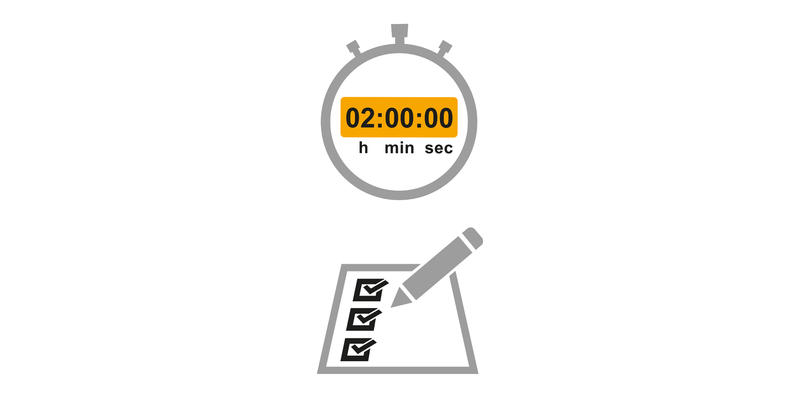
Place pipette, tips and test liquid in the test room 2 hours before starting measurements to reach equilibrium with room conditions.
Note date, ambient temperature and air pressure. If no barometer is available, search the internet for atmospheric pressure at a local weather station.
The use of correct pipetting techniques is crucial.
3. Leak test
Before performing any gravimetric measurements, test if the pipette is leaking:
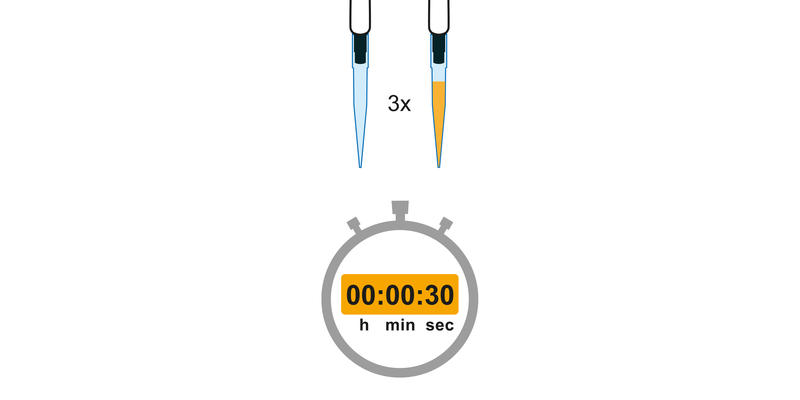
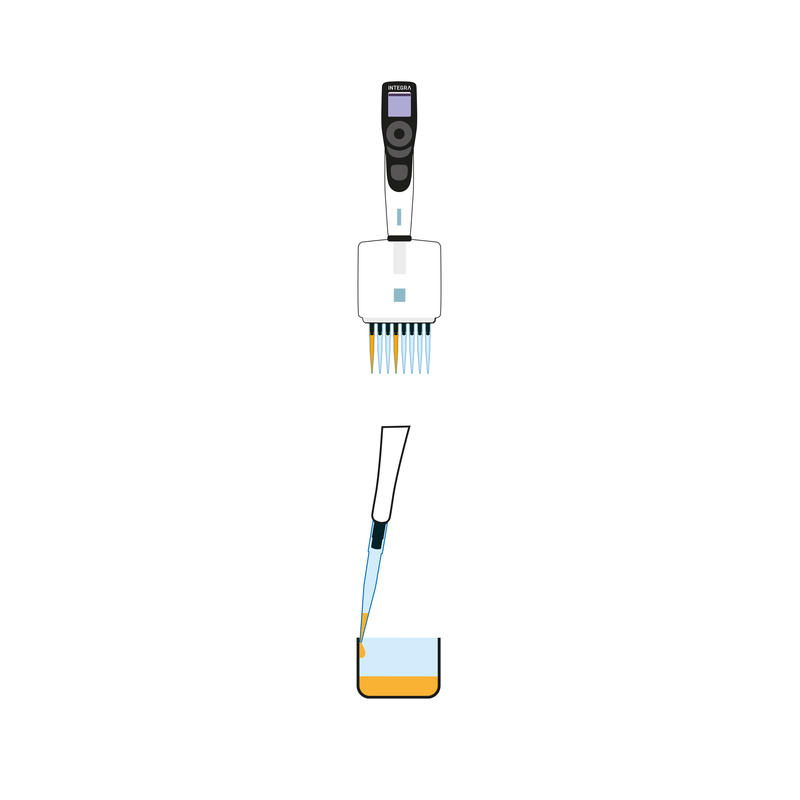
- Pre-wet the tip(s) by aspirating and dispensing the nominal volume 3 times.
- Using the same tip(s), aspirate the nominal volume.
- With the tip(s) immersed 2 mm in liquid, hold the pipette vertically for 30 seconds then, with tip(s) immersed in liquid, dispense all remaining liquid from the tip(s).
- If liquid level does not drop and no air bubbles are present, continue with validation. A decreasing liquid level indicates a leak. Contact the manufacturer to discuss further steps.
4. Gravimetric measurement
The weighing container should not be dry. Add some distilled water.
Number of measurements
Perform at least 4 measurements each at 100 % and at 10 % of the nominal volume. Start at 100 %.
Validate the first and a middle channel on multichannel pipettes.
Procedure of the gravimetric measurement
- Tare the balance with the weighing container.
- Load a new pipette tip.
- Perform a pre-wet (see section 3).
- Dispense liquid into the weighing container. Ensure to dispense along the inner container wall and finish by drawing the tip end along wall to remove residual liquid.
- Record the weight in a table.
- Using the same tip, repeat steps 4 to 5 at least 4 times. Tare the balance after each reading.
- Eject the tip and load a new tip.
- Repeat steps 1 to 7 for the second test volume.
5. Data analysis
Step 1: Convert balance readings for each measurement (mg) to volume (µl) using the Z factor (table to determine the correct Z factor):
 Vi = Single volume in µl
mi = Single weighing in mg
Z = Z factor
|
Test volume: 100 µl
Vi = 100.08 mg x 1.0032 → Vi = 100.40 µl |
Step 2: Calculate the mean volume per test volume and per channel using the calculated Vi measurements:
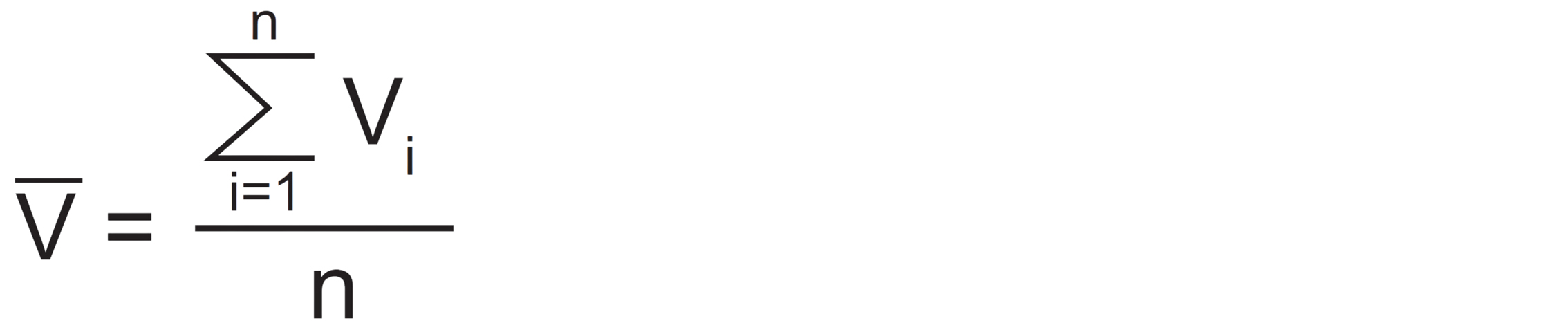 V = Mean volume
n = Number of weighings
|
V = (100.40 µl + 100.42 µl + 100.43 µl + 100.54 µl + 100.47 µl) / 5 → V = 100.45 µl |
Step 3: Calculate the accuracy (systematic error) in % per test volume and per channel:
 es = Systematic error in %
Vs = Selected test volume
|
es = (100 (100.45 – 100)) / 100 → es = 0.45 % |
Step 4: Calculate the precision (random error) in % per test volume and per channel:
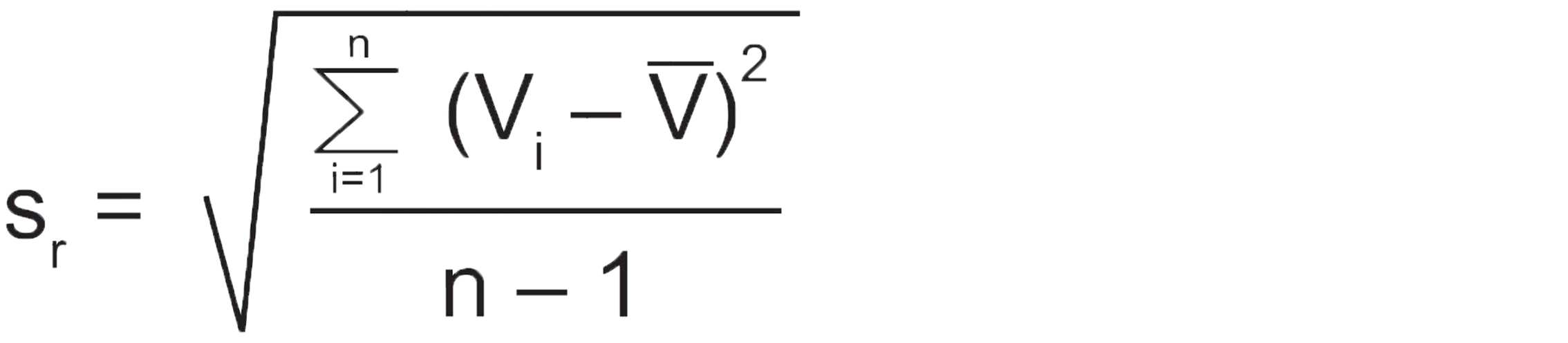 sr = Repeatability standard deviation
 CV = Coefficient of variation in %
|
sr = √(((100.40 – 100.45)2 + (100.42 – 100.45)2 + (100.43 – 100.45)2 + (100.54 – 100.45)2 + (100.47 – 100.45)2) / (5 – 1)) → sr = 0.05 CV = 100 (0.05 / 100.45) → CV = 0.05 % |
Compare the calculated accuracy and precision with the manufacturer's specifications. If the calculated values are not within specifications, the pipette needs to be calibrated. If the pipette has passed the routine check, it is working as intended.
Note: INTEGRA electronic pipettes can be easily calibrated. Simply enter target volume and actual volume you have measured and then click calibrate.
Summary
Here's a summary of how to calculate the accuracy and precision of your pipette to determine if it needs to be calibrated:
- Perform the routine check in a draft free environment with a constant temperature between 15 °C and 30 °C
- Prepare a balance equipped with draft protection and evaporation trap, a metal weighing container, distilled water and tips
- Place the pipette, tips and distilled water in the test room 2 hours before starting measurements
- Note the date, ambient temperature and air pressure
- Test if the pipette is leaking
- Perform at least 4 gravimetric measurements each at 100 % and at 10 % of the nominal volume
- Calculate the accuracy and the precision and compare them with the manufacturer's specifications
Further reading: